The white tank top used to cost less than lunch. It lived in plastic-wrapped three-packs, served as undershirts, and disappeared into laundry without ceremony. Then something shifted. The ribbed cotton shell that once screamed "I give up" now costs $200 and sells out in hours.
This isn't about inflation. It's about fashion's latest magic trick: making the invisible visible, the forgettable covetable. Eight forces transformed the humble tank from throwaway basic to carefully curated statement.

Minimalism Got a Credit Limit
The Row made basics expensive first, Lemaire followed, then Entireworld appeared and vanished. The message landed: simplicity costs more when done right. A white tank from Toteme or The Frankie Shop isn't just cotton and thread—it's a passport to a certain tribe, proof you understand that restraint is the new excess. The less there is to look at, the more you paid.
Celebrities Wore Them Alone
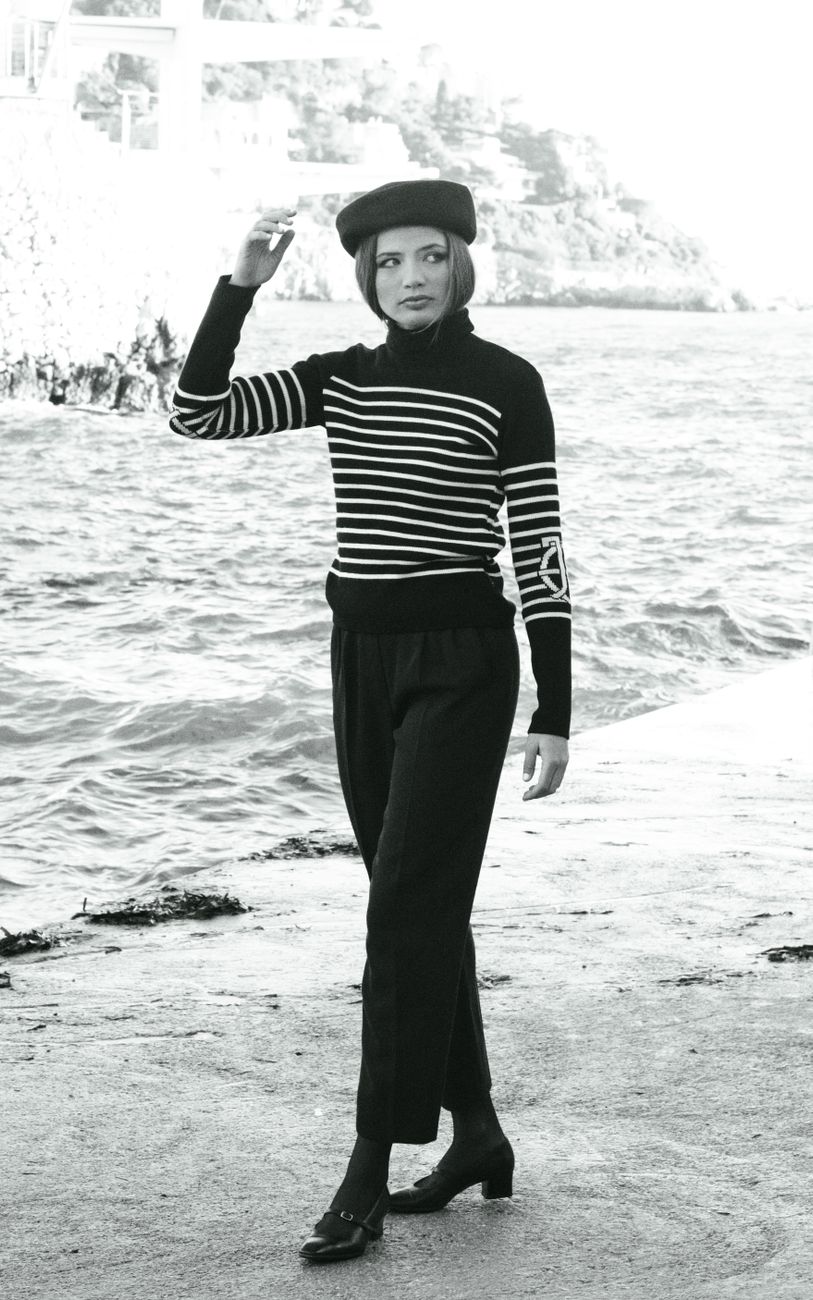
When Hailey Bieber and Kendall Jenner started wearing pristine white tanks as the outfit, not the underlayer, editors took notes. Suddenly the tank wasn't hiding under blazers or peeking out from cardigans—it was the statement. This required courage and a certain body confidence, which made it even more aspirational. The garment stayed simple; the context became complex.
Fabric Became the Flex
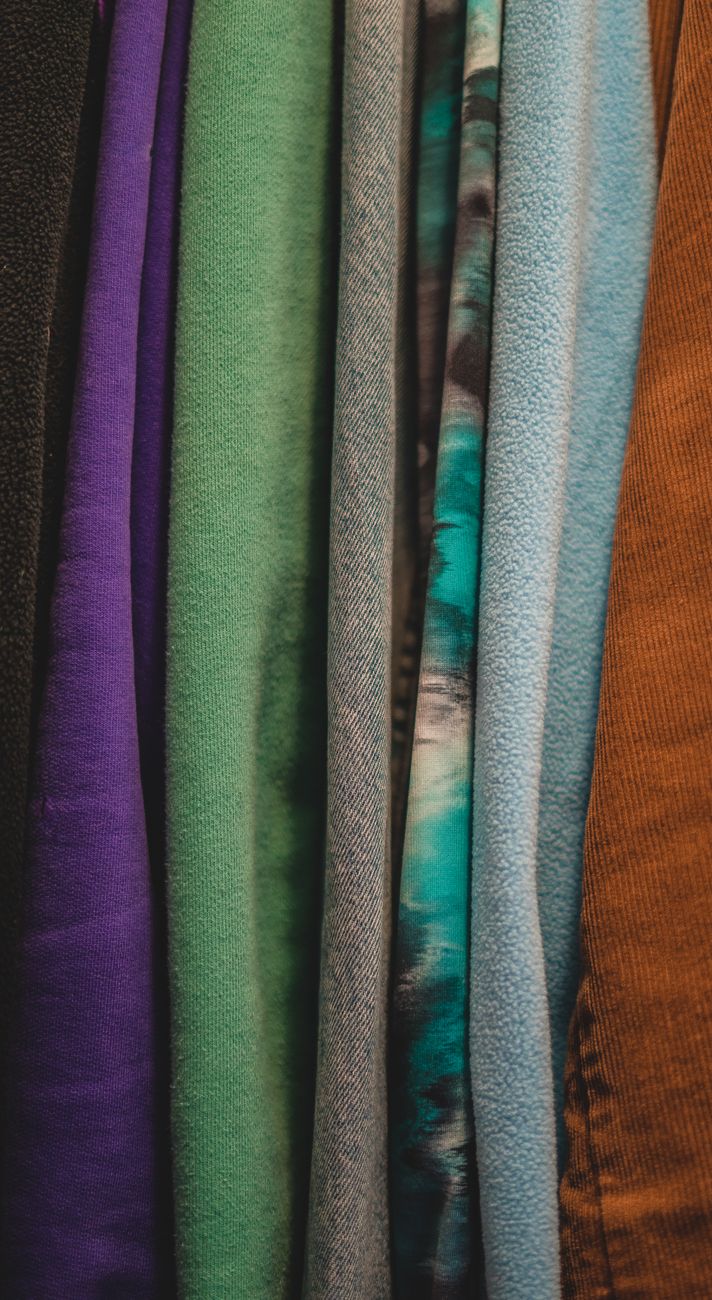
Pima versus Supima. Egyptian versus organic. Thread count, weight per square meter, enzyme washing techniques—the white tank became a vehicle for textile obsession. Brands like Lady White Co. and Merz b. Schwanen built entire identities around getting the hand-feel right, the drape perfect, the collar rib exactly soft enough. Only other people who care notice the difference, which is precisely the point.

Underwear Went Outerwear (Again)
Miu Miu put briefs on the runway, Coperni turned bras into tops, and the tank followed the same logic: what was once hidden is now the whole look. This required fashion to rehabilitate the garment's reputation, stripping away its association with gym class and dad uniforms. Now it's deliberately intimate, intentionally casual, carefully chosen to look like you didn't try—which requires considerable effort.

Gwyneth Made It Wellness
The white tank became shorthand for a certain lifestyle: green juice, Pilates, non-toxic everything, five-figure wellness budgets disguised as simplicity. It photographs well against white sheets and beige interiors, fits the "clean girl" aesthetic, and suggests your life is so together that you don't need embellishment. The tank isn't fashion—it's a philosophy, a morning routine, a value system you wear.
Men Discovered Fit
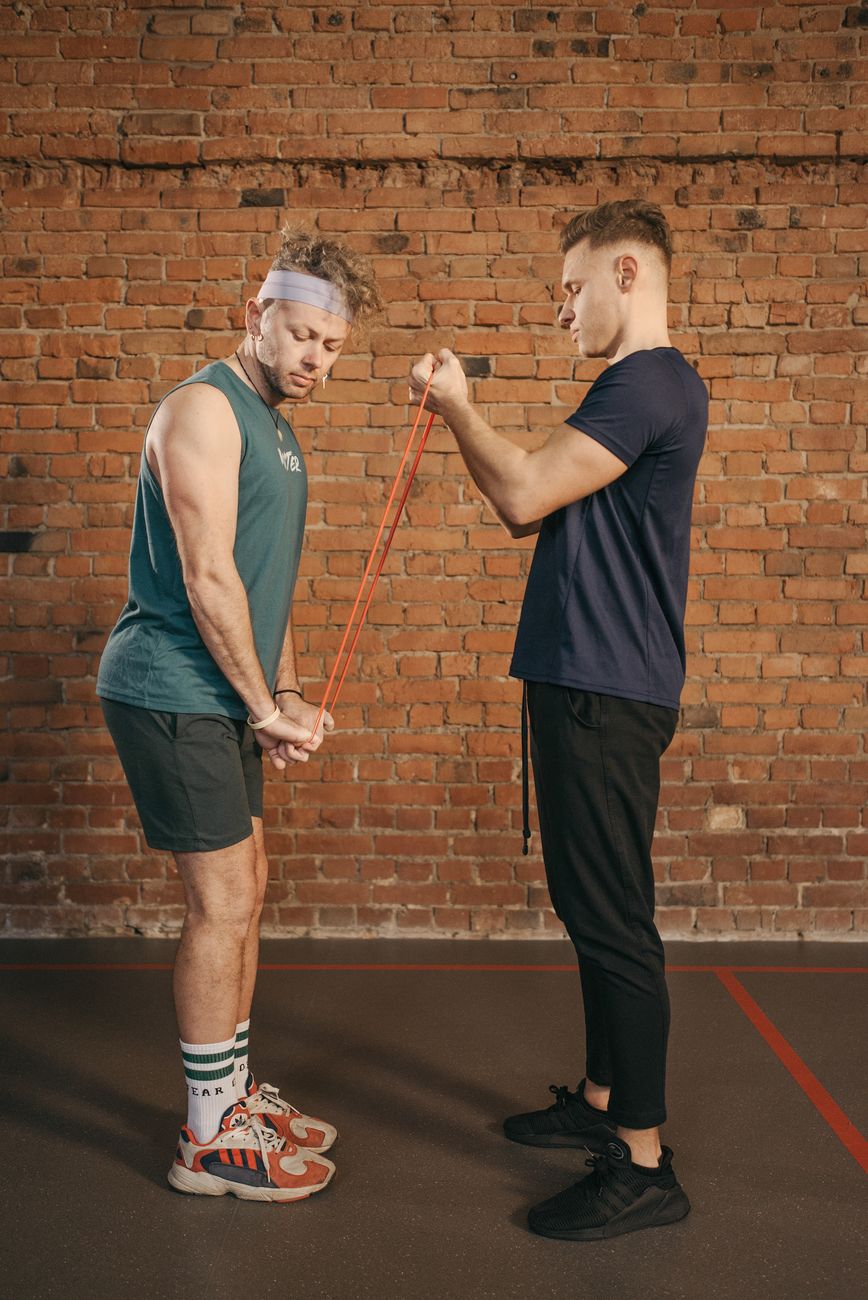
For decades, men's white tanks meant two options: stained undershirts or gym muscle shirts. Then brands like Fear of God and John Elliott introduced cuts that actually fit—not too loose, not too tight, with intentional sleeve and neck openings. Men who previously dismissed tanks as "wife beaters" suddenly understood: the right proportions transform a basic into a building block. Now they'll pay $150 for what looks identical to the untrained eye.

Vintage Hunting Legitimized the Search
The perfect vintage white tank became a grail, something to hunt for across Etsy, Grailed, and Tokyo thrift stores. This quest mentality—finding the 1970s Hanes with the perfect worn-in softness, the faded military-issue tank with ideal drape—added narrative and scarcity to an abundant garment. Suddenly your tank had a story, provenance, history. It wasn't mass-produced; it was discovered.

Fashion Finally Admitted It's a Uniform
After decades of pushing newness, fashion embraced repetition. The same white tank worn repeatedly isn't boring—it's editorial, intentional, signature. Steve Jobs had his black turtleneck; this generation has the white tank. The shift from variety to uniform freed people to invest in fewer, better things, which conveniently meant spending more on each piece. The basic became luxury by becoming permanent.