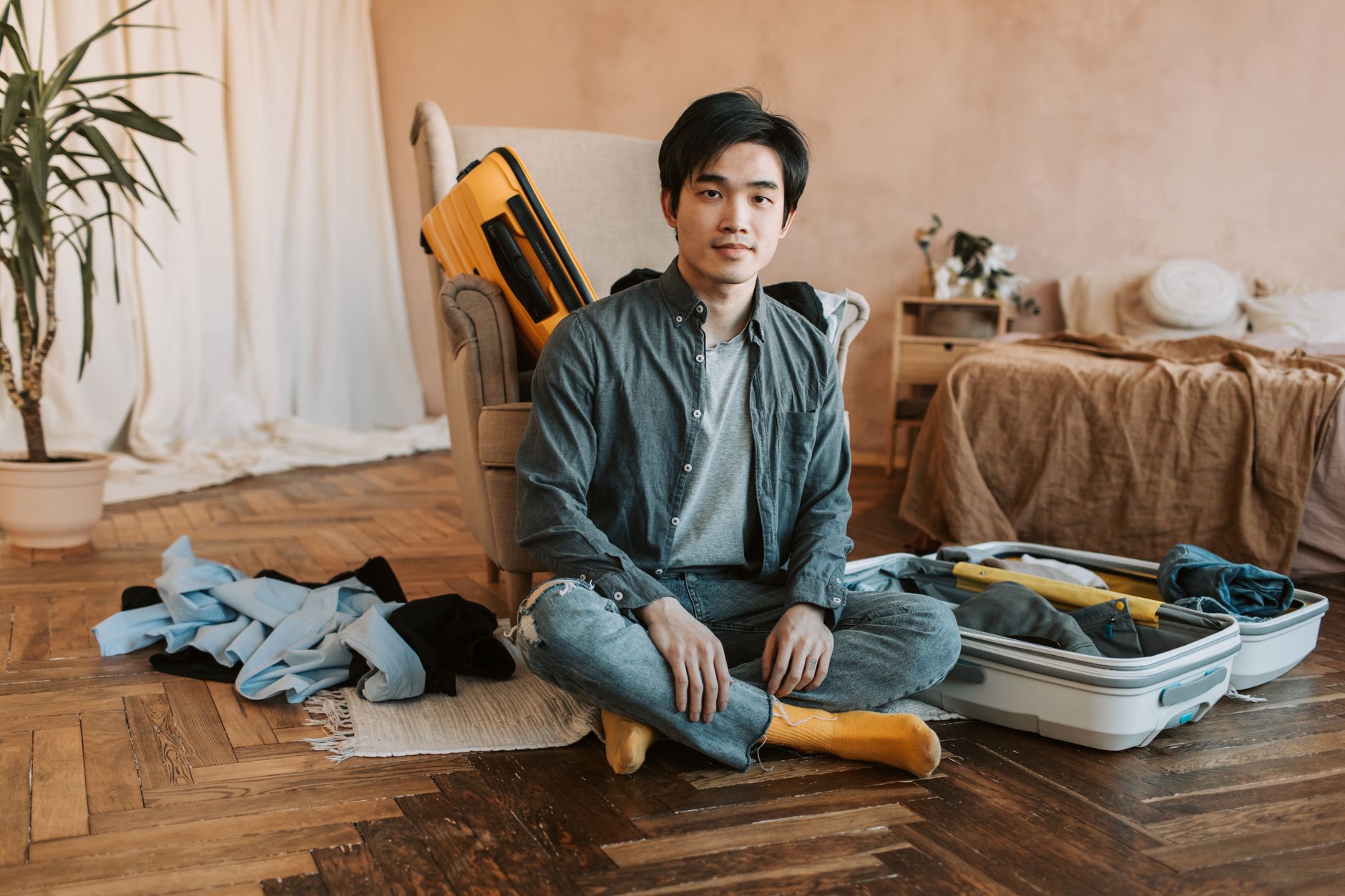
While airlines hemorrhage money on underused first class lounges with their complimentary charcuterie and mediocre prosecco, airports have quietly discovered something more valuable: travelers who'll pay $50 an hour just to lie down. Sleep pods—those minimalist capsules that look like something between a spaceship and an upscale coffin—are generating revenue per square foot that makes traditional lounges look quaint.
This isn't about luxury anymore. It's about functionality in a system designed to exhaust you. Five shifts turning nap real estate into the new airport asset class.
The Economics Are Brutally Simple
A first class lounge costs millions to build and requires constant staffing, food replenishment, and maintenance for customers who access it through loyalty programs—meaning minimal direct revenue. A pod facility requires minimal staff, no perishable inventory, and generates $40-80 per booking with utilization rates approaching 85% during peak hours. Airport operators are realizing that exhausted travelers with four-hour layovers represent a more reliable revenue stream than elite frequent fliers who expect everything free.
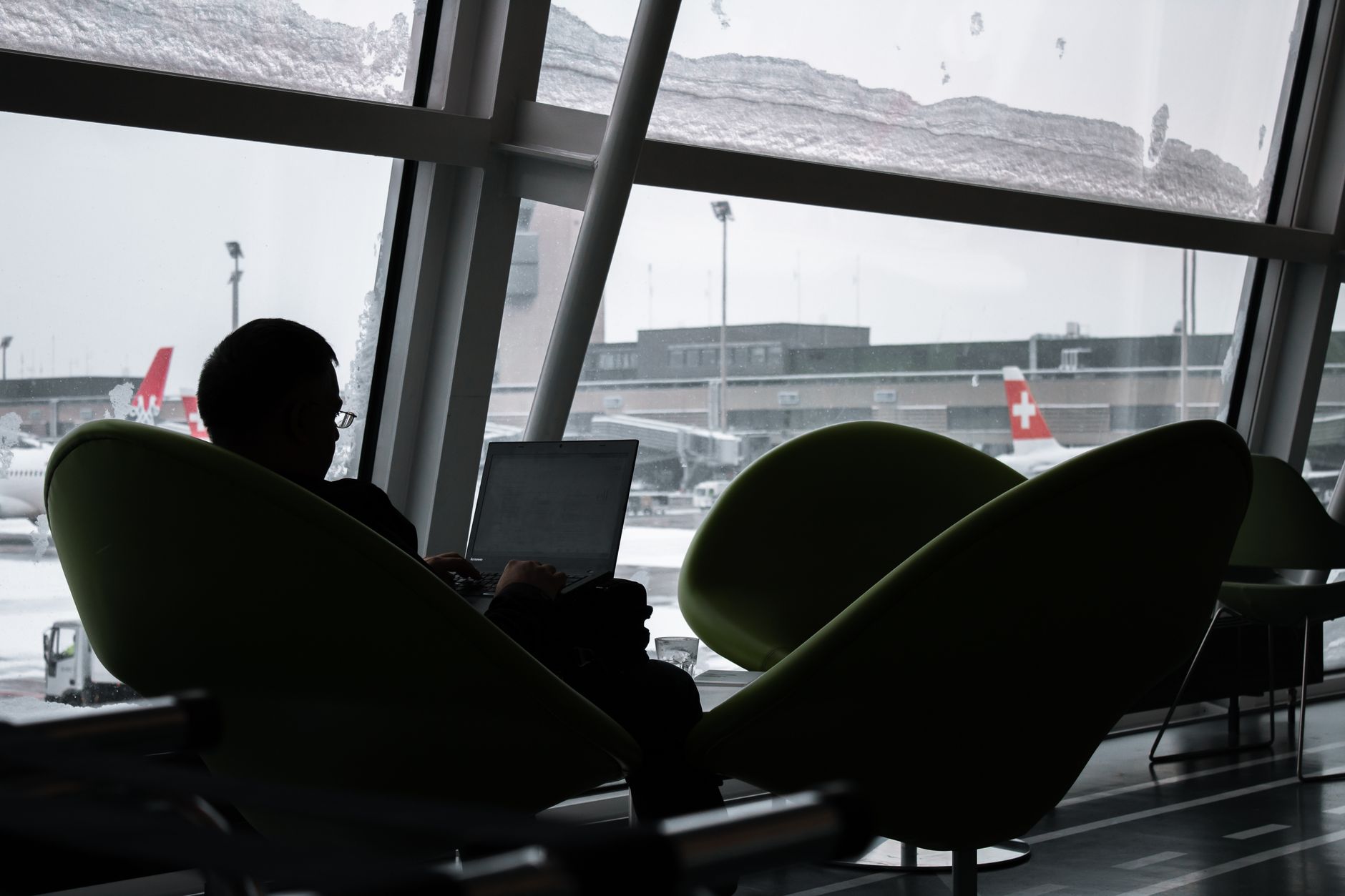
Remote Work Killed the Layover Lounge
The laptop-and-WiFi model that made lounges appealing in the 2000s is now standard across entire terminals. Why pay lounge access fees when every gate area offers the same outlets and connectivity? Travelers have adapted—what they can't replicate is private space to actually sleep. Pods aren't competing with lounges anymore; they're filling the gap lounges never addressed, which is that horizontal rest is worth more than vertical networking when you're facing a red-eye.
Airports Are Becoming Destination Infrastructure
Transit hubs are transforming into 24-hour cities where people increasingly choose to stay rather than book nearby hotels. It's cheaper, eliminates transportation friction, and removes early-morning alarm anxiety. Sleeping pods formalize what travelers were already doing in gate area chairs—except now airports capture that revenue instead of watching people suffer for free. Singapore and Dubai proved the concept; secondary hubs from Minneapolis to Munich are now installing pods faster than retail space.

The Wellness Angle Writes Its Own Marketing
Positioning sleep as self-care rather than desperation transformed the optics completely. Pods aren't for people who missed connections anymore—they're for travelers who prioritize circadian health and performance optimization. The same professionals who track sleep scores and buy sunrise alarm clocks now view a $60 nap pod as obvious infrastructure rather than indulgent expense. When exhaustion becomes a wellness failure instead of a travel inevitability, paying to sleep becomes virtuous.
Premium Is Dead, Precision Is Everything
First class lounges tried to be everything—restaurant, office, spa, bar—and became mediocre at all of it. Pods do exactly one thing impeccably: provide clean, dark, quiet space to lose consciousness. That precision commands pricing power that vague luxury never could. Travelers don't want approximations of hotel experiences in airport contexts; they want surgical solutions to specific problems. The pod economy isn't killing premium—it's just exposing how much of premium travel was always performative rather than useful.