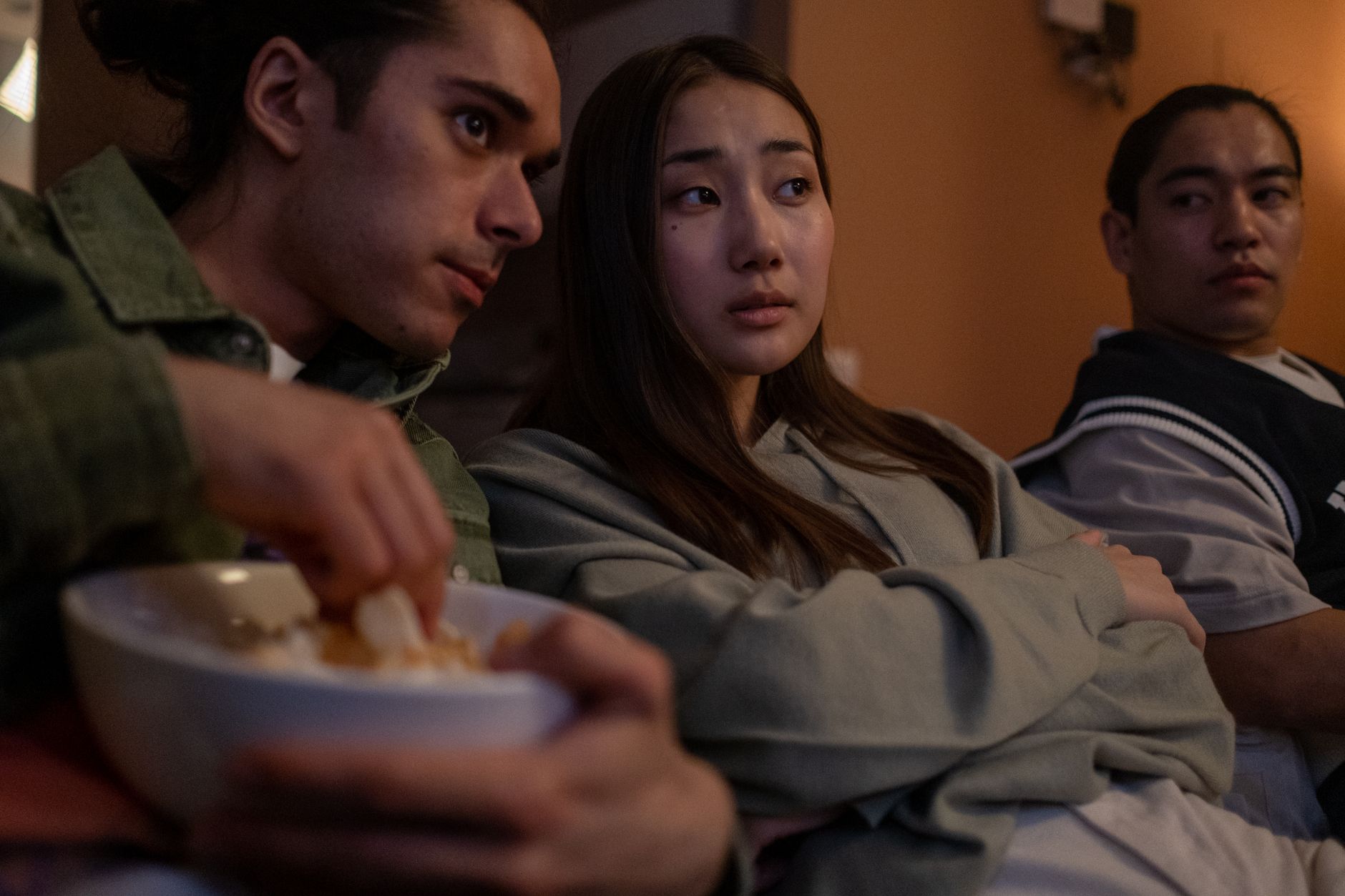
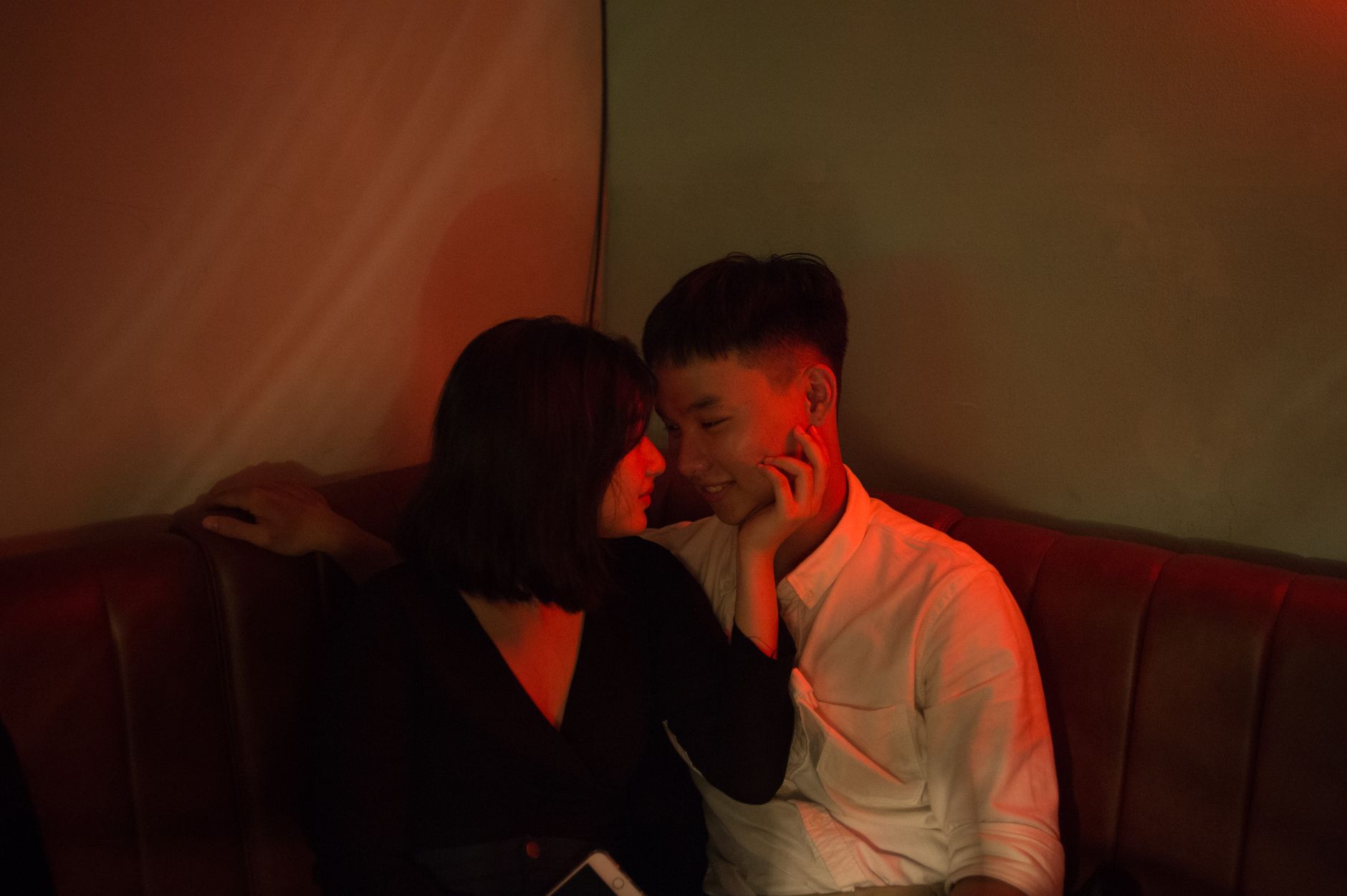
There's a woman you follow on Instagram. You've seen her at events, in other people's stories, occasionally in your feed. She's beautiful, well-dressed, seemingly important. You have no idea what she does. You're not alone—no one else does either.
Welcome to the age of ambient celebrity, a strange new tier of fame where recognition precedes—and often replaces—any actual achievement. These are people who exist in our collective consciousness without occupation, output, or obvious talent. They're just... there. And somehow, that's enough.

The professional "known person" is now a legitimate career path
A generation ago, you became famous for doing something, then leveraged that fame. Now the sequence has reversed. People build recognition first—through strategic appearance at the right events, association with the right people, aesthetic coherence across platforms—then monetize the awareness itself. The doing comes later, if at all. It's fame as infrastructure rather than byproduct, and it's surprisingly sustainable.

Algorithm-native faces that feel familiar without context
These celebrities are designed for peripheral vision. You've seen their face enough times—in suggested follows, tagged in the background of other people's content, photographed at openings—that your brain registers them as significant. The platforms reward presence and consistency over narrative or skill. You don't need to know their story. You just need to have seen them before.

The "founder" title as credibility placeholder
Ask what an ambient celebrity does and the answer is always founder, creative director, or consultant. Of what? The question feels rude to ask. These titles function less as job descriptions and more as sophisticated placeholders—just specific enough to suggest legitimacy, just vague enough to avoid scrutiny. It's professional ambiguity as personal brand, and it works because we've stopped expecting famous people to make things.
Proximity to actual achievement creates borrowed credibility
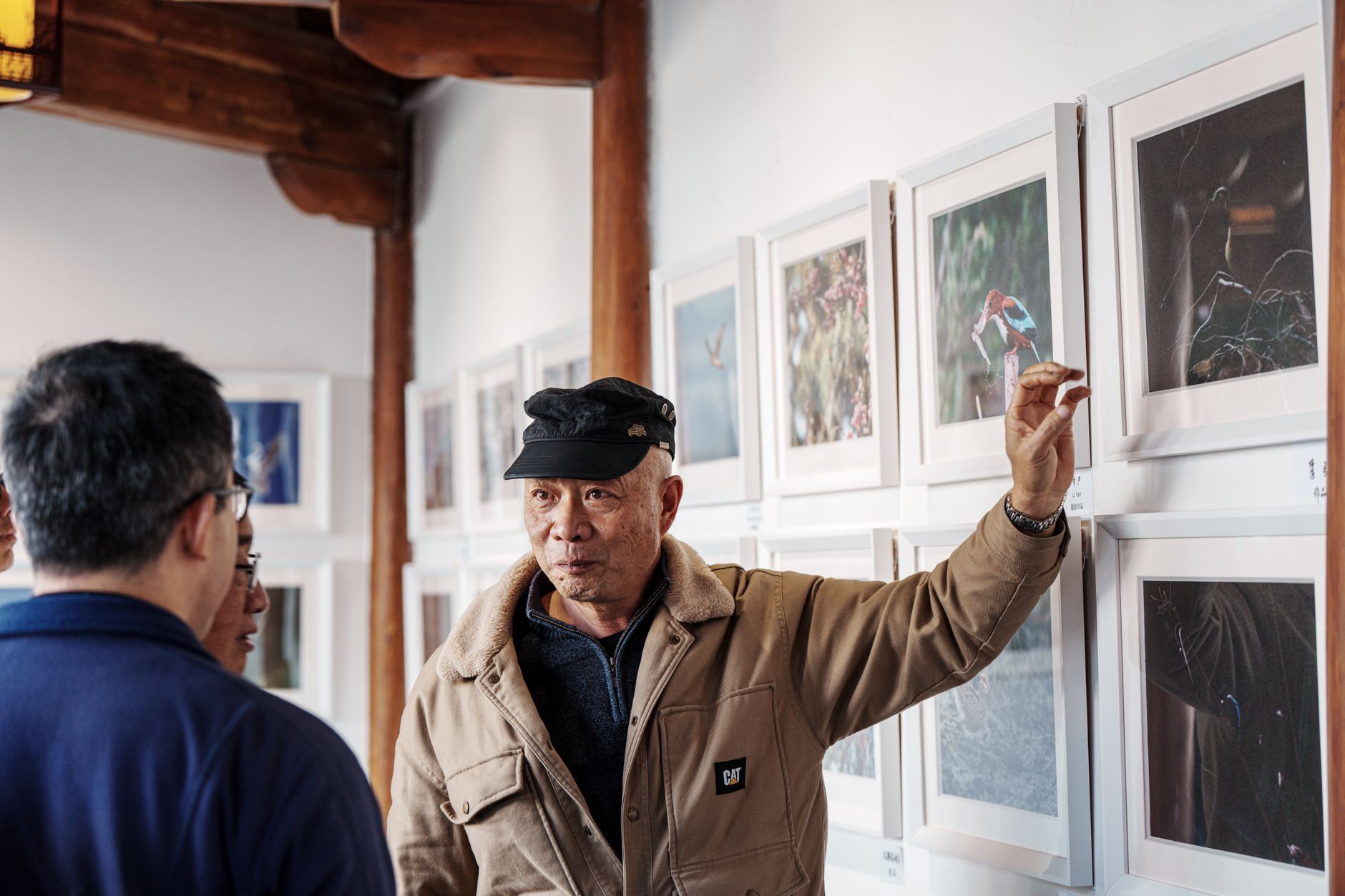
Ambient celebrities master the art of strategic adjacency. They're photographed with designers, musicians, artists, entrepreneurs—people who actually create. The association transfers just enough credibility to sustain their own visibility. They're not collaborating or contributing; they're simply present. And in an attention economy, presence at the right tables is its own form of capital.
Recognition without expectation is the new celebrity ideal
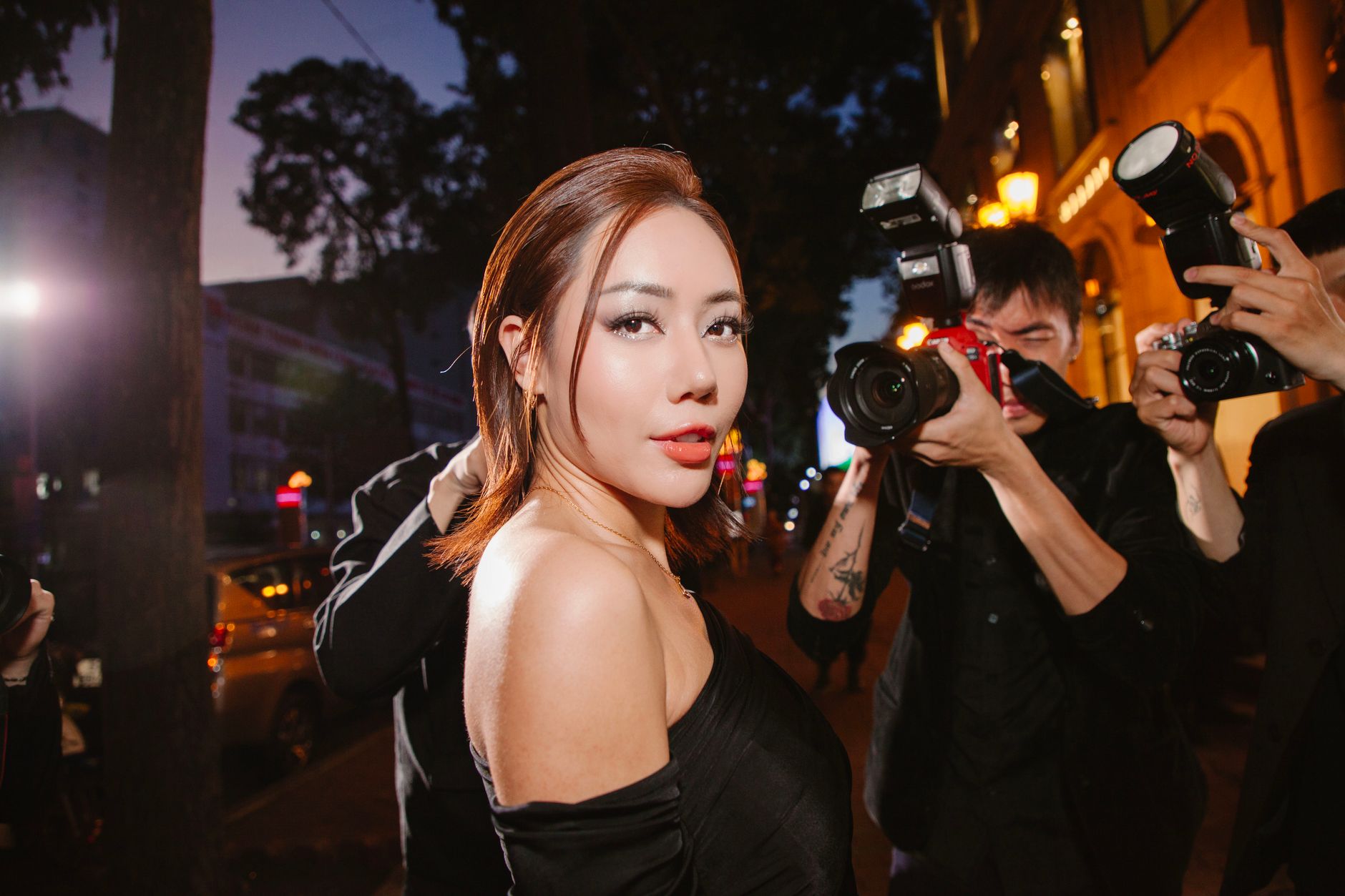
Traditional fame came with pressure—to perform, to produce, to justify the attention. Ambient celebrity offers something more appealing: visibility without accountability. No one expects anything from you because no one knows what you do in the first place. You can't disappoint an audience that never had expectations. It's fame with all the benefits and none of the creative burden, perfectly calibrated for an era that values aesthetic over output.