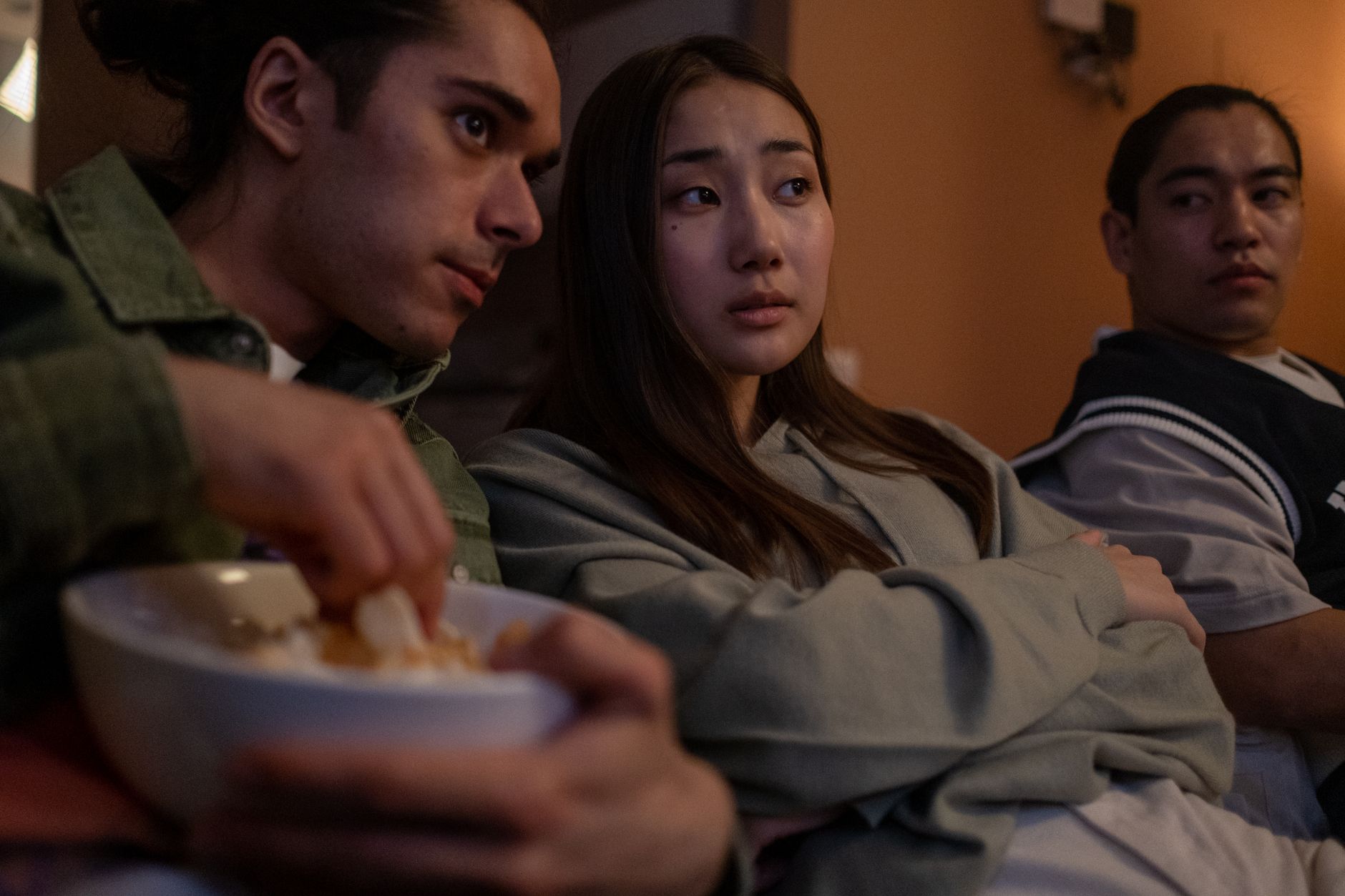
Somewhere between the pandemic pause and the algorithmic rewiring of our attention spans, audiences forgot when to clap. Not whether—when. Theater actors now navigate eruptions during pregnant pauses. Musicians face seas of raised phones where hands used to be. The social contract of spectatorship has been renegotiated without anyone signing the new terms.
This isn't nostalgia for a mythical golden age of perfect audiences. It's recognition that the language of live response—built over centuries of shared cultural attendance—corroded during two years of isolation and hasn't properly rebuilt. What we're watching now isn't the death of live performance etiquette. It's the birth of something else entirely, and performers are scrambling to adapt.

The Phone-Wall Phenomenon Kills the Feedback Loop
Artists from Adele to Jack White have instituted phone bans after realizing the documentation impulse doesn't just block sightlines—it severs the energetic exchange that makes live performance live. When thousands of people experience a moment through a screen they're holding, they're not actually in the room. The performer feels it as a void, the audience member gets home with footage they'll never watch, and everyone wonders why concerts don't feel as transcendent as they remember.
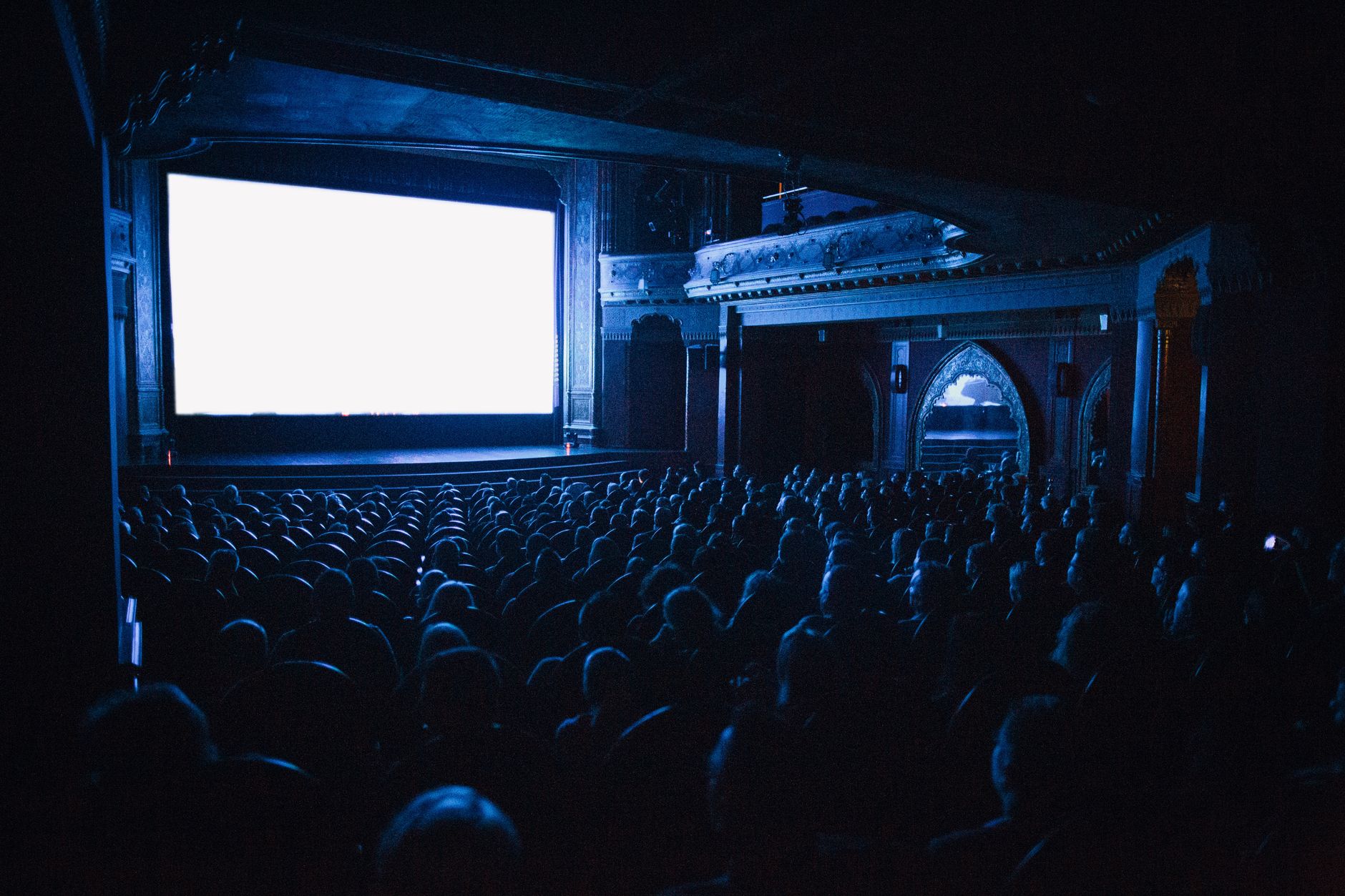
Theater Audiences Treat Drama Like Stand-Up
Broadway actors report a post-2020 shift: audiences now whoop, holler, and applaud moments of recognition rather than dramatic peaks. A character entrance gets screams. A devastating monologue gets restless silence. Blame Marvel movies, blame streaming's immediate-gratification pacing, blame whatever you want—the fact remains that theater-goers now respond to familiarity more than to craft. Performers have started building in extra pauses, waiting out the hooting before they can deliver their next line.
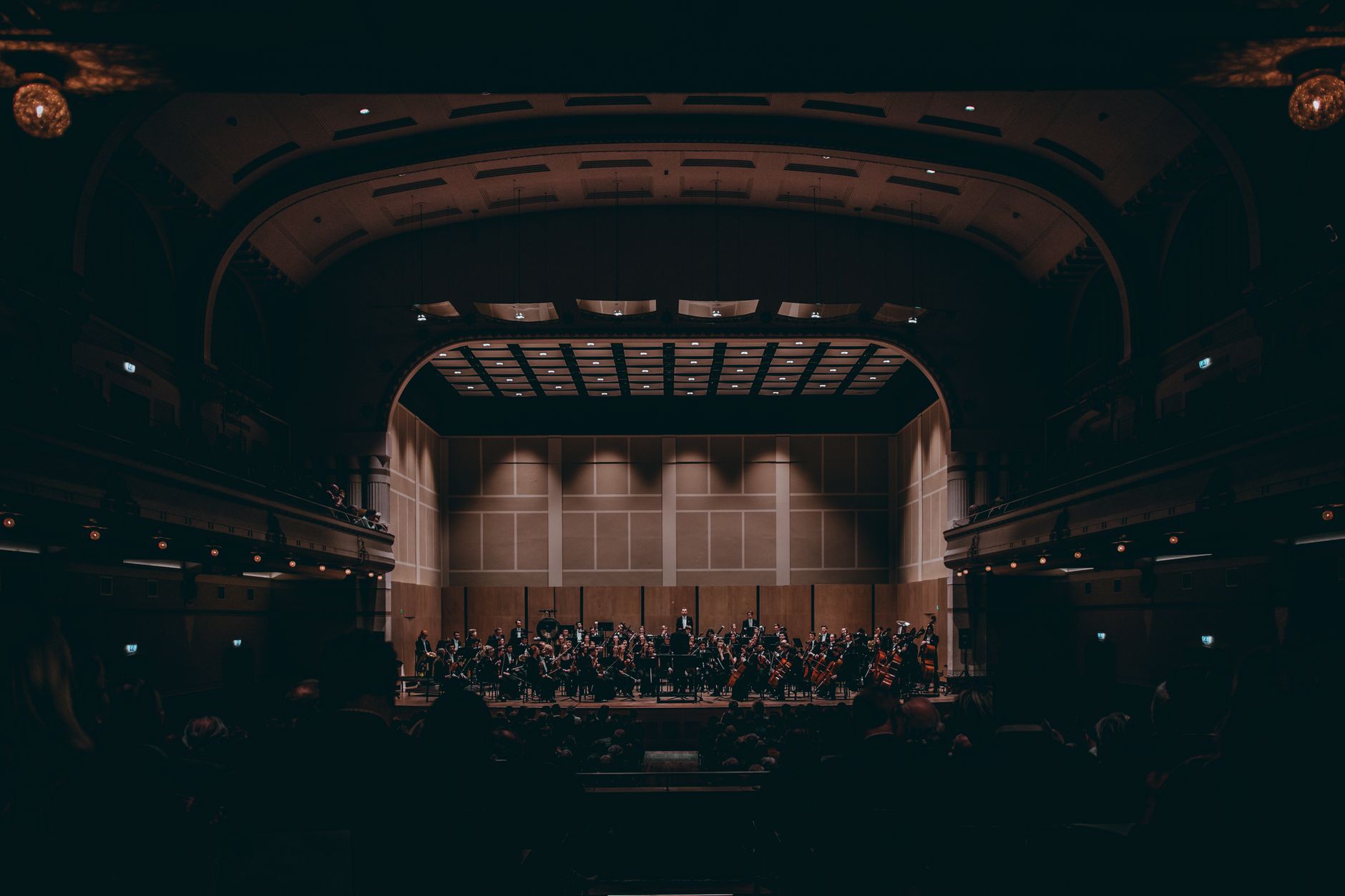
Classical Music's Clapping Controversy Goes Mainstream
The classical world has fought over when to clap for decades, but the question has jumped genres. Do you cheer between songs at a jazz set or wait for the full set to end? Applaud after a particularly sick guitar solo or hold until the song finishes? Audiences trained on recorded music—where tracks simply flow into one another—have no innate sense of a performance's internal architecture. Some artists now verbally cue their crowds. Others just accept chaos as the new normal.
Comedy Shows Became the Last Competent Crowd
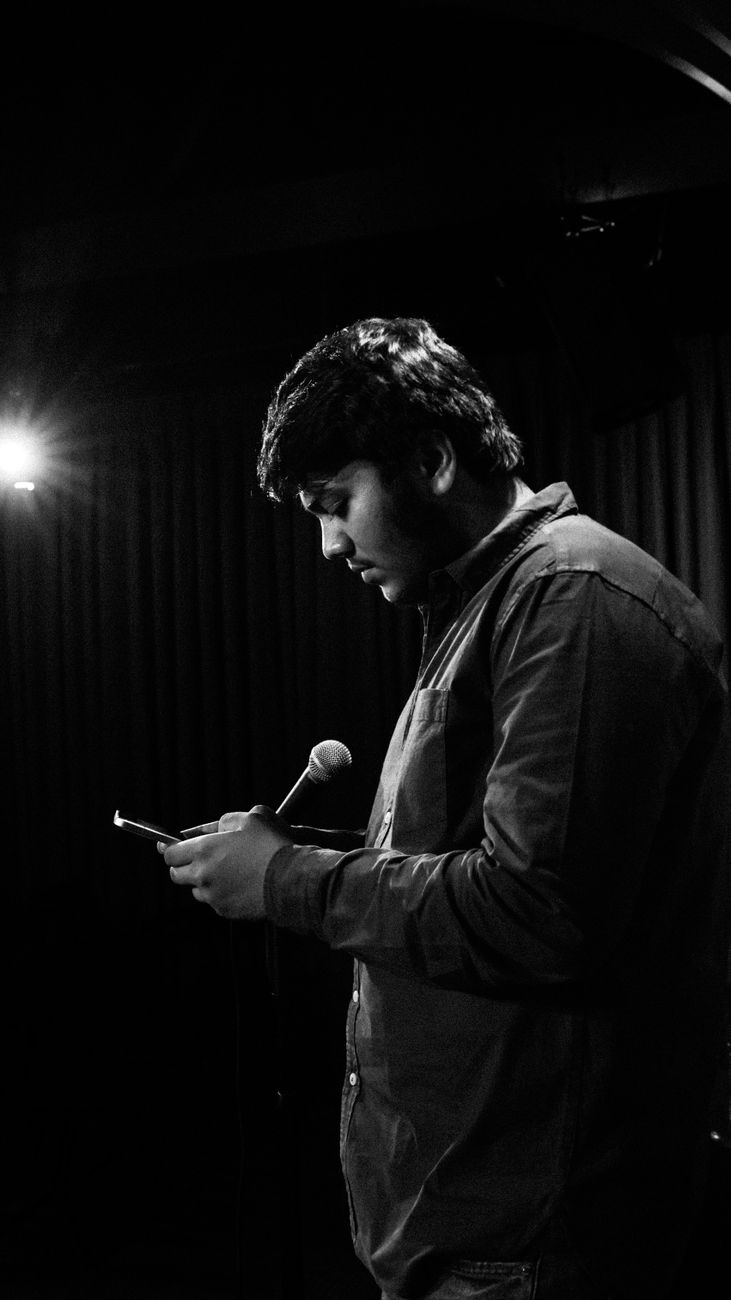
Stand-up crowds remain the only live audiences that still, mostly, know their job: laugh at funny, stay quiet during setup, don't scream out your own jokes. Credit the format's built-in feedback mechanism—a comedian immediately addresses disruption—or credit the fact that comedy never stopped during lockdown, just moved to Zoom shows that trained people to mute themselves. Either way, comics aren't complaining about audience behavior the way musicians and theater actors are. They're too busy selling out rooms to people starved for an experience where the collective response still works.

Artists Are Turning House Lights On Mid-Show
The nuclear option is becoming standard practice. Phoebe Bridgers keeps house lights up for entire songs. Some comedians never dim them at all. The message: we're all in this room together, so act like it. When audiences can see each other, they self-regulate better, modulating their responses based on collective energy rather than individual impulse. It sacrifices theatrical intimacy for social accountability, and for many performers, that's a trade worth making. The fourth wall wasn't surviving anyway.