The National Archives has 1.2 million TikTok followers. The Boston Public Library's Instagram gets more saves than most fashion influencers. Museums are posting with the timing of streetwear drops, and archivists have become unexpected social media strategists. Cultural institutions aren't just online—they're winning.
This isn't about making history "relatable." It's about institutions understanding platform dynamics better than people whose job is to understand platform dynamics. While celebrities spiral through authenticity crises and influencers chase algorithm changes, museums and libraries are building audiences with material that's been sitting in storage for decades. The cultural authority has shifted, and it's wearing white gloves.
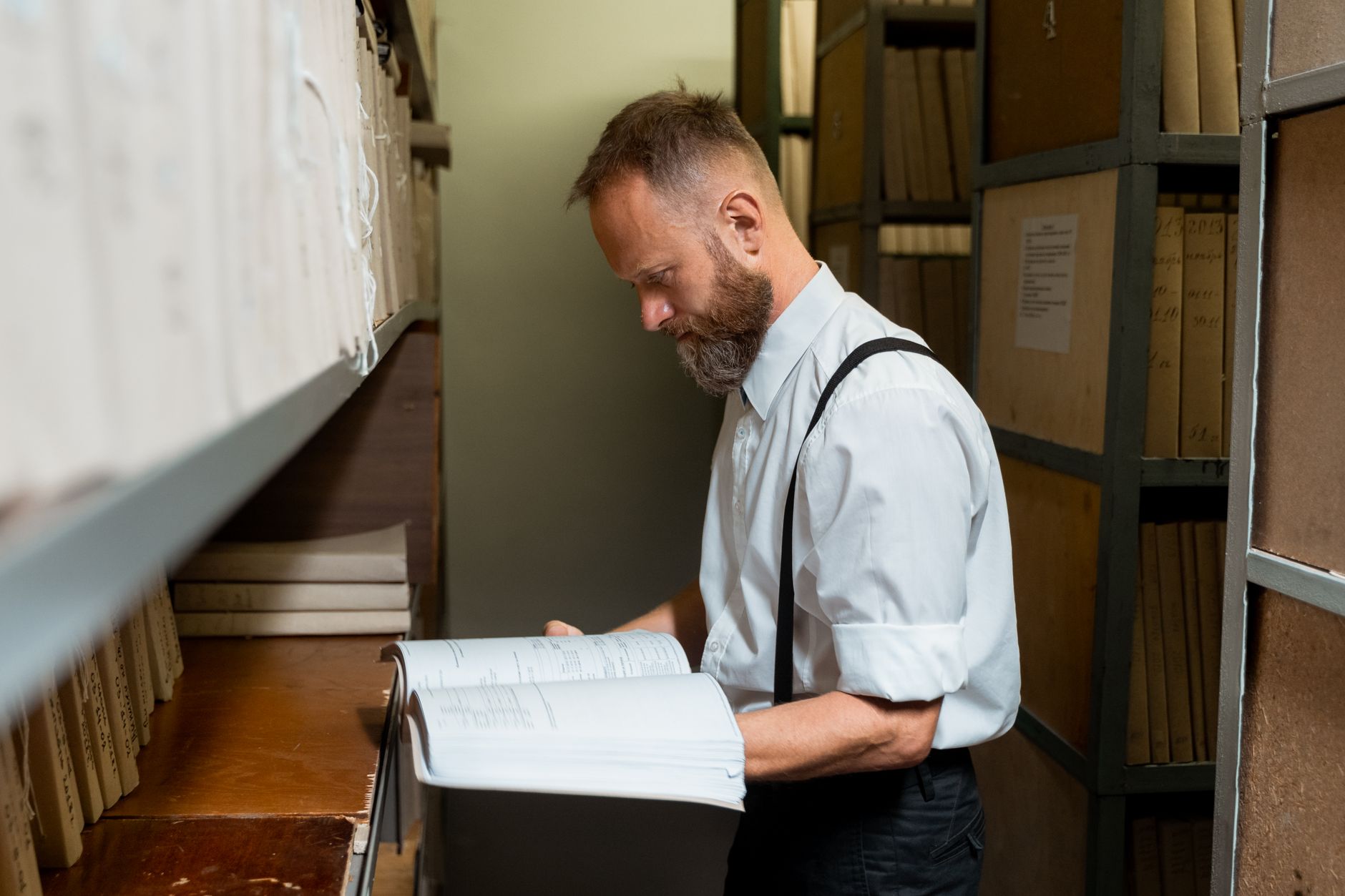
Archivists are writing better hooks than copywriters
The people running these accounts understand something fundamental: context is content. When the Library of Congress drops a 1920s photo with a three-paragraph caption explaining the exact social dynamics of the moment, it performs like investigative journalism. These aren't just pretty pictures with emoji captions. They're micro-essays from people who actually know what they're talking about, and audiences are starved for that kind of authority. The comment sections read like graduate seminars, which somehow makes them more engaging than another influencer's "thoughts on manifesting."

Museums have mastered the scarcity drop model
Cultural institutions possess the ultimate content advantage: finite, irreplaceable inventory that can't be replicated by competitors. When the Met announces they're digitizing a specific collection, it functions exactly like a Supreme drop—anticipated, time-sensitive, and genuinely scarce. Except instead of manufactured scarcity, it's actual historical artifacts that exist nowhere else. They've turned archival access into appointment viewing, and unlike influencer content that disappears into the feed, these posts have permanent research value. It's engagement that compounds rather than evaporates.

The aesthetic is pre-optimized for algorithm preferences
Archival photography and illustration hit every platform preference simultaneously: high visual contrast, uncluttered compositions, novelty that doesn't feel try-hard, and built-in nostalgic appeal. These images were designed to be looked at—by painters, scientists, the public—which means they already have visual clarity that influencer content struggles to manufacture. Museums aren't fighting the algorithm; they're pulling from collections that accidentally satisfy every engagement metric. A 19th-century botanical illustration outperforms a Ring Light selfie because it was made with different intentions entirely, and audiences can sense that difference immediately.

Cultural institutions have zero authenticity liability
While celebrities navigate parasocial collapse and influencers manage authenticity fatigue, museums have structural immunity to both. They're not selling a lifestyle or personal brand that can be exposed as manufactured. They're presenting objects and information, which means there's no gap between image and reality to exploit. When a museum account posts about a historical artifact, there's no question of whether they're being "real"—the artifact is real, the scholarship is real, and that's the entire value proposition. It's influence without the identity performance, and audiences are responding to that clarity with unusual loyalty.

The comment section has become the new lecture hall
Archive accounts have accidentally recreated intellectual community in a space designed for parasocial interaction. The comments aren't just reactions—they're contributions, corrections, additional context from specialists, and genuine curiosity from general audiences. These institutions have built what every media company claims to want: engaged communities that return daily and participate meaningfully. The difference is that museums and libraries earned this by respecting their audience's intelligence rather than pandering to assumed attention spans. Turns out, people will read 200-word captions if those words are worth reading, and they'll keep coming back for institutions that treat social media as public education rather than brand awareness.