The woman who played "Girl in Coffee Shop #2" on a 2003 episode of Gilmore Girls has 4.3 million TikTok followers. The extra who stood silently behind Tony Soprano in one scene built a six-figure brand consultancy. Fame used to require a speaking role. Now it requires receipts.
TikTok's recommendation algorithm doesn't recognize traditional celebrity hierarchies, which means the person who served Jennifer Aniston fake coffee on Friends set has the same viral potential as Aniston herself. Better potential, actually, because audiences trust anonymous sources more than PR-managed stars. Background players are cashing in on decades-old proximity to fame, and studios have no idea how to control the narrative anymore.
Extras Are Outperforming the Stars They Once Served
Former background actors are pulling bigger numbers than the A-listers they once stood behind. A woman who appeared in three Gossip Girl episodes as "Party Guest" has more engaged followers than several cast regulars. The appeal isn't nostalgia—it's access to unfiltered stories that publicists spent millions suppressing. Audiences would rather hear about Blake Lively's actual on-set mood from someone who has nothing to lose than read another sanitized magazine profile.

The Algorithm Rewards Proximity Over Achievement
TikTok's feed prioritizes "I was there" credibility above traditional accomplishments. An extra who watched one Sopranos scene being filmed 20 years ago has more authority than entertainment journalists who've covered the show for decades. The platform's structure makes adjacency to cultural moments more valuable than expertise. Someone who once handed Brad Pitt a prop newspaper is now a verified source on early 2000s Hollywood, with brand partnerships to match.
NDAs From 2004 Mean Nothing Anymore
Studios relied on non-disclosure agreements to control set stories, but most NDAs for background actors expired years ago or were never enforced. Now those same extras are revealing which stars refused to make eye contact, who showed up intoxicated, and what scenes were reshot because someone couldn't stop laughing. Legal teams are scrambling, but you can't sue someone for telling the truth after the contract window closed. The protected mythology of beloved shows is being dismantled by people who were paid $150 for the day.
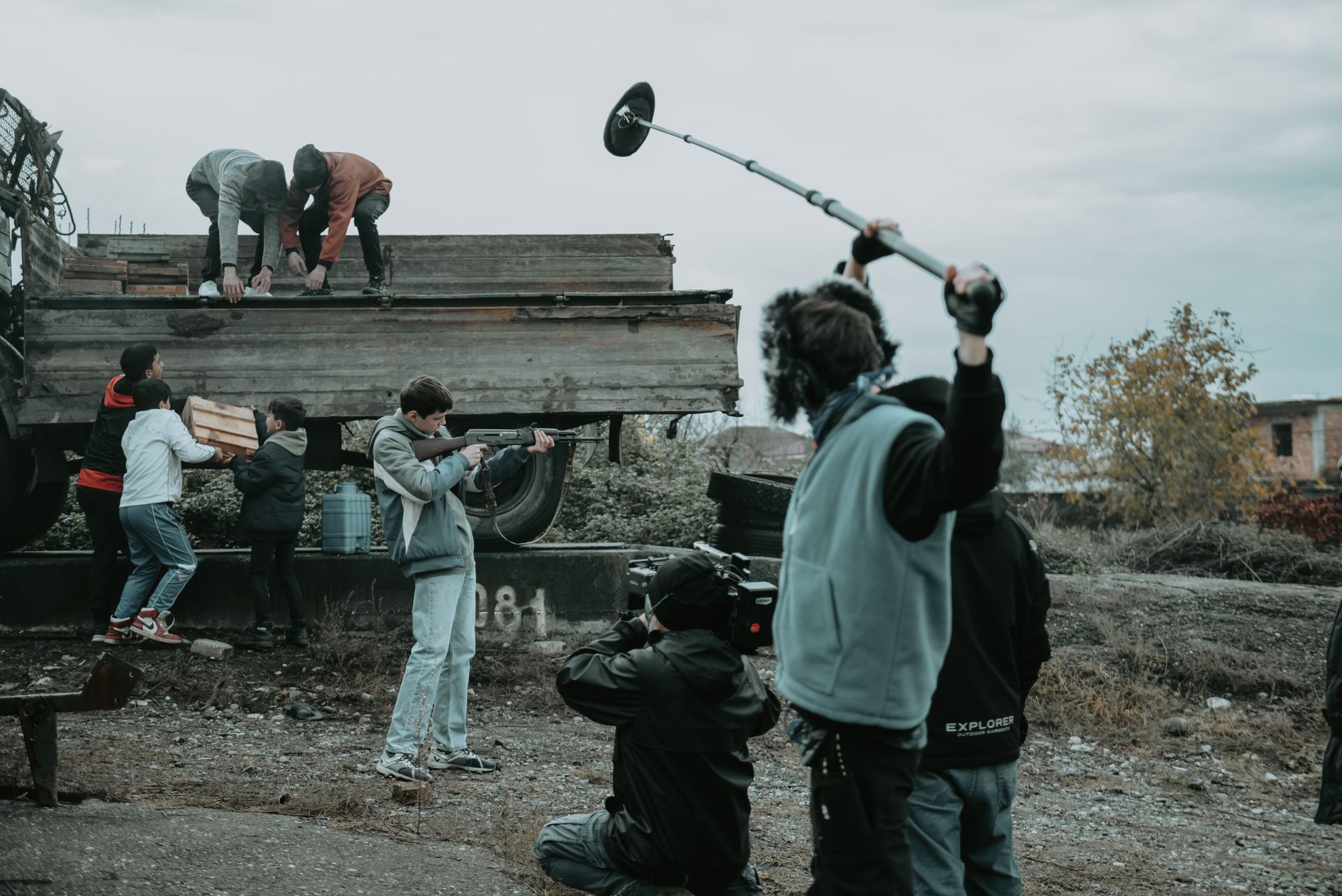
Fans Prefer Chaos to Curation
Audiences are exhausted by celebrities' perfectly managed personal brands and prefer the messy, unpolished accounts from set witnesses. A former extra's shaky iPhone video explaining how a iconic scene was actually a disaster behind the scenes gets more traction than the official press release about that same scene. People want confirmation that their favorite shows were held together by caffeine and luck, not the seamless magic that studios sell. Chaos is the new authenticity.

Background Fame Comes With Actual Money Now
These extras aren't just collecting followers—they're building businesses. Former background actors are launching TikTok Shop storefronts, consulting for entertainment brands, and getting paid for convention appearances. One woman who appeared in two Sex and the City episodes now charges $15,000 for brand partnerships. The creator economy doesn't distinguish between someone who had a three-second role and someone who starred in a series. If you can prove you were present for a cultural moment, you can monetize it.

Studios Are Tightening Current Contracts in Response
Production companies are rewriting background actor agreements to include lifetime NDAs and social media clauses that would make a tech startup blush. New contracts prohibit extras from mentioning they worked on a project, posting photos from set, or discussing any aspect of production—ever. The restrictions are likely unenforceable, but studios are trying anyway. They're attempting to close a barn door that's been open for 20 years, and background actors already on set are laughing about it on TikTok.
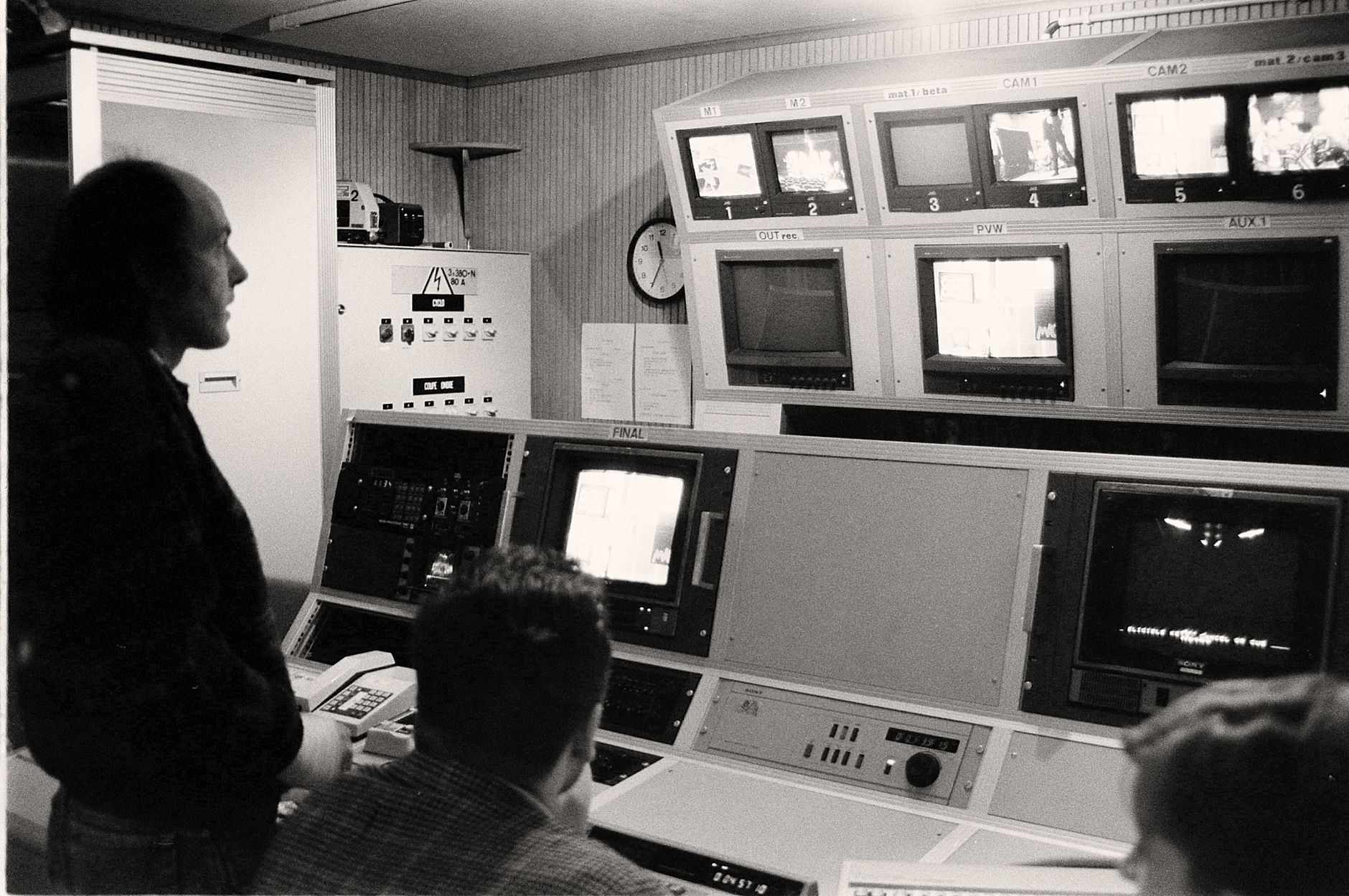
This Changes How We Understand Cultural Legacy
The official story of any cultural moment is now permanently contested by people who witnessed it from the margins. Background character fame means every show, every film, every iconic scene has multiple competing narratives—and audiences believe the unofficial ones more. Cultural legacy used to be written by winners and publicists. Now it's written by the person who stood in the background holding a fake briefcase, and their version is more compelling because it was never meant to be told.
- Extras Are Outperforming the Stars They Once Served
- The Algorithm Rewards Proximity Over Achievement
- NDAs From 2004 Mean Nothing Anymore
- Fans Prefer Chaos to Curation
- Background Fame Comes With Actual Money Now
- Studios Are Tightening Current Contracts in Response
- This Changes How We Understand Cultural Legacy