The bathroom cabinet has become a curated exhibition space. What was once private ritual is now public declaration—a carefully composed still life where Augustinus Bader sits next to vintage Biologique Recherche, each bottle a calculated signal of cultural literacy and disposable income.
This isn't vanity. It's portfolio management. The shelfie economy runs on visual fluency, where knowing consumers broadcast their research hours through brand selection and product stratification. Your routine is your résumé now, and everyone's hiring.

The $2,000 Bathroom Became Minimum Viable Credibility
Entry-level facial oils now cost what monthly groceries used to. The shift happened quietly—premium beauty stopped being aspirational and became foundational. If your bathroom doesn't contain at least three triple-digit products, you're not serious about skin, the logic goes. This is luxury's smartest trick: making $300 feel like table stakes.

Ingredient Fluency as Social Capital
Knowing your peptides from your ceramides is the new dinner party flex. The beauty consumer has evolved into amateur biochemist, dropping "niacinamide" and "tranexamic acid" with the casual authority once reserved for wine varietals. This knowledge economy rewards research, and the shelfie is the visual proof you've done the homework. Ignorance isn't bliss—it's simply expensive.
The Strategic Emptiness of Minimalist Shelves
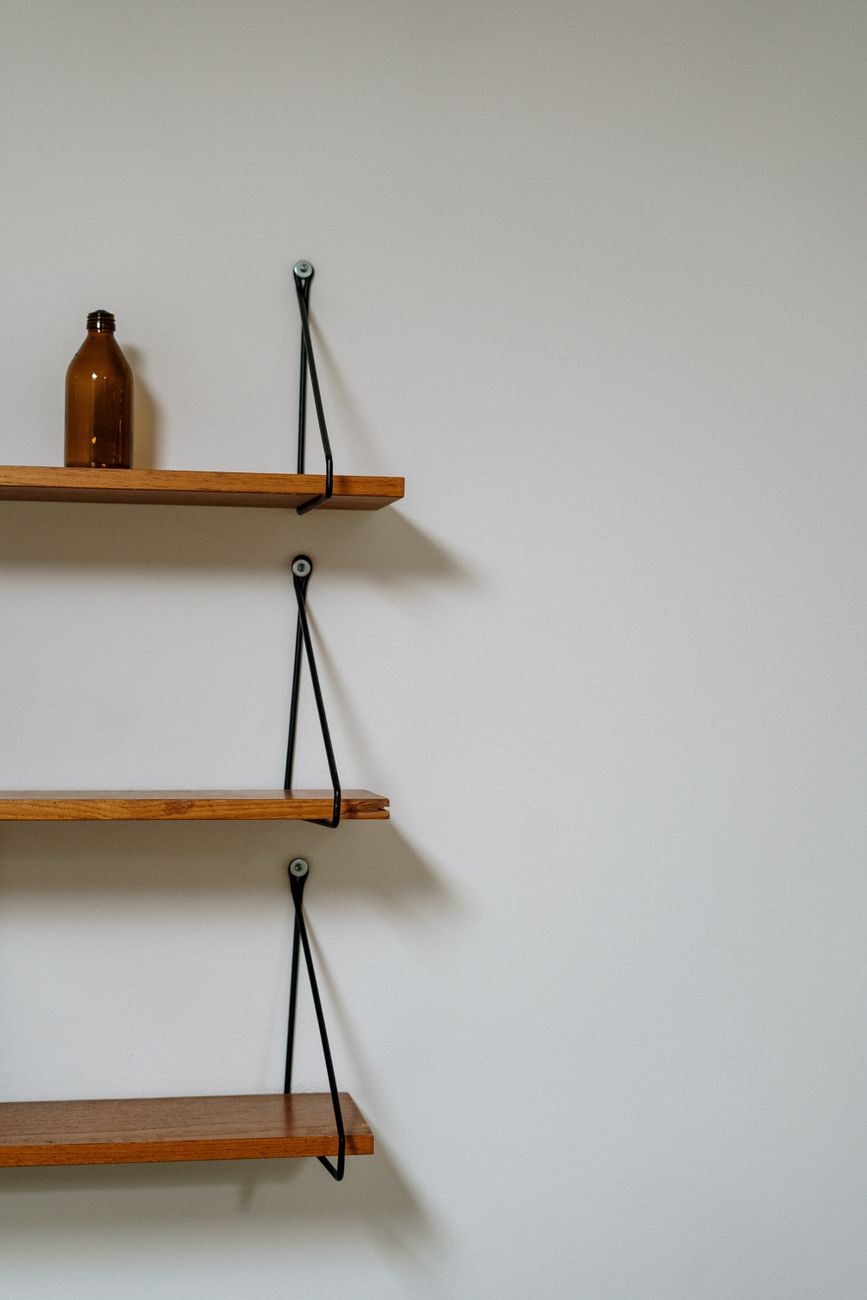
Counterintuitively, the emptier your shelf, the wealthier you signal. Three perfect products—a $180 serum, a $90 cleanser, a cult French pharmacy cream—communicate more than seventeen mid-tier options ever could. This is curation as wealth indicator, the visual grammar of someone who can afford to edit ruthlessly. Space costs more than abundance now.

Vintage Beauty as Investment Asset Class
Discontinued Crème de la Mer formulations and original Bioeffect packaging have become collectibles. The shelfie arms race extends backward in time, with beauty historians hunting pre-reformulation products like rare vinyl. This nostalgia play signals depth of knowledge and access to archived luxury. Your grandmother's cold cream suddenly feels like cultural capital.
Eastern European Pharmacy Imports Show Research Depth
Georgian snail serums and Czech spa treatments signal you've gone beyond Sephora. The true beauty insider sources from Tbilisi pharmacies and Hungarian thermal spas, products that require Reddit threads and international shipping. This is adventurer credibility—proof you'll chase efficacy across borders and language barriers. Accessibility is for amateurs.

The Dermatologist Cosplay Aesthetic
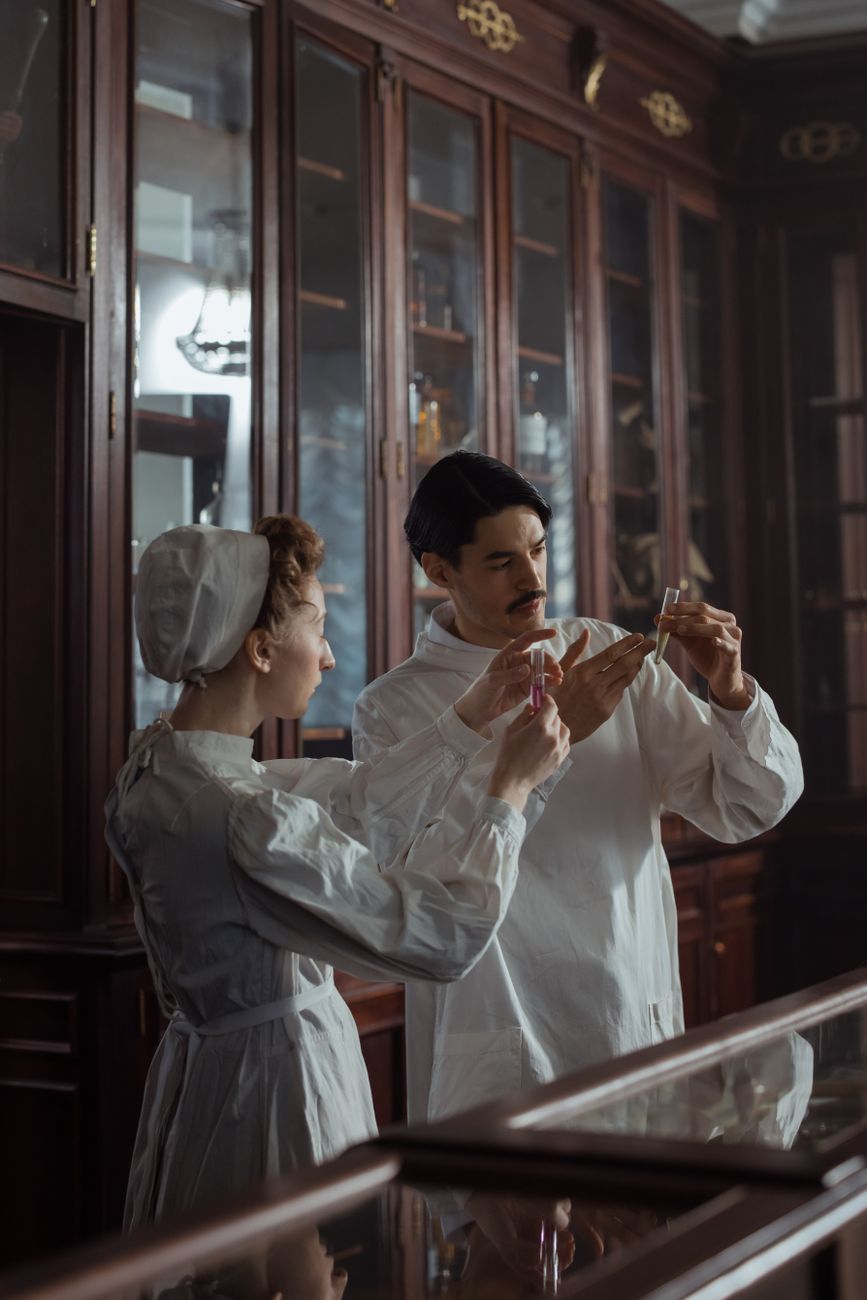
Clinical packaging has become aspirational. Products that look like they belong in a physician's office—austere bottles, pharmaceutical fonts, ingredient-forward naming—now dominate premium shelves. This medical theater suggests seriousness and science over indulgence. Your bathroom isn't a spa anymore; it's a treatment room, and you're both doctor and patient.
The 16-Step Routine as Performance Art
Korean beauty's cascading ritual has calcified into competitive sport. The complexity itself became the point—more steps signal more commitment, more investment, more care. This is conspicuous consumption through labor, where the time spent becomes as valuable as the products applied. Your routine isn't efficiency; it's dedication made visible, one essence at a time.
Refillable Luxury Signals Conscious Wealth
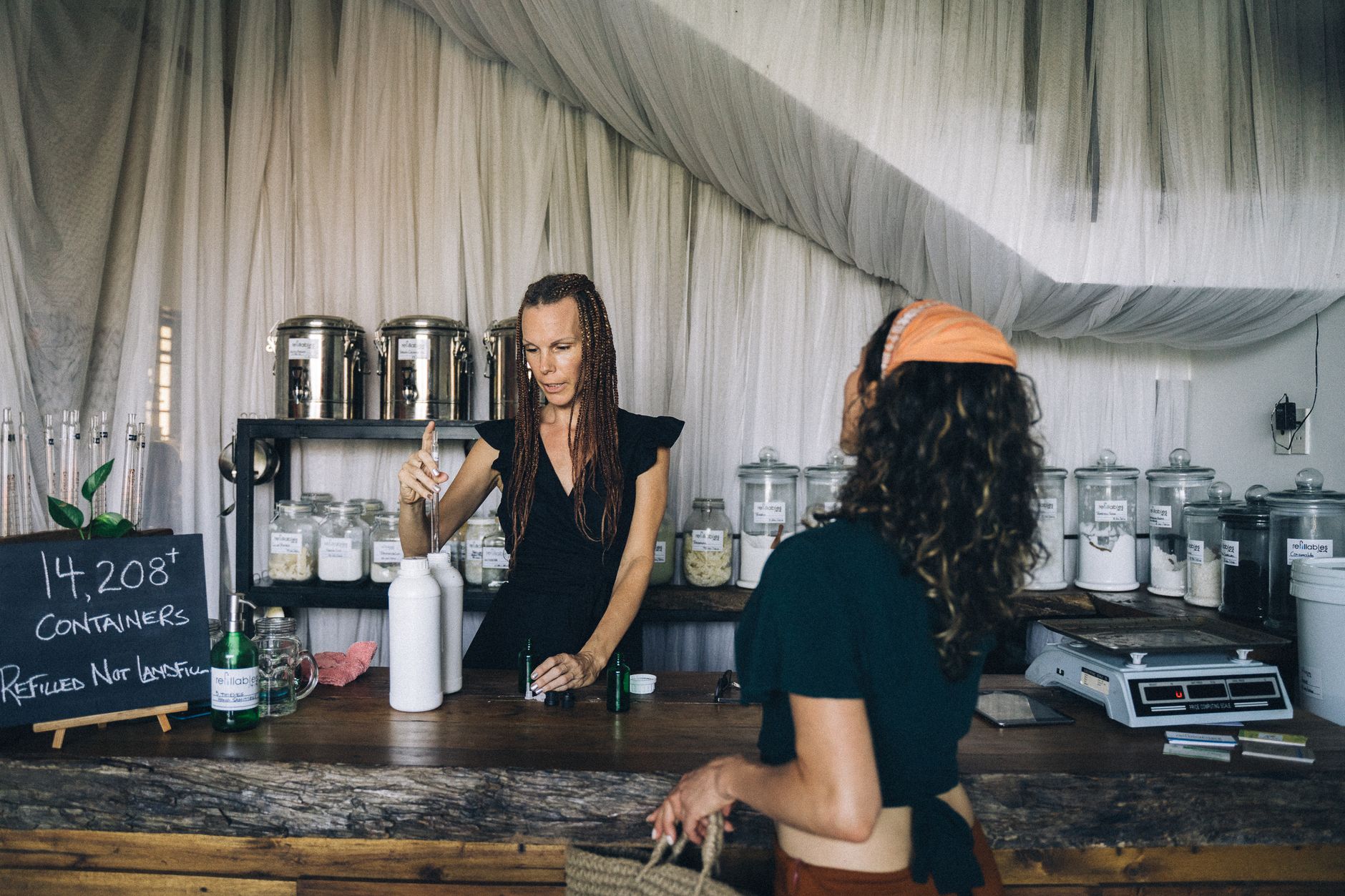
The newest flex is virtue. Refillable systems from Hermès and Chanel allow sustained luxury with environmental optics. This is having it both ways—the premium price point plus the moral high ground. The shelfie now codes for someone wealthy enough to care about waste, sophisticated enough to choose the harder option. Sustainability, when expensive, is simply another status layer.
- The $2,000 Bathroom Became Minimum Viable Credibility
- Ingredient Fluency as Social Capital
- The Strategic Emptiness of Minimalist Shelves
- Vintage Beauty as Investment Asset Class
- Eastern European Pharmacy Imports Show Research Depth
- The Dermatologist Cosplay Aesthetic
- The 16-Step Routine as Performance Art
- Refillable Luxury Signals Conscious Wealth