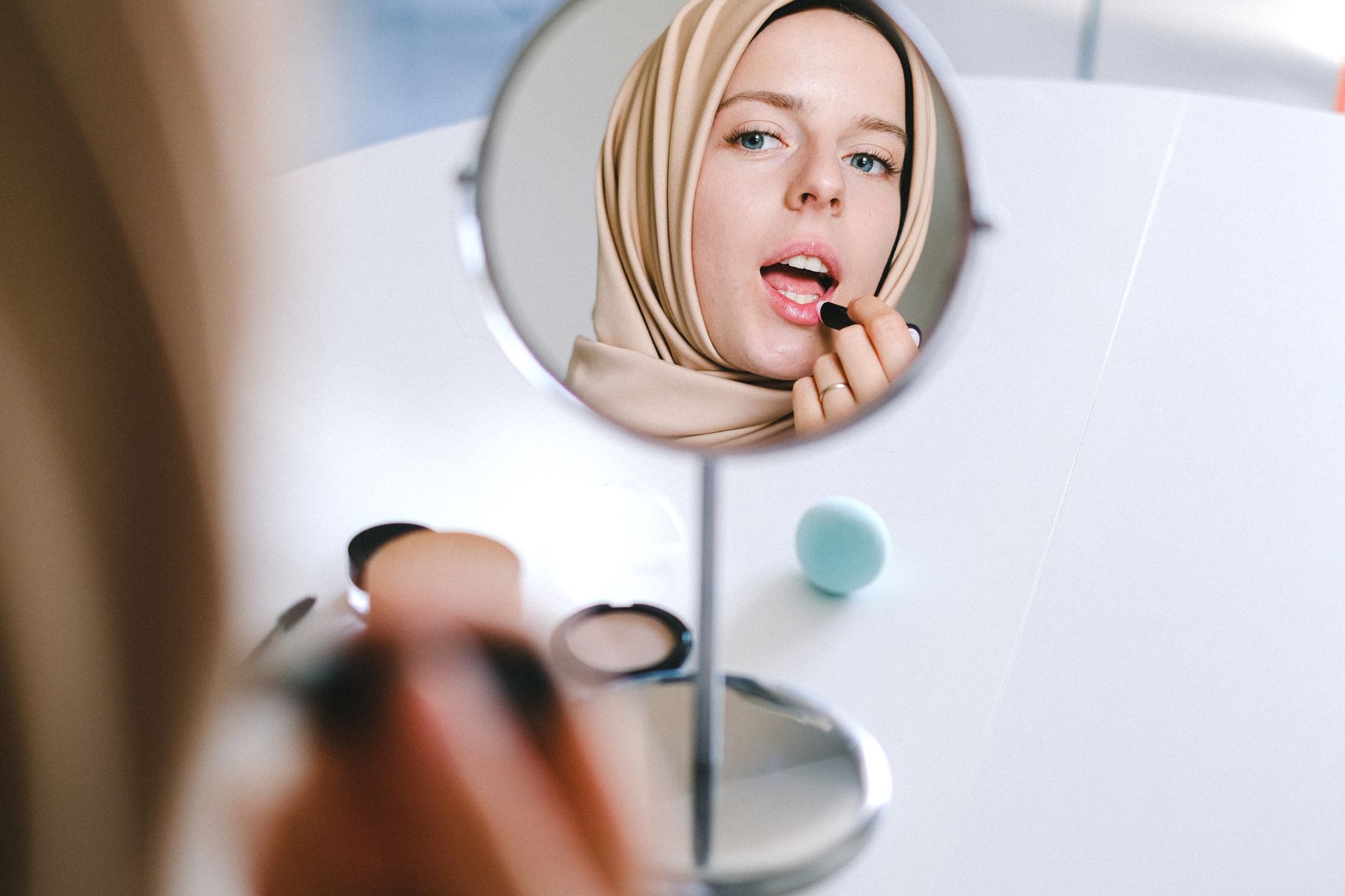
Scroll through Instagram and witness a curious phenomenon: thousands of faces, all different bone structures and backgrounds, somehow arriving at the exact same look. Caramel contour. Espresso liner. That specific shade of nude lip that reads as "no makeup" but requires seventeen products. This isn't coincidence. It's algorithmic homogeny dressed up as personal choice.
The latte makeup aesthetic—named for its monochromatic brown palette and frothy aspirational sheen—has become the dominant visual language of beauty content. What started as an antidote to Instagram's previous maximalist excess has calcified into its own oppressive monoculture. Here's how one look conquered every face, and what it reveals about the economies of aspiration online.
The Algorithm Demands Sameness
Instagram's engagement architecture doesn't reward originality—it rewards recognition. The platform's recommendation engine amplifies content that looks like content people have already engaged with, creating a feedback loop where deviation gets punished with obscurity. Creators didn't choose beige maximalism because it's inherently superior; they chose it because it's what the algorithm surfaces, and what the algorithm surfaces becomes the only visible option.
Charlotte Tilbury's Long Game
One brand quietly architected this entire aesthetic, then positioned itself as the premium solution to the need it manufactured. Charlotte Tilbury's "Pillow Talk" empire didn't just sell products—it sold a complete visual identity that translated seamlessly to phone cameras and required constant repurchasing. The genius was making expensive look effortless, turning aspiration into a beige prison that costs $89 per bronzer.
The Hailey Bieber Effect
When celebrity beauty morphed from "what stars wear on red carpets" to "what they look like getting coffee," the goalposts shifted. Hailey Bieber's glazed donut skin and Rhode phone cases became north stars for an entire generation of beauty consumers who wanted to look casually expensive rather than formally glamorous. The irony: achieving "no-makeup makeup" now requires more skill, more products, and more consumption than the bold looks it replaced.
Every Face, One Filter
The darkest consequence of latte makeup's dominance is how it flattens difference into sameness. TikTok tutorials promise "clean girl" or "vanilla girl" aesthetics will work for everyone, but the underlying assumption is that everyone should want to look the same specific way: vaguely Mediterranean, racially ambiguous, expensively understated. It's homogenization wearing the mask of aspiration, where "elevated" means erasing the specificity that makes individual faces interesting.
The Beige Product Explosion
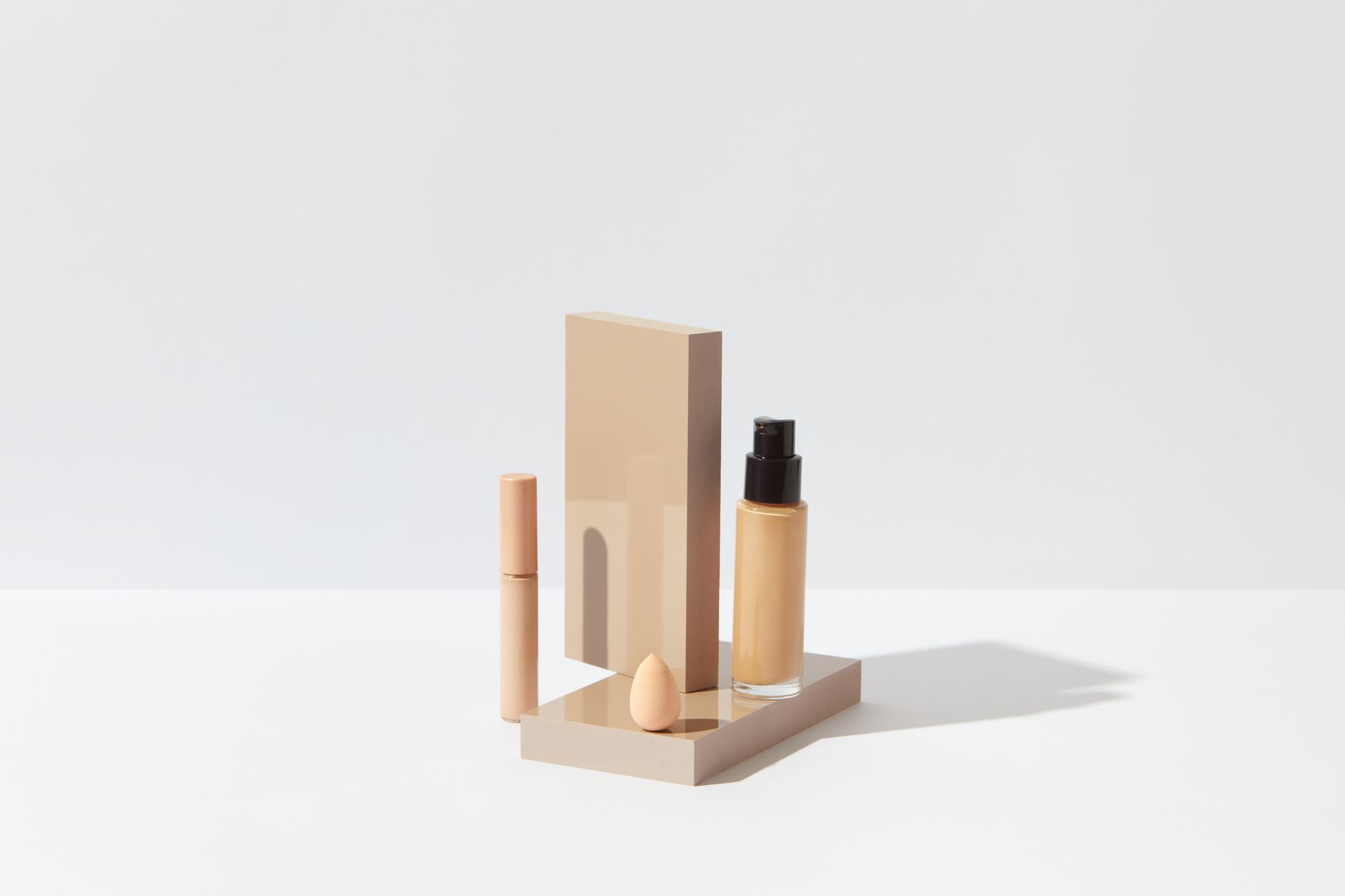
Beauty brands now release seventeen versions of the same taupe eyeshadow, each with a different marketing story but identical function. This artificial scarcity creates consumption without satisfaction—you buy "latte," then "chai," then "macchiato," chasing a difference that doesn't materially exist. The market has successfully convinced consumers that subtle variation equals collection-building necessity, turning minimalist aesthetics into maximalist purchasing behavior.

The Death of Experimentation
When one look dominates this completely, the perceived risk of trying something different becomes too high. Beauty creators report that colorful, experimental content performs poorly compared to beige-on-beige tutorials, so they stop making it. Consumers stop seeing alternatives, assume they don't exist, and the cycle reinforces itself. The algorithm didn't just choose a winner—it eliminated the possibility of competition.
The Luxury Trap
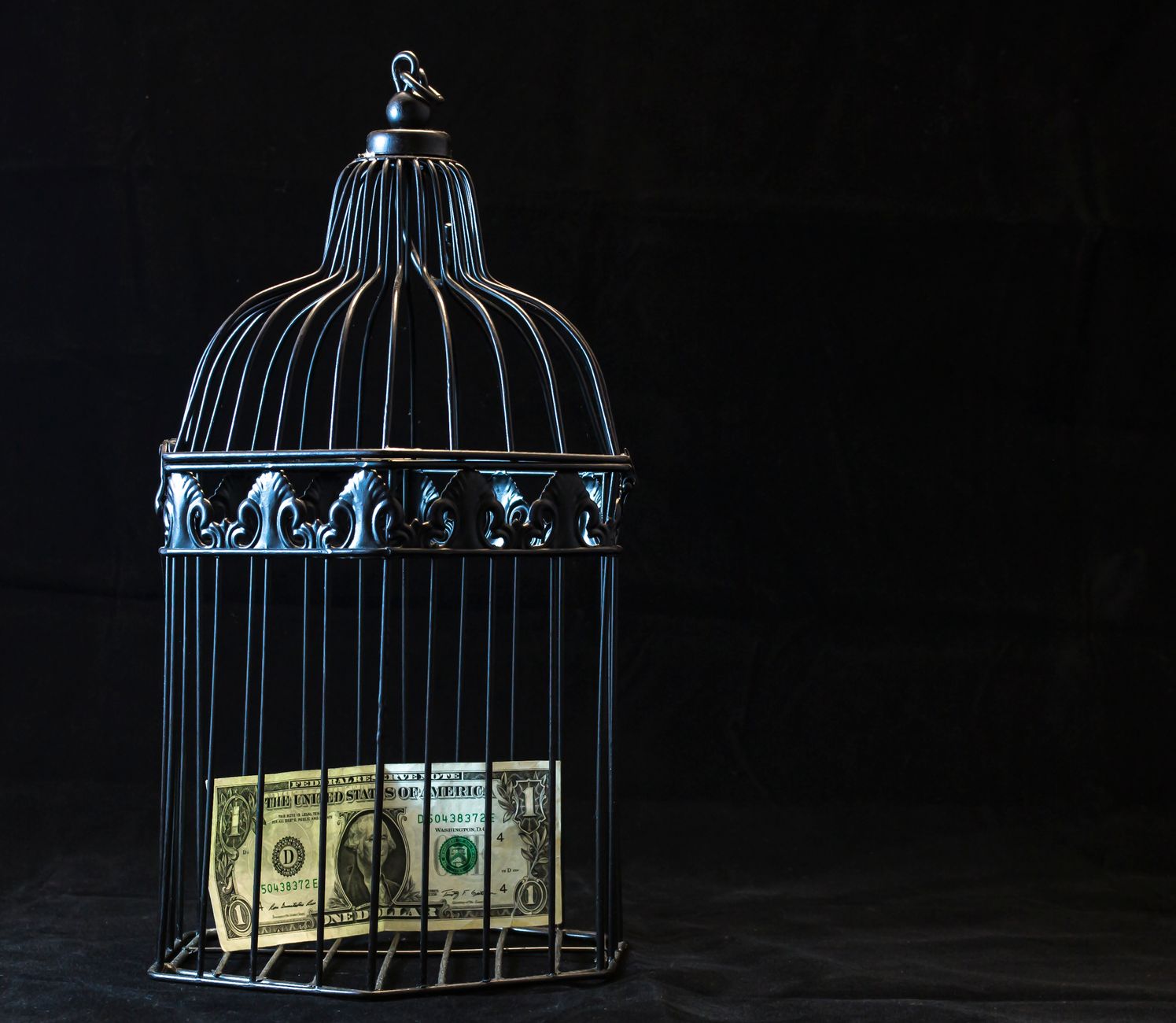
Latte makeup's genius is making affordable beauty look cheap. The aesthetic codes as expensive even in execution—specific textures, specific finishes, specific levels of blending that require time and technique. Drugstore versions of the same brown shades read as "wrong" because the look's entire appeal is its association with luxury. It's aspiration as gatekeeping, where the aesthetic only works if it signals you can afford the real thing.
The Backlash Is Already Here
Gen Z's younger cohort is already rejecting the beige hegemony, gravitating toward chaotic maximalism and intentionally "ugly" makeup that refuses to optimize for algorithmic approval. Blush applied badly on purpose. Clashing colors. Visible texture. It's too early to know if this is genuine rebellion or just the next aesthetic cycle, but the exhaustion with performative minimalism is palpable. Every monoculture eventually collapses under its own monotony.