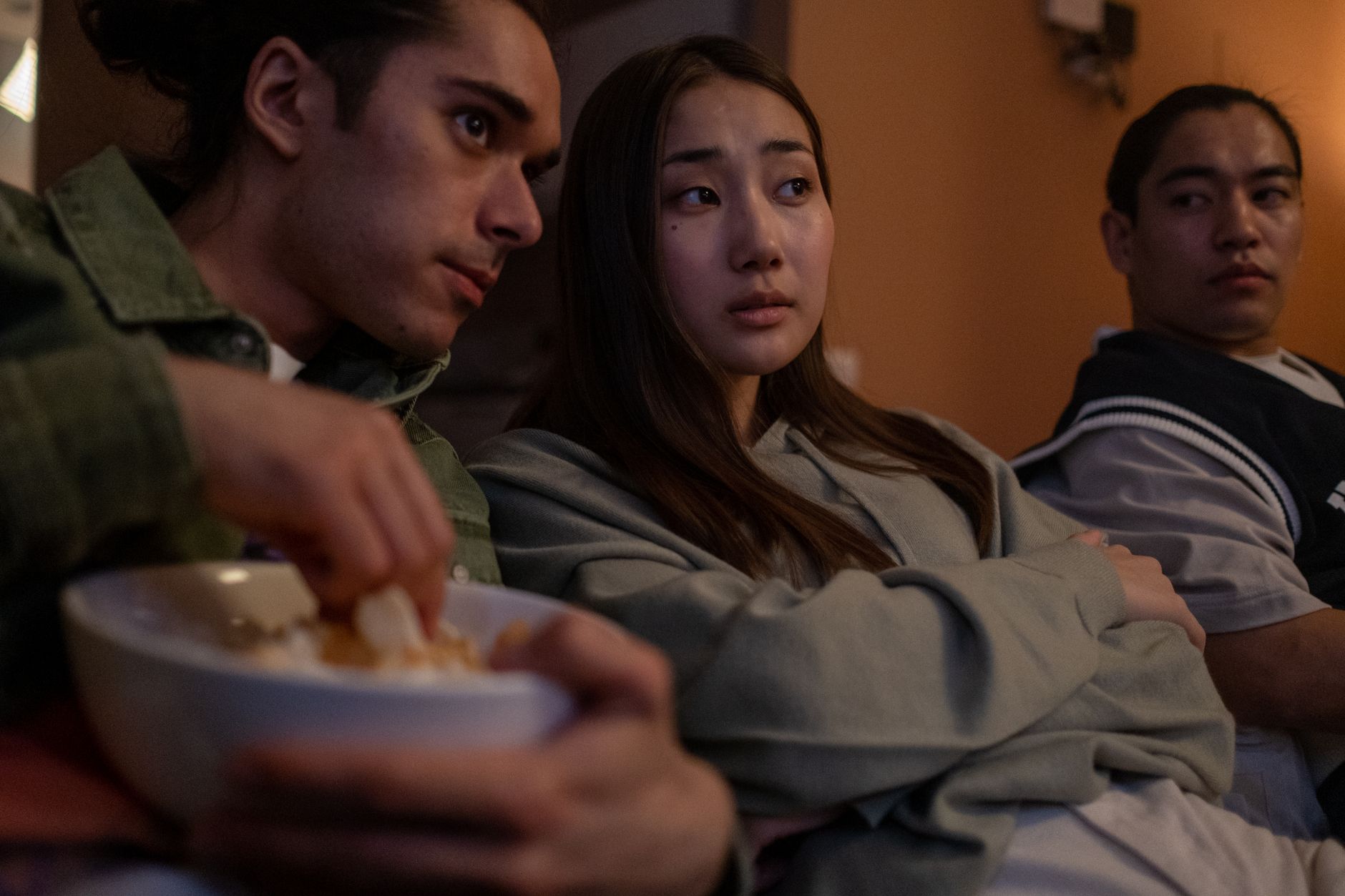
Remember when Netflix upended television by releasing entire seasons at once? When waiting a week between episodes felt like a relic from your parents' generation? That era just entered its death rattle.
The same platforms that trained us to consume seasons in 48-hour fever dreams are now forcing us back into appointment viewing. Not because they suddenly care about savoring storytelling, but because the economics of streaming have fundamentally shifted. Here's how the industry is abandoning the model it spent a decade evangelizing.
Netflix splits its biggest shows after swearing it never would
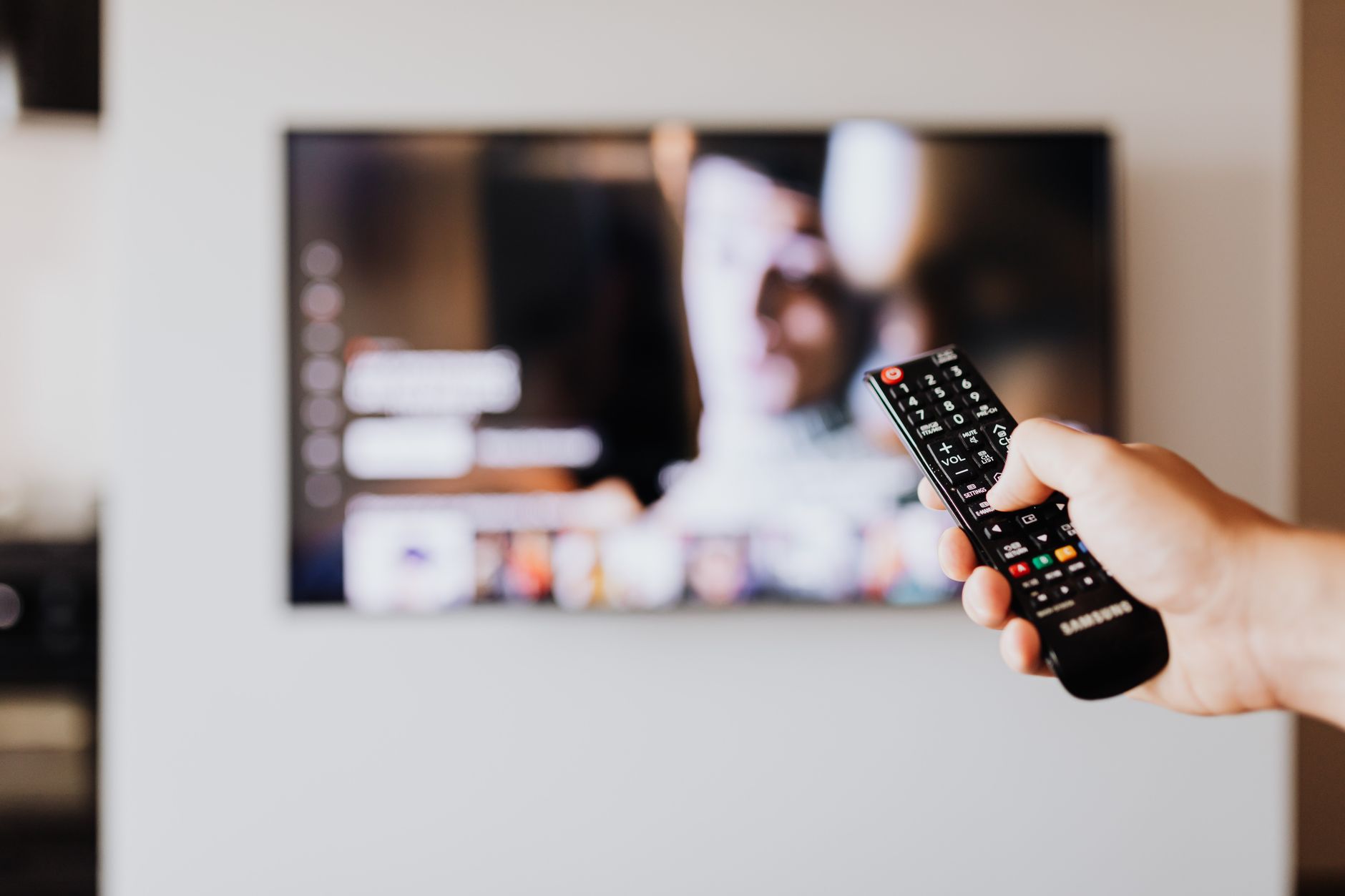
The company that built its empire on "watch it all now" just split Stranger Things season four into two volumes. Then did it again with Bridgerton season three. Netflix execs spent years insisting binge releases were core to their identity—until subscriber growth flatlined and they realized dropping everything at once meant viewers binged, canceled, and disappeared. Weekly drops keep people subscribed longer. The about-face is breathtaking in its cynicism.
Apple and Disney never really believed in binging anyway
Apple TV+ and Disney+ launched with weekly episode rollouts while Netflix was still preaching the binge gospel, and suddenly they look prescient instead of old-fashioned. The Bear, Severance, Andor—these shows dominated conversation for months precisely because they metered out episodes. Disney's Bob Iger recently admitted weekly releases drive "more engagement and retention" than dumps. Translation: they keep you paying monthly instead of churning after a weekend binge.

The water-cooler effect actually matters for cultural relevance
When House of the Dragon aired weekly on HBO, it generated nine weeks of social media discourse, think pieces, and Reddit theories. When Netflix dropped The Witcher season three all at once, it barely registered beyond release weekend. Streamers finally grasped what legacy TV always knew: stretched-out releases create sustained cultural moments. Binge drops might feel generous, but they're cultural suicide. One big splash versus weeks of trending hashtags? The math isn't complicated.

Creators are relieved the binge tyranny is ending
Showrunners have quietly loathed binge releases for years—they eliminate cliffhangers, reduce fan theorizing, and make every episode feel disposable. Vince Gilligan admitted Breaking Bad would have failed under the Netflix model because viewers wouldn't have had time to process and discuss each twist. Now creators are getting their wish: studios are letting them write for weekly anticipation again instead of treating seasons like eight-hour movies. The art is better for it, even if your patience isn't.

The real reason is stopping password sharing and subscription hopping
Strip away the PR spin about "savoring stories" and here's the truth: weekly drops make it harder to borrow someone's login for a weekend binge and bounce. If The Last of Us takes nine weeks to finish, you can't just freeload for one billing cycle. Streamers are hemorrhaging money, cracking down on account sharing, and weekly releases are another retention tool disguised as creative choice. They're not doing this for your benefit or the art form's—they're doing it because their business model is broken and this buys them time.
- Netflix splits its biggest shows after swearing it never would
- Apple and Disney never really believed in binging anyway
- The water-cooler effect actually matters for cultural relevance
- Creators are relieved the binge tyranny is ending
- The real reason is stopping password sharing and subscription hopping