Blotting papers are gathering dust in makeup bags across continents. The beauty industry has pivoted hard from its decade-long war against facial oil, and the result is a glossy, dewy, almost wet-look finish that would have horrified Instagram circa 2016. What was once evidence of makeup failure is now the desired outcome.
This isn't just about finish. It's about a fundamental shift in how skin is valued—away from airbrushed perfection toward something that actually looks alive. The products, techniques, and visual language of beauty have all recalibrated to celebrate shine, and the numbers prove it's not a passing moment.
Korean Glass Skin Rewired Western Beauty Standards
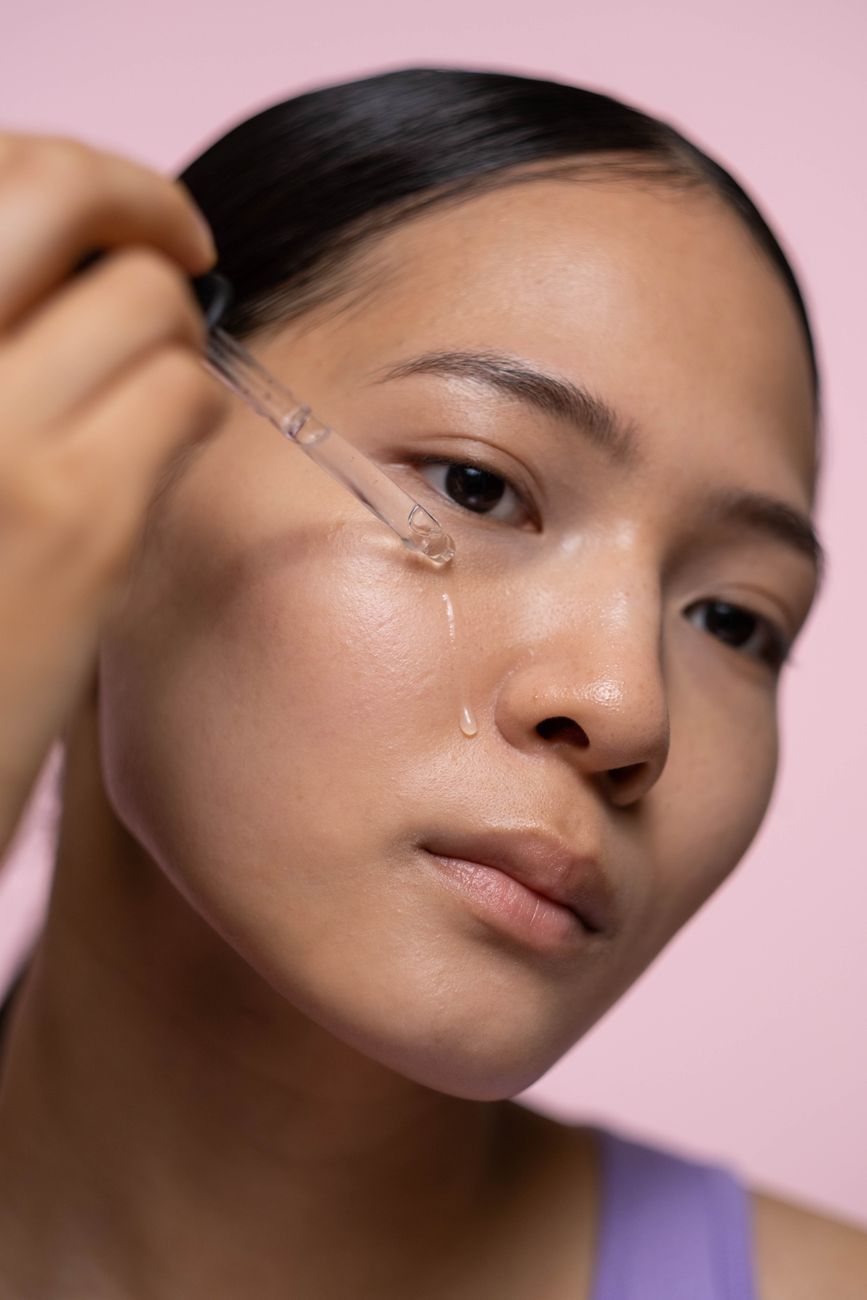
Korean beauty's glass skin philosophy didn't just introduce new products—it demolished the matte-finish orthodoxy that dominated Western makeup for years. The ten-step routines, essence-soaked and gleaming, taught a generation that visible moisture wasn't something to blot away but to build toward. Now, brands from Glossier to Charlotte Tilbury engineer their foundations for sheen, and the aesthetic has become so normalized that matte foundations occupy shrinking shelf space.

Skin Care Became the Status Symbol, Not Coverage
When affluent consumers started spending four figures on serums and facial oils, the logic of hiding skin under powder collapsed. The new flex is expensive-looking skin itself—hydrated, plump, reflective. Visible oil signals investment in skin care, not neglect. This shift turned blotting into an act of waste, literally erasing the evidence of your La Mer routine.

Powder Set a Face, Oils Sell a Lifestyle
Setting powder was always functional—control, endurance, mattification. Face oils, by contrast, carry aspirational weight. They photograph beautifully, feel luxurious, and come in those covetable glass bottles with droppers. The ritual of patting oil into skin reads as self-care; dusting powder reads as damage control. One connotes wellness, the other suggests problems to solve.
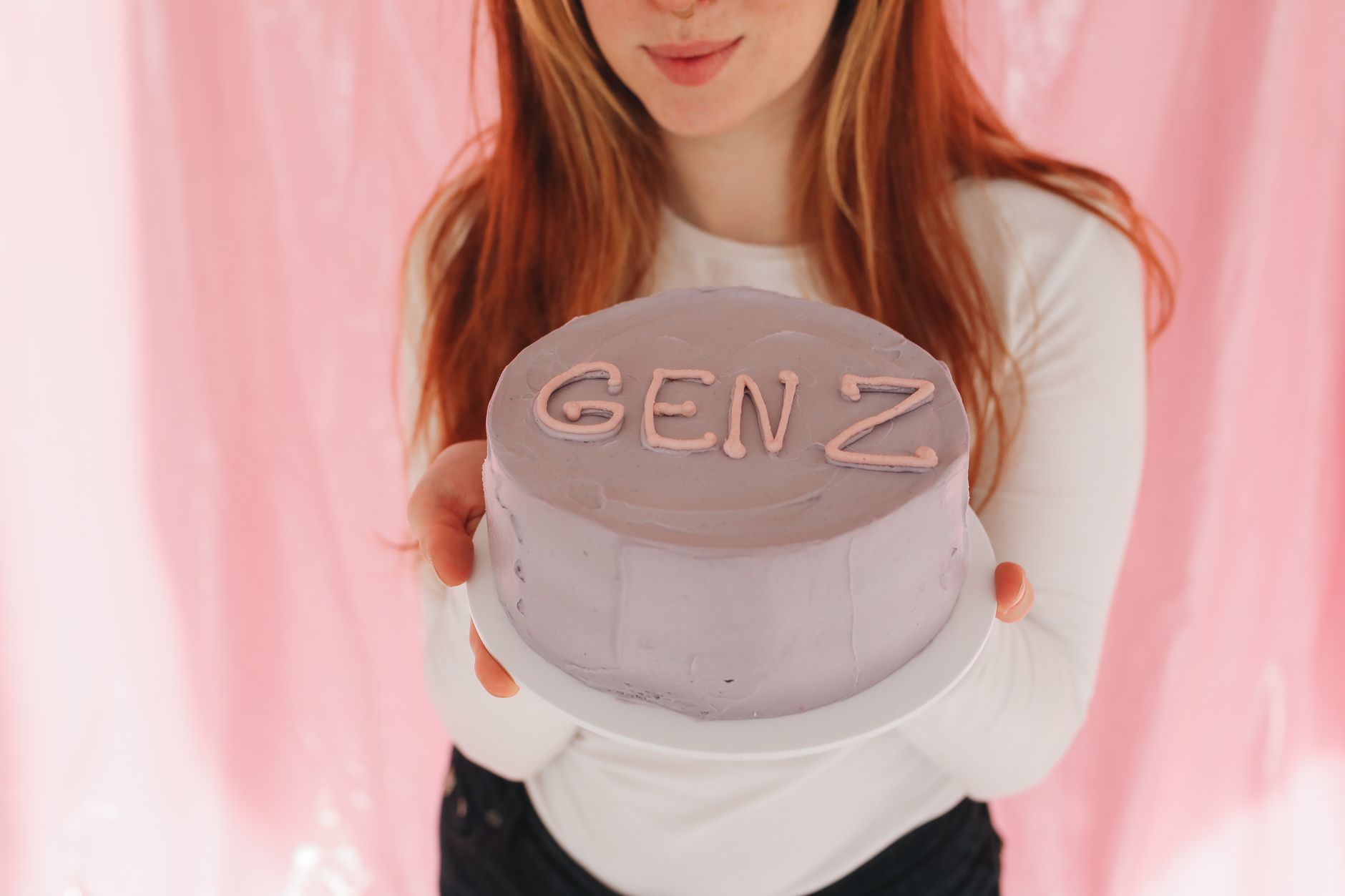
Gen Z Rejected the Filtered Aesthetic Entirely
The generation that grew up with FaceTune is now deliberately posting unfiltered, oil-slicked selfies as a corrective. They watched millennials chase poreless perfection and decided shine was more honest. This isn't about low-maintenance beauty—these looks require product layering and technique—but about an aesthetic that acknowledges skin as a living organ. Blotting papers feel like a relic of Instagram's first era, when everyone was trying to look like a ring light.
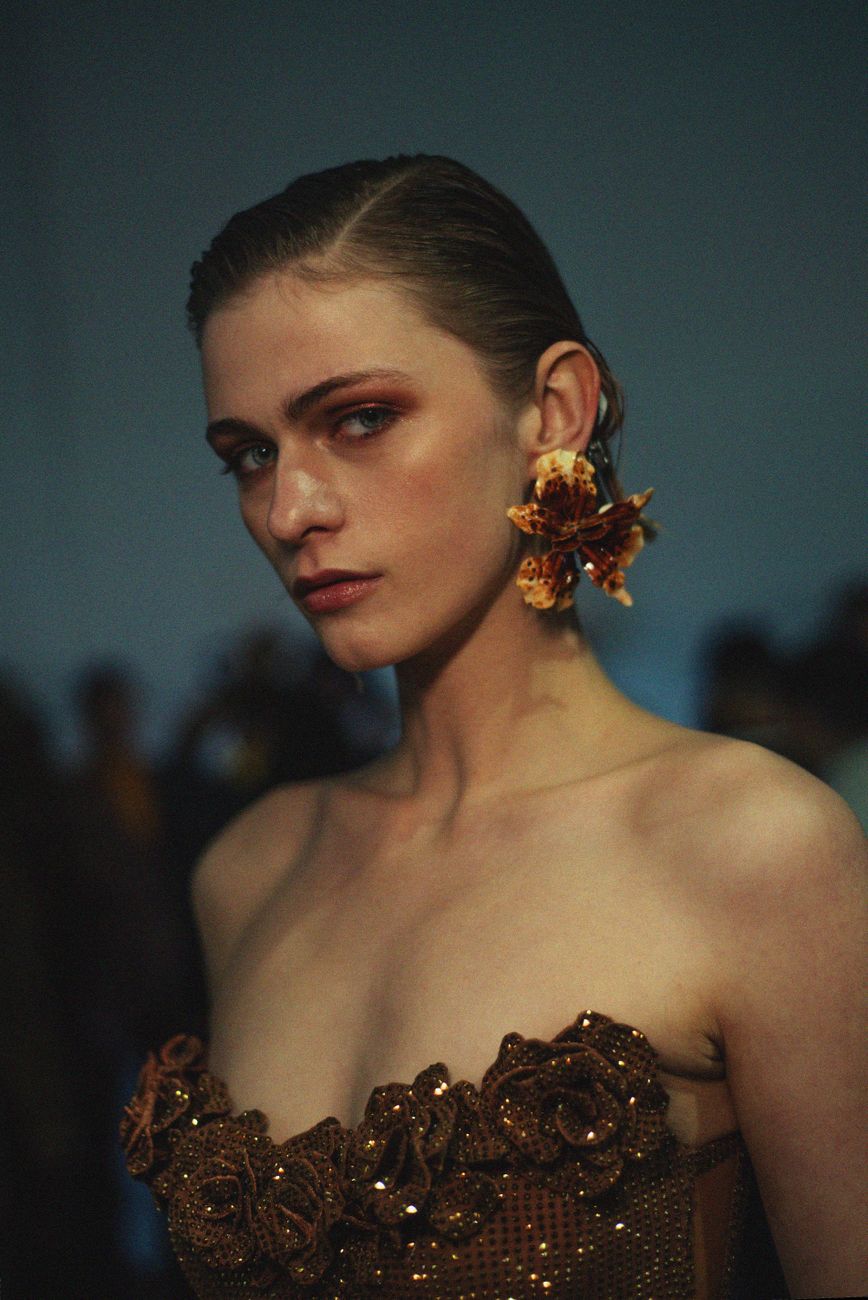
The Runway Made Sweat Look Expensive
Makeup artists at Valentino, Ferragamo, and The Row have spent recent seasons shellacking models with balm until they look almost damp. This deliberately exaggerated shine—bordering on greasy—reframes oil as editorial, even avant-garde. When high fashion endorses the wet look, it gives permission for shine everywhere else. The message is clear: in 2025, a powdered face is the one that looks unfinished.