Magnetic lashes promised a world without glue, without fuss, without the existential dread of watching a falsie peel off mid-conversation. What they delivered was something closer to novelty windshield wipers perched on your lash line—visible, heavy, and deeply unconvincing.
The technology never evolved past its fundamental flaw: weight. No matter how many micro-magnets brands engineered or how thin they shaved the band, the end result always looked like exactly what it was—something clipped onto your face. Now, as major brands quietly discontinue their magnetic lines and beauty counters rearrange their displays, the industry is finally ready to move on. Here's what killed them and what's taking their place.
The Band Problem Was Never Solved
Every magnetic lash relied on a visible band to house the magnets, and that band never disappeared. Traditional strip lashes got thinner and more flexible over the years; magnetic versions stayed stubbornly present, creating a hard line across the lid that no amount of eyeliner could camouflage. The weight distribution meant they sat on top of your lashes rather than blending with them, creating that telltale double-lash-line effect that immediately read as artificial. The format couldn't evolve because the technology required the bulk.

Lash Extensions Became Accessible Enough to Compete
While magnetic lashes stagnated, lash extension technology sprinted ahead. Individual cluster extensions you can apply at home arrived with better adhesives, lighter materials, and actually convincing results. Brands like Lashify and Falscara built entire systems around individual lash application that takes roughly the same time as wrestling with magnetic strips but looks exponentially better. When the at-home alternative delivers professional-looking results, there's no reason to tolerate the magnetic compromise.

Beauty Moved Toward Invisible Enhancement
The broader beauty conversation shifted under magnetic lashes without them noticing. Lash lifts, brow lamination, skin cycling—everything trending right now is about enhancing what's already there rather than adding obvious product. Magnetic lashes were inherently maximalist in an era that started valuing restraint. They required you to accept visible artifice at exactly the moment when "your face but better" became the dominant aesthetic philosophy. The cultural timing couldn't have been worse.

The Application Was Still Fussy Despite the Promise
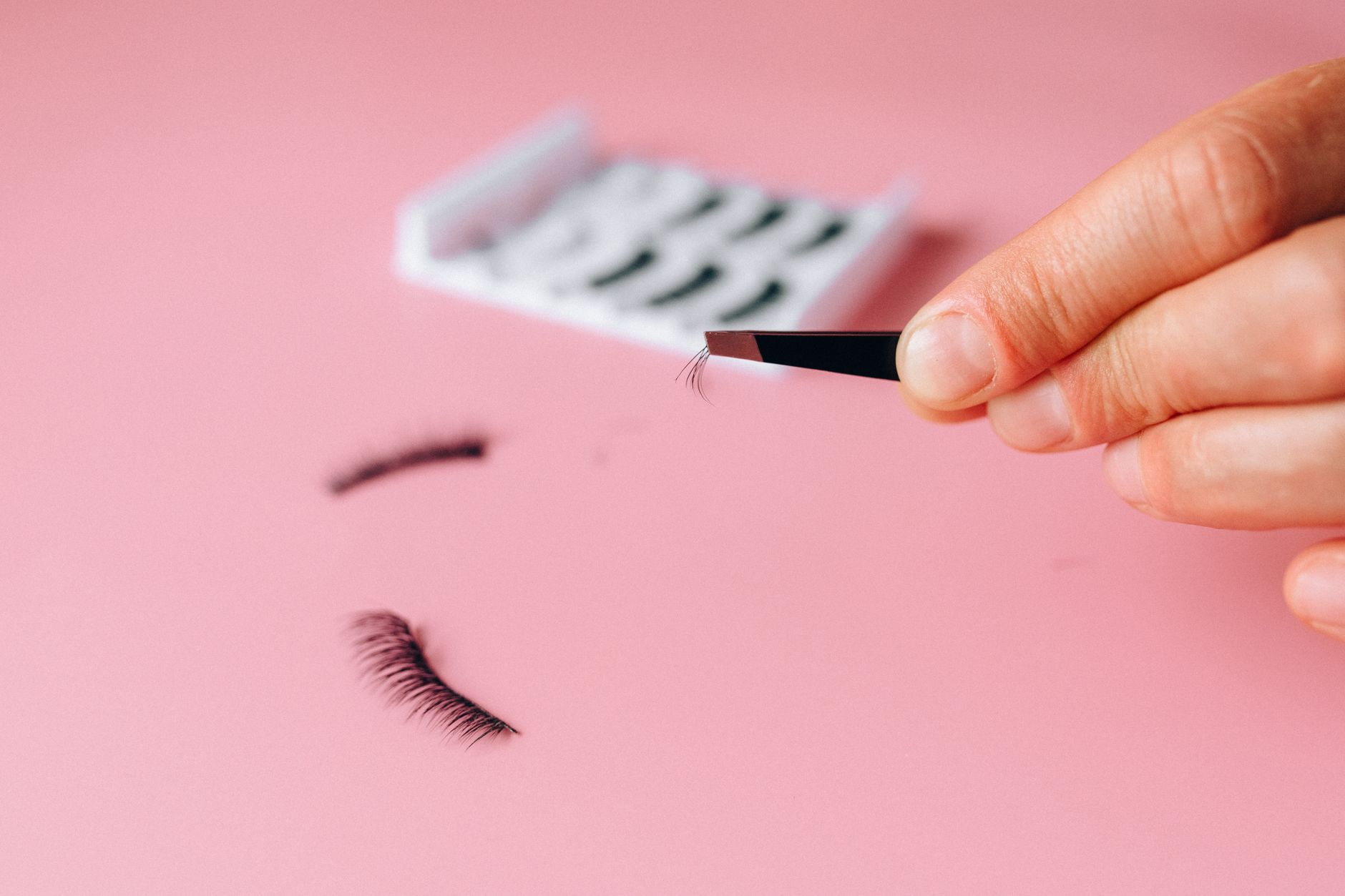
The original pitch was convenience: no glue, no mess, snap them on and go. The reality involved positioning magnets with tweezers, readjusting when they clicked together crooked, and the creeping anxiety that they'd detach at an inopportune moment. Strip lash application with modern adhesives is now genuinely easier—the glues dry faster, hold longer, and remove cleaner. Magnetic lashes solved a problem that had already been fixed by better chemistry, making their core value proposition obsolete.
Brands Are Pivoting to Lash Serums and Tints
Where shelf space once went to magnetic lash sets, brands are now doubling down on growth serums and semi-permanent tints. The investment shifted from tools you apply daily to treatments that improve your actual lashes over time. RevitaLash, GrandeLASH, and prescription options like Latisse are claiming the territory magnetic lashes tried to occupy, offering enhancement without the daily ritual or visible hardware. It's a fundamentally different approach—one that treats lashes as something to cultivate rather than disguise.