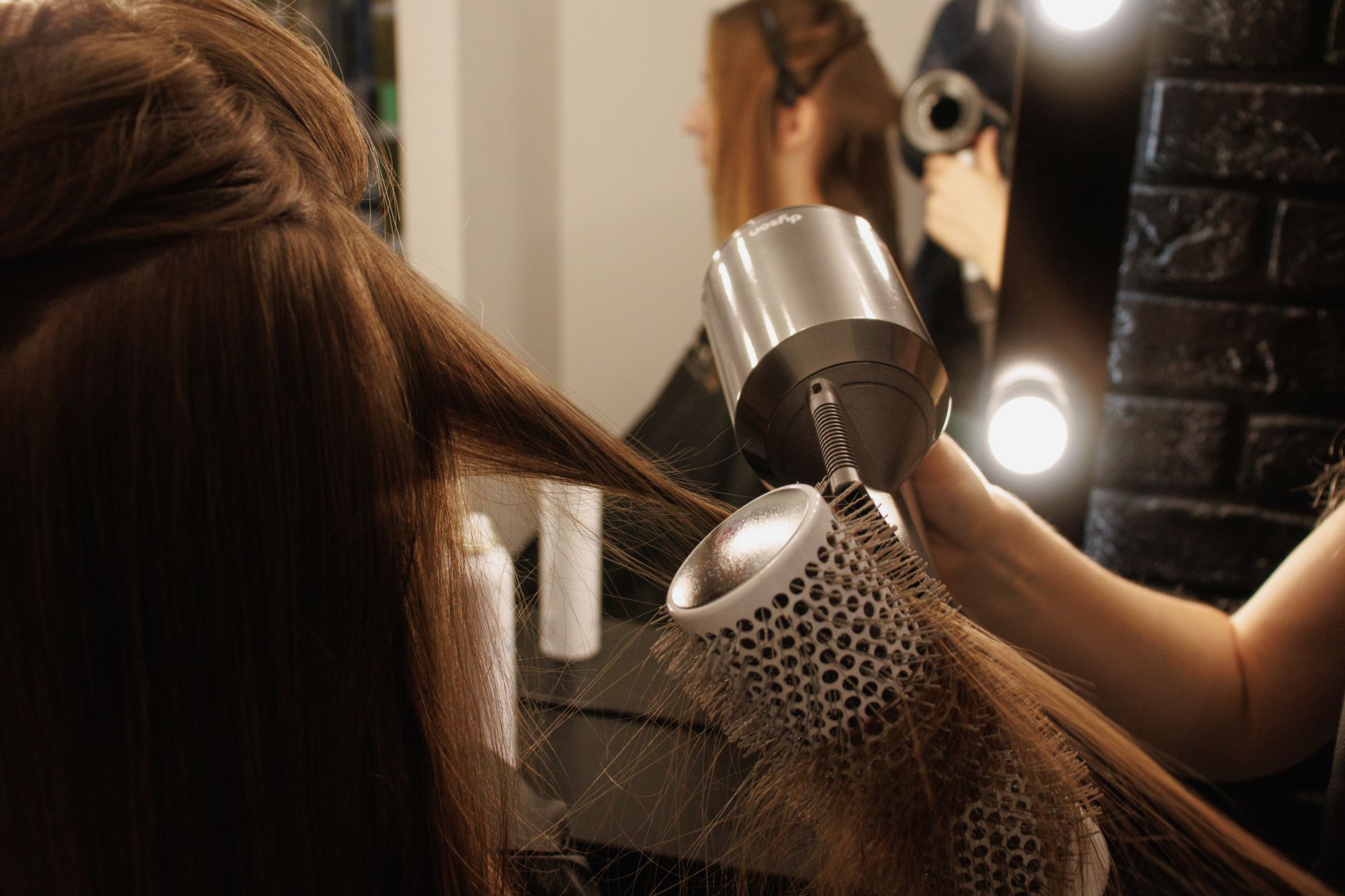
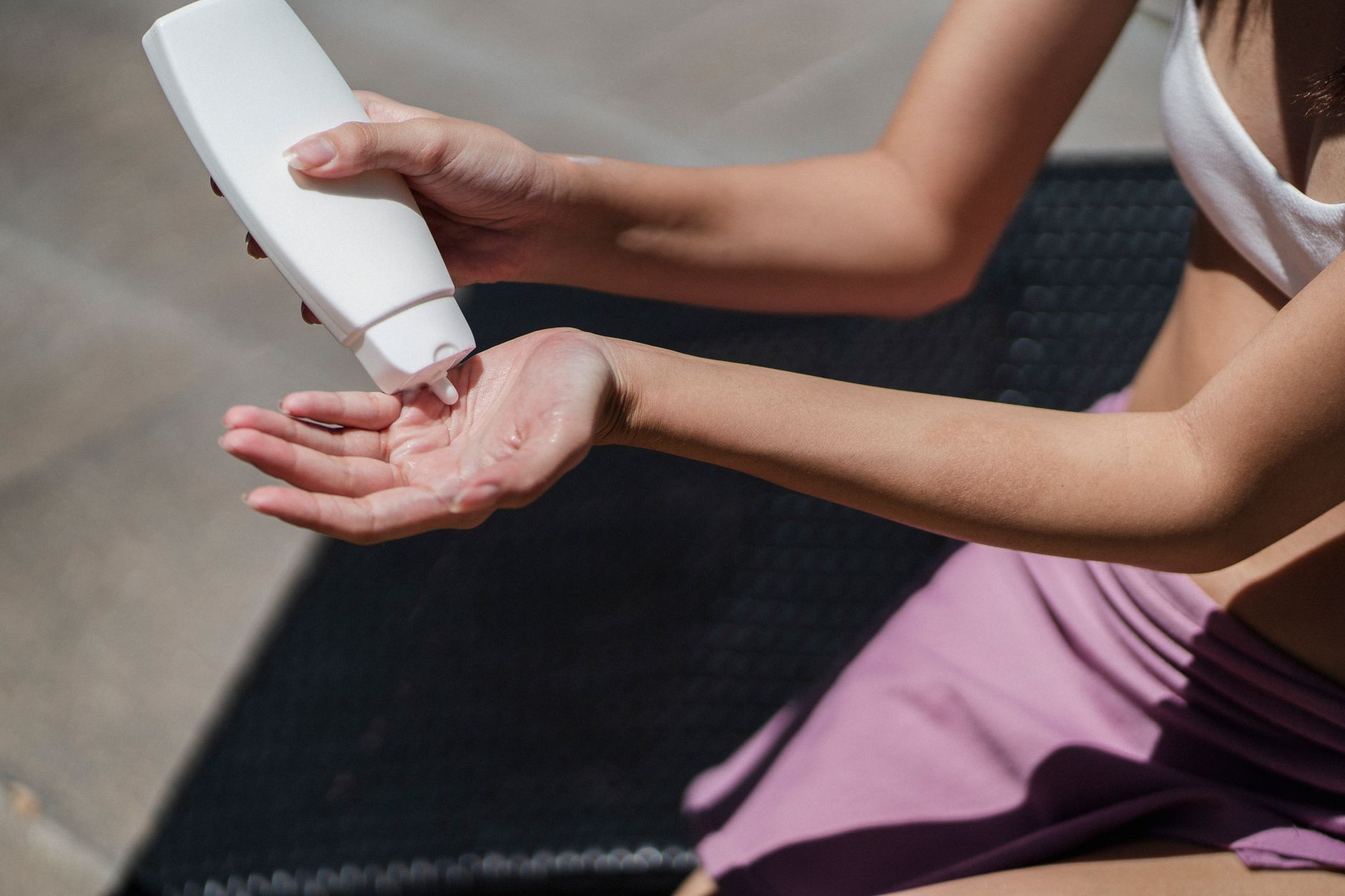
The front-facing camera ruined everything. Suddenly, every pore, line, and texture irregularity became glaring evidence of our humanity under merciless digital magnification. We didn't ask to see ourselves this clearly, this often, from this many angles. The beauty industry heard our collective gasp and responded with silicone-based blurring primers—optical illusion in a tube.
What started as damage control has evolved into a full-blown renaissance. The blurring primer is no longer just about concealment. It's about rewriting the rules of how skin can look and feel, creating a new baseline for "flawless" that exists somewhere between reality and its filtered counterpart. Five shifts define this moment.

The Zoom Effect Made Texture the New Enemy
Two years of staring at our faces in gallery view transformed casual self-awareness into clinical self-examination. Suddenly, we weren't just glancing at mirrors—we were studying ourselves under office fluorescents, frozen in unflattering angles, watching our own expressions in real-time. The psychological impact was immediate: texture, previously invisible to the naked eye in normal social distances, became unbearable. Blurring primers surged because they addressed the specific anxiety of digital self-surveillance. They don't just smooth skin; they create a barrier between you and the scrutiny you've internalized.
Silicone Went from Suspicious to Sophisticated
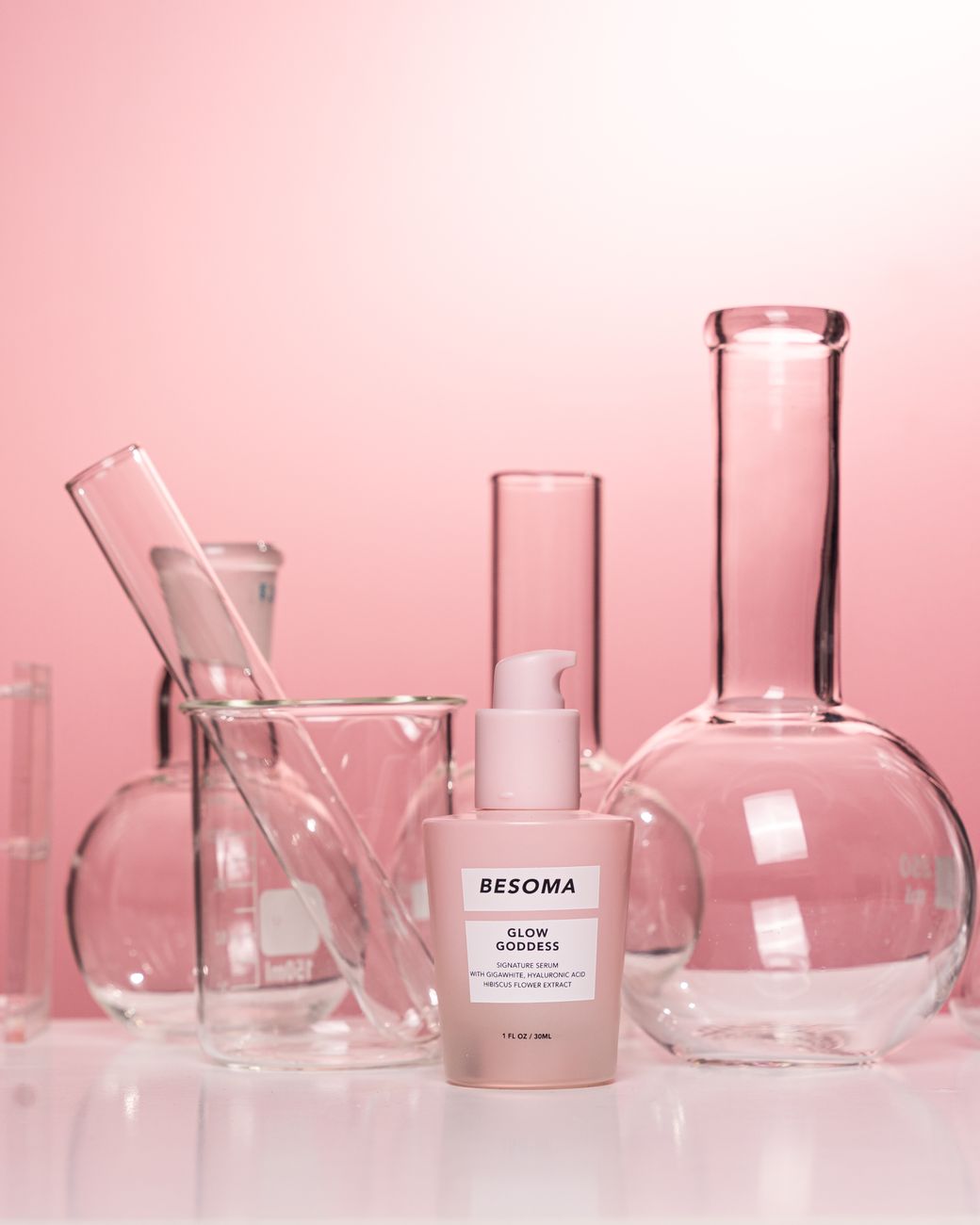
Silicones spent years in beauty purgatory, dismissed as pore-clogging, skin-suffocating fillers by the clean beauty movement. The blurring primer boom forced a reckoning. Brands started speaking openly about dimethicone, cyclopentasiloxane, and polymethylsilsesquioxane—not as cheap shortcuts, but as advanced technologies with specific jobs. The conversation shifted from moral judgment to material science. Now, consumers understand that silicone isn't inherently bad; it's a tool. Used correctly, it creates a breathable, light-diffusing film that performs a function no plant oil can replicate. Sophistication won over sanctimony.
The New Layer: Primers as the Base Before the Base
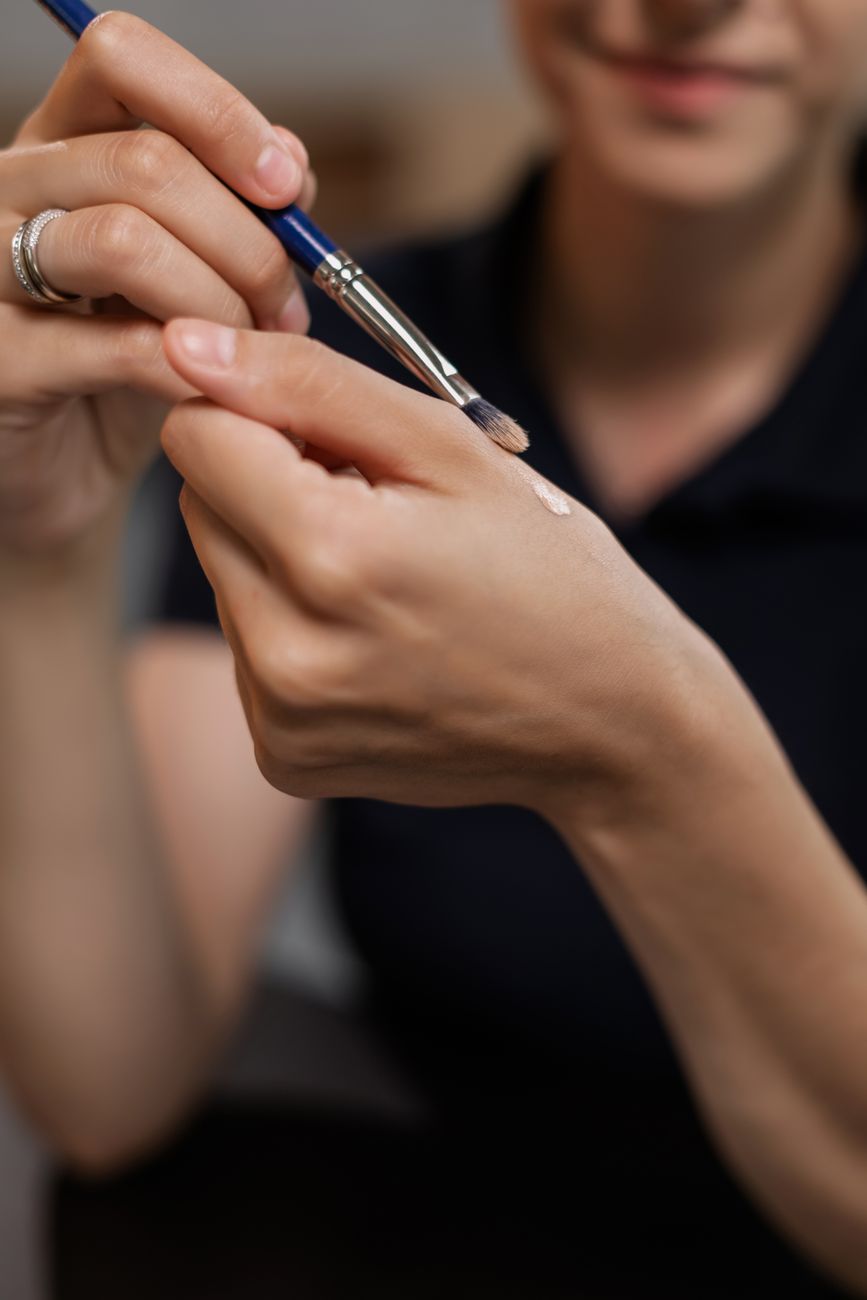
The classic routine—skincare, then makeup—has been permanently disrupted. Blurring primers created a new category: the transitional layer. They sit between skin and foundation, serving neither as treatment nor as color, but as architectural intervention. This shift changed how we think about makeup application entirely. Foundation is no longer expected to do the heavy lifting of texture correction; the primer handles optics while foundation handles tone. The result is lighter coverage, less product overall, and a finish that photographs better because it's built on smart engineering rather than heavy pigment. Layering has become a technical skill, not just a ritual.

TikTok Made "Pore Blurring" a Measurable Outcome
Before-and-after content turned blurring primers into performance products with accountability. Creators film their pores in extreme close-up, apply product, then zoom back in to show the visible difference in real-time. No soft focus, no filters—just demonstrable texture transformation. This transparency raised the bar for the entire category. Brands that relied on vague promises about "smoothing" got exposed; formulas that actually manipulated light reflection became cult products overnight. The scrutiny is poetic: the same HD cameras that created the texture anxiety now serve as proof that the solution works. The medium is both the problem and the testing ground.
Blurring Became a Finish, Not a Fix
The most significant shift is psychological. Blurring primers started as corrective—a way to hide imperfections. Now, they're aspirational. The soft-focus, slightly unreal finish has become a desired aesthetic in itself, divorced from any notion of "problem skin." People with perfectly smooth complexions use blurring primers because they like the velvety, airbrushed effect. It's the same impulse that makes us choose a flattering filter even when we don't "need" it. The product category has transcended its original purpose and become a mood, a look, a choice about how you want to present. Blurring isn't corrective anymore. It's creative.