Something shifted when cheeks stopped whispering and started shouting. The heavy-handed blush that once signaled an amateur hand now reads as deliberate—a visual amplification of warmth, embarrassment, exertion. From Hailey Bieber's strawberry-girl flush to the doll-like intensity dominating TikTok tutorials, color application has abandoned restraint entirely.
This isn't about looking 'natural' or even looking 'good' in the conventional sense. It's about looking like something—feverish, post-coital, caught in an emotional moment. The aesthetic borrows equally from Rokoko painting, 1980s editorials, and anime blush markers. What's performing here isn't just youth or health, but feeling itself, made visible and undeniable.
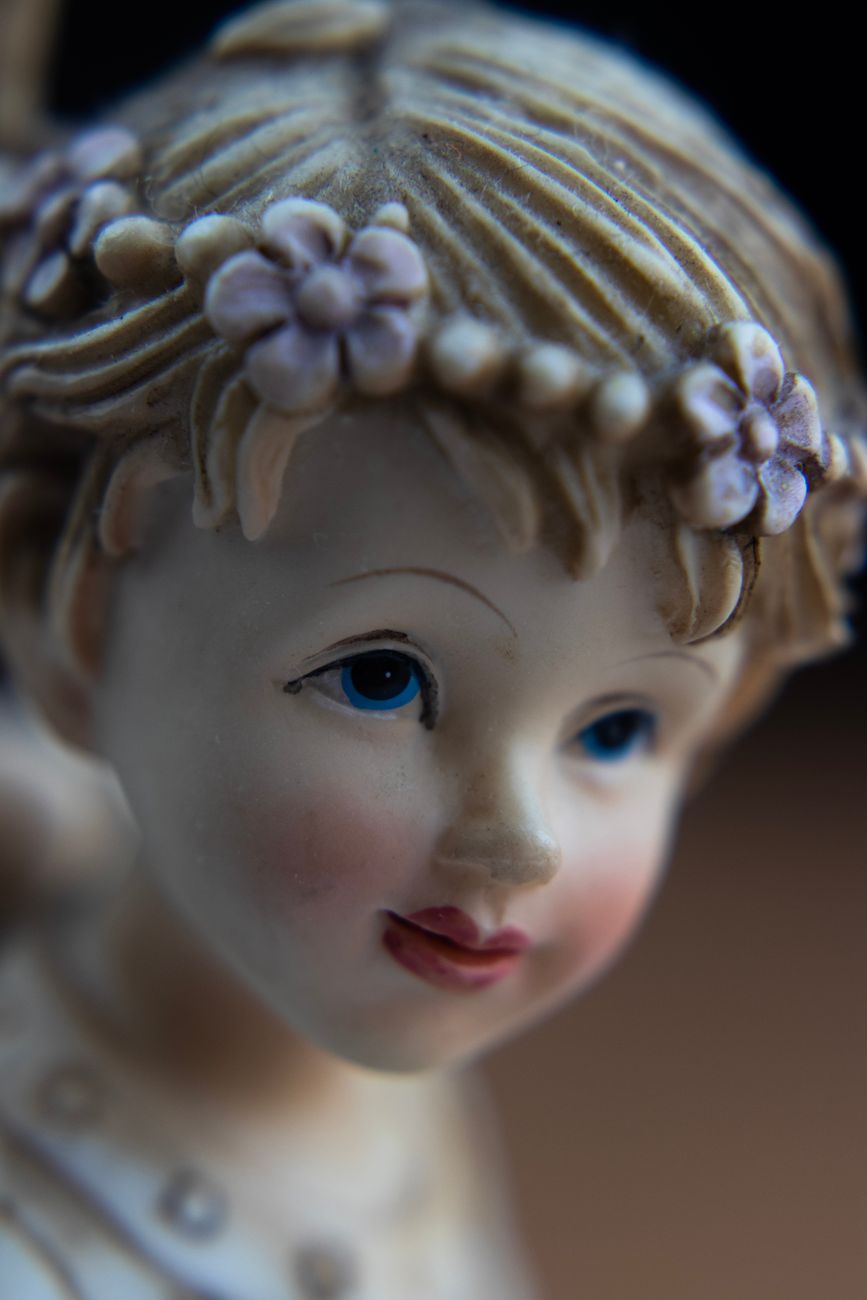
The Doll Flush: When Human Becomes Toy
Influencers are applying blush not where sun naturally hits, but where manufacturers paint ceramic dolls—high on the apple, extending toward temples, sometimes wrapping under eyes entirely. The effect is uncanny, deliberately artificial. It's beauty that refuses to pretend it's accidental, that wants you to see the construction. Brands like Rare Beauty and Glossier's Cloud Paint have built empires on pigment payoff so intense it demands either precision or embrace of chaos—and the latter won.
Sunburn Cosplay and Performative Outdoor Life
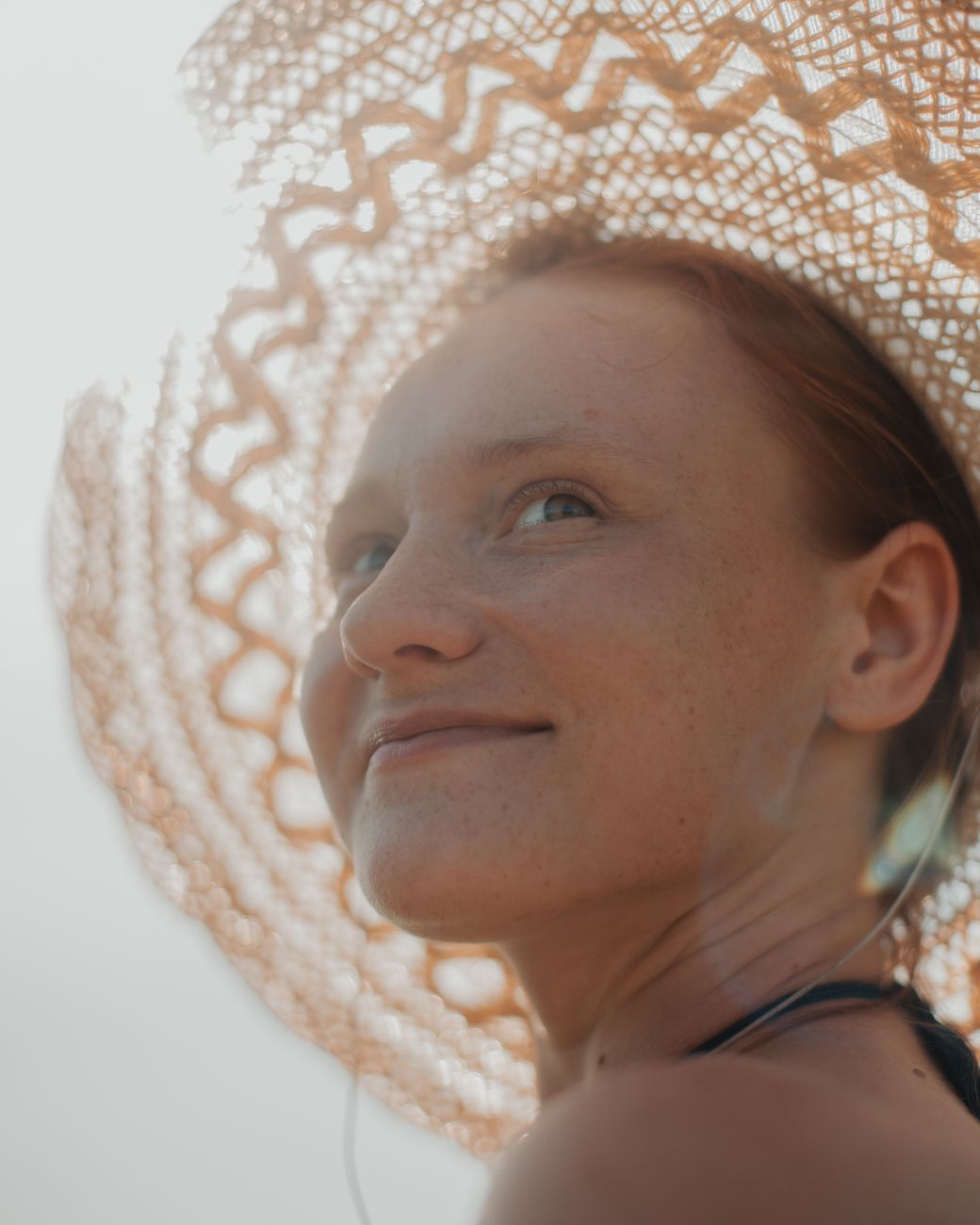
The 'sunburnt' look mimics post-beach flush without the UV damage, signaling an outdoor lifestyle regardless of actual habits. It's conspicuous leisure made cosmetic—proof you theoretically have time for hikes, sailing, tennis at the club. Charlotte Tilbury's 'Hollywood Filter' and Nars' Orgasm have become shorthand for 'I was somewhere better than here.' The irony isn't lost: indoor workers performing outdoor privilege through strategic pigment placement, the glow of free time painted on during lunch breaks.
The Vulnerability Signal: Blushing as Broadcast Emotion
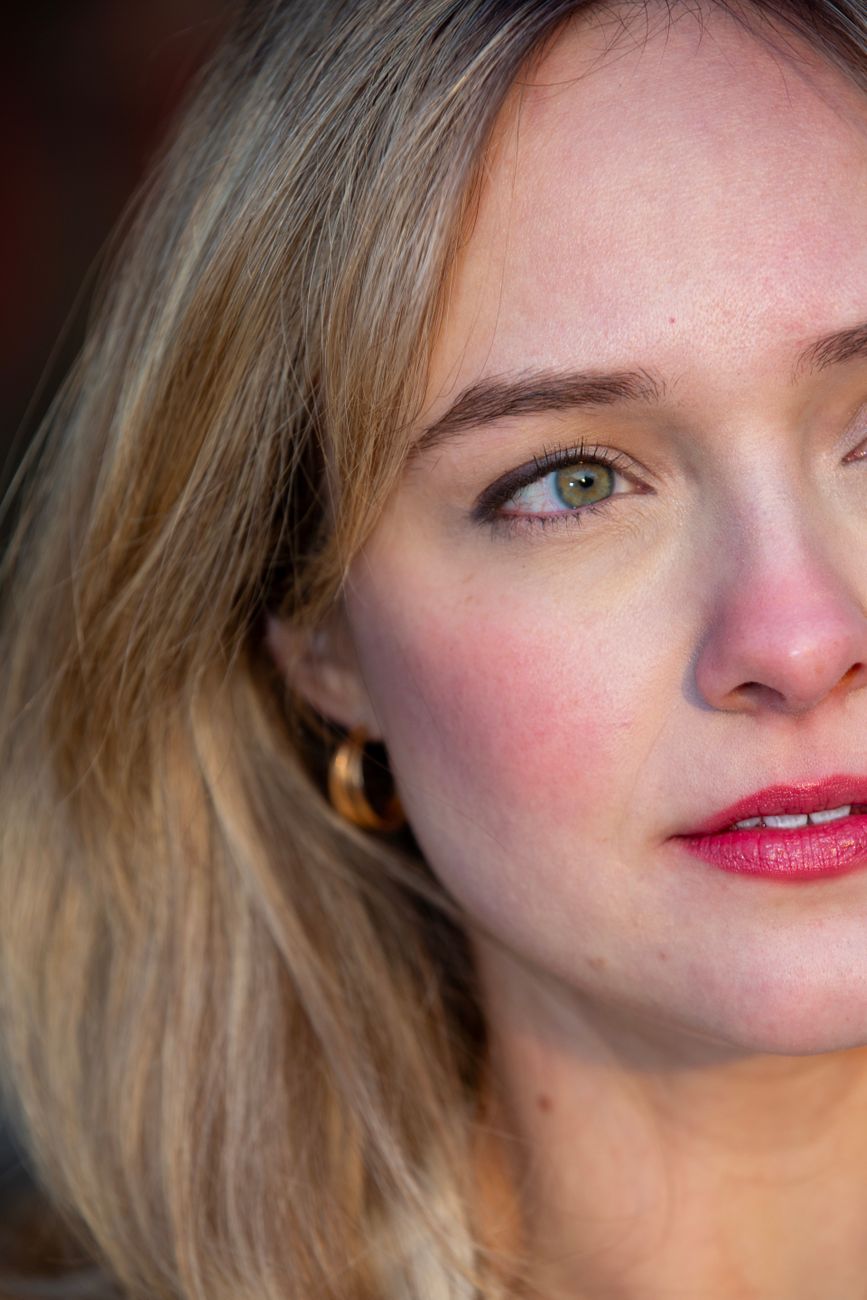
In an era of Botox and strategic emotional unavailability, exaggerated blush functions as legible feeling—desire, embarrassment, excitement made externally readable. It's intimacy theater, the cosmetic equivalent of oversharing. Gen Z, fluent in both irony and earnestness, applies blush like they caption posts: with intensity that could be sincere or performed, but either way demands acknowledgment. When faces have been trained into neutrality, blush becomes the tell, even when it's drawn on.
The 'Ugly Pretty' Recalibration
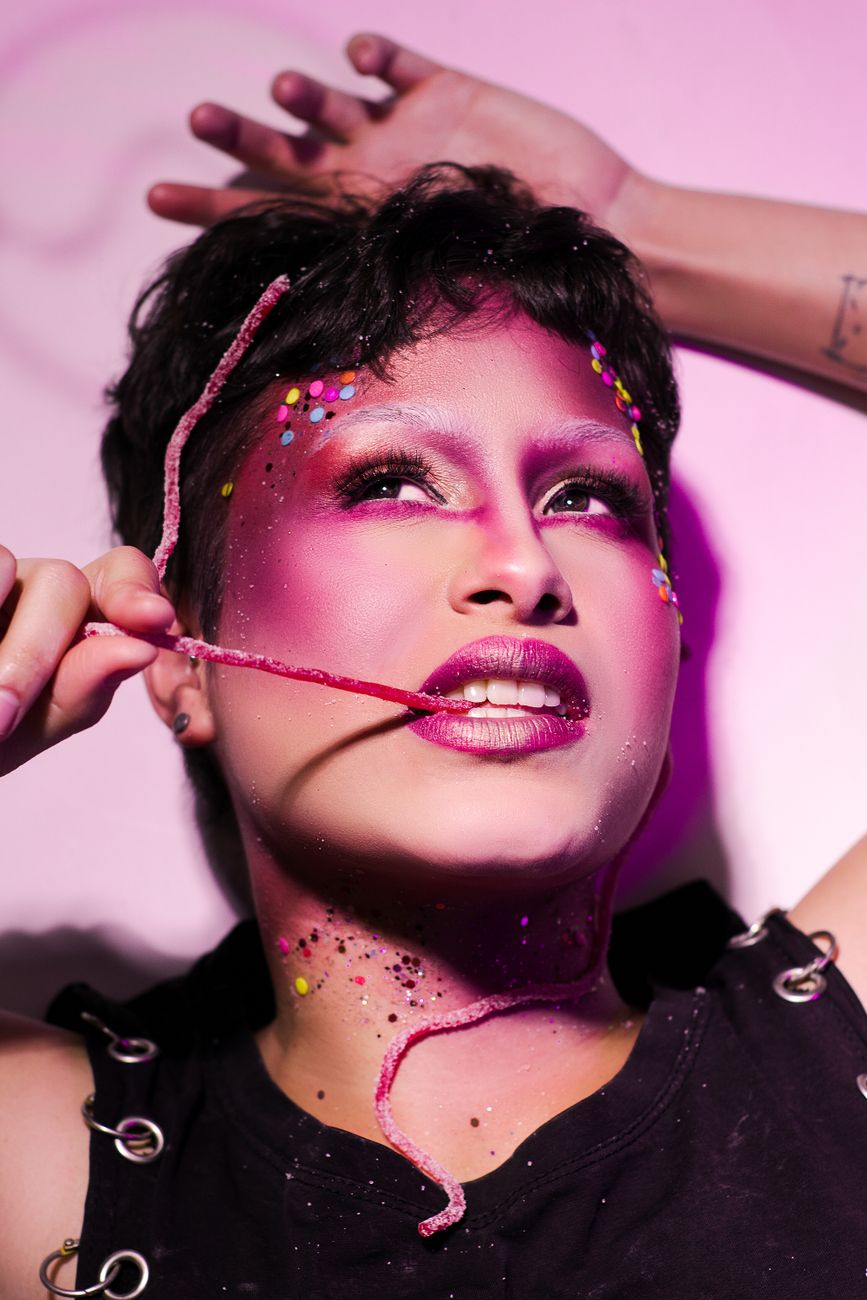
Heavy blush sits comfortably in the ugly-pretty aesthetic that's dominated fashion editorials and downtown nightlife—beauty that's interesting before it's conventionally attractive. Paired with undone hair and minimal eye makeup, it reads sophisticated rather than clownish, editorial rather than amateurish. The reference points have shifted from 'what works' to 'what disrupts,' and excess blush disrupts the male gaze preference for undetectable makeup. It announces effort, refuses to pretend effortlessness, and looks better in photos than in person—which is precisely the point.
When Trend Becomes Diagnosis: The 'Blush Blindness' Discourse
The term 'blush blindness' emerged on TikTok to describe inability to gauge application—the phenomenon of adding more, then more, until the original goal becomes irrelevant. But is it really blindness when the aesthetic relies on excess? The discourse reveals tension between older beauty paradigms (moderation, enhancement, 'less is more') and newer ones (intensity, character, 'more is more'). What looks like loss of perspective might actually be arrival at a different one, where the goal isn't improvement but transformation, not subtlety but statement.