Somewhere between retinol for your décolletage and AHA for your elbows, body skincare crossed the line from sensible to absurd. What began as a reasonable suggestion—perhaps moisturize after showering—has metastasized into a baroque ritual requiring separate products for your knees, chest, and the backs of your hands. The message is clear: every inch of your skin is a problem waiting to be solved, preferably with something in a frosted glass bottle that costs more than your electric bill.
This isn't wellness. It's the logical endpoint of an industry that ran out of facial real estate to monetize. When every millimeter of your face already has three dedicated serums, the only direction left is south. Body skincare has become the beauty world's new frontier, and brands are strip-mining it with the subtlety of a gold rush.
The Zoning Obsession
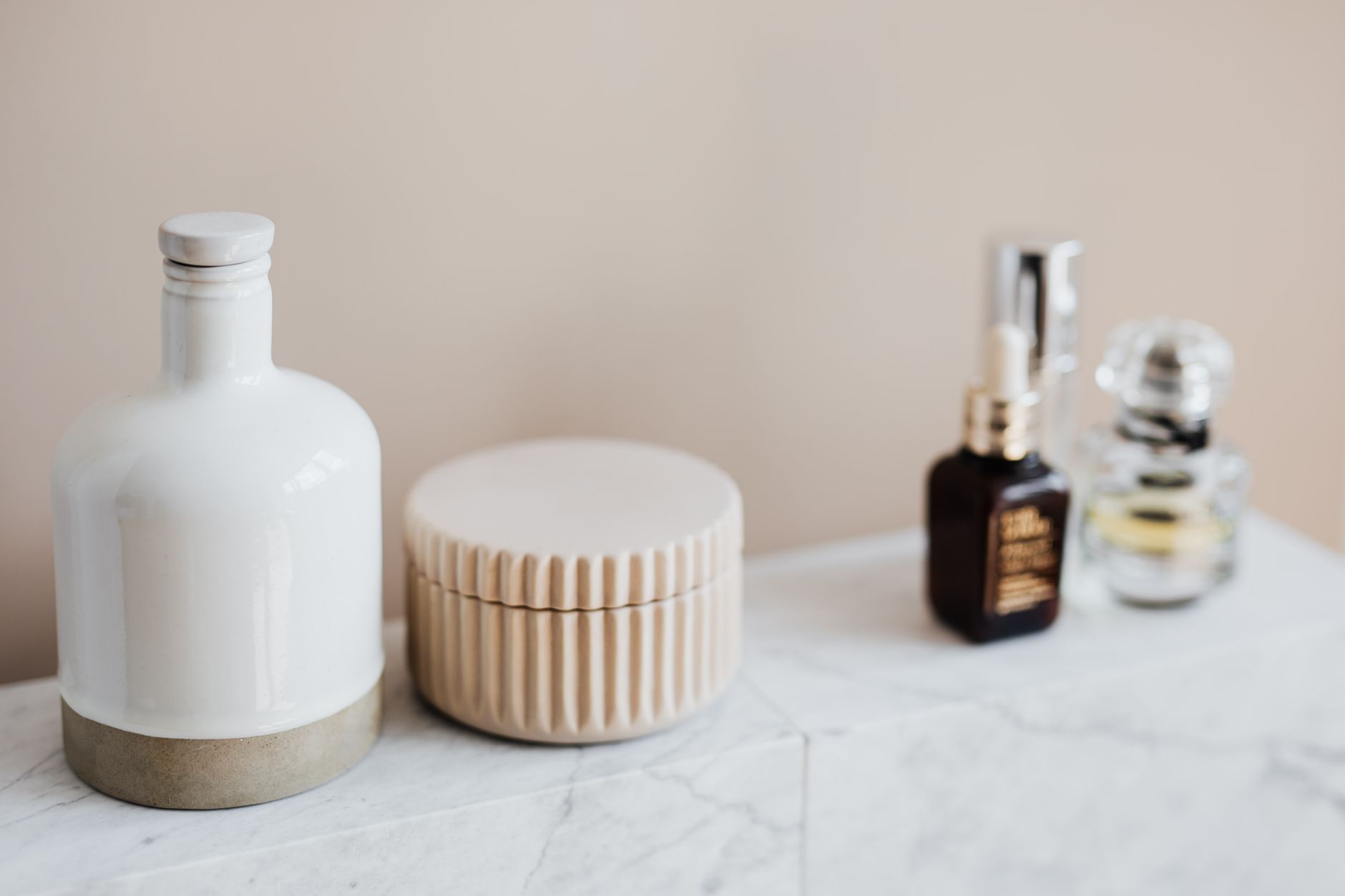
Your body is no longer a single entity but a collection of microclimates requiring individual attention. Brands have carved us into territories: neck needs firming peptides, chest demands retinol alternatives, hands require barrier repair, feet get their own exfoliation protocol. This geographical approach to skincare conveniently multiplies the number of products you "need" by a factor of eight. It's brilliant business, repackaging similar formulations with zone-specific marketing that preys on the fear that your jawline serum won't suffice for your throat.
The Décolletage Industrial Complex
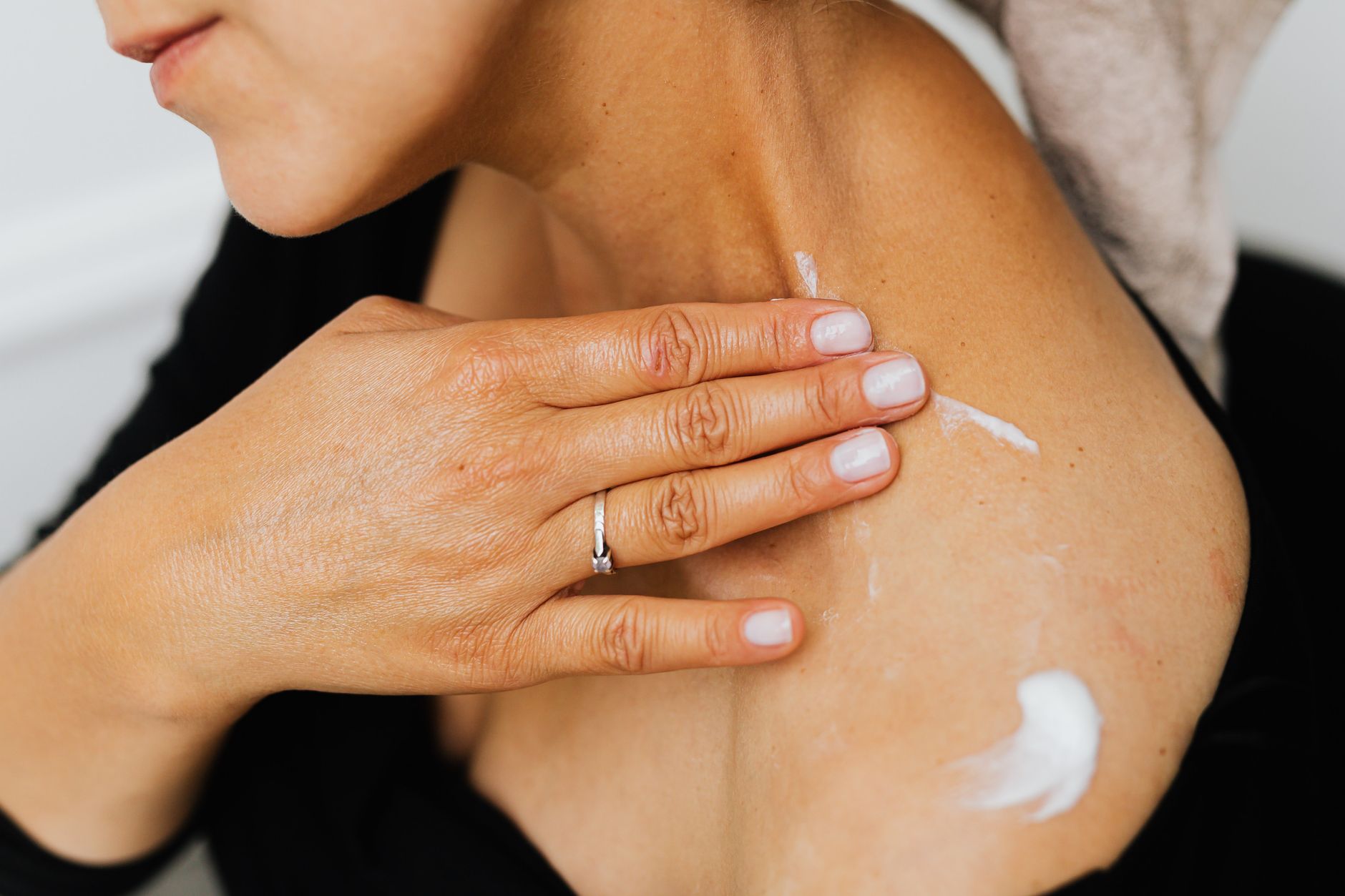
The chest has emerged as skincare's most lucrative battleground, a formerly neglected area now subject to intense scrutiny and even more intense intervention. Brands speak gravely of "tech neck" and "sun damage concentration zones" while selling $120 creams that promise to reverse decades of V-neck wearing. The décolletage—a word that sounds expensive by design—has been transformed from incidental body part to high-maintenance crisis zone. We're meant to believe this area requires not just different products from our face, but an entirely separate philosophy of care.

Texture Panic Goes Full-Body
Keratosis pilaris, the harmless "chicken skin" that affects half the population, has been rebranded from benign quirk to urgent condition requiring multi-product intervention. Chemical exfoliants once reserved for facial acne now come in body formats, alongside specialized brushes, buffing systems, and treatment masks for your arms. The beauty industry has successfully pathologized normal skin texture, convincing us that anything less than airbrushed smoothness from scalp to sole represents personal failure. Your bumpy upper arms aren't a problem; the $200 solution kit is.

Preventative Maintenance for Parts You Can't See
The logical extreme of body skincare anxiety: treating areas you can't even look at without a mirror configuration worthy of a tailor. Brands now sell back-specific products—acne treatments, firming creams, "back facials" you're meant to perform solo—for skin you experience primarily through other people's potential judgments. This represents the final frontier of beauty paranoia: maintaining parts of yourself you don't see for an audience that isn't looking. The back-care category exists purely because your front has been fully exploited and shareholders require growth.

The Ritual Inflation
What dermatologists recommend as a two-step process—cleanse, moisturize—has been reverse-engineered into an eight-to-twelve step ordeal involving dry brushing, pre-shower oil, in-shower exfoliation, post-shower essence, treatment serum, moisturizer, oil layer, and targeted spot treatments. Each step is presented as non-negotiable, the foundation upon which the next depends, creating a Jenga tower of products that collapses into "not trying hard enough" if you skip the firming mist. The time investment alone is significant; the financial one is staggering. Both are precisely the point.

Influencer Theater and the Performance of Care
Body skincare's explosion owes much to its visual digestibility on social media, where the application of cream is inherently more filmable than the results. Influencers perform elaborate body routines in luxe bathrooms, the ritual itself becoming the content, the aspiration, the proof of self-investment. These aren't tutorials so much as lifestyle tableaux, selling not efficacy but the aesthetic of someone who spends forty minutes moisturizing. The products matter less than what their use signifies: time, money, and the prioritization of optimization over literally anything else you could be doing.

The Efficacy Question Nobody's Asking
Body skin is thicker than facial skin, which means many active ingredients can't penetrate effectively, a fact conveniently absent from marketing materials promising transformative results. The clinical evidence for most body-specific concerns ranges from thin to nonexistent, yet products proliferate, backed by testimonials and before-afters of dubious provenance. Dermatologists will tell you that basic moisturization and sunscreen handle 90% of body skincare needs, but there's no money in that truth. The gap between what works and what sells has never been wider, and brands are betting you won't notice.

The Sustainability Contradiction
The same industry selling you twelve-step body routines in recyclable packaging wants credit for environmental consciousness, a contradiction nobody seems willing to address. Elaborate body skincare regimens generate staggering amounts of waste—bottles, pumps, secondary packaging, shipping materials—all in service of solving problems that mostly exist in marketing decks. Brands slap a sustainability statement on their website while actively encouraging consumption patterns fundamentally at odds with reduced impact. The cognitive dissonance is intentional: you're meant to feel virtuous about the how while ignoring the why and the how much.