Walk into any dermatologist's office and you'll hear the same sermon: retinol is non-negotiable, the gold standard, the only anti-aging ingredient that actually works. Yet scroll through skincare forums and you'll find thousands of people asking the same question in increasingly desperate whispers: why does my skin look worse?
The retinol industrial complex has convinced an entire generation that flaking, purging, and persistent irritation are signs that a product is 'working.' That glowing, plump skin is always just one more month of nightly application away. It's time to examine what's actually happening when an entire industry builds its reputation on a single ingredient that most people can't tolerate—and why admitting that has become skincare blasphemy.
The Purge That Never Ends
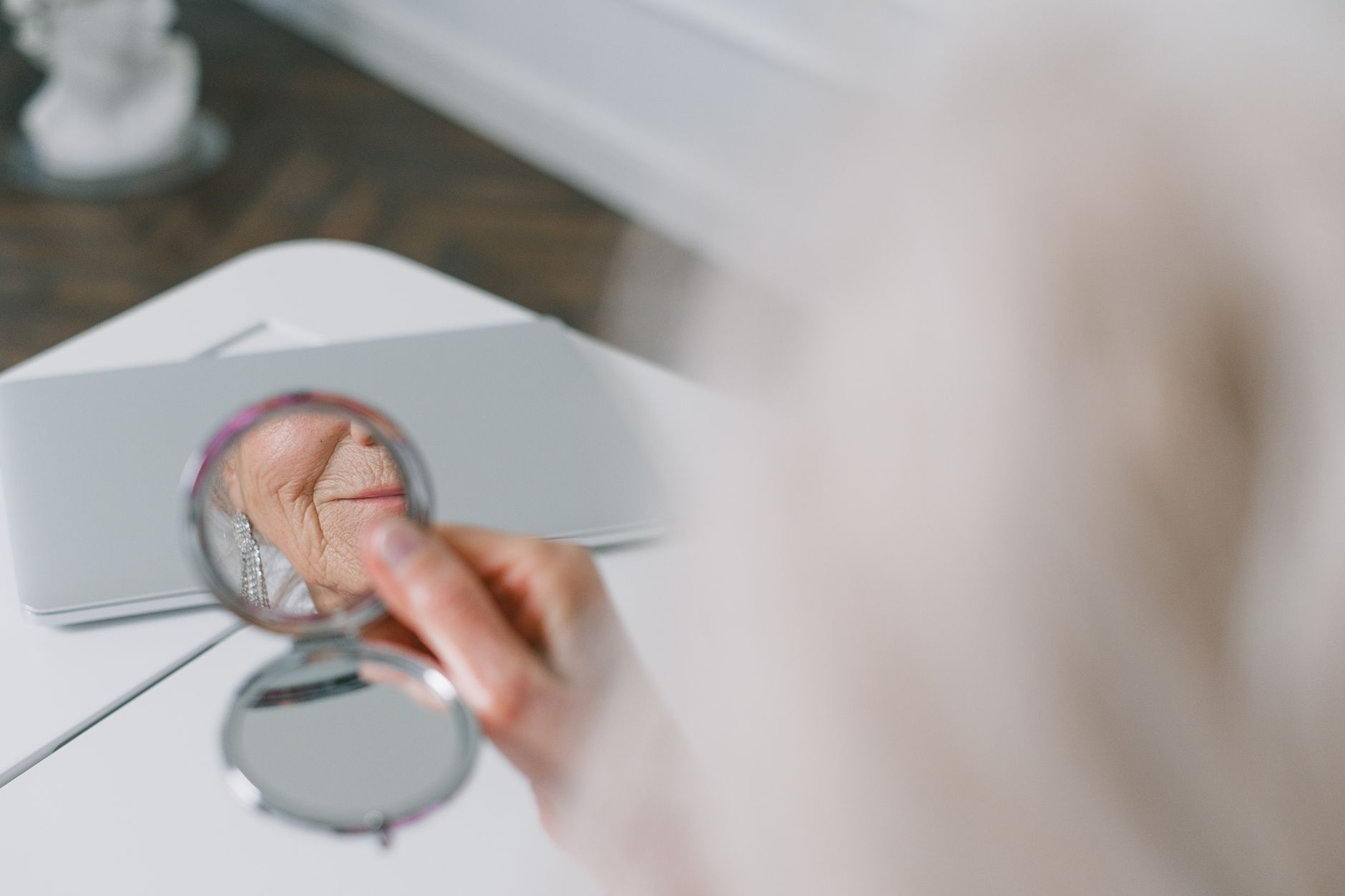
You were promised four weeks of purging, maybe six. It's been four months and your skin is still breaking out in places you've never had acne before. The goal posts keep moving—first it was your skin adjusting, then building tolerance, now it's 'cellular turnover.' At what point does 'purging' just become chronic irritation with better branding? The industry has normalized a reaction that would be called sensitization with any other ingredient, repackaging inflammation as transformation.

The Percentage Performance Theatre
Everyone's obsessed with percentages—0.25%, 0.5%, 1%, 2.5%—as if skincare were a video game where higher numbers mean winning. But dermatologists quietly admit that most people see results at 0.025%, and anything above 0.1% is often just irritation cosplaying as efficacy. The race to higher percentages isn't about better results; it's about creating a hierarchy of suffering where tolerance equals superiority. You're not failing at skincare; you're being sold a metric that was never designed for your success.

The Before-and-After Conspiracy
Those dramatic retinol transformations saturating your feed share a pattern: different lighting, different angles, different makeup coverage, sometimes different cameras entirely. The 'after' photos almost always feature better hydration, because retinol users inevitably build elaborate routines around managing the damage. What if the real glow comes from the seven other products you added to counteract retinol's effects? The ingredient becomes unfalsifiable—if your skin improves, retinol works; if it doesn't, you're not using it correctly.

The Tolerance Treadmill
Start slow, they said. Every third night, then alternate nights, then every night, then move up in percentage, then add a morning retinoid, then try tretinoin. The protocol for 'success' with retinol requires the commitment level of training for a marathon, except the finish line is perpetually receding. Meanwhile, people using gentler actives are getting visible results without the elaborate buffer systems, sandwich methods, and recovery weeks. Tolerance isn't achievement—sometimes it's just your skin giving up on sending distress signals.

The Professional Permission Structure
Dermatologists prescribe retinoids because they're one of the few topical ingredients with decades of research and FDA approval for anti-aging claims. But that doesn't mean they're optimal for everyone—it means they're legally defensible. The medical establishment has built its credibility on retinol, making it nearly impossible for professionals to suggest alternatives without seeming less rigorous. You're not imagining that your aesthetician's skin looks better than your dermatologist's; you're observing two completely different approaches to skin health, only one of which gets published in journals.

The Barrier Destruction Economy
The retinol boom has created a parallel industry of barrier repair products, calming serums, and recovery treatments. Brands have monetized both the problem and the solution, keeping you in a cycle of controlled damage. Your routine expands from three steps to twelve, not because retinol is working, but because you need an entire support system to make it survivable. The most profitable customer isn't one with great skin—it's one perpetually trying to fix what their 'hero' product broke.

The Ingredient Hierarchy Myth
Retinol positioned itself as serious skincare by dismissing everything else as frivolous or unproven. Peptides, antioxidants, and botanical actives got relegated to 'nice but not necessary,' creating a false binary where only retinol counts as real anti-aging. But the people with genuinely enviable skin often aren't retinol evangelists—they're using comprehensive routines focused on hydration, protection, and gentle cell turnover. The hierarchy was never about efficacy; it was about creating a singular, scalable, patentable solution the industry could standardize around.

The Admission No One's Allowed to Make
Admitting retinol doesn't work for you has become a confession of failure, as if your skin's rejection of constant irritation indicates weakness rather than wisdom. The beauty world has created an environment where questioning retinol feels like denying climate change—anti-science, vaguely embarrassing, proof you're not serious. But increasingly, people are quietly stopping, not announcing it, just phasing it out and noticing their skin looks calmer, happier, more like itself. The real gaslighting isn't that retinol doesn't work for everyone—it's that we've been convinced our skin's obvious distress signals are actually progress.