The makeup bag is collapsing into itself. Across fashion weeks, editorial shoots, and the algorithmic feeds where beauty culture now gestates, one aesthetic has emerged with unusual persistence: bronze everywhere. The same cream formula swept across eyelids, cheekbones, and jawlines. Not as a hack, but as a fully realized point of view.
This isn't about efficiency or minimalism in the tired wellness-industrial sense. It's about control. The monochrome bronze face represents a visual language where warmth replaces the architectural cold-girl contour, where uniformity signals intention rather than carelessness. The trend reflects a broader cultural fatigue with complexity—not just in beauty, but in how we construct identity itself.
TikTok's Golden Hour Filter Made Flesh
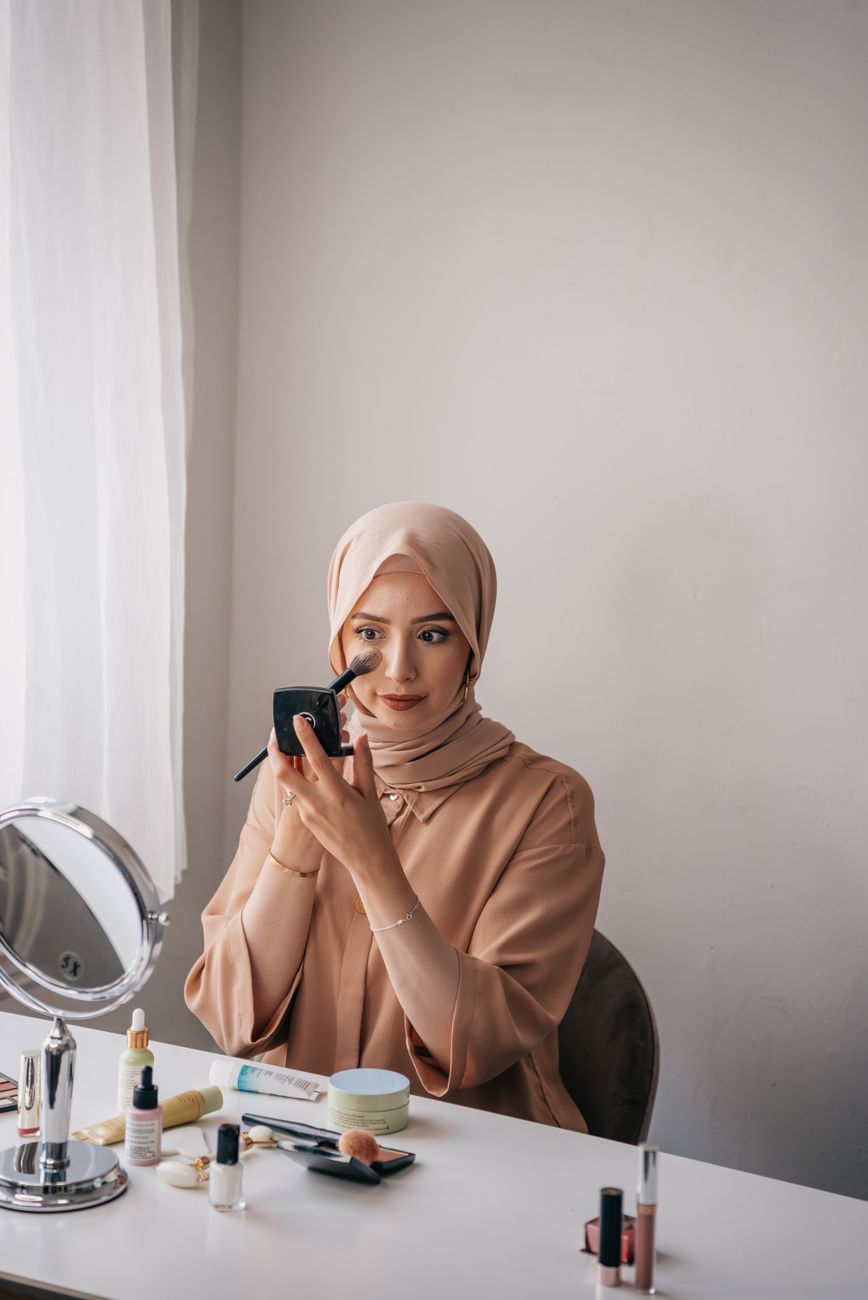
The algorithm has trained us to recognize warmth as inherently aspirational. That perpetual sunset glow—previously confined to Valencia-era Instagram filters—now manifests as cream bronzer applied with fingers, blurring the distinction between digital enhancement and physical product. Searches for "cream bronzer as eyeshadow" increased 347% year-over-year, with Gen Z users treating the technique not as multi-use practicality but as aesthetic coherence. The face becomes a single plane of warmth, legible in any lighting condition, optimized for the front-facing camera's unforgiving proximity.

Phoebe Philo's Shadow Economy
When Philo launched her eponymous line, the accompanying campaign imagery featured models with that specific terracotta wash across eyes and cheeks—not quite makeup, not quite bare skin. It codified what insiders already understood: true luxury now performs as reduction. The bronze-everywhere approach carries Philo's aesthetic DNA into the mass market, where "undone" requires as much skill as a cut-crease, but the labor must remain invisible. Uniformity as the new status signal, complexity as try-hard.
Byredo and Westman Atelier Collapse the Category
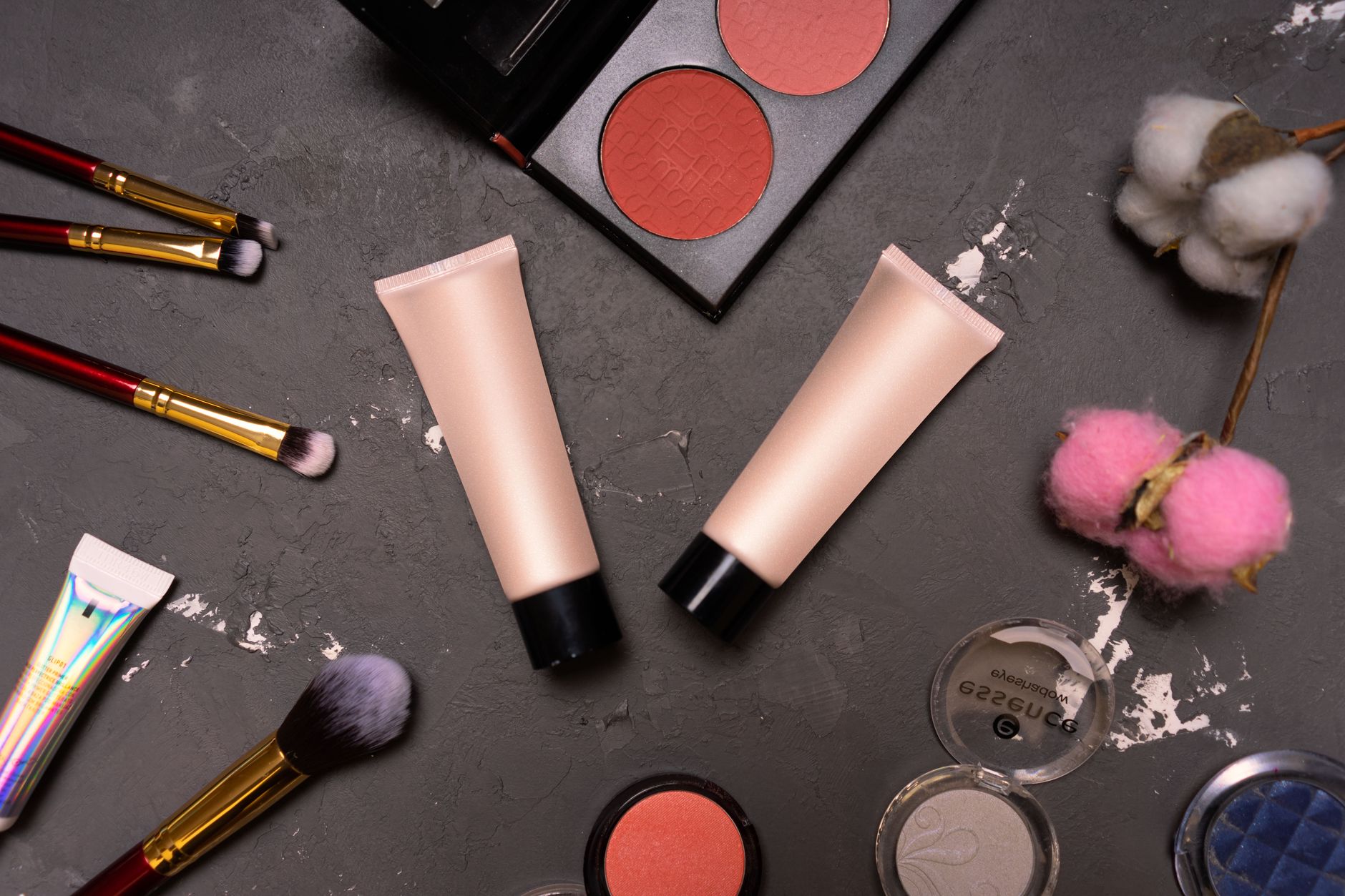
Prestige brands have formalized the behavior into product architecture. Byredo's Chromophoric cream explicitly refuses traditional categories—it's simultaneously blush, eyeshadow, and lip tint. Westman Atelier's Contour Stick is marketed across five facial zones. This isn't about getting ready faster; it's about aesthetic totalitarianism, where one shade philosophy governs the entire face. The product design follows cultural desire: we're exhausted by choice, craving systems that make decisions for us while maintaining the illusion of personal expression.
The Death of Instagram Face's Architecture
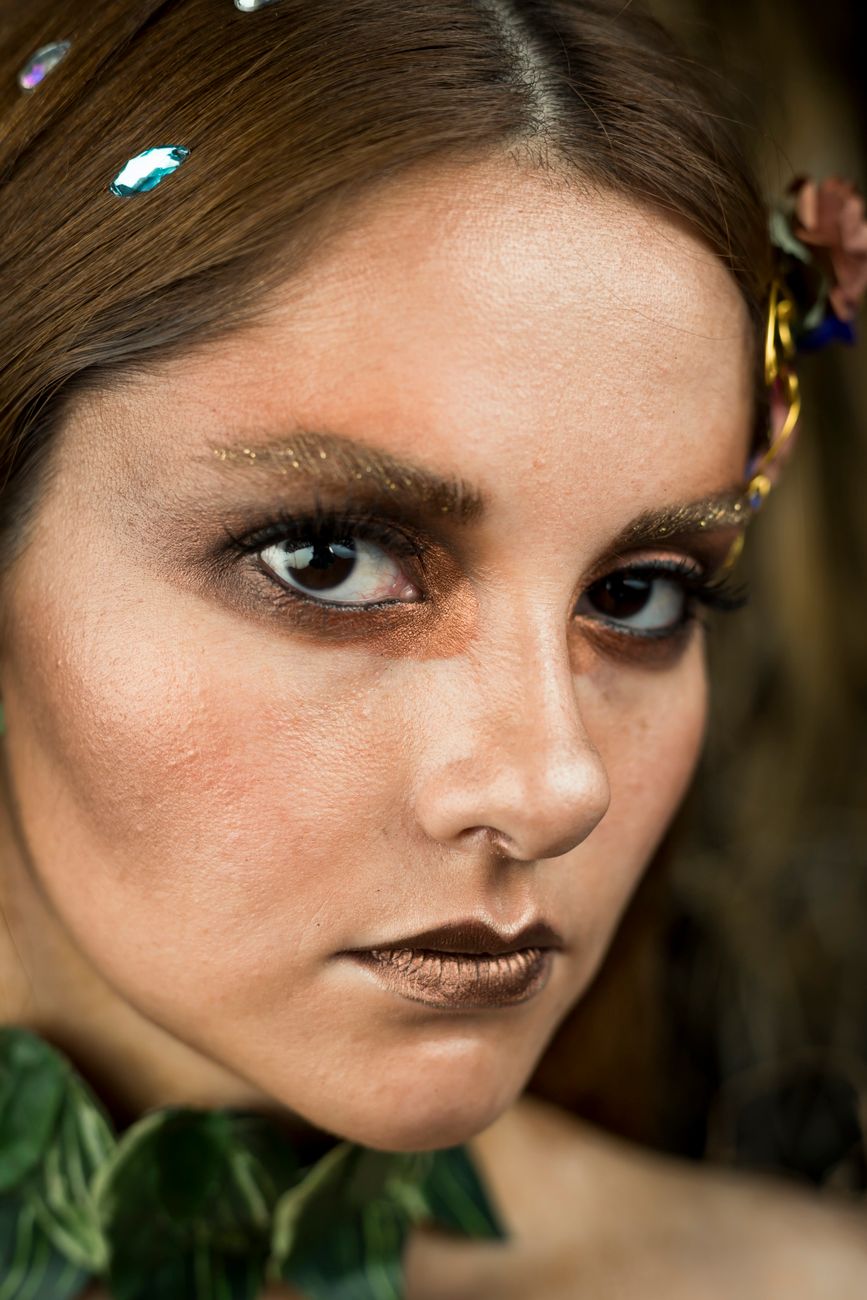
The 2016-2021 contour map—with its color-coded zones and engineered shadows—has been culturally assassinated. Bronze uniformity functions as its direct rebuttal: no sharp lines, no contrast, no visible construction. Where Instagram Face was about transformation and aspiration, the bronze wash reads as acceptance, even if that acceptance is as calculated as what preceded it. The shift mirrors broader cultural movements away from obvious augmentation toward procedures and aesthetics that claim to enhance "what's already there," even when what's there has been significantly altered.
Climate Anxiety as Aesthetic Opportunity
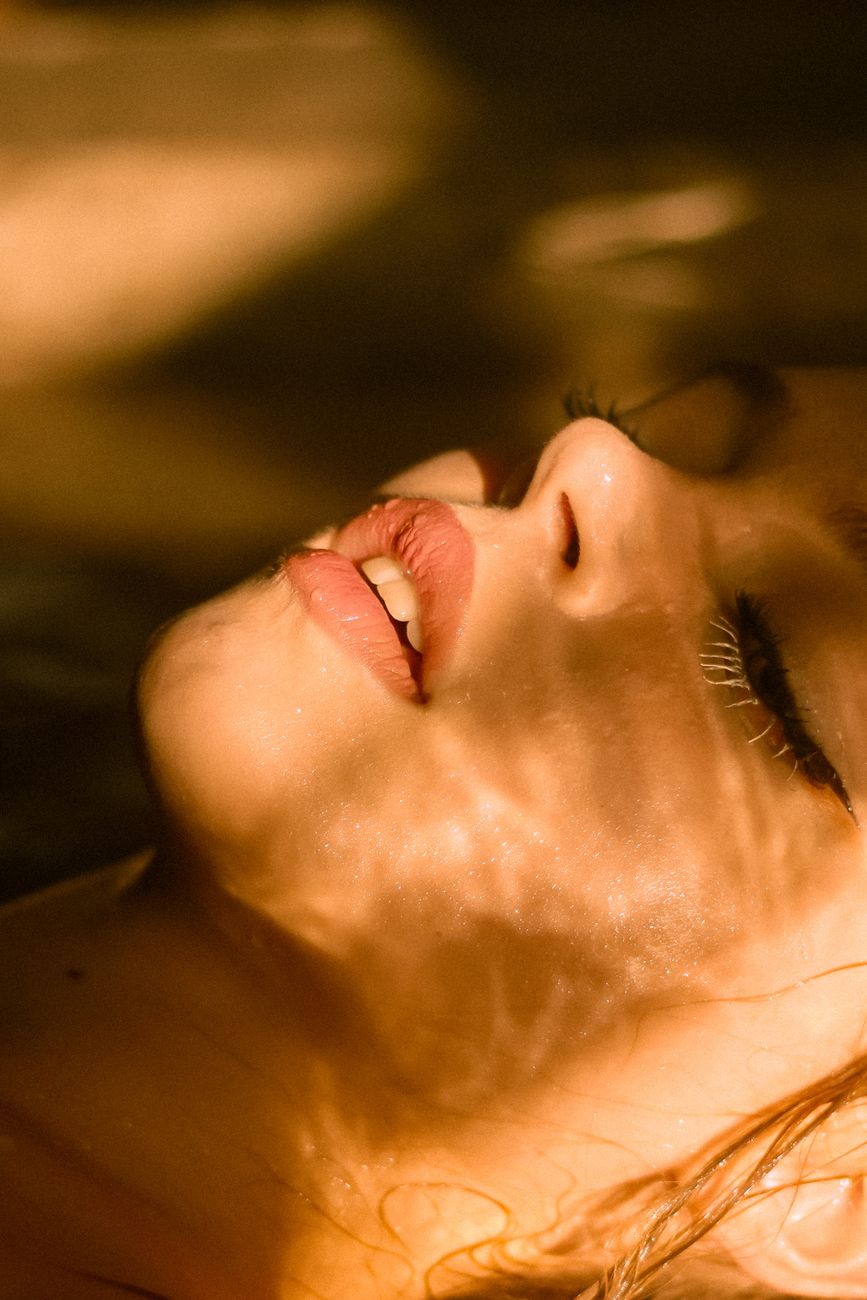
There's something dystopian about universalizing a vacation glow as temperatures break records and actual sun exposure becomes dermatologically untenable. The bronzed face performs health and leisure while actual outdoor recreation grows complicated by UV index apps and air quality alerts. This tan-without-sun aesthetic lets us roleplay a relationship with nature we're systematically destroying, commodifying the appearance of time spent outside while remaining climate-controlled. The cognitive dissonance is the point—beauty has always traded in beautiful lies.