Somewhere between Starface's holographic dots taking over Instagram in 2019 and Dior selling crystal-studded skin stickers for $38, acne stopped being something to hide. The pimple patch—once a beige, apologetic disc you'd slap on at night—became jewelry for your face. Not despite its function, but because of it.
This isn't about normalizing skin texture. It's about making treatment visible, even covetable. The shift marks something bigger: beauty's move away from the pretense of perfection toward the performance of care. When your skincare routine becomes your look, the line between concealment and display dissolves entirely.
Treatment as decoration rewrites beauty's visibility rules
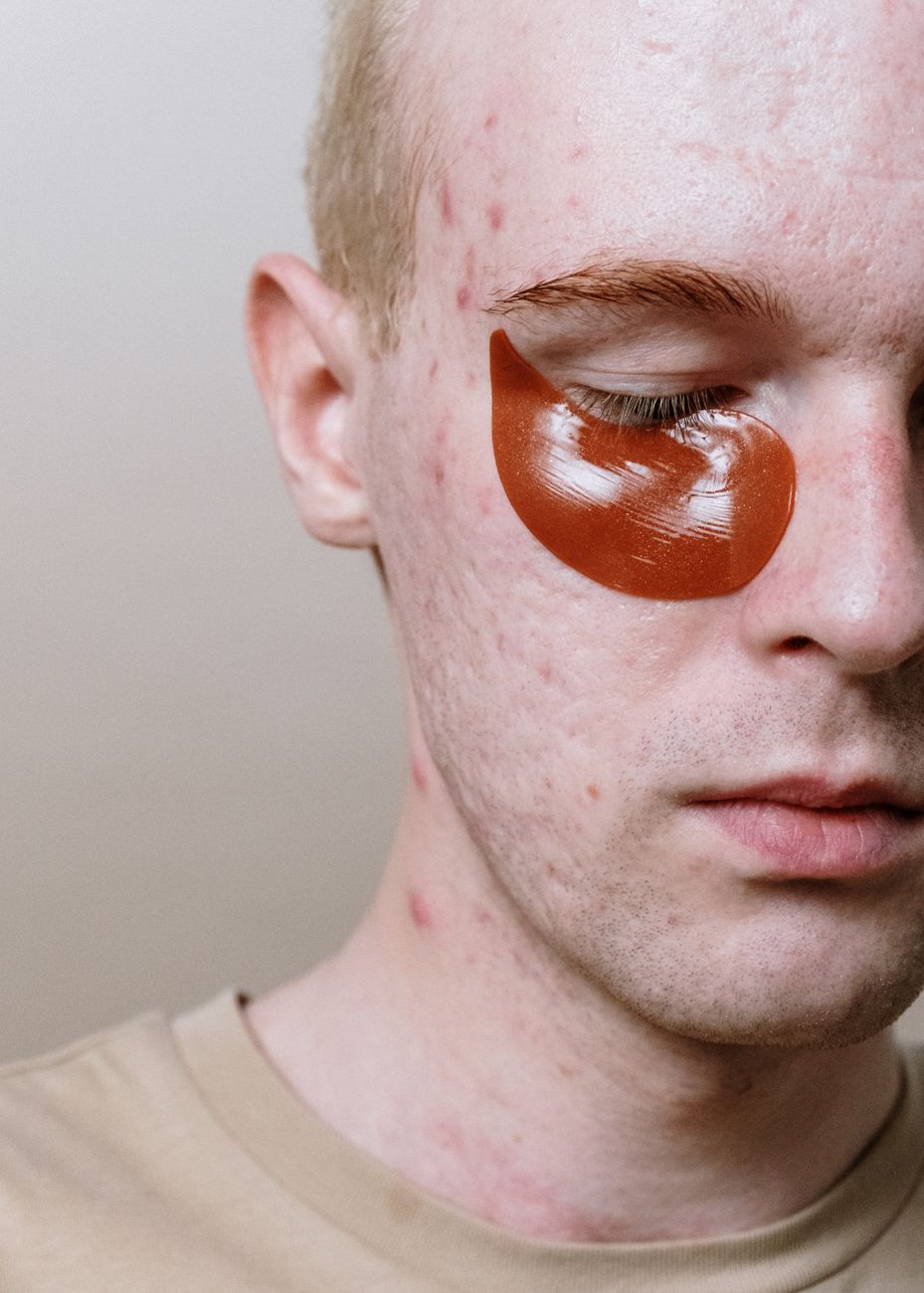
Starface turned acne care into something you'd choose to wear, not hide. Their yellow stars made the quiet part loud—why pretend you woke up like this when you can show exactly how you're handling it? Now everyone from Hero Cosmetics to Peace Out makes patches in shapes, colors, and finishes that read as intentional. The message: caring for your skin is more honest than Facetune.
Luxury entered the chat with zero self-awareness
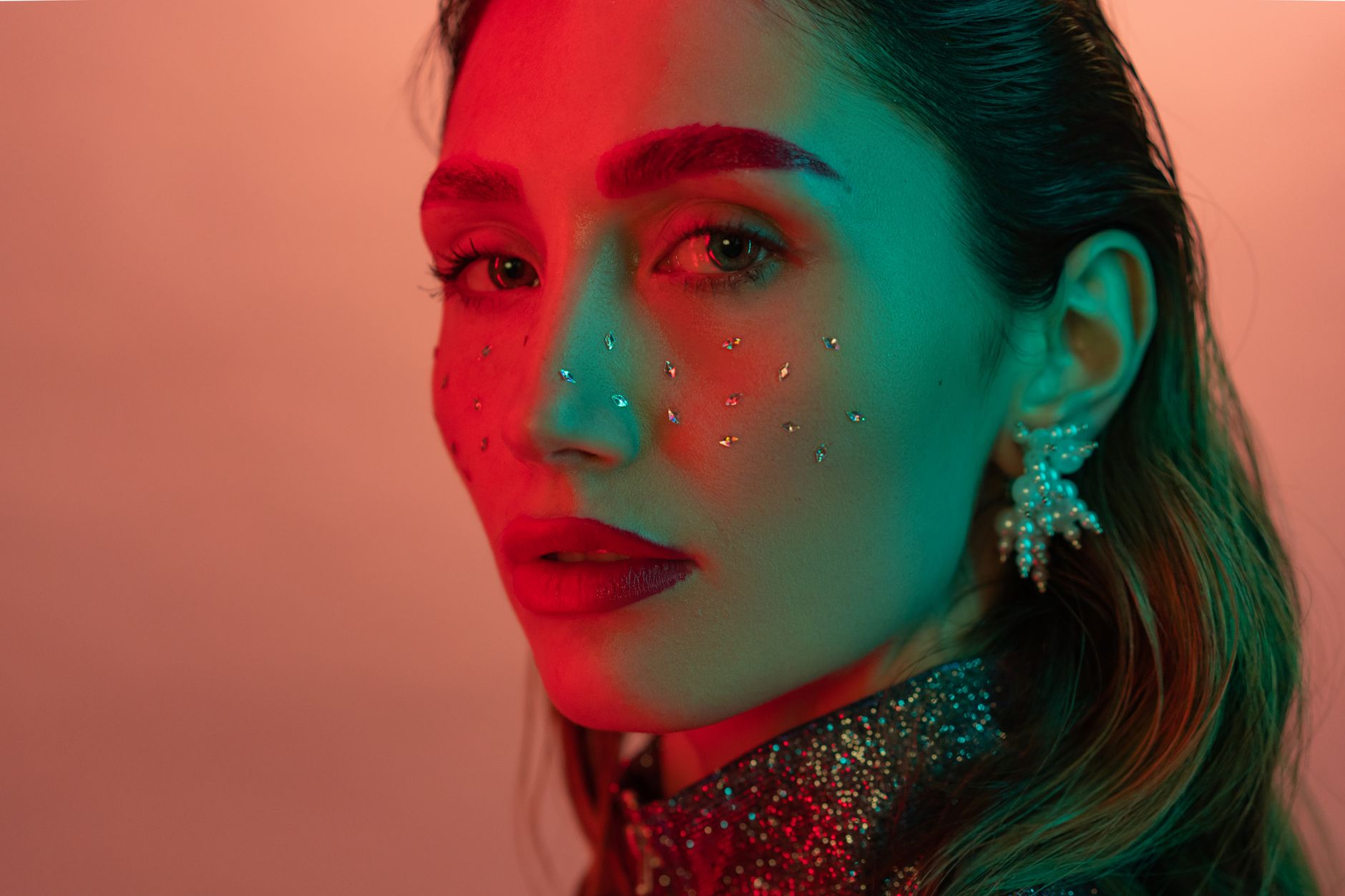
When Dior and Valentino started selling decorative face dots, they weren't solving for acne—they were capitalizing on a silhouette. The luxury versions are pure ornament, but they borrowed legitimacy from functional patches that came first. It's the same move beauty's always made: co-opt the underground, strip the context, sell it back at markup. Except this time, the gap between $5 hydrocolloid and $40 Swarovski is impossible to miss.
Gen Z turned skincare into spectator sport
Pimple patches perform well on camera—they're proof you're doing something, handling it, in control. This generation doesn't distinguish between private maintenance and public presentation; if you're dealing with a breakout, why not make it visible? The patch becomes both treatment and broadcast, a small signal that says: I see it, I'm on it, and I'm not pretending otherwise. Relatability as currency, made literal.
The medical borrowed from fashion, then fashion borrowed back
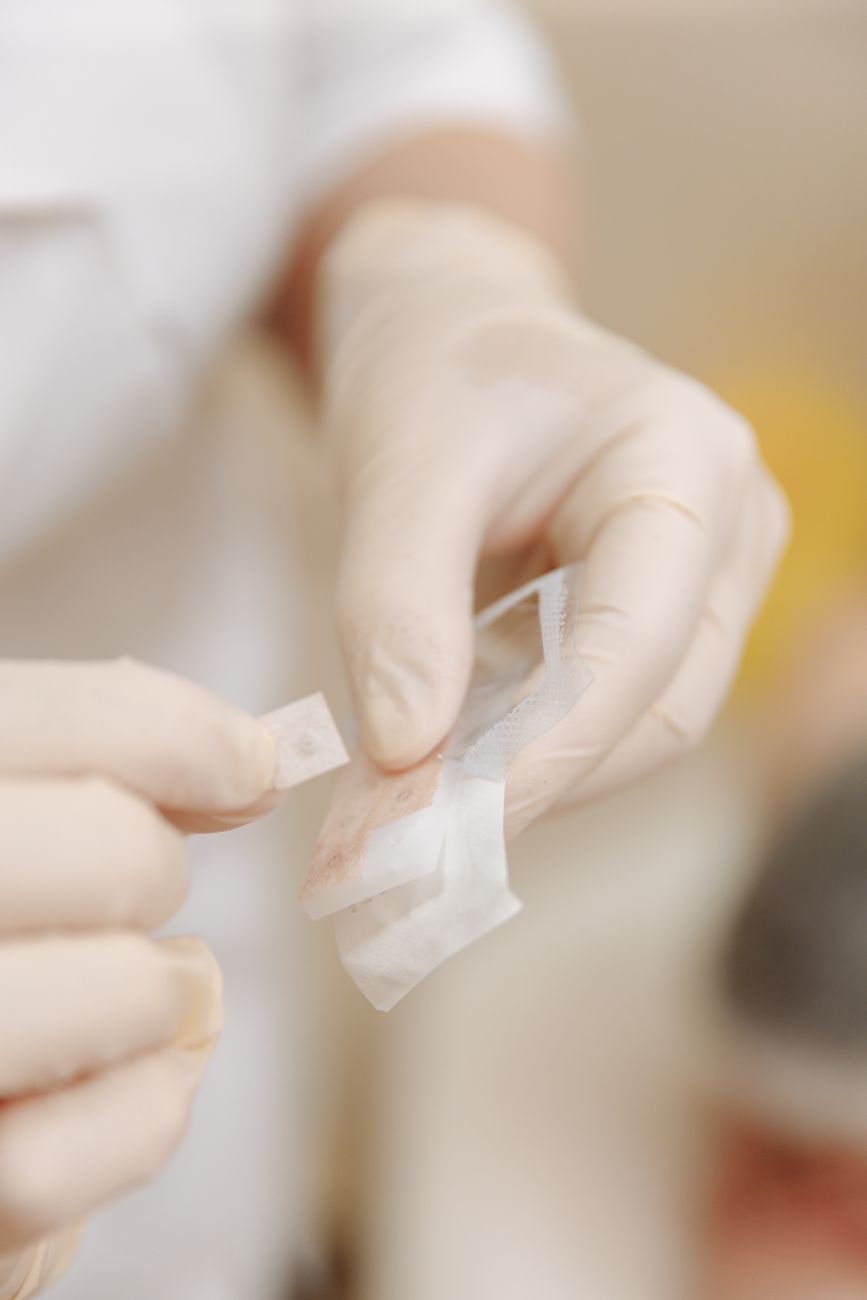
Hydrocolloid dressings have existed in wound care for decades, invisible and purely functional. Korean beauty brands repackaged them first, making treatment cute enough to wear outside. Then fashion spotted an opportunity: if people will wear a medical device as decoration, imagine what they'll do with a decorative device that offers no function. The circle completes itself, and now you can't tell what's skincare and what's costume.

Imperfection became the luxury signifier nobody predicted
Wearing a pimple patch in public isn't vulnerable—it's a flex. It says you're secure enough not to hide, resourced enough to treat it properly, and culturally literate enough to know this reads as confidence. The truly wealthy have always been able to exist without makeup; now the aesthetically fluent can exist without concealment. When your blemish gets its own accessory, you're not apologizing. You're making a point.