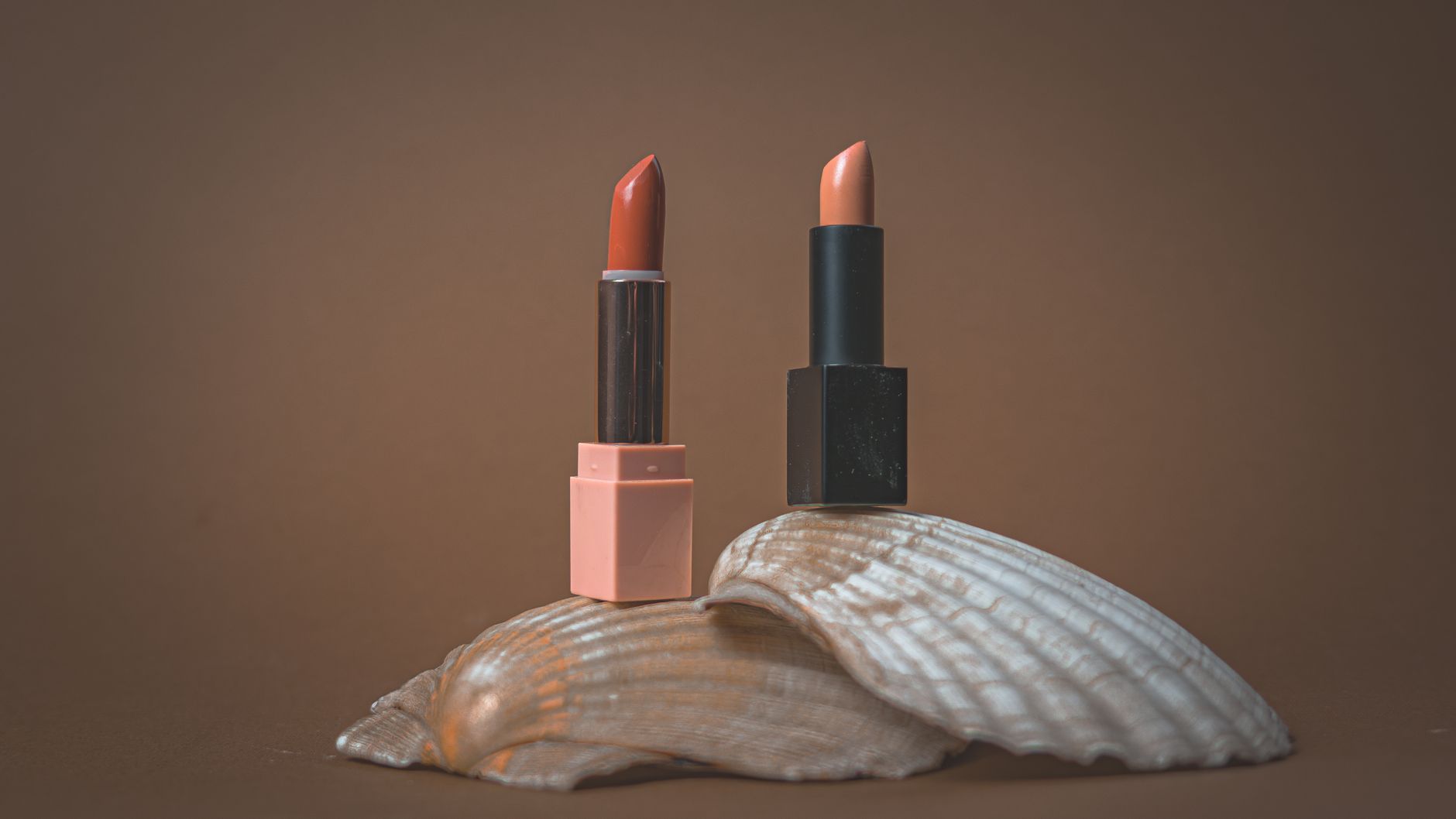
Brown lipstick is back, but this time without the winking Instagram caption or the defensive "hear me out" preamble. No one's invoking Drew Barrymore circa 1996 or apologizing for liking what the algorithm hasn't sanctioned yet. This isn't nostalgia—it's something sharper.
The new brown lip exists in a different register entirely: quiet luxury translated to color, a refusal to perform approachability, the kind of choice that signals you've moved past seeking validation from strangers on the internet. Five shifts happening right now that prove this comeback is about sophistication, not sentiment.
The Luxury Houses Moved First, Without Fanfare
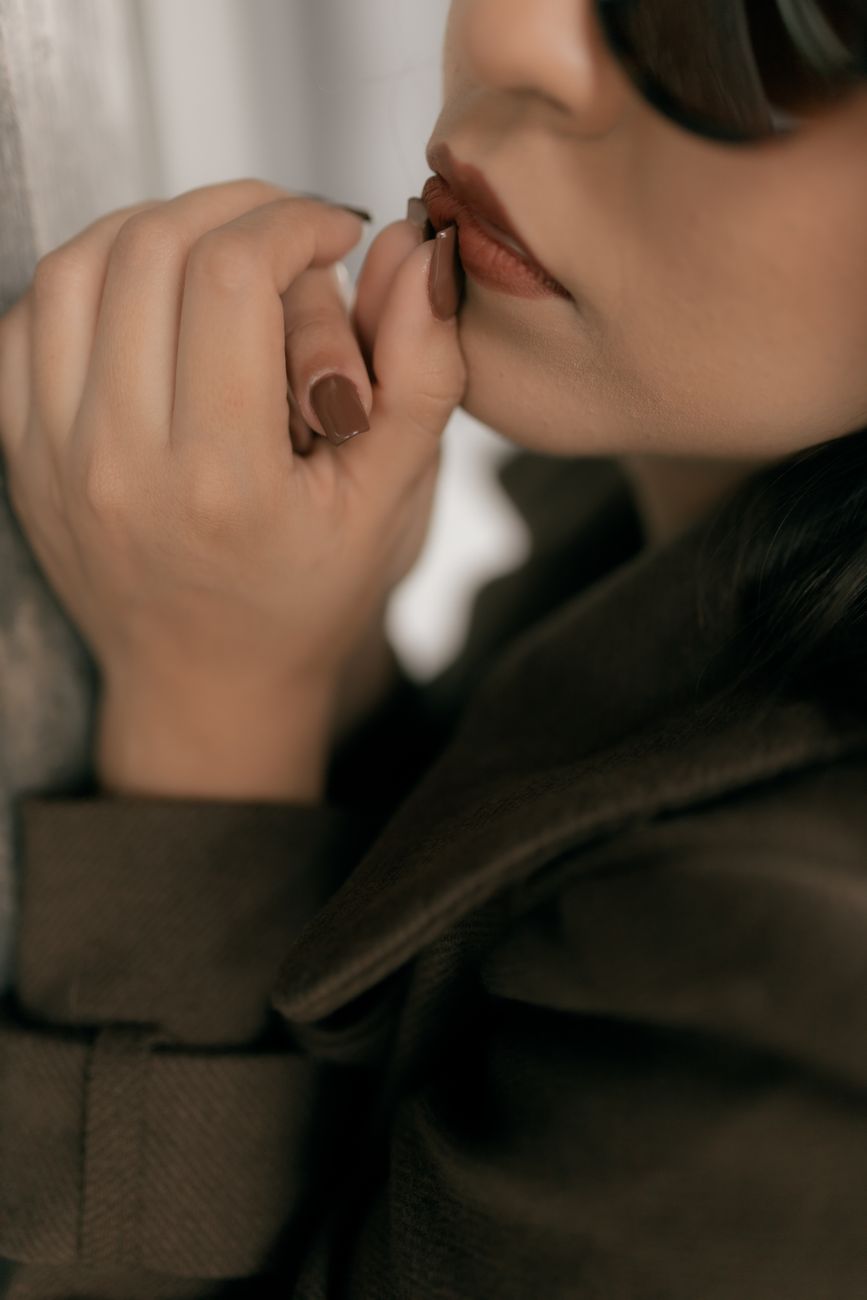
Tom Ford, Hermès, and Chanel quietly expanded their brown lip ranges over the past eighteen months—not as limited editions with breathless press releases, but as permanent additions to core collections. The message: brown isn't a moment, it's a staple. These aren't the frosty, chalky browns that required an entire face of matching makeup to work; they're complex, expensive-looking neutrals with names like "Bruised Plum" and "Bitter Cocoa" that photograph like old money. The luxury customer has already moved on from the red lip as default power signifier.

It Photographs Better Than Anything Else Right Now
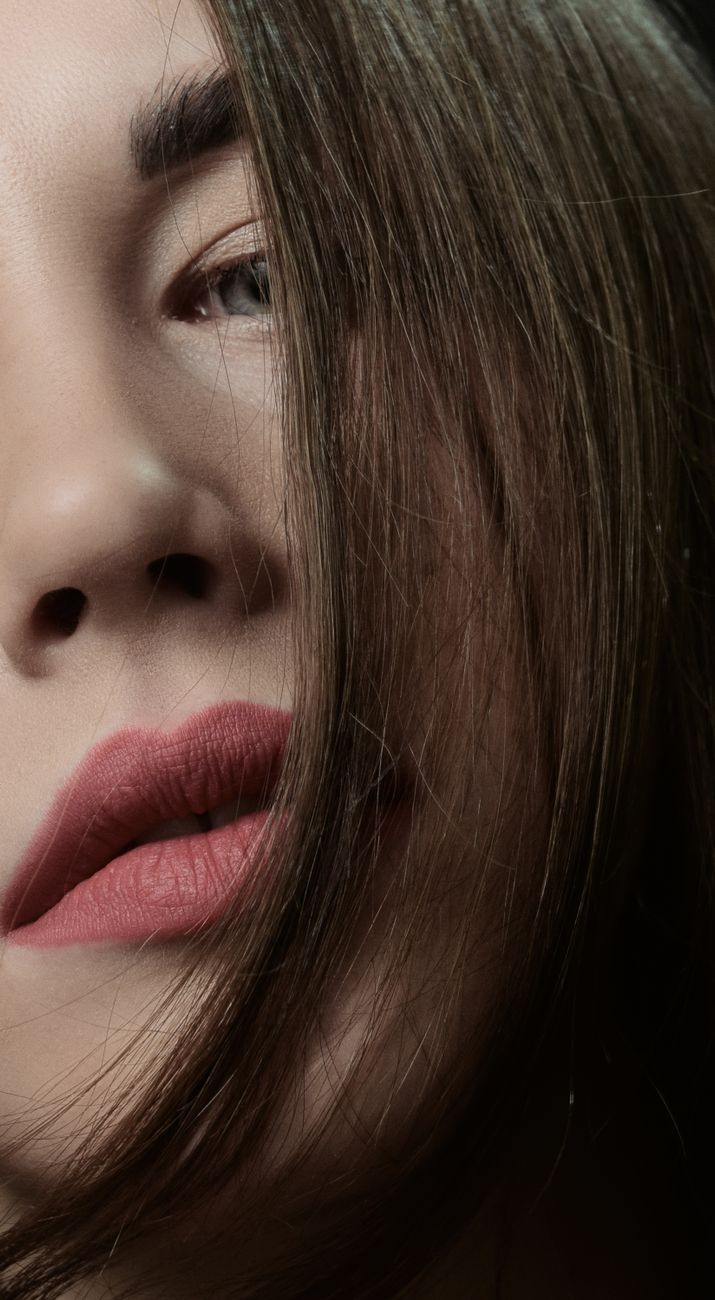
In an image economy where everyone's shooting content under unflattering overhead lighting, brown lips simply perform better than bright colors—they don't wash out, they don't require perfect application, and they read as intentional rather than dated. Makeup artists have figured out that a muted brown lip anchors the face without competing with it, which matters when you're optimizing for the front-facing camera rather than the mirror. The formula works equally well on video calls, in natural light, and in that terrible fluorescent lighting at the office—a rare versatility that bright pinks and classic reds can't deliver.
The Anti-Instagram Face Requires an Anti-Instagram Lip
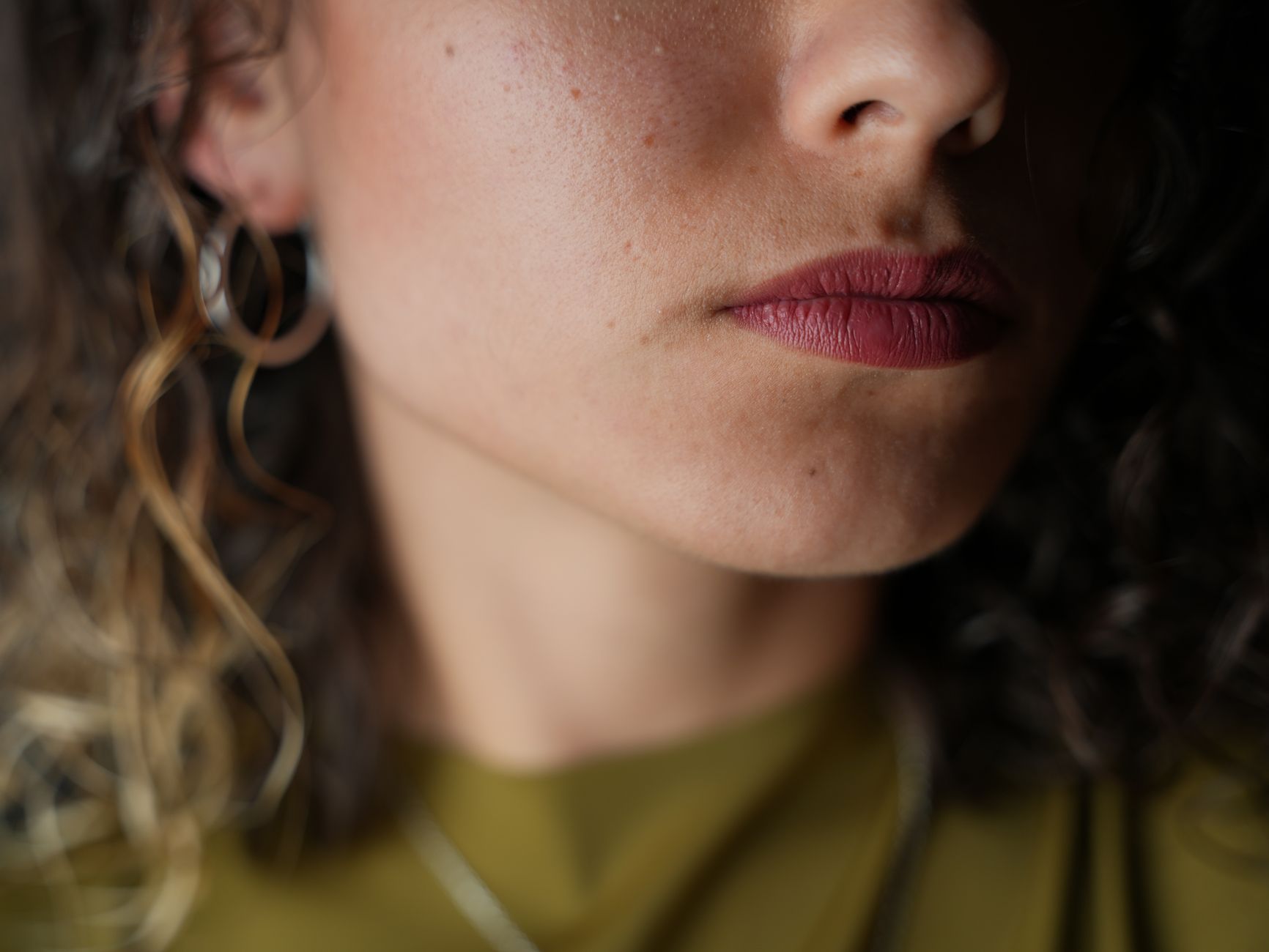
As the pendulum swings away from glass skin, baked contour, and the aggressive luminosity of 2019-era beauty trends, the brown lip has emerged as the natural endpoint of this correction. It pairs with the return of visible pores, strategic undone-ness, and skin that looks like skin rather than a Ring light filter. This isn't about looking "natural"—that tired concept—but about looking considered, expensive, and definitively over the influencer aesthetic that peaked three years ago. Brown says you're done performing accessibility.
Gen Z Found It Without Needing Permission From Millennials
Unlike most nineties revivals that require endless cultural translation and context, younger buyers discovered brown lipstick independently—through Bella Hadid's off-duty looks, Rosalía's genre-defying beauty moments, and a general exhaustion with theussy pink industrial complex. They're wearing it without the baggage, without the reference points, and without needing it to be "ironic" or "vintage-inspired." To them, it's simply the most interesting option in a sea of predictable millennial pink and gen-Z approved terracotta. The lack of self-consciousness is precisely what makes it work.
It Requires Confidence, Which Is Exactly the Point
Brown lipstick doesn't do the wearer any favors—it won't make you look younger, friendlier, or more conventionally attractive by Instagram's standards, which is precisely why it's having this moment. In a culture that's finally, slowly moving past the tyranny of universal likability, brown lips signal that you're not here to make anyone comfortable. It's the beauty equivalent of wearing quiet luxury: it only works if you're secure enough not to need it to work. The women wearing it best aren't asking for permission, and they're certainly not explaining their choices in a caption.