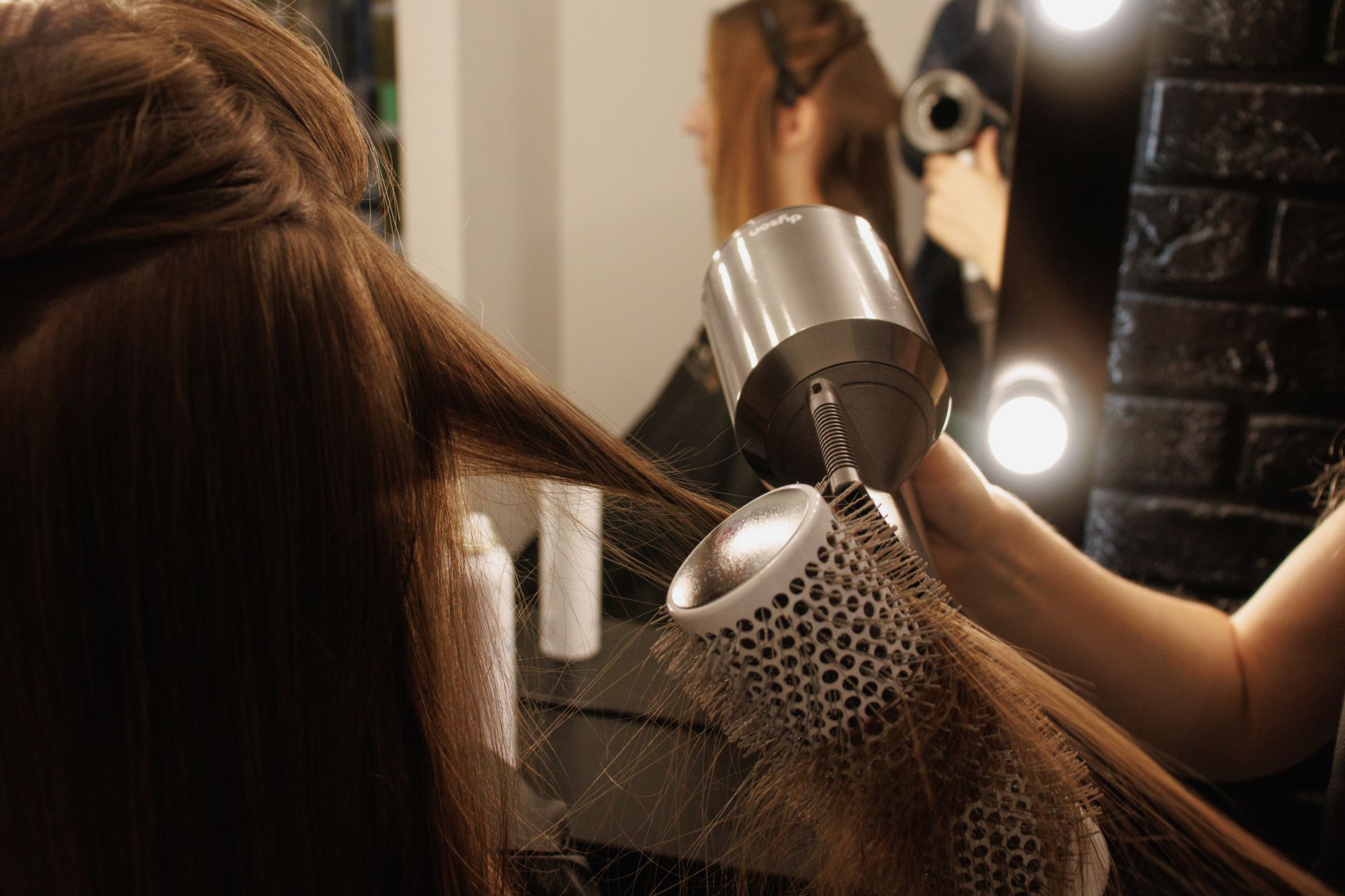
Primer occupies a peculiar position in the beauty ecosystem: universally owned, rarely understood, and impossible to defend with evidence. Ask ten people what it does and you'll get ten different answers—smoothing, gripping, blurring, extending, protecting—none of them wrong, all of them vague enough to be meaningless. The product category thrives on functional ambiguity, a rare case where confusion drives sales rather than deterring them.
What's remarkable isn't that primer works (the jury remains perpetually out), but that the beauty industry has convinced millions of people they need a preparatory step before the preparatory step. It's a masterclass in manufacturing insecurity around invisible problems. Five things happening as primer's identity crisis reaches its zenith.

The Influencer Explanation Industrial Complex
Beauty creators have developed an entire lexicon to justify primer's existence—"tacky base," "grip," "canvas"—words that sound technical but explain nothing. Watch enough tutorials and you'll notice they skip showing the actual before-and-after because there isn't one visible to the naked eye. The genius is in the performance: applying primer looks professional, which makes viewers feel they're missing a crucial step. Primer became essential not through demonstrated efficacy but through ritualized repetition on screen.

Sunscreen Trying to Rebrand as Primer
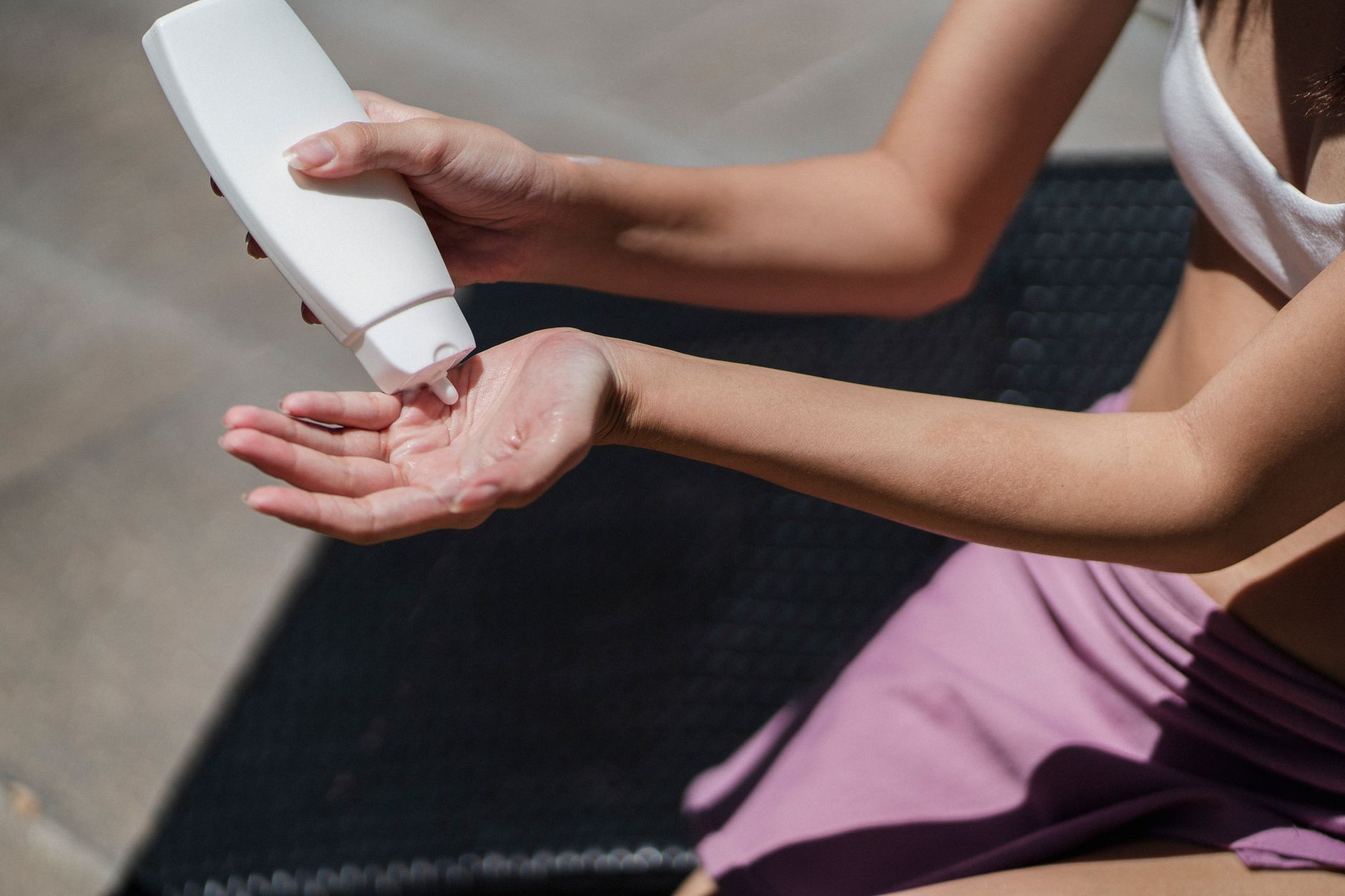
Sunscreen brands watched primer's inexplicable success and wanted in. Now every SPF markets itself as "the perfect primer," hoping to inherit that vague multipurpose credibility. It's a smart play—sunscreen actually does something measurable, but that medical necessity doesn't move product like beauty mystique does. By positioning as primer, SPF gets to be both virtuous and aspirational, the rare beauty product that protects your skin while also, theoretically, doing whatever it is primer does.
The Pore-Filling Placebo Effect
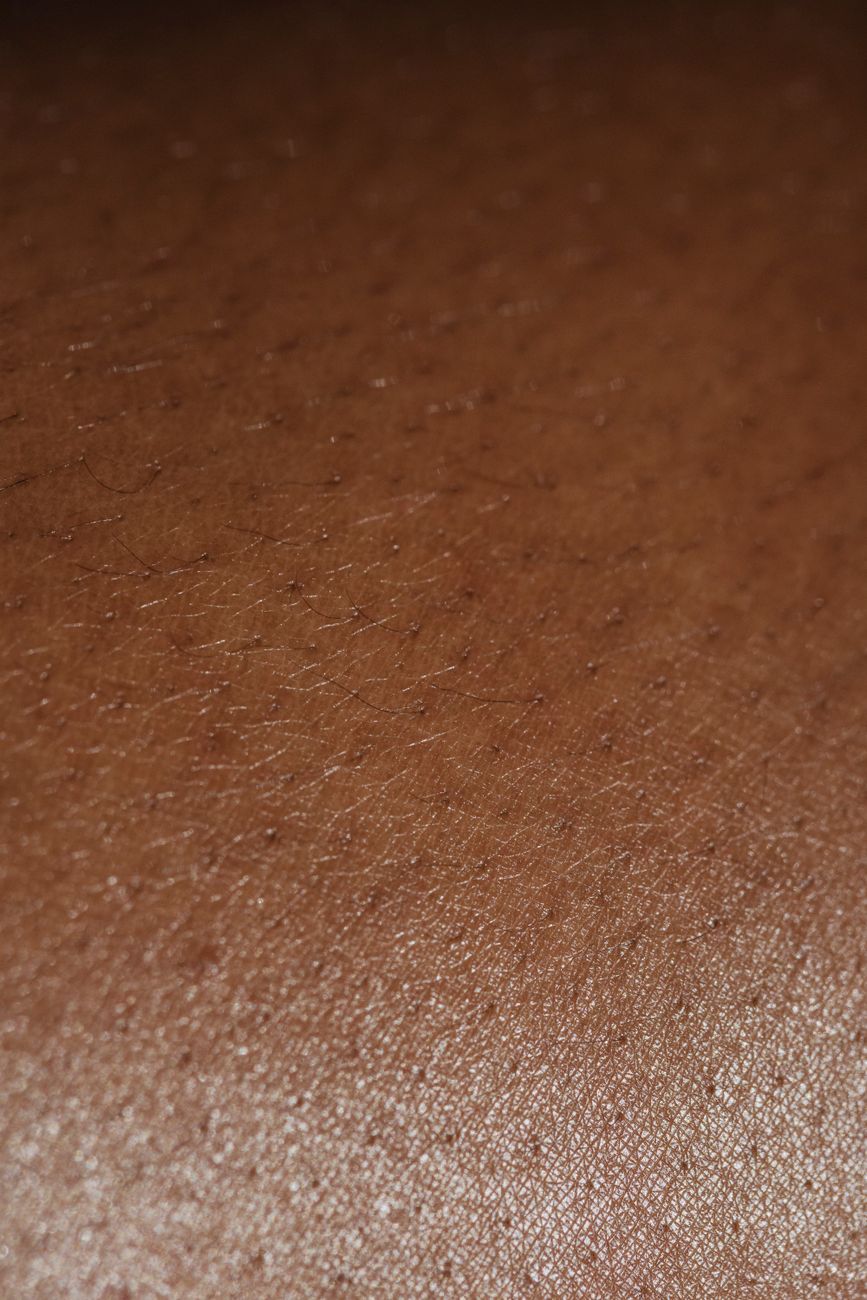
Pore-blurring primers are silicone putty in a luxury package, spackling paste rebranded as skincare. They fill texture temporarily—for maybe twenty minutes—then settle into every line they promised to erase. Yet women keep buying because the initial application feels transformative, like running your hand over sanded wood. The product banks on you forgetting how your skin looked an hour later, and that's not stupidity, that's hope. The beauty industry's most profitable emotion.

Primers Subdividing Into Meaningless Categories
Now there are hydrating primers, mattifying primers, color-correcting primers, illuminating primers—each supposedly solving a different invisible problem. This categorization is pure fiction, a way to sell you four bottles instead of one. The formulas barely differ (check the ingredients), but the ritual of selecting the "right" primer makes the purchase feel intelligent rather than redundant. Specificity creates the illusion of expertise, and expertise implies necessity.
Gen Z Skipping It Entirely
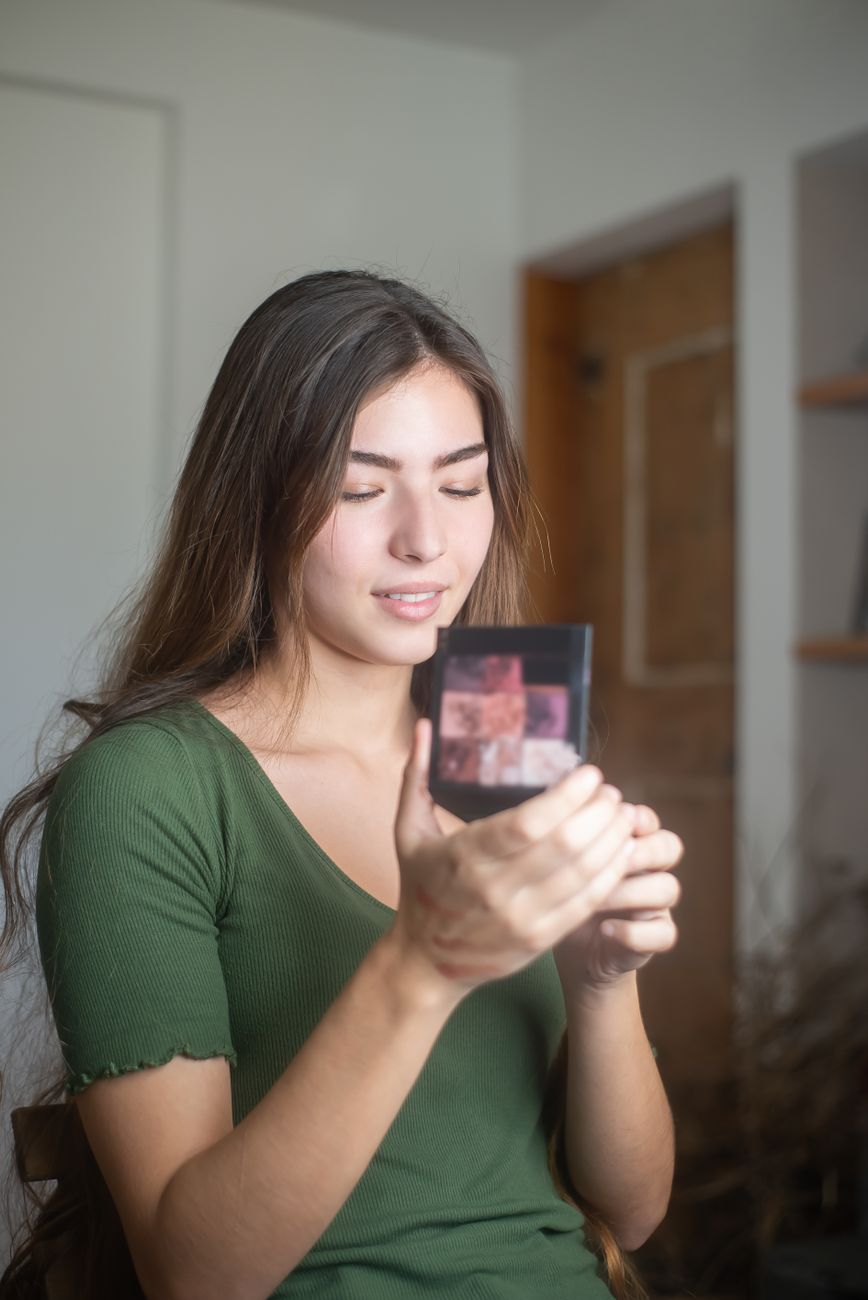
Younger consumers are walking away from primer, not out of rebellion but because they never bought the premise. When your foundation routine is skin tint and concealer, adding a preparatory layer makes no sense. They're also the first generation fluent enough in ingredient literacy to recognize that primer is often just moisturizer at triple the price. The industry sold millennials on complexity; Gen Z is buying it back down to simplicity. Primer's reign depended on no one asking too many questions—that protection is expiring.