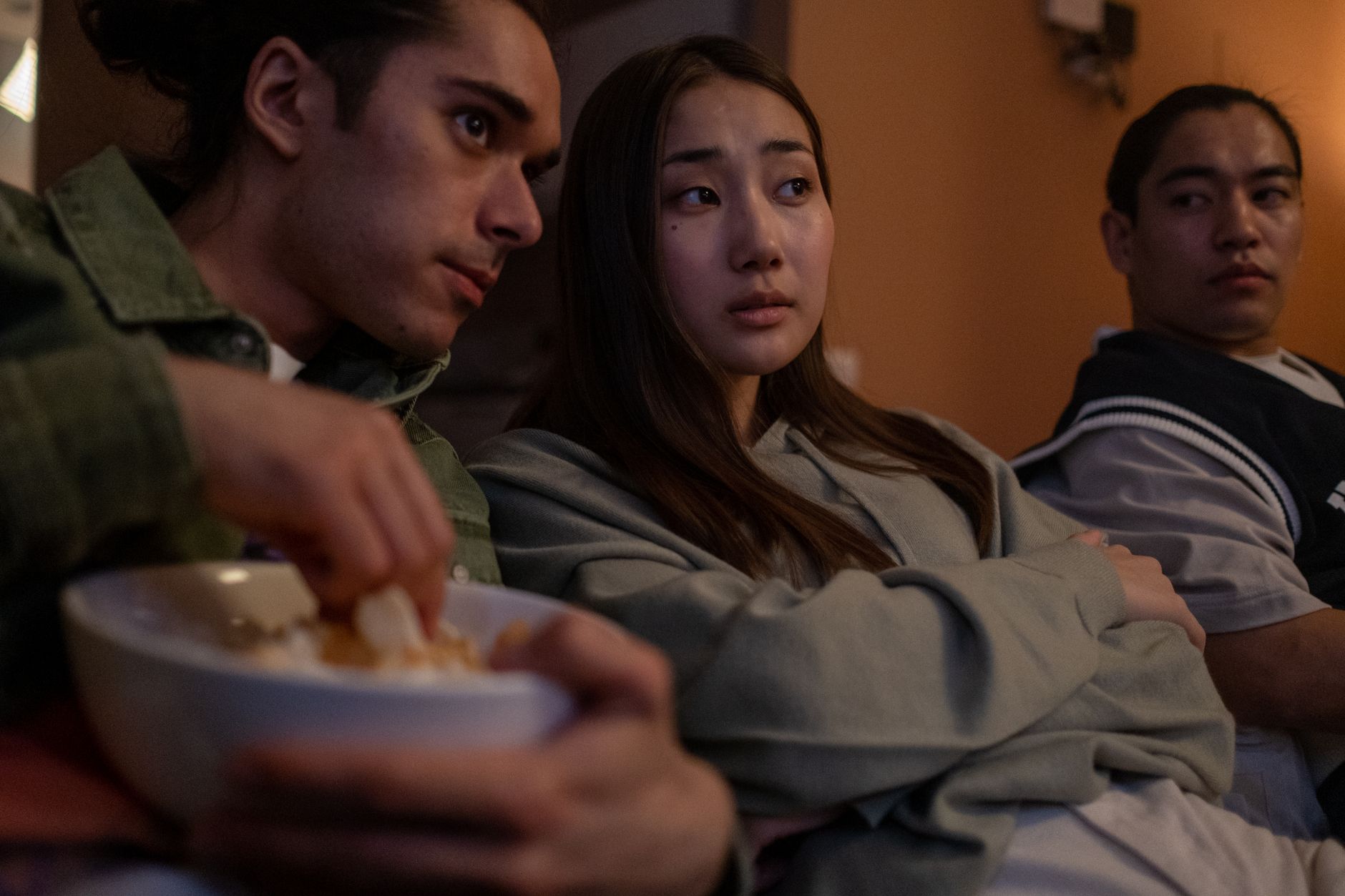
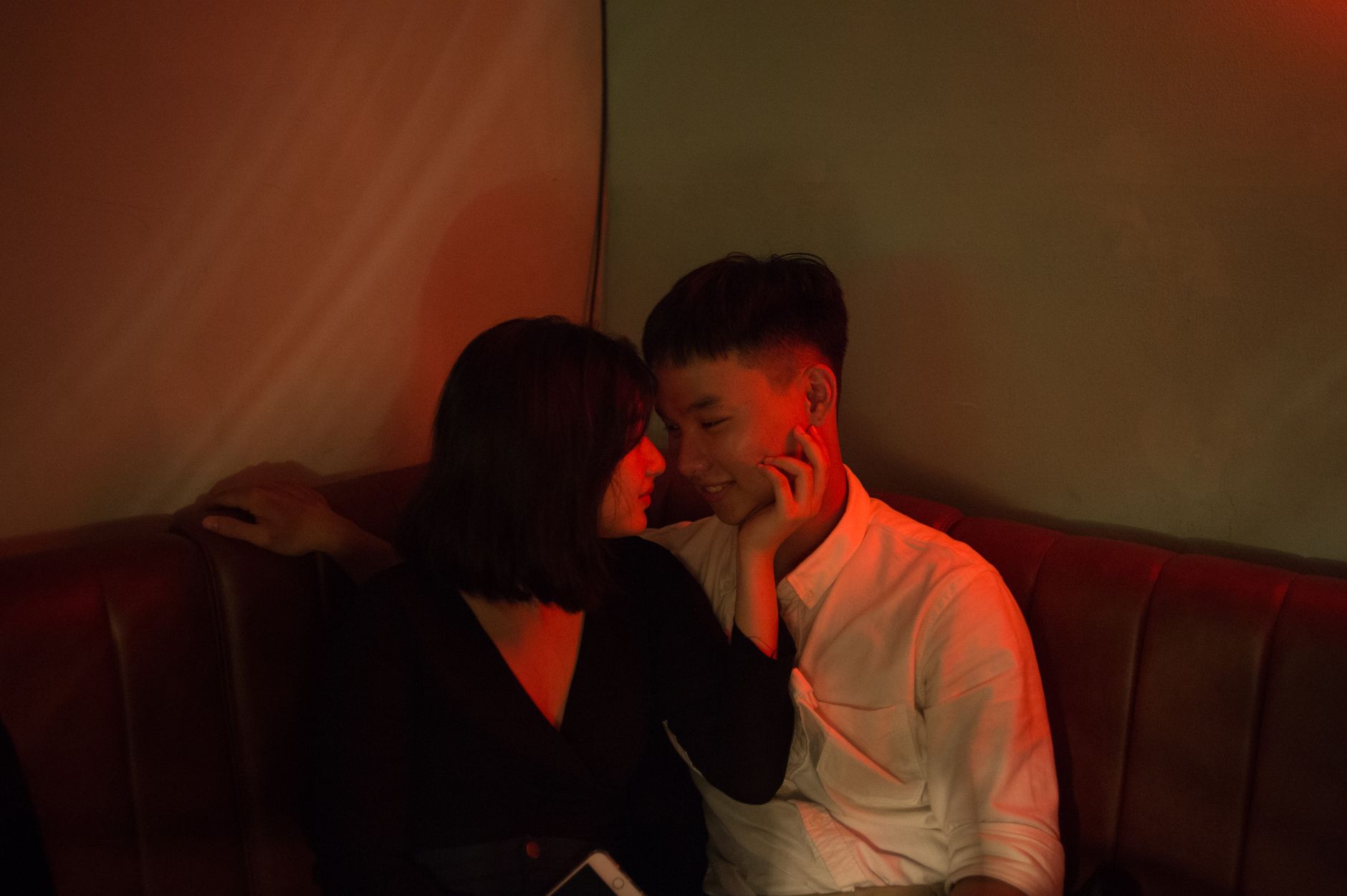
The finsta was supposed to be where you went to be real. A private account for close friends, bad angles, and the kind of drunk stories your employer didn't need to see. But somewhere between 2022 and now, celebrities stopped pretending they had two selves and started collapsing the performance into one feed.
The signal? Untagged photos. Grainy, unflattering, contextless images of famous people posted by other famous people, with no explanation and zero curation. It's not amateur hour—it's a calculated dismantling of the polish that made Instagram feel like a lie. Here's what's driving the shift.
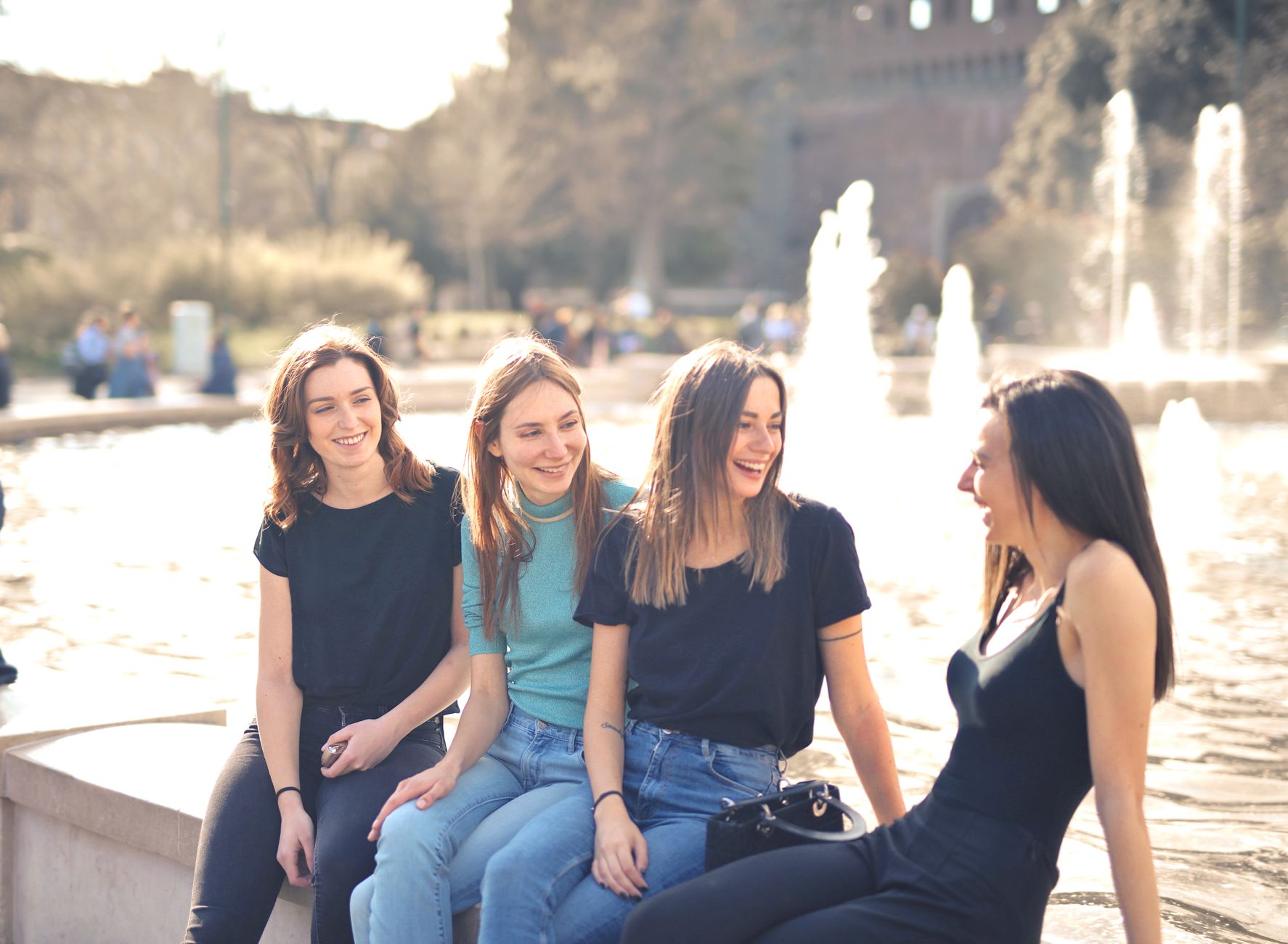
Main character energy is over
The era of the solo grid—perfectly lit selfies, thirst traps, aspirational lifestyle shots—is reading as try-hard. Posting someone else, especially untagged and unposed, signals that you're not performing for an algorithm. You're just... with people. It's a flex disguised as humility, and it works because it suggests your life is too full to document properly.
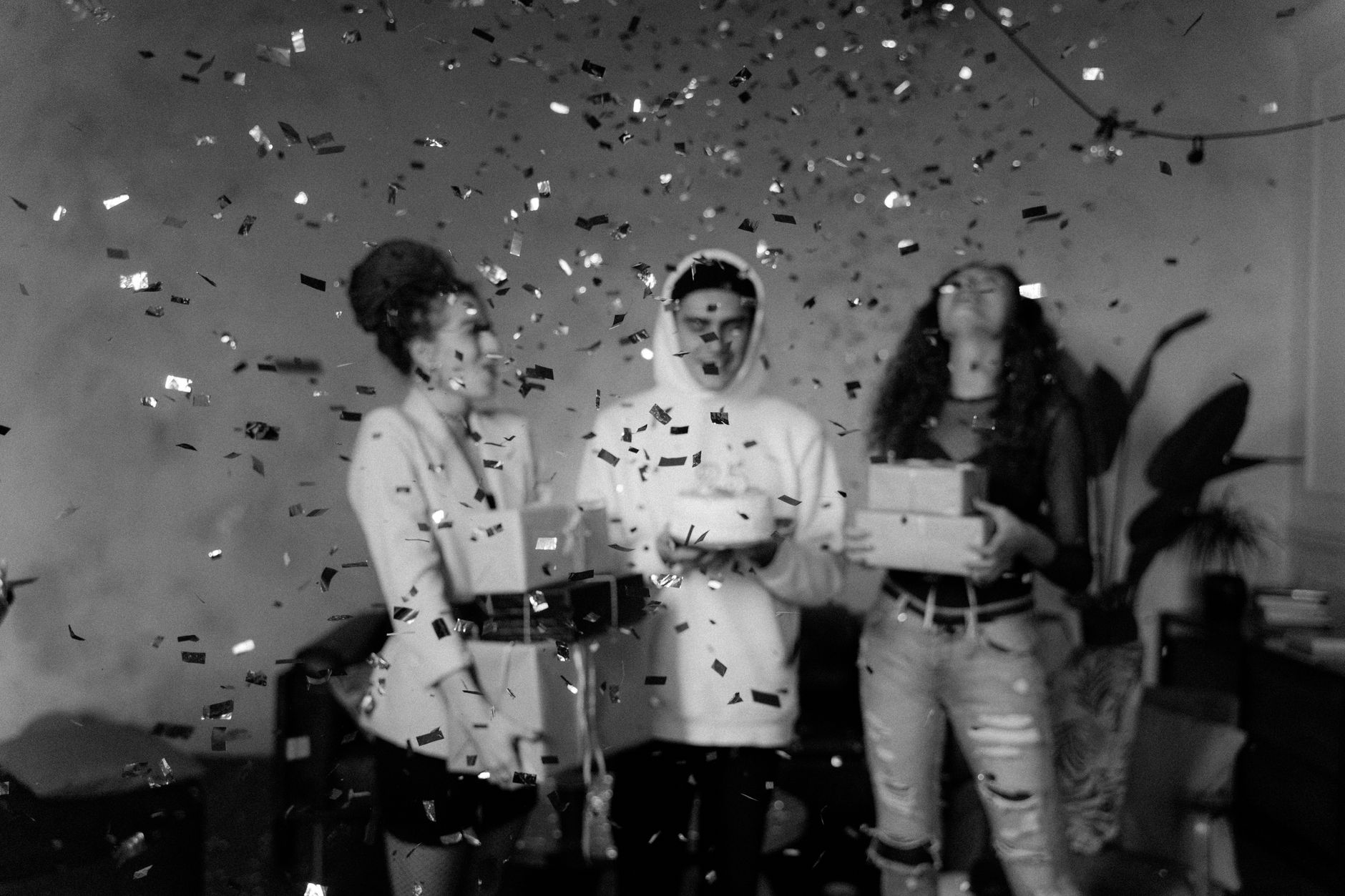
Relatability is the new luxury
Celebrities spent a decade selling aspiration—perfect bodies, perfect homes, perfect lives. Now the currency is connection, and nothing says 'I'm human' like a 0.5x photo where your friend looks deranged. The untagged photo isn't about privacy; it's about performed authenticity. It says: I'm so secure in my fame that I don't need to be beautiful in every frame.
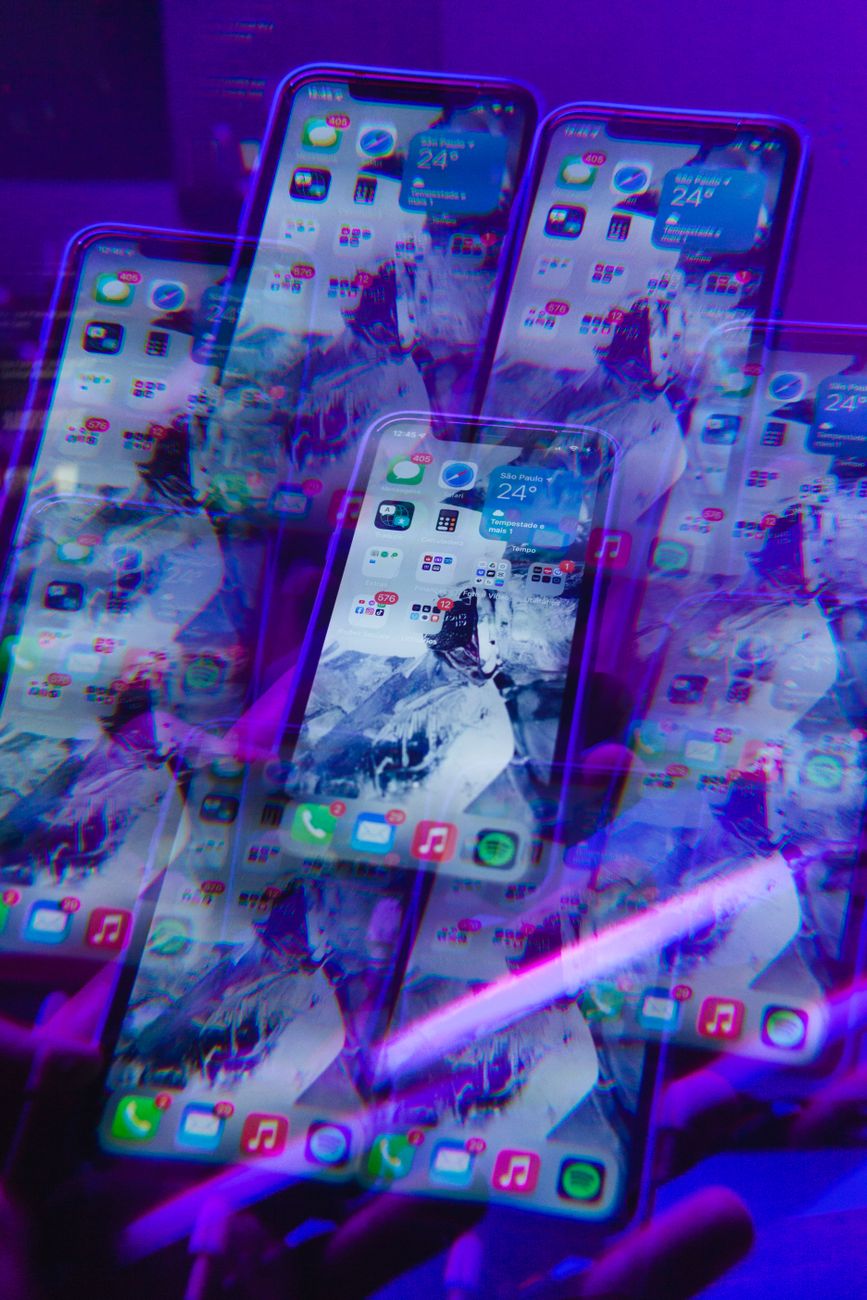
Finsta fatigue hit critical mass
Managing two accounts was exhausting, and the payoff—a smaller audience of 'real' friends—stopped feeling worth it when your main feed became just as sanitized and boring. The candid era collapses that binary. Why maintain a secret account when you can just post mess on main and call it a vibe? The finsta died because the main feed finally loosened up.
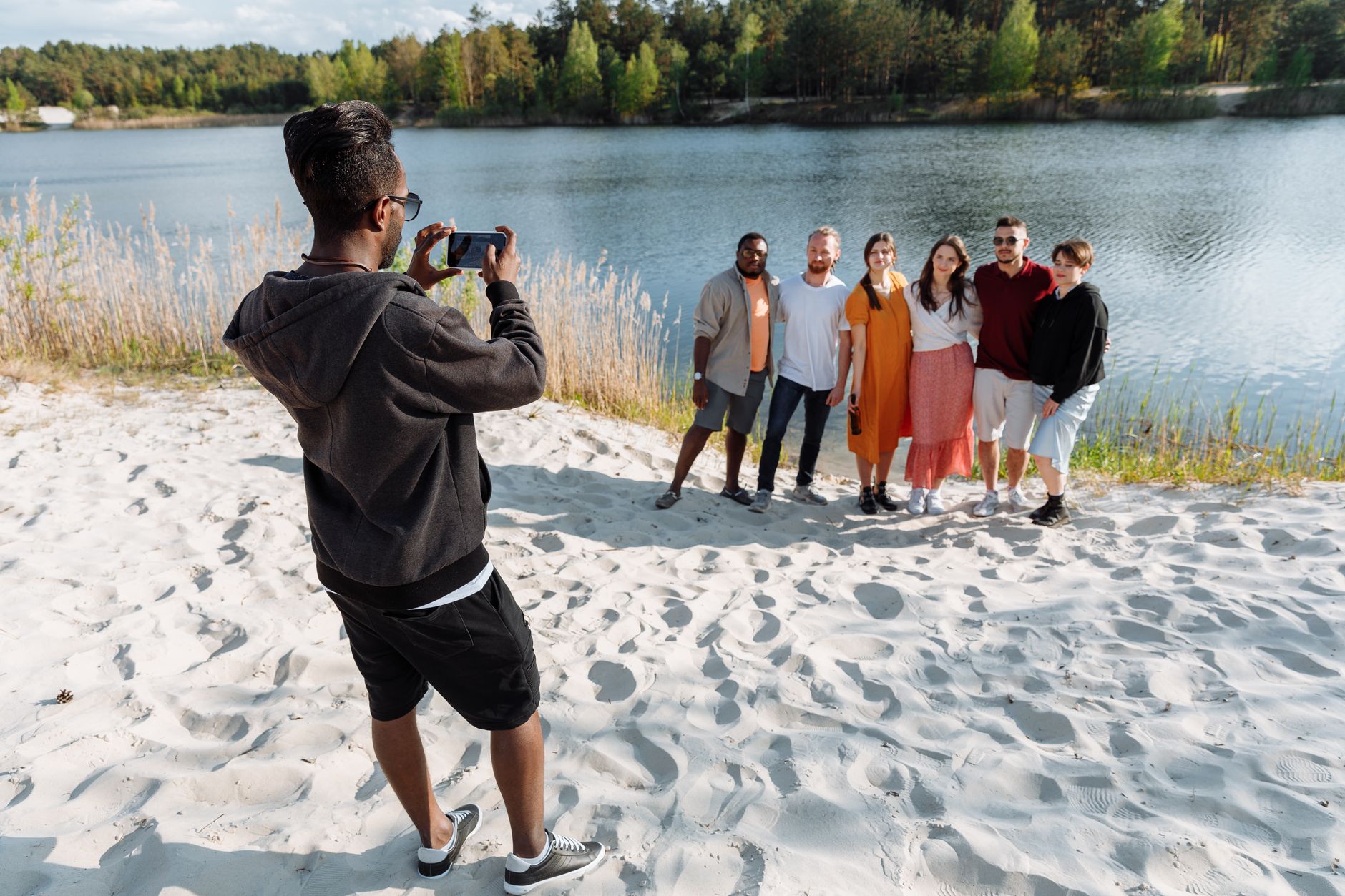
Tagging feels like asking permission
Not tagging someone is a power move. It says: this moment is mine to share, not yours to control. It also adds intrigue—fans have to work to figure out who's in the photo, which drives engagement and makes the post feel more insider. The untagged photo is a boundary and a mystery at once, which is exactly the kind of control celebrities want back from their image.
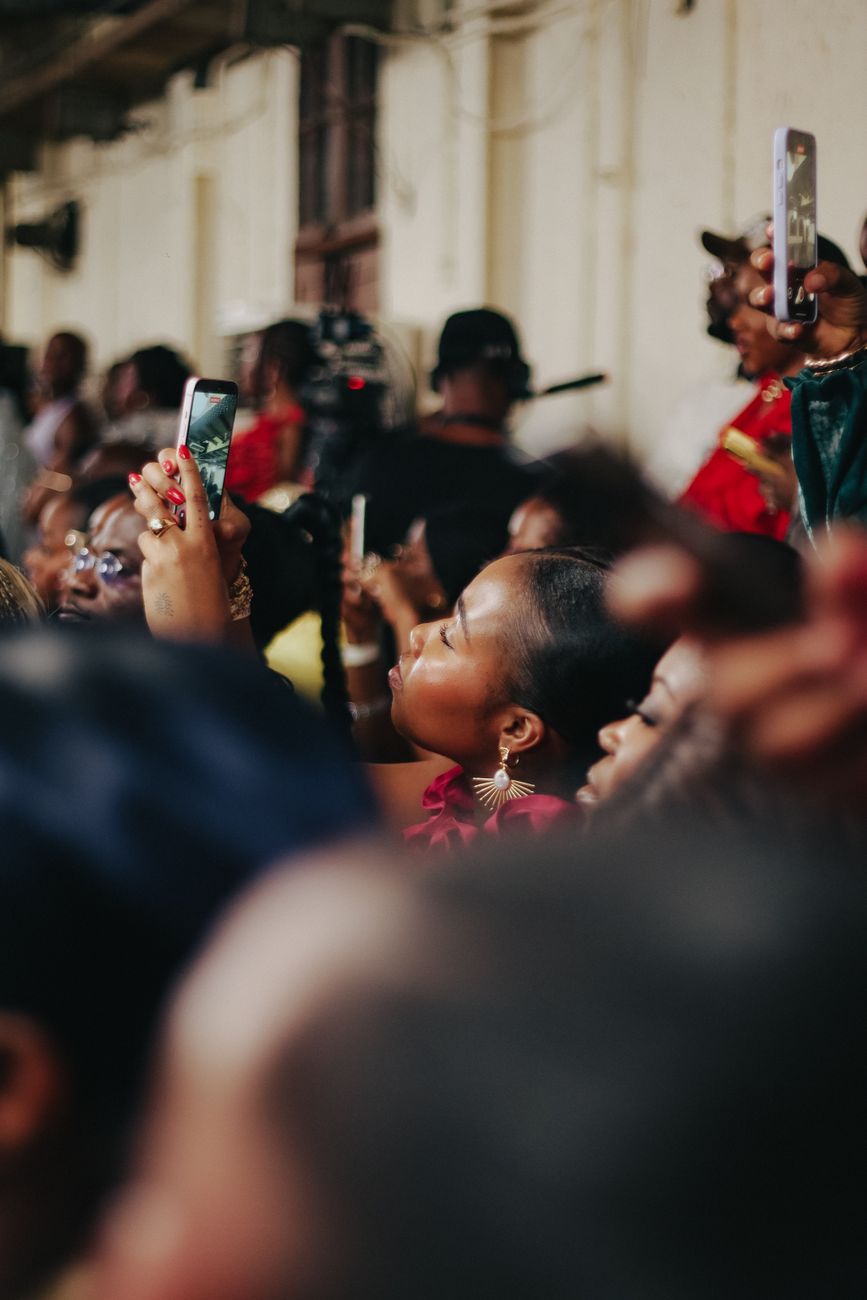
BeReal broke the fourth wall
BeReal normalized the idea that photos don't need to be good to be postable, and that ethos bled into Instagram. Once Gen Z decided that curation was cringe, celebrities had permission to follow. The candid era isn't about rejecting aesthetics entirely—it's about aestheticizing the un-aesthetic. The photo is still a choice, just one that looks like it wasn't.