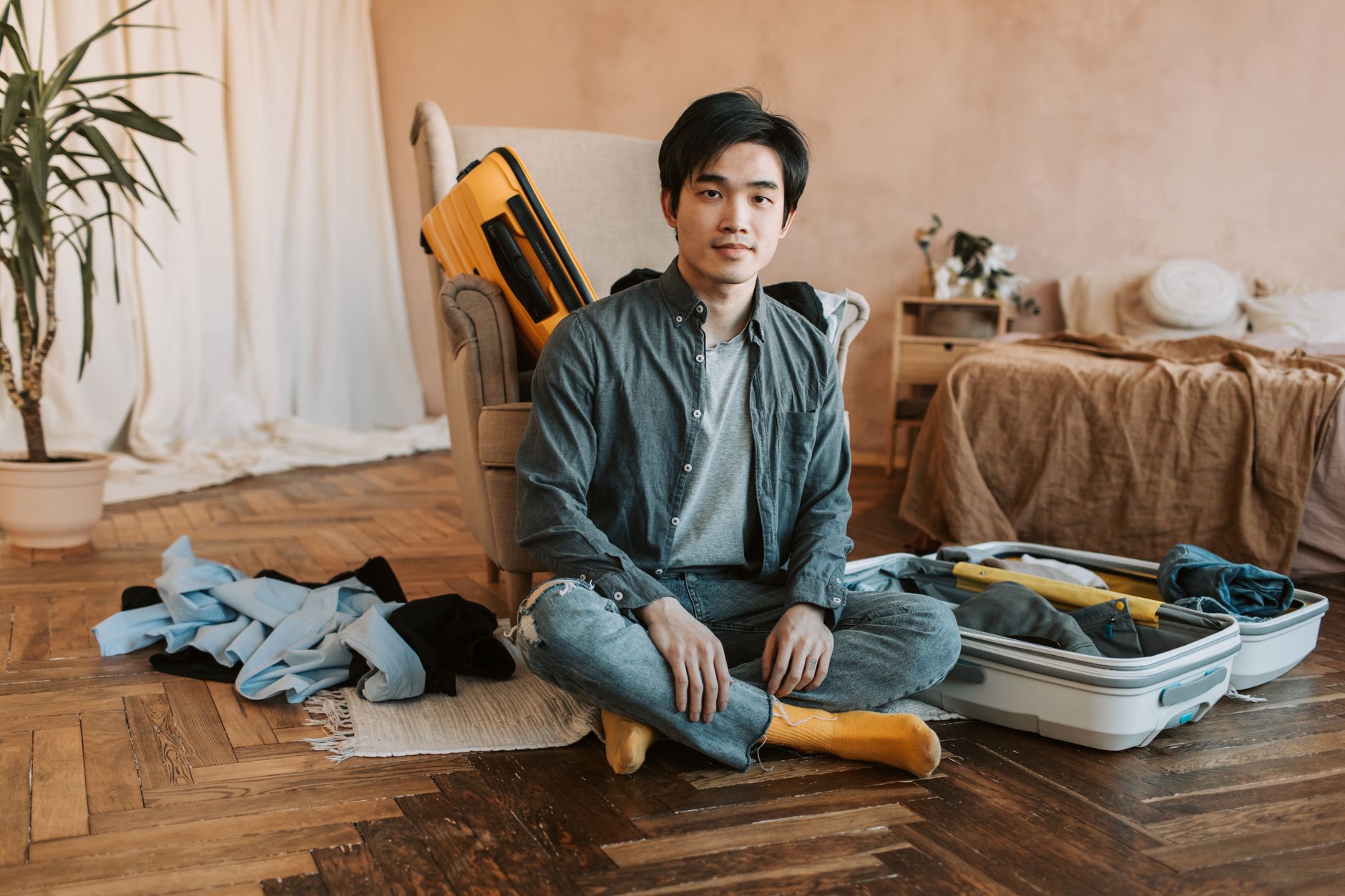
There's a new competitive sport, and it's happening at gate B7. The rules are simple: fit two weeks of your life into a regulation carry-on, document the entire packing process on camera, and make it look effortless. The prize? Moral superiority and the quiet satisfaction of gliding past baggage claim while lesser mortals wait by the carousel.
What started as a practical response to checked bag fees has evolved into a full-blown identity statement. Carry-on maximalism isn't about traveling light—it's about traveling hard, treating packing like a Tetris championship and your luggage like a personal brand statement. Five ways this obsession has taken over.
TikTok turned packing into performance art
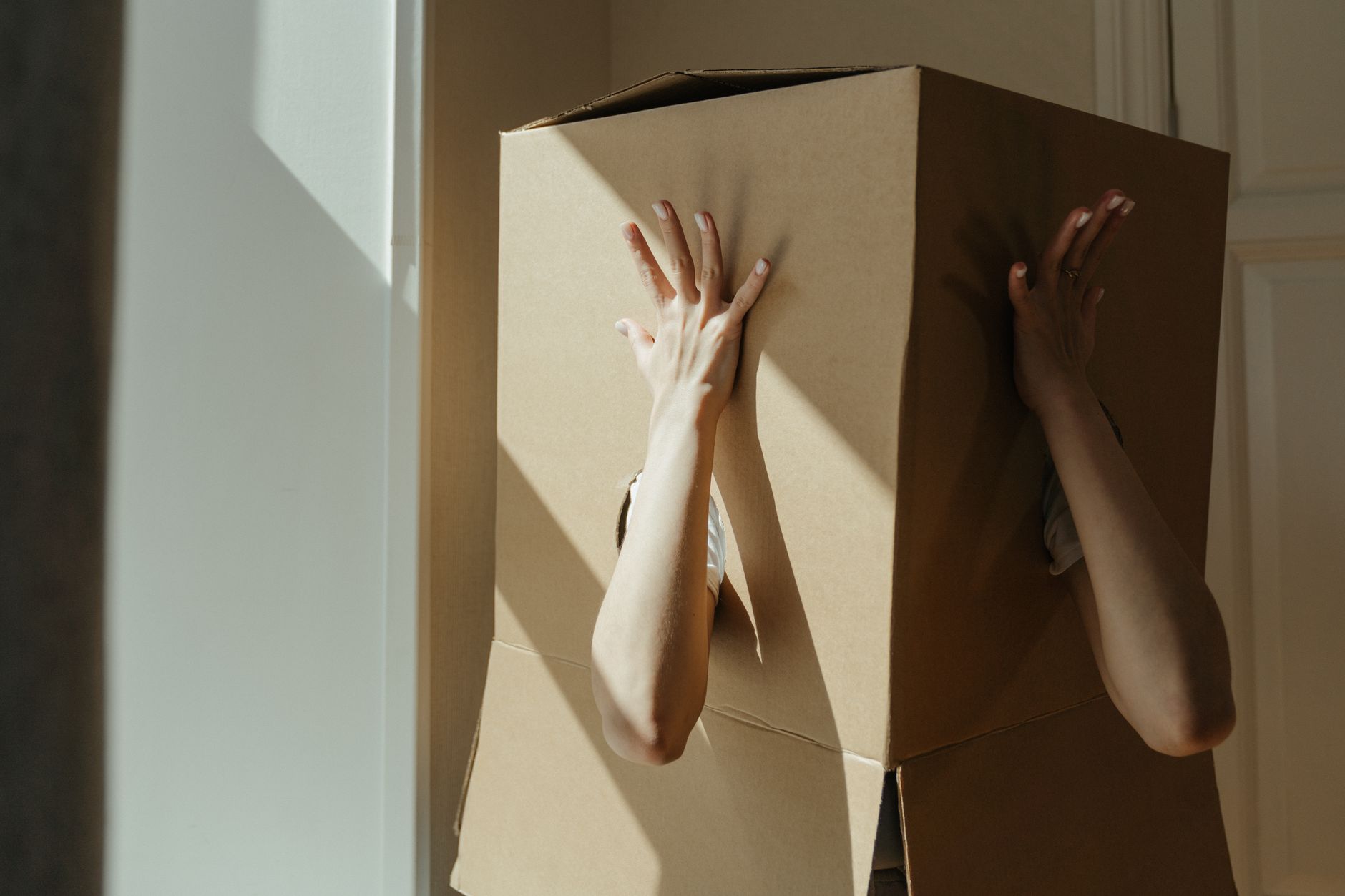
Packing videos now rack up millions of views, with creators narrating every fold, cube, and compression technique like they're defusing a bomb. The camera hovers overhead as hands in neutral manicures arrange linen sets and miniature skincare arsenals with surgical precision. It's not enough to pack efficiently anymore—you need to prove you did it, preferably while explaining your "three-item capsule wardrobe philosophy" to an audience that's somehow both inspired and exhausted by your organizational prowess.
Airlines accidentally created a class system based on luggage restraint
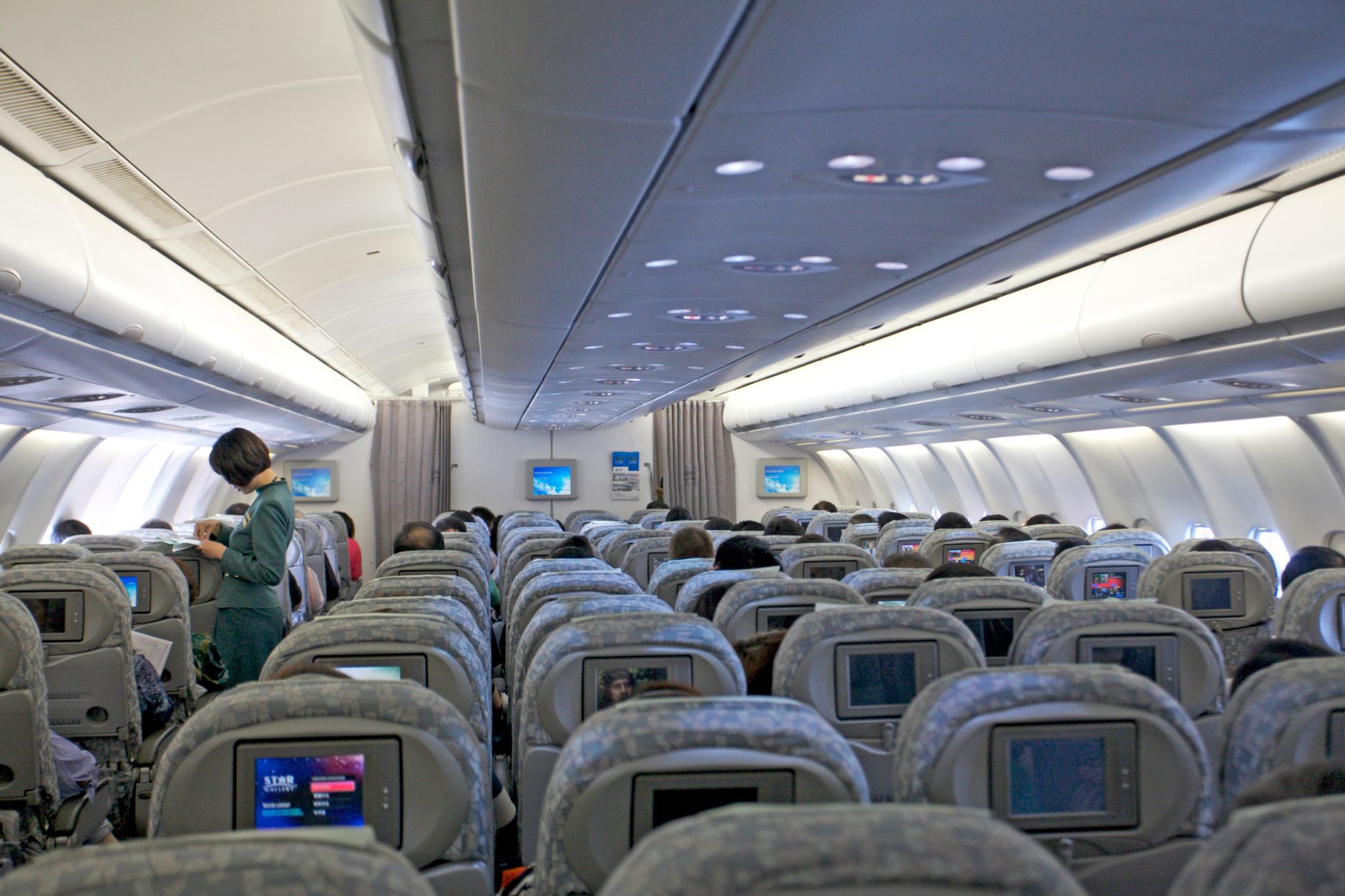
Priority boarding has always separated travelers by wallet size, but now there's a subtler hierarchy: those who master the carry-on versus those who surrender to the checked bag. Gate agents have become the referees in a silent war between the packing elite and everyone else dragging oversized "personal items" that clearly violate dimensional reality. The carry-on maximalist boards early, smug in their efficiency, while checked luggage users face the walk of shame to the oversized baggage counter.
Luxury packing cubes cost more than the flights themselves
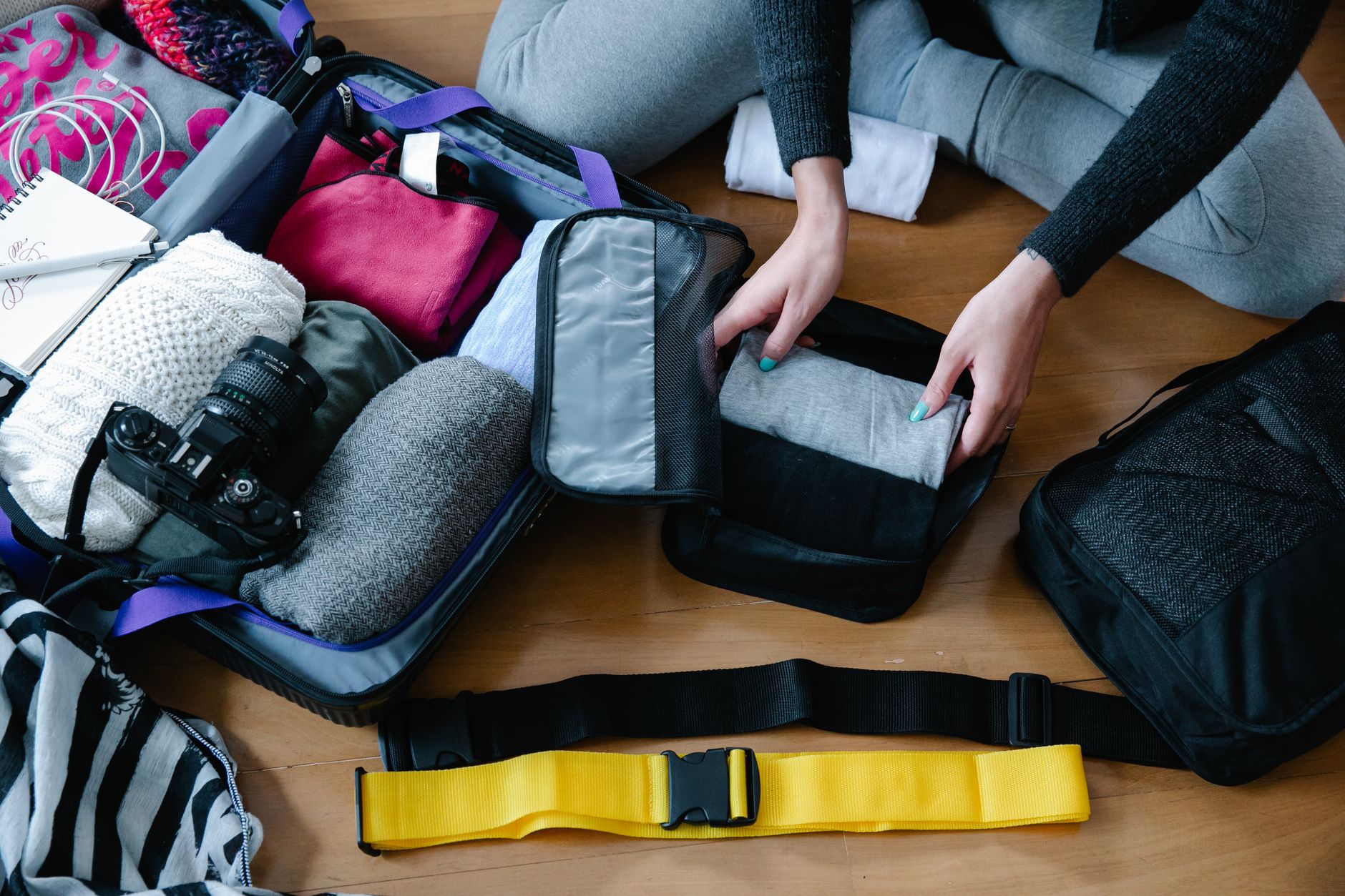
A cottage industry has emerged selling $200 mesh squares that promise to "revolutionize" how you organize socks. Brands like Monos and Away have convinced an entire generation that compression cubes in complementary colorways are essential infrastructure, not optional accessories. The math rarely adds up—spending $400 on organizational tools to avoid a $35 checked bag fee—but that's not the point. Owning the right packing ecosystem signals you're the kind of person who has life handled, even at 35,000 feet.
The capsule wardrobe became a travel flex, not a minimalist principle
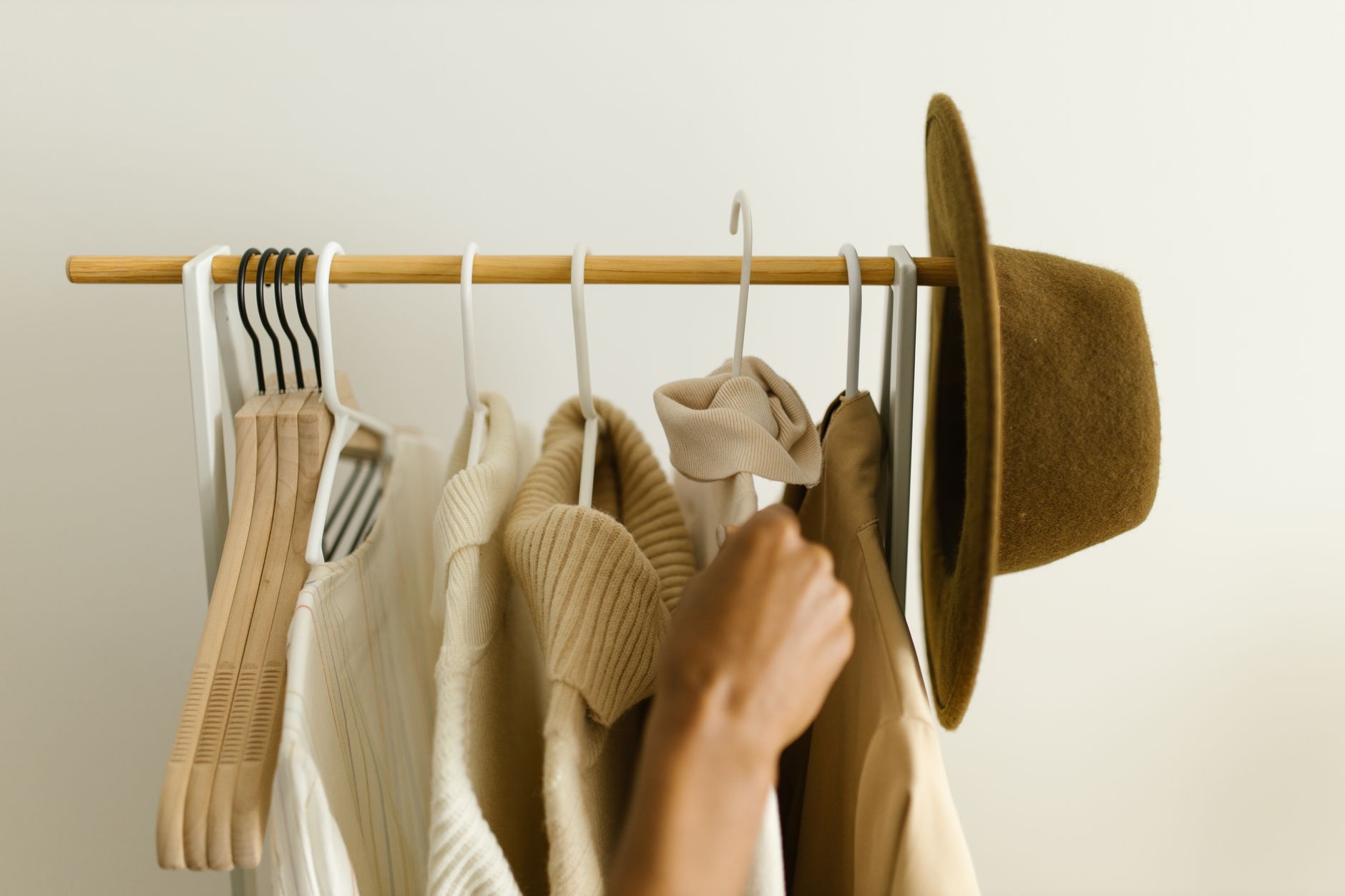
Minimalism was supposed to free us from stuff, but the carry-on movement turned it into a different kind of consumption Olympics. Now you need seven identical silk shirts in strategic neutral tones, each one wrinkle-resistant and "versatile enough" to go from airplane to aperitivo. The goal isn't owning less—it's owning the exact right things that photograph well when arranged in your suitcase and perform flawlessly across contexts. It's maximalism cosplaying as restraint.
Lost luggage anxiety transformed into cultural currency
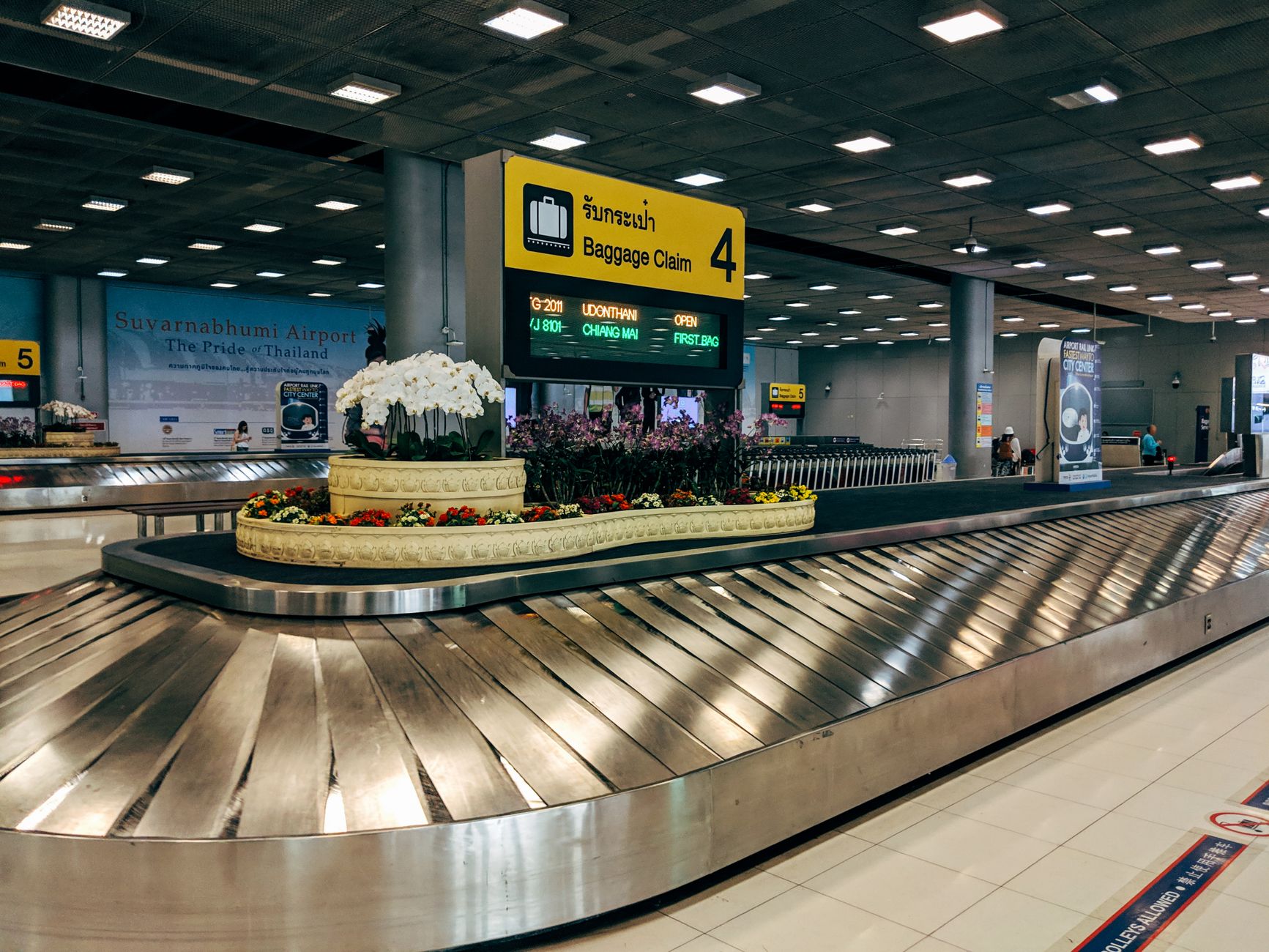
Summer 2022's baggage handling meltdown didn't just create travel chaos—it created a new genre of superiority. Carry-on loyalists emerged from that airport apocalypse like survival experts, their "I told you so" energy palpable. What was once a pragmatic choice became a personality trait, a way to signal preparedness in an unpredictable world. The carry-on maximalist doesn't just pack light—they've opted out of vulnerability entirely, or at least the vulnerability of trusting an airline with their belongings.