You've already paid for your flight, your hotel, your museum tickets. Now, the city itself wants a cut. Tourism taxes have evolved from quiet line items on hotel bills into full-blown entry fees that rival concert tickets. Venice charges €5 just to walk in. Iceland taxes every overnight stay. Bhutan's daily fee exceeds what some people spend on an entire vacation.
This isn't about covering municipal costs anymore. It's about controlling crowds, funding infrastructure, and—let's be honest—capitalizing on demand. Cities have figured out that if people will fly 12 hours to see them, they'll pay an extra €20 without blinking. Here's what's actually happening as destinations worldwide start charging admission to themselves.
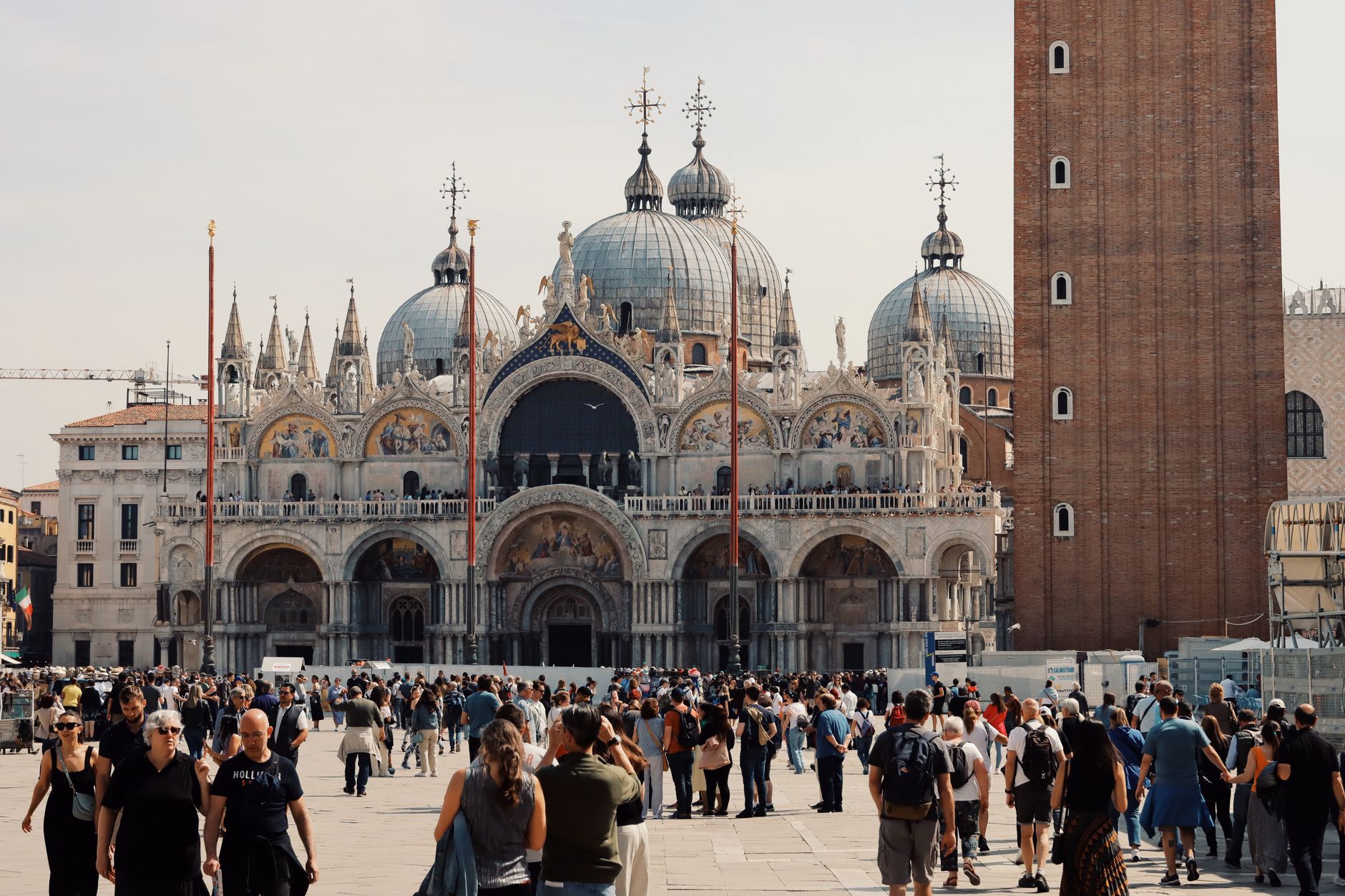
The Pay-to-Enter Era Has Officially Arrived
Venice launched its day-tripper fee in 2024, becoming the first major city to charge tourists simply for existing within its borders. It's a preview of what's coming everywhere else. Amsterdam, Barcelona, and Florence are all exploring similar schemes. The logic is simple: if overtourism is the problem, price becomes the solution. Cities that once competed for visitors are now figuring out how to limit them—and profit from those who still come.

Sustainability Is the Excuse, Revenue Is the Goal
Every new tourism tax comes wrapped in language about environmental protection and infrastructure repair. Some of it's genuine—Bali's $10 fee funds temple restoration. Most of it, though, just disappears into general municipal budgets. Thailand's tourist tax was supposed to fund visitor insurance; the program still doesn't exist. The performative concern for sustainability gives cities political cover to extract more money without admitting they're simply monetizing their own appeal.
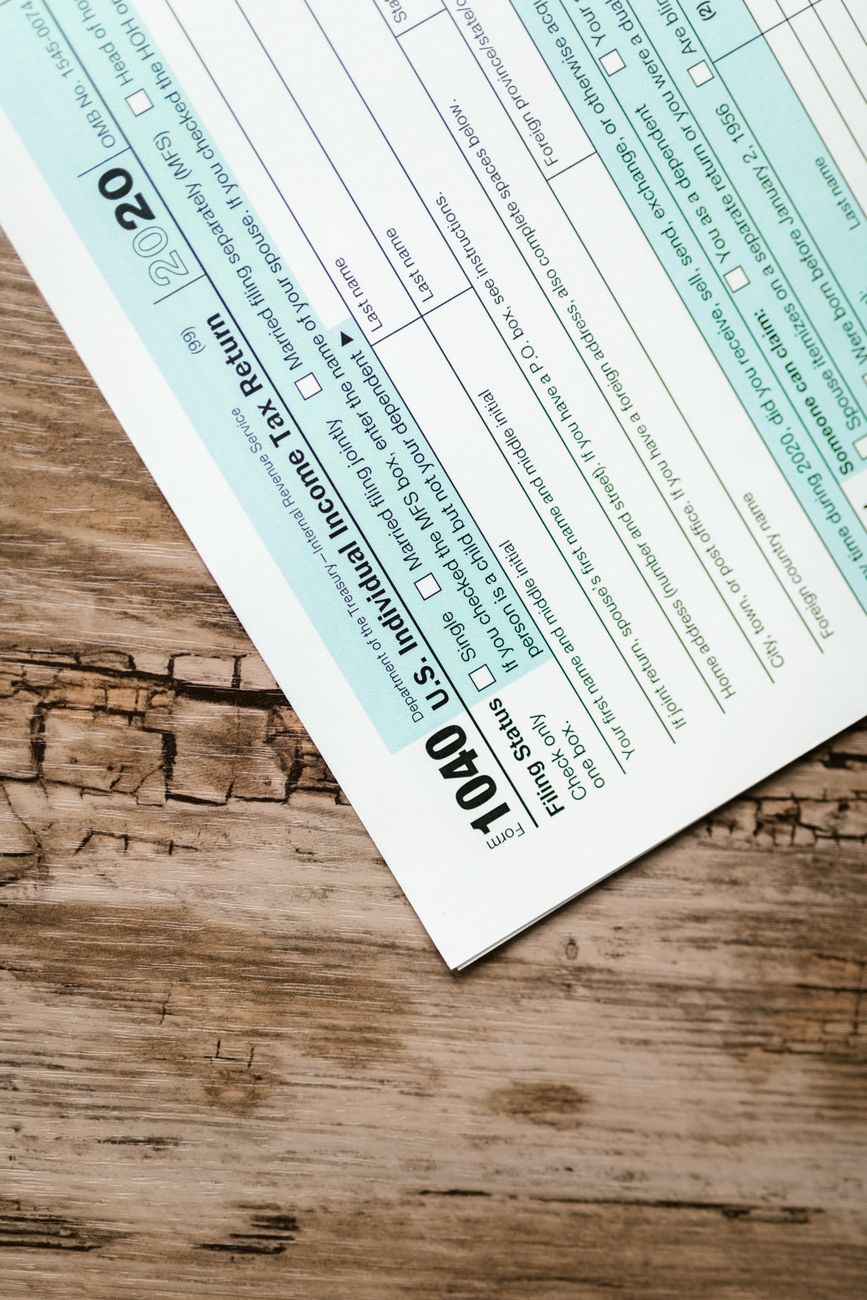
Hotels Became Accidental Tax Collectors
Accommodation taxes have exploded from a few euros to 10-15% surcharges in major cities. Paris adds €15 per night in luxury hotels. New York's combined taxes hit 14.75%. Hotels hate being the middlemen—they're stuck explaining fees they don't control while watching guests balk at final bills that far exceed the quoted rate. The friction is intentional. Cities get their revenue without taking political heat, and hotels absorb the customer service nightmare of explaining why a €100 room actually costs €140.
Tiered Pricing Is Creating Tourism Class Systems
Bhutan charges most tourists $200 per day but cuts rates for Indians. Japan's considering differential pricing for domestic versus international visitors. Even Venice's day fee has exemptions that essentially separate desirable tourists from disposable ones. We're moving toward a world where your passport determines what you pay to visit the same place. It's economically rational and philosophically uncomfortable—a system where travel becomes even more stratified by wealth and origin than it already is.

The Real Cost Is Invisibility, Not Compliance
What nobody mentions: these fees only affect people who follow rules. Day-trippers paying Venice's €5 are subsidizing everyone who just walks in unchecked. Cruise passengers paying Alaskan port fees are funding infrastructure while Airbnb guests dodge hotel taxes entirely. The system is porous by design—cities want the revenue and the crowd control messaging, but lack the political will for actual enforcement. The result is a two-tier reality where compliant tourists fund the experience for everyone else.