Glass skin had a good run. For approximately four years, the beauty world obsessed over achieving that high-shine, mirror-like complexion that looked objectively sweaty in real life but somehow aspirational on Instagram. Then Korea—the undisputed minister of skincare trends—issued a new directive: cloud skin. Matte, blurred, diffused. The industry genuflected immediately.
What's fascinating isn't the trend itself but the speed of collective compliance. One day, everyone's patting in seventeen layers of essence for maximum reflectivity. The next, we're all blurring and mattifying like our previous devotion never existed. We tracked how this shift happened and what it reveals about beauty's obedience economy.
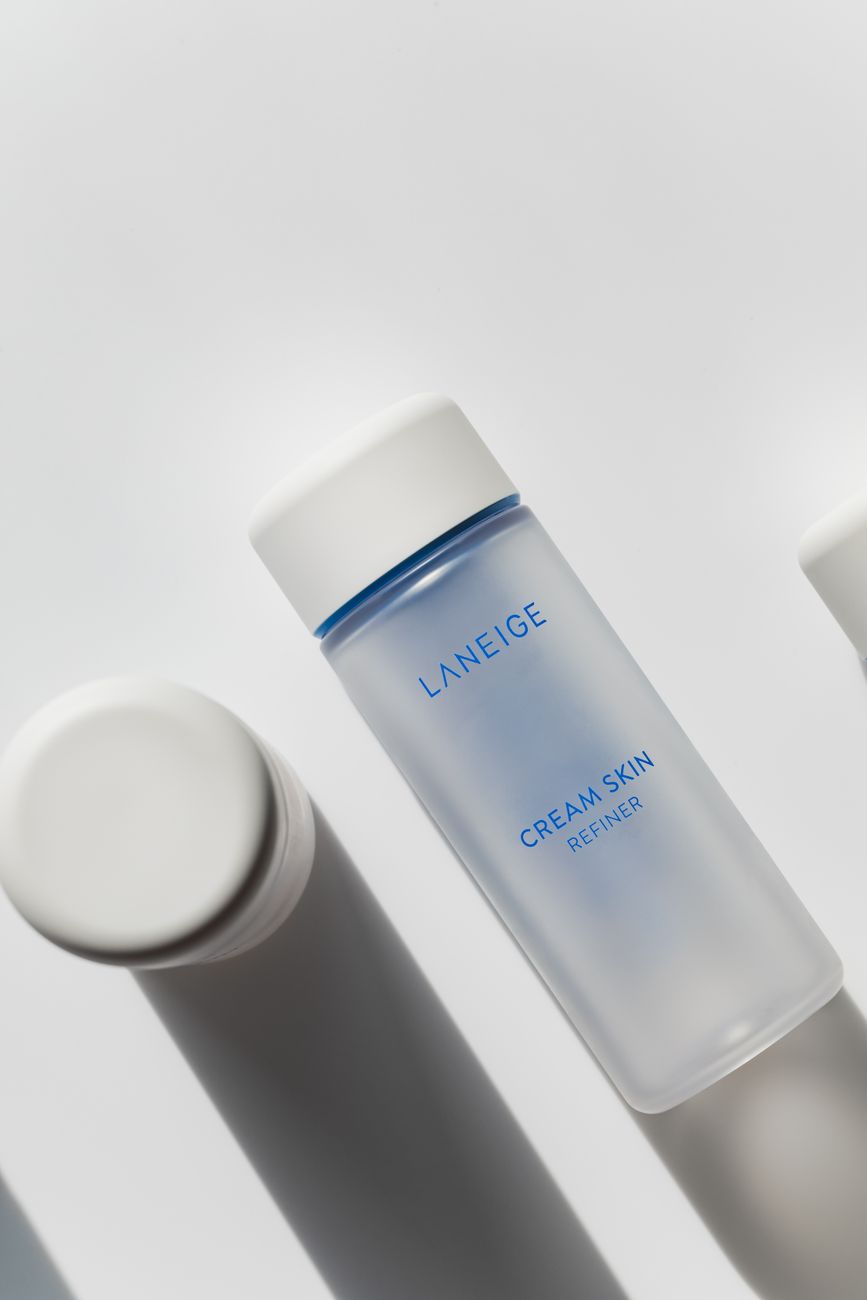
Korea's skincare authority operates like fashion's see-now-buy-now model
When Seoul's beauty institutions declare a new aesthetic, the global industry doesn't question it—they reverse-engineer product lines. Cloud skin emerged from K-beauty's perpetual innovation cycle, where trends have roughly 18-month lifespans before planned obsolescence kicks in. Glass skin's dewy maximalism suddenly read dated, a victim of its own ubiquity. The message: your 12-step routine needs an immediate software update, and yes, that requires new hardware.

The blur effect is really just strategic focus manipulation
Cloud skin's appeal lies in its optical trickery—that diffused, out-of-focus quality that mimics a Gaussian blur filter applied directly to your face. It's genius, actually. Where glass skin demanded genuine textural perfection, cloud skin offers plausible deniability through soft-focus. Your skin doesn't need to be flawless; it just needs to look like it's being photographed through gauze. It's the beauty equivalent of Zoom's touch-up-my-appearance feature, except you're wearing it to the grocery store.
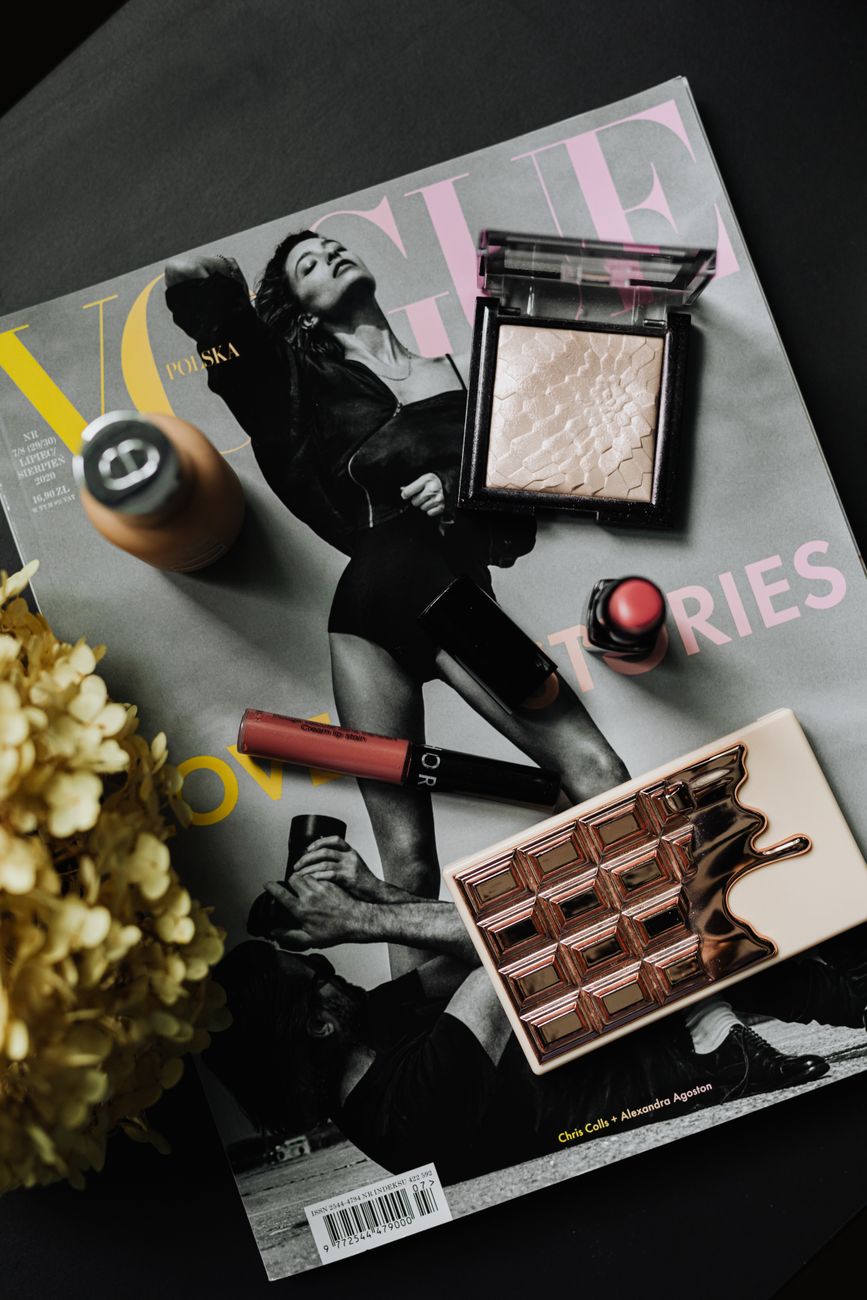
Matte foundations suddenly have narrative relevance again
For years, matte formulas gathered dust while dewy highlighters and luminous primers dominated. Cloud skin reversed the hierarchy overnight. Brands scrambled to rebrand existing matte products with softer language—"velvety," "petal-soft," "cashmere finish"—because calling something matte now sounds aggressively 2016. The formulations barely changed, but the framing did. It's the same product with better PR, which is essentially how most beauty innovation works anyway.

Influencers performed synchronized trend abandonment
The speed at which beauty creators pivoted from glass to cloud was almost surgical. No transition period, no acknowledgment of the abrupt shift—just immediate adoption of new terminology and techniques. One week, everyone's talking about "chok chok" skin; the next, it's all "soft blur" and "airbrushed by nature." This collective amnesia is the industry's most reliable feature. When Korea issues new marching orders, the influencer class mobilizes like a well-funded army, and their audiences follow because FOMO is a more powerful motivator than personal preference.
Your bathroom shelf became instantly obsolete by design
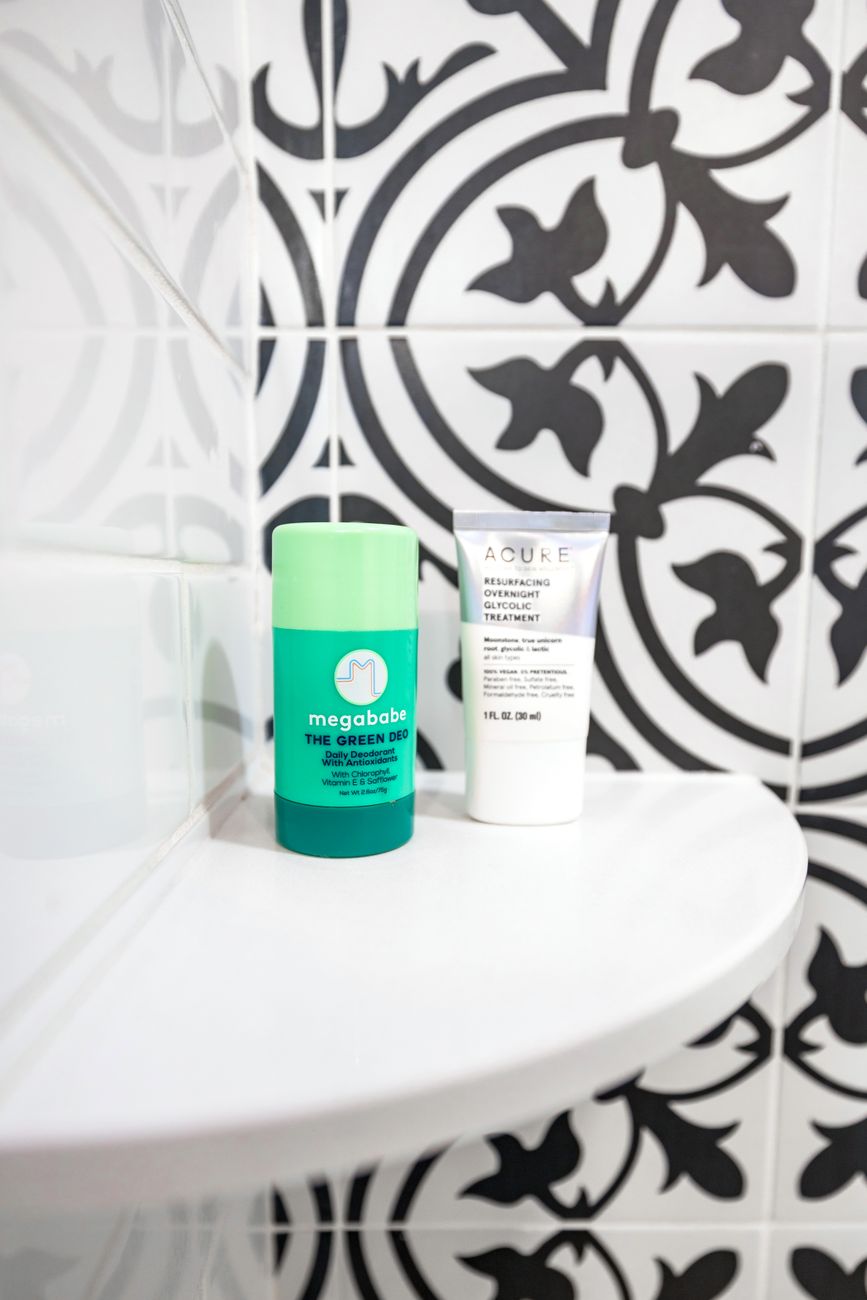
Cloud skin's true function isn't aesthetic innovation—it's planned obsolescence for your skincare wardrobe. Those glow serums and illuminating primers you stockpiled? Suddenly wrong. The industry needs you to buy a new category of products: pore-blurring primers, velvet-finish moisturizers, soft-focus setting powders. It's a brilliant business model disguised as editorial guidance. Korea didn't just introduce a new trend; they engineered a mass replacement cycle. And we're all complying because the alternative—admitting we're satisfied with what we already own—is somehow more uncomfortable than starting over.