Somewhere between 2019's cut-crease tutorials and today's barely-there washes of colour, eyeshadow primer quietly exited the conversation. The product that beauty editors once called "non-negotiable" now sits untouched while makeup artists deliberately smudge shadow with their fingers, skip the base, and call it technique.
This isn't about laziness or a simplified routine. It's a complete philosophical shift in how we want makeup to behave on our faces. Perfection has become suspect. The makeup that moves, fades, and settles into your actual skin texture is now the makeup that looks expensive.
Creasing became a texture, not a problem
The anti-crease agenda that dominated the 2010s has collapsed. What was once considered a makeup failure—shadow settling into the lid, colour migrating, that soft fade by midday—now reads as authenticity. Makeup artists are actively encouraging crease action, treating it like the natural patina that makes something look worn-in rather than manufactured. The difference between "my makeup is breaking down" and "my makeup looks lived-in" is entirely about intention, and right now, intention has shifted.
The French-girl effect reached critical mass
After years of aspirational adjacency, the French approach to beauty finally infiltrated the mainstream with actual conviction. It's not about buying French pharmacy products anymore—it's about adopting the philosophical rejection of trying too hard. Primer represents effort, preparation, insurance against imperfection. The current aesthetic codes read that effort as insecurity. One swipe of shadow applied with a finger and left to its own devices communicates a confidence that fifteen-step eye routines simply cannot.

Skin texture stopped being the enemy
Primer's entire purpose is to create a smooth, uniform base that erases what's actually there. But the culture has turned against erasure. Visible pores, fine lines, the natural topography of a lid—these aren't flaws to be siliconed into submission anymore. When the goal shifted from "flawless" to "like skin," every product designed to create a barrier between your face and your makeup became ideologically misaligned. Primer is a wall. Right now, we want permeability.

Sheer, cream formulas made powder obsolete
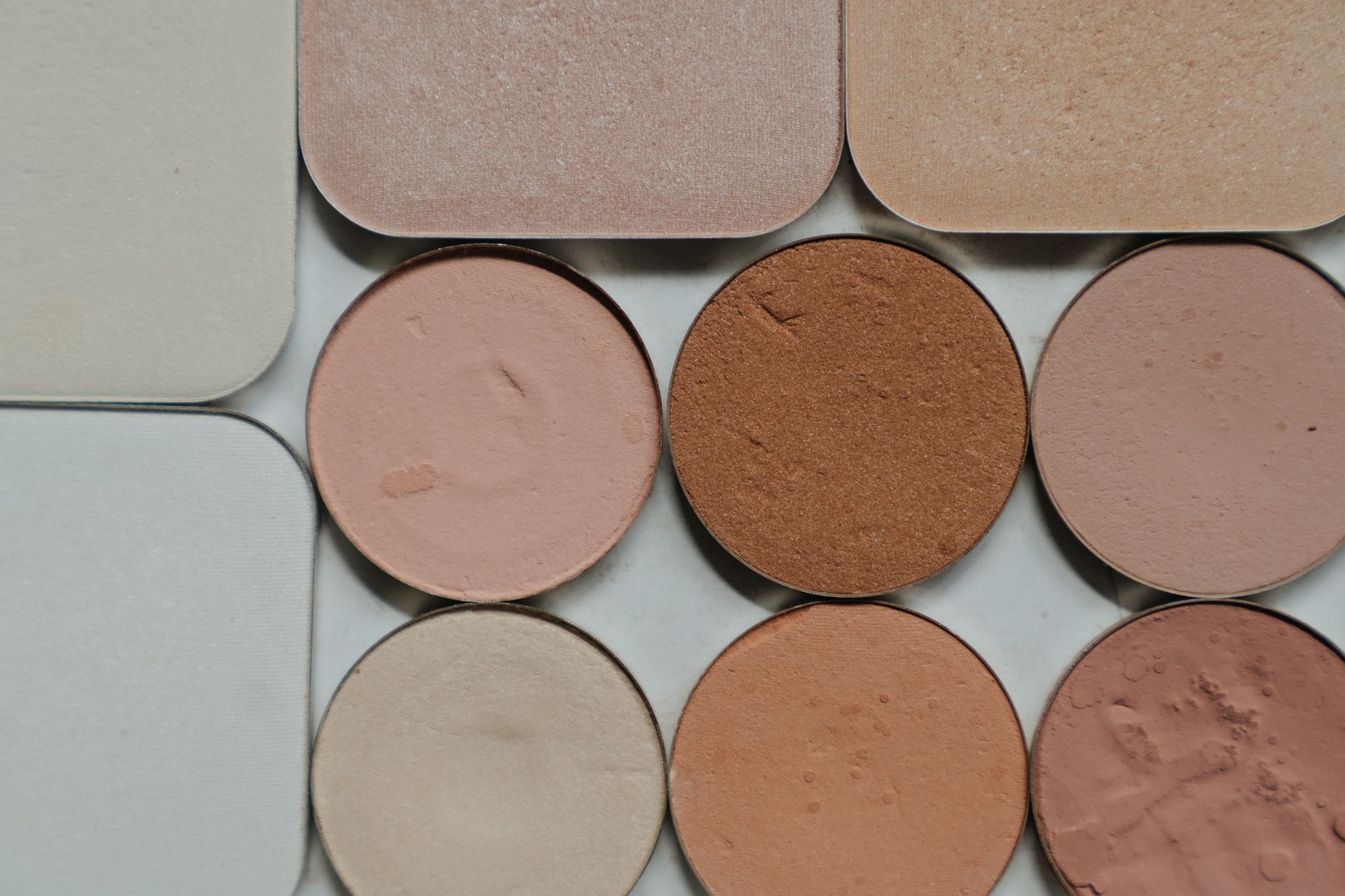
The technical reality: most people skipping primer aren't using the same powder shadows that required it. Cream and liquid shadow formulas have become default, and they don't need a sticky base to cling to—they are the base. These textures blur, blend, and disappear into skin in a way that makes primer redundant at best, counterproductive at worst. The product category didn't just lose relevance; it lost its technical justification as the makeup itself evolved past the need.
High-maintenance beauty lost its social currency
There's been a quiet but decisive cultural pivot away from visible labour in beauty. The exhaustive routines, the preparatory steps, the insurance products—they all telegraph time spent, effort invested, anxiety about appearance. Primer is pure maintenance, a prophylactic measure against the horror of makeup not lasting. But lasting has lost its appeal. The woman who can't be bothered to prime her lids because she's got more important concerns has become more aspirational than the woman with a battle-station full of specialty products. It's not about the time. It's about what the time spent signals.