The wellness set spent 2023 posting ice bath selfies at 6 AM. Now they're bringing that same masochistic devotion to their skincare routines. Cryotherapy—once the domain of elite athletic recovery and $300 single-session facials—has splintered into a thousand frozen rituals you can perform at home with varying degrees of effectiveness and expense.
The science isn't entirely fiction: cold genuinely constricts blood vessels, temporarily reduces inflammation, and can improve product absorption. But the gap between a medical-grade cryo wand and a frozen spoon is wide, and the marketing deliberately blurs those lines. Here's where facial cold therapy actually delivers, and where you're just paying for the placebo of commitment.

Ice rollers became the gateway drug
The humble ice roller—essentially a paint roller filled with gel that you freeze—cracked the code by making cold therapy Instagrammable and cheap. Under $30, easy to use while scrolling, visually satisfying in that ASMR-adjacent way. They don't do much beyond temporary de-puffing (the effect lasts about as long as it takes to brew coffee), but they normalized the idea that your face deserves the same recovery protocol as your quads. That shift in framing was the real innovation.

Cryo facials trickled down from dermatology
Actual cryotherapy facials—delivered via liquid nitrogen wands in medical settings—were designed to reduce inflammation for rosacea and post-procedure healing. Then luxury spas repackaged them as preventative anti-aging treatments, complete with ambient electronica and cucumber water. The clinical version uses temperatures around -160°F for targeted precision; the spa version is colder air blown at your face while you pay $400 to lie still. One is medicine. The other is expensive meditation.

Frozen serums promise maximum absorption
The newest iteration: serums and essences formulated to be frozen into cubes, then massaged directly onto skin. Brands claim the cold forces better penetration of actives, though dermatologists point out that vasoconstriction technically does the opposite. What it does do is force you to spend five uninterrupted minutes applying product with intentional pressure and massage—which genuinely improves absorption. You're not paying for the freeze. You're paying for someone to trick you into proper application technique.

Ice globe massage became the facial sculptor's finish
Facialists have used chilled glass or metal globes for decades, but they've recently been repositioned as contouring tools—the final step in elaborate lymphatic drainage routines that promise to chisel your jawline through sheer frozen persistence. The temporary tightening is real; the structural change is not. But in an industry built on rituals that make you feel like you're doing something, the ice globes deliver theater. They're heavier, prettier, and more deliberate than a roller, which means you'll actually use them, which means they work.

At-home cryo wands promise spa results for $300
The latest device gold rush: handheld wands that claim to deliver cryo-level cold (they don't—most plateau around 40°F, nowhere near clinical temperatures). They're not useless; consistent cold does calm inflammation and feels legitimately good on tight, stressed skin. But the $300 price point is for the sleek design and the Bluetooth app that tracks your "treatments," not for technology that surpasses a $15 roller in measurable results. You're buying into the ritual, not the result—which only matters if you're honest about what you're purchasing.

The ice bath crossover is complete
People who've built entire personalities around 3-minute cold plunges were inevitable skincare converts. The same devotion to controlled discomfort, the same optimization language, the same before-and-after documentation. Facial icing became the logical extension—smaller commitment, same dopamine hit of doing something difficult before everyone else wakes up. The Venn diagram of people who own both a Plunge tub and a $200 ice globe is a circle, and they're all posting about cortisol reduction.

Frozen tools are the new jade rollers
Five years ago, everyone bought a jade roller, used it twice, and left it in a drawer. Ice tools are having that exact moment—the difference is they require freezer space and premeditation, which creates a built-in filter for who'll actually maintain the habit. The people still using them six months from now aren't seeing magic results; they're the ones who were always going to have good skin because they're disciplined about routines. The tool is just the current vessel for that discipline.
Dermatologists are cautiously endorsing the trend
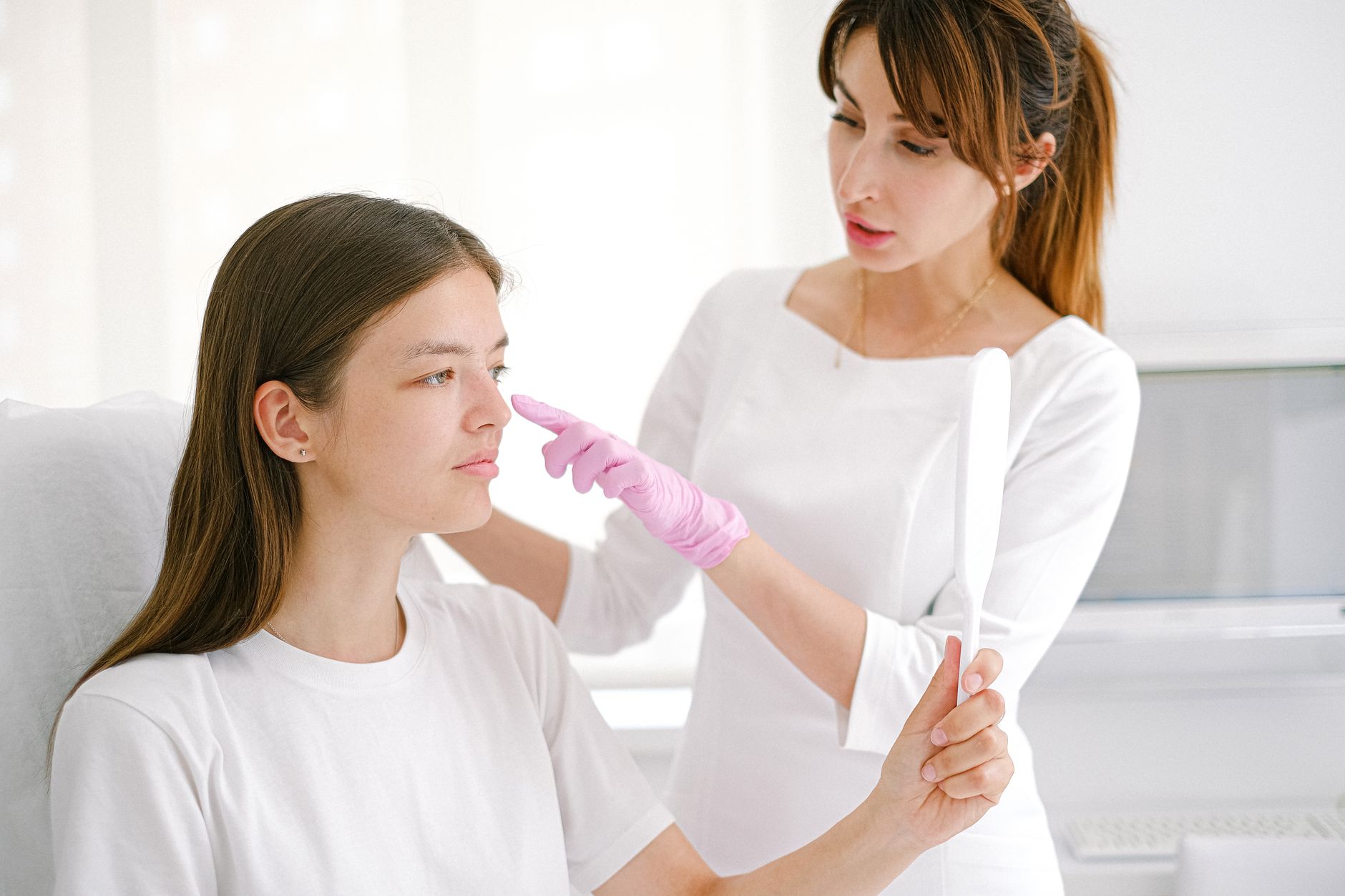
The medical establishment isn't thrilled about people conflating a frozen serum cube with actual cryotherapy, but they'll admit that regular cold application—done correctly—does reduce inflammation and can help with conditions like acne and eczema. The key phrase is "done correctly": brief contact, clean tools, never applied to broken skin. The concern is that influencer tutorials skip the caveats, and suddenly people are giving themselves ice burns in pursuit of glass skin. Cold works, but it's not neutral—and the DIY proliferation means more people are learning that the hard way.
- Ice rollers became the gateway drug
- Cryo facials trickled down from dermatology
- Frozen serums promise maximum absorption
- Ice globe massage became the facial sculptor's finish
- At-home cryo wands promise spa results for $300
- The ice bath crossover is complete
- Frozen tools are the new jade rollers
- Dermatologists are cautiously endorsing the trend