The 2016 highlight was a declaration of war. Applied with a spatula, visible from space, designed to photograph like a flashbulb on skin. It announced wealth, free time, a commitment to the bit. You either understood it or you were irrelevant. Then something happened. The same women who built entire personalities around strobing started talking about "skin that looks like skin" as if they'd never owned a Becca compact.
What we're watching isn't just a trend correction. It's a complete philosophical reversal about what beauty is supposed to signal. The death of Instagram glow maps directly onto the death of a certain kind of aspirational femininity—one that required performance, maintenance, visibility. The subtle highlight isn't about looking natural. It's about looking like you don't need to try, which is an infinitely more expensive message to send.
Clean Girl Aesthetic Killed the Strobe
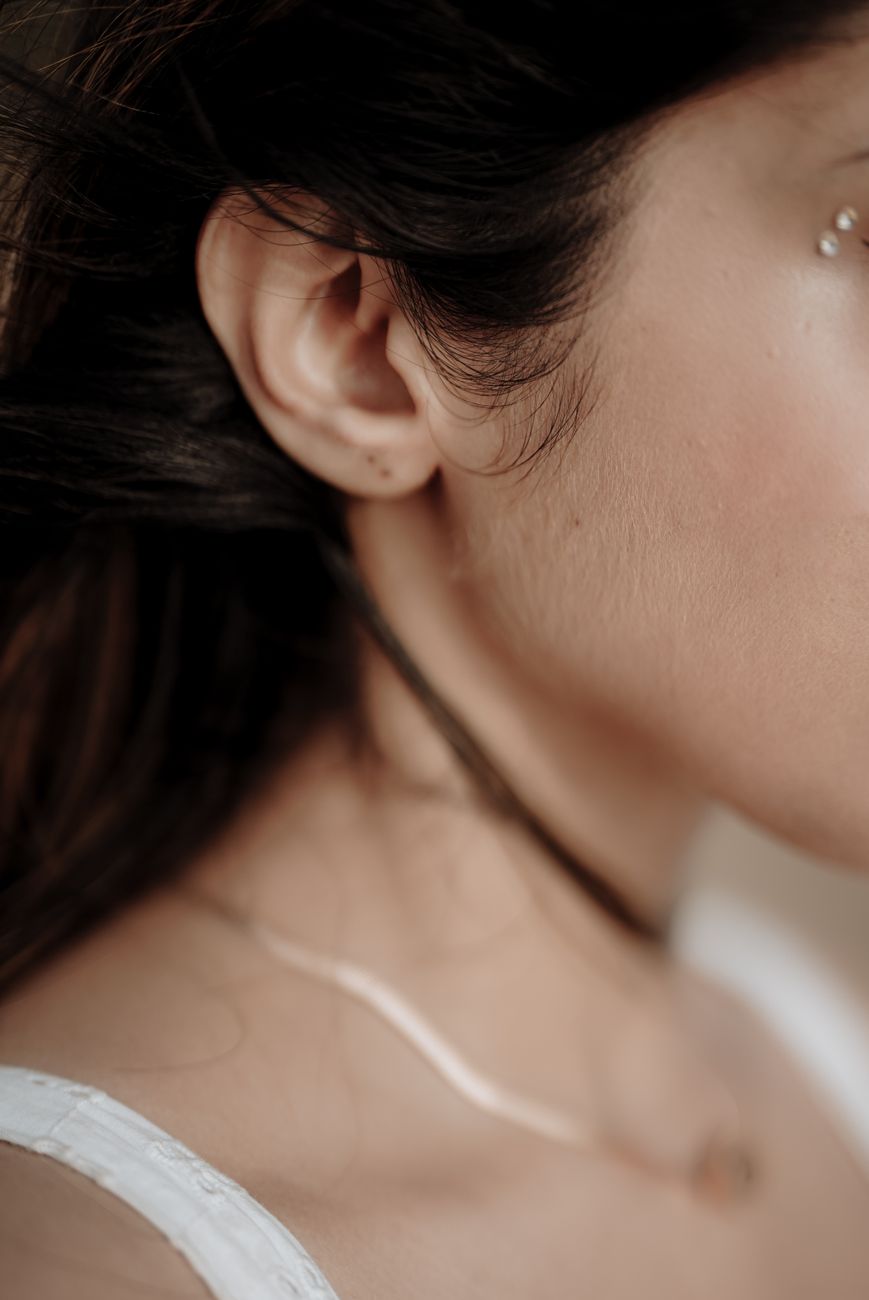
Hailey Bieber didn't invent no-makeup makeup, but she perfected its cultural cache. The clean girl aesthetic—glazed skin, soap brows, cream blush placed nowhere near where blush should go—became the anti-strobe. Where 2016 highlight was about excess, clean girl is about restraint, which wealthy women always use to distinguish themselves when everyone else catches up. The message shifted from "look at all this" to "look at how little I need," and suddenly a face full of reflective powder read as trying too hard.

Zoom Killed Dramatic Makeup
The pandemic turned everyone into their own lighting director, and harsh highlighter doesn't survive a ring light at noon in your living room. What photographed as ethereal on Instagram looked genuinely unhinged on a work call. The Zoom test became the new mirror—if it didn't work on camera in your apartment, it didn't work. Suddenly the techniques designed for flash photography and nightclub lighting had nowhere to exist, and the women who'd mastered them had to learn a completely different skill set for a completely different context.

TikTok Influencers Don't Use Instagram Lighting
Instagram's feed optimized for one kind of image: high contrast, warm tones, strategic glow. TikTok's algorithm doesn't care about your ring light setup. The platform rewards authenticity performance over production value, which means the next generation of beauty influencers is shooting in daylight with a phone camera, where dramatic highlight looks like sunscreen applied by someone having a medical emergency. The medium changed, so the message changed, and now an entire generation thinks the Instagram aesthetic looks as dated as MySpace angles.
Skin Texture Became the New Luxury Signal
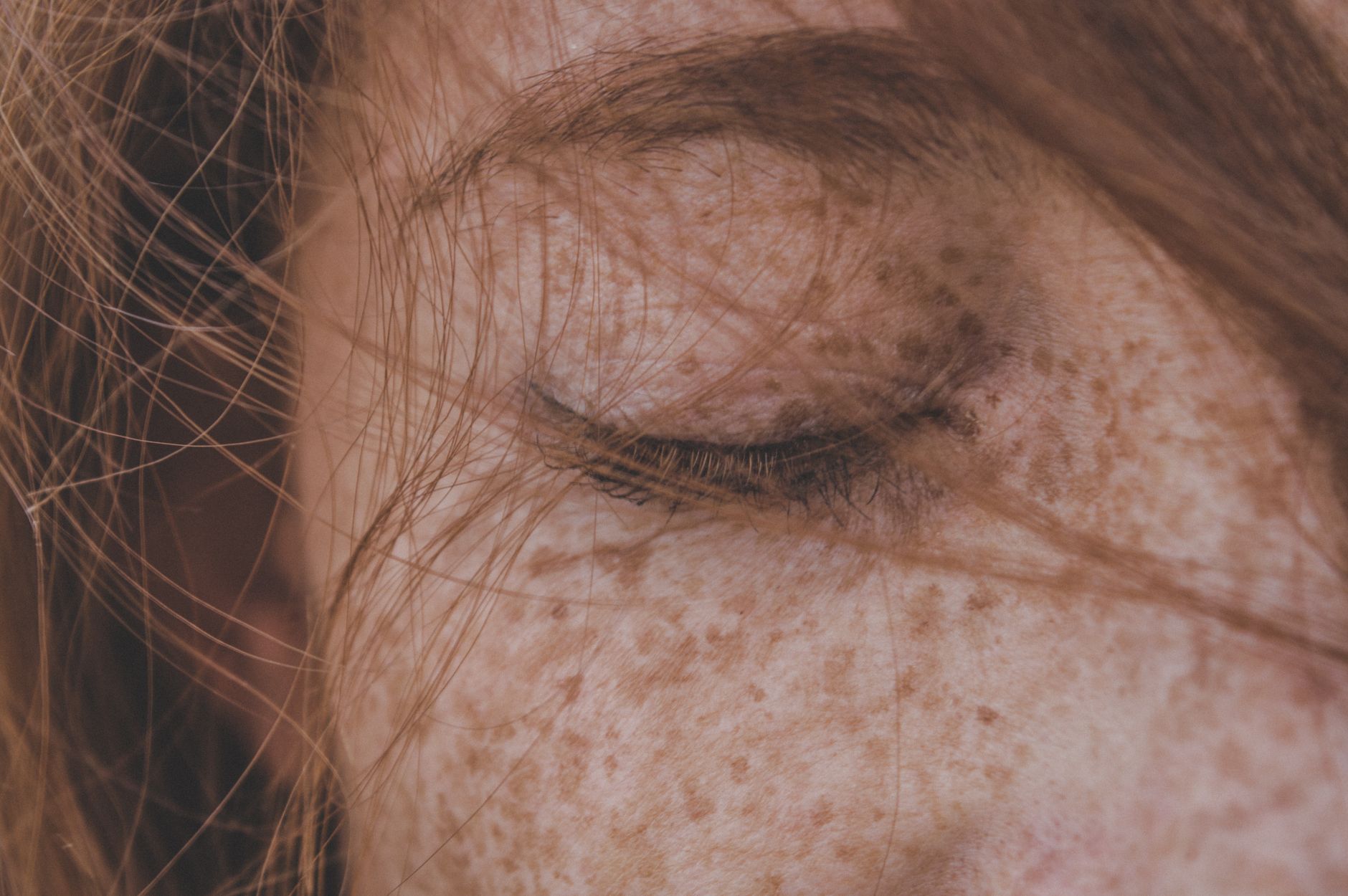
When everyone has access to affordable highlighter, the truly wealthy distinguish themselves by having skin that doesn't need it. The explosion of preventative Botox, laser treatments, and $300 serums means the new flex is texture so perfect that adding shimmer would be redundant. Highlighting used to fake good skin. Now good skin is the whole point, and anything on top of it—especially anything visible—suggests you're covering something up. The luxury moved from the product to the canvas.

European Beauty Finally Won
American beauty spent a decade trying to out-dramatic itself—bigger lashes, brighter highlight, bolder everything. European beauty just waited. The "French girl" aesthetic that Americans used to mock as underdone is now the blueprint: skin first, makeup as afterthought, nothing that announces itself. What changed is that aspiration shifted from celebrities to a certain kind of off-duty model, the type who genuinely doesn't wear makeup to the airport because her bone structure does the work. It's not that subtle won. It's that we collectively decided to pretend we all have bone structure.