Foundation is becoming optional. Across TikTok tutorials and backstage beauty Instagram posts, a different approach has emerged: concealer first, concealer only, concealer as the entire base. What began as a contouring hack has evolved into a full-blown application philosophy where traditional foundation gets skipped entirely in favor of strategic concealer placement.
This isn't about minimalism. It's about control. Users want coverage where they want it, in the exact intensity they choose, without the sheer veil of foundation dictating the overall effect. The concealer-as-foundation movement represents a fundamental shift in how people think about base makeup—less about evening out, more about building up.
The Reverse-Engineering of Face Makeup
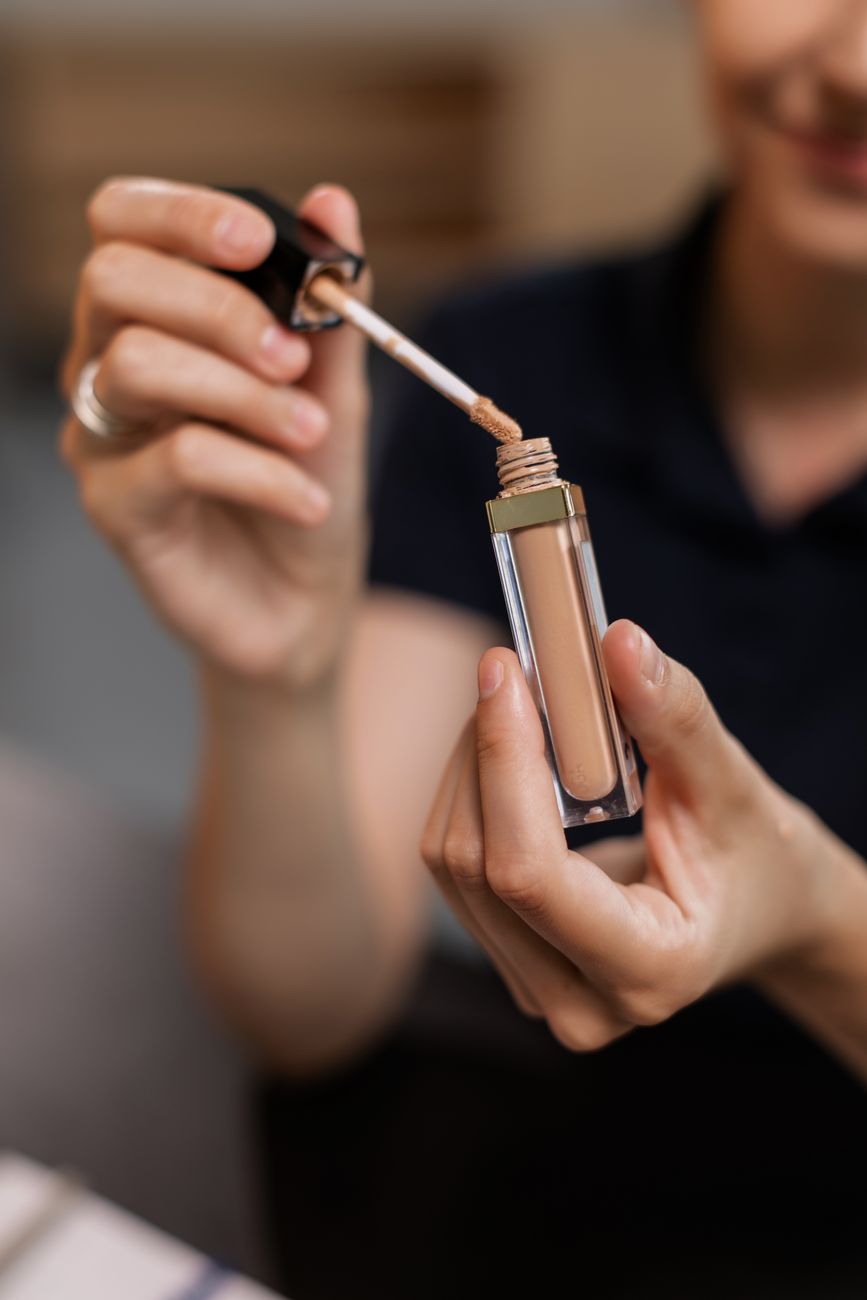
Beauty users have flipped the traditional order. Instead of foundation as the canvas and concealer as the correction tool, concealer now serves as both. This reverse-engineering approach offers precision that foundation's all-over application can't match. You're painting exactly where you need opacity, leaving the rest of your skin untouched. It's a rejection of the idea that your entire face needs the same level of coverage.
Skin Texture Stays Visible (On Purpose)
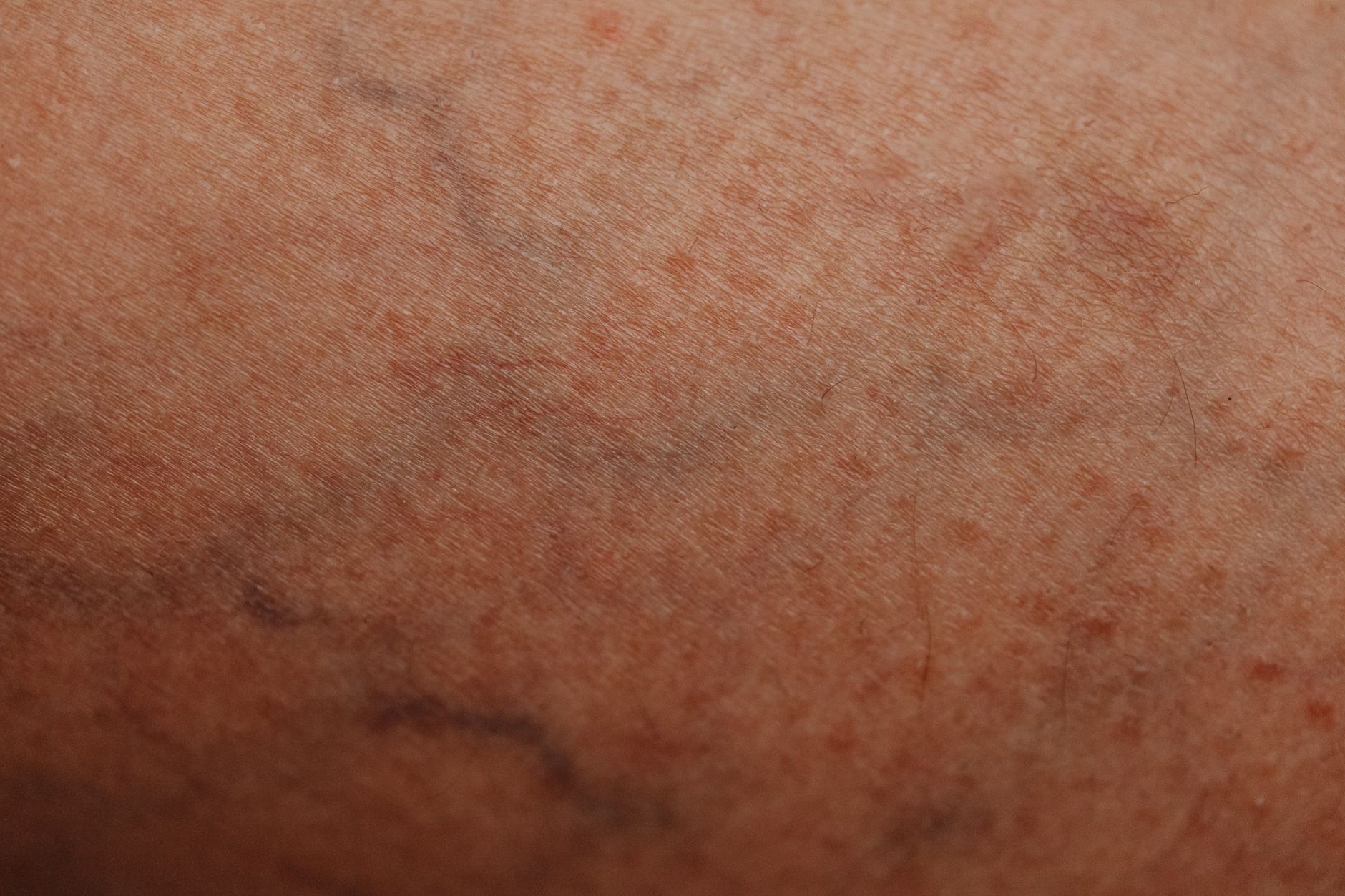
This technique deliberately preserves skin texture in areas that don't need correction. Freckles show through. Pores remain visible on the cheeks. The forehead keeps its natural finish. Only the under-eyes, blemishes, and targeted areas get the full-coverage treatment. It's the aesthetic opposite of airbrushed perfection—coverage exists alongside realness, and the contrast is the entire point.

The Influencer Tutorial Economy Fueled It
This movement gained momentum because it photographs and films exceptionally well. On camera, the high-contrast approach of concealed areas against bare skin creates dimension that traditional foundation flattens. Influencers discovered that concealer-heavy techniques delivered more dramatic before-and-afters, which translated to better engagement. What worked for content creation migrated to everyday routines, with users adopting the method offline because they learned it online.

Full-Coverage Formulas Got Sophisticated Enough
Earlier concealer formulas were too thick, too dry, or too mask-like to wear across large areas. Recent innovations in texture—think creamy, blendable, skin-like finishes—made all-over concealer application actually wearable. Brands started formulating concealers with the blendability of foundation and the coverage of, well, concealer. The product category evolved specifically to enable this technique, whether intentionally or as a side effect of the arms race for better formulas.

The Rise of Strategic Minimalism
Using concealer instead of foundation reads as doing less, even when you're applying a heavy product. It's minimalism by reduction of steps, not reduction of coverage. One product instead of two. Targeted application instead of all-over. The approach appeals to people who want their routine streamlined but aren't willing to sacrifice the polished effect. It's efficiency for people who still want full control over their appearance.

Shade Matching Became Easier to Ignore
When you're not coating your entire face, perfect shade matching matters less. Concealer can sit slightly lighter or warmer than your exact skin tone because it's only covering specific zones. This technique gave people permission to work with what they have rather than endlessly searching for their perfect match. The standards loosened because the stakes lowered—mismatched foundation is obvious, but strategically placed concealer has more flexibility built in.

Mask-Wearing Normalized Partial Coverage
Years of wearing masks trained people to focus coverage where it actually shows. Why apply foundation to your entire face when half of it stays hidden? The concealer-as-foundation approach is the logical endpoint of that thinking, even as masks disappear from daily life. The habit stuck because it made sense: concentrate effort where it counts. The pandemic didn't create this trend, but it certainly accelerated the shift toward strategic rather than blanket coverage.

The Old Rules Don't Apply to User-Generated Technique
Professional makeup artists spent years teaching one way: primer, foundation, concealer, powder. But user-generated content on TikTok and Instagram operates outside that hierarchy. There's no governing body dictating the correct order or application method. When everyday users experiment and share what works, techniques spread based on results rather than tradition. Concealer-as-foundation won because it delivered visible results in a 60-second video, and that mattered more than decades of professional consensus.
- The Reverse-Engineering of Face Makeup
- Skin Texture Stays Visible (On Purpose)
- The Influencer Tutorial Economy Fueled It
- Full-Coverage Formulas Got Sophisticated Enough
- The Rise of Strategic Minimalism
- Shade Matching Became Easier to Ignore
- Mask-Wearing Normalized Partial Coverage
- The Old Rules Don't Apply to User-Generated Technique