The 12-step Korean skincare routine had its moment. So did dermaplaning, double cleansing, and the great retinol awakening of 2019. Now there's a counter-movement gaining traction that makes every beauty executive nervous: skin fasting. The premise is simple, almost insultingly so. Stop using products. All of them. Let your skin remember how to function without chemical intervention.
What makes this more than another wellness fad is its fundamental threat to the industry's business model. Beauty has spent decades convincing us that healthy skin requires constant purchasing. Skin fasting suggests the opposite—that the $500 billion global skincare market might be solving problems it created. The panic is quiet but real.
The Routine Backlash Is Coming From Inside the House
Dermatologists who once championed elaborate routines are now publicly questioning them. Dr. Yoon-Soo Cindy Bae at NYU told Vogue that over-application disrupts the skin barrier, creating dependency. When credentialed experts start undermining the very protocols they helped popularize, the industry loses its scientific shield. The validators are becoming apostates.

Your Skin Barrier Became the New Gut Microbiome
The skin barrier discourse exploded the same way gut health did five years ago—a complex biological system reduced to something you've probably destroyed and must now repair. Except the skin fasting argument flips it: maybe the barrier wouldn't need repairing if you'd stop attacking it with actives. It's a rare case of wellness culture accidentally advocating for less consumption instead of more.

Japan's 'Skin Purging' Export Went Viral, Then Evangelical
What started as a niche Japanese practice—occasional product fasts to reset skin—metastasized on TikTok into a full ideology. Videos of people quitting skincare entirely rack up millions of views, complete with time-lapse transformations and testimony-style narration. The format mimics religious conversion stories because that's essentially what it is: leaving the Church of Sephora.

The Brands Selling You 'Nothing' for $200
Leave it to the beauty industry to monetize anti-consumption. Brands like Haoma and One Ocean Beauty now market "skin fasting support systems"—oils and essences you use while supposedly using nothing. It's philosophically incoherent but commercially brilliant. They're selling minimalism as a premium product category, which is exactly the kind of contradiction that actually works in luxury.
Dermatologists Are Splitting Into Warring Factions
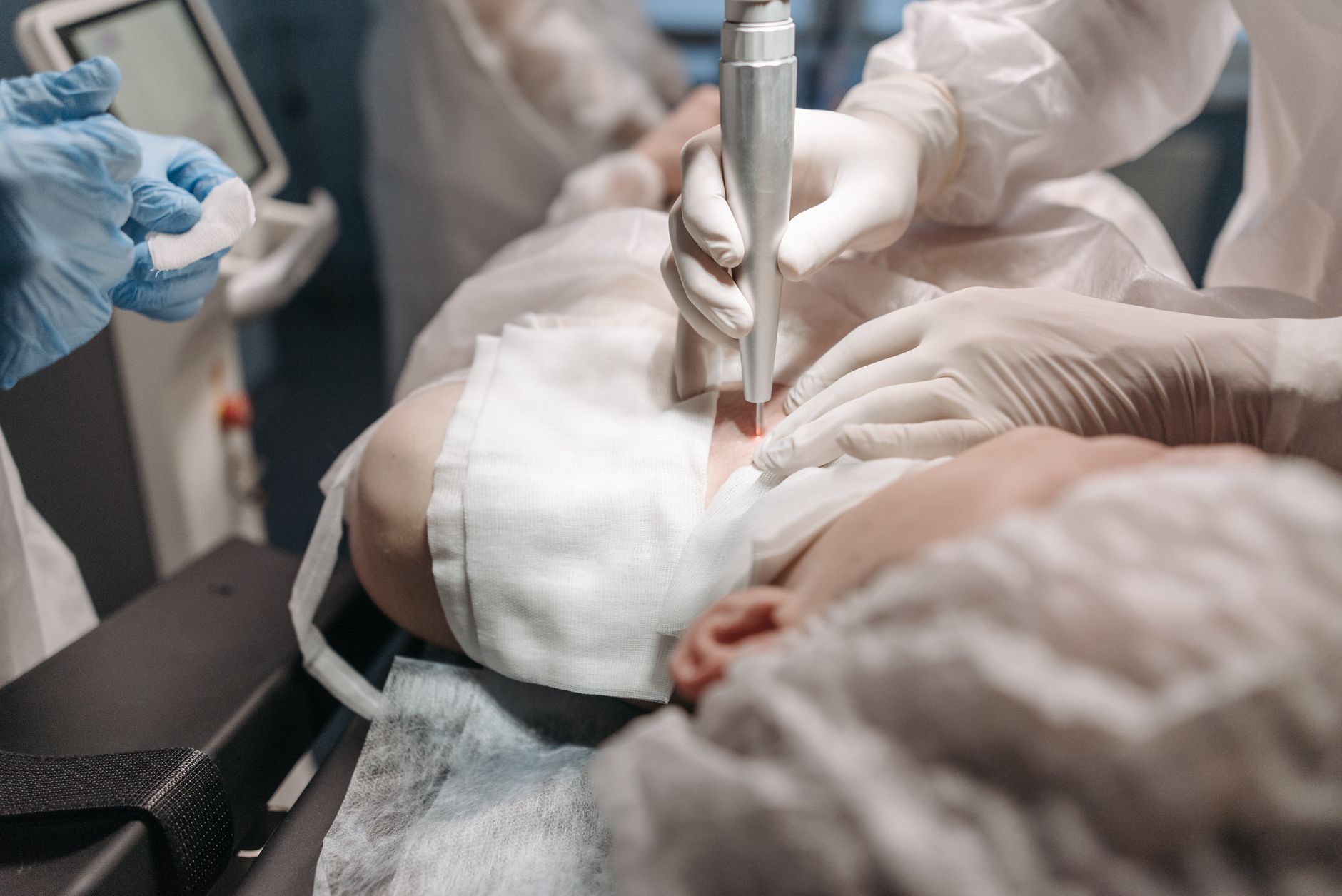
The medical community is fractured. Some derm influencers call skin fasting dangerous misinformation; others admit that for non-medical concerns, less truly is more. Dr. Shereene Idriss has staked her practice on "strategic simplicity," while others defend complex routines. There's no consensus, which means consumers get to choose their own expert—a recipe for chaos the industry can't control.
The Aesthetic Shift: Imperfection as Actual Status
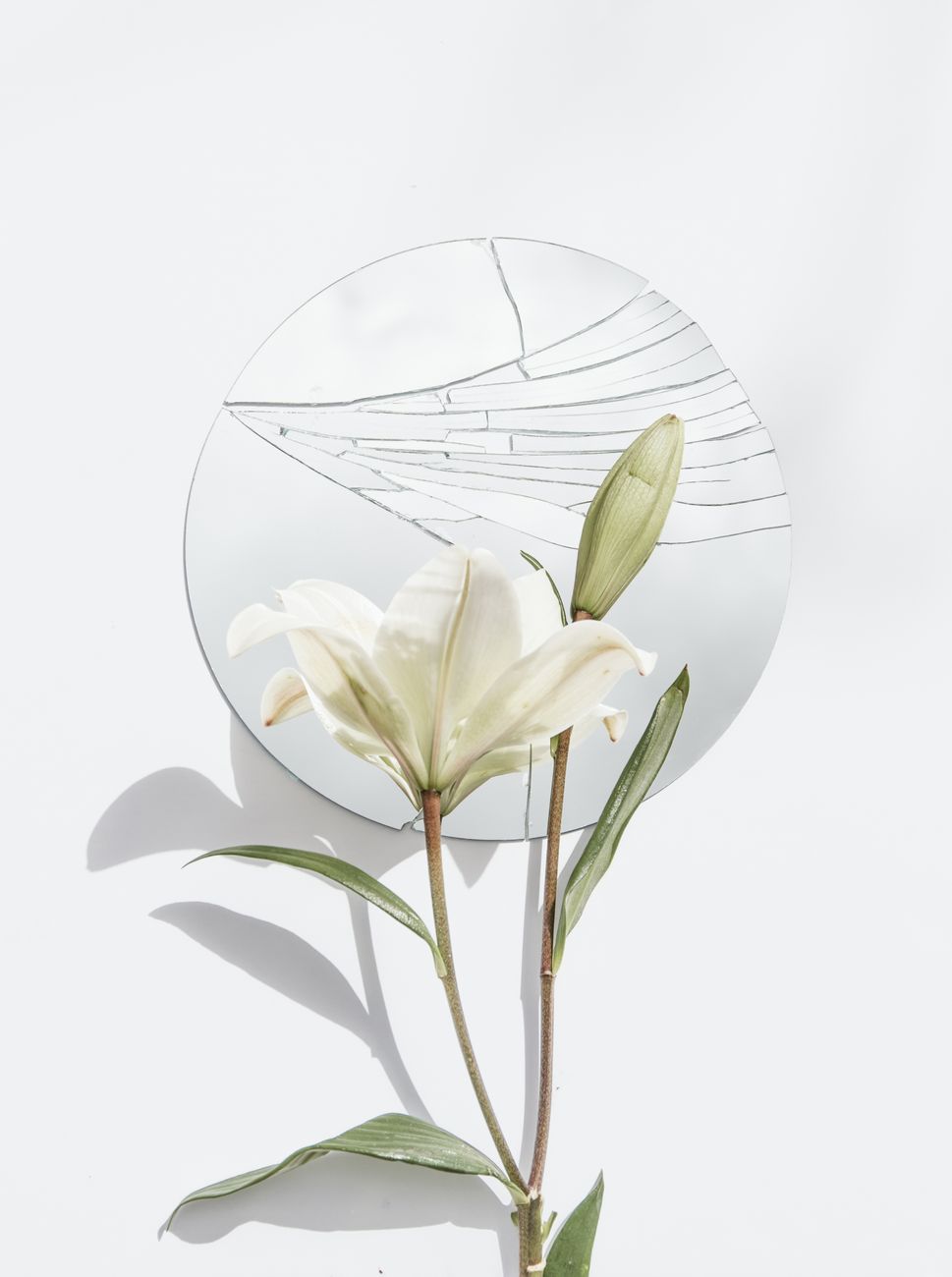
Visible pores and texture are being recoded as proof you're not trying too hard. It's the skincare equivalent of the great millennial aesthetic reversal—where looking expensive now means looking like you don't care. This creates an impossible bind for brands: their product literally erases the new status marker. You can't sell your way into strategic imperfection.

The Climate Angle No One's Saying Out Loud
Skin fasting's environmental argument is lurking beneath the surface but rarely centered. Fewer products means less packaging, less shipping, less chemical production. But brands can't acknowledge this without admitting their sustainability initiatives are theatre. The cognitive dissonance is profound: the most eco-friendly skincare routine is none at all.
What Happens When Self-Care Means Self-Denial
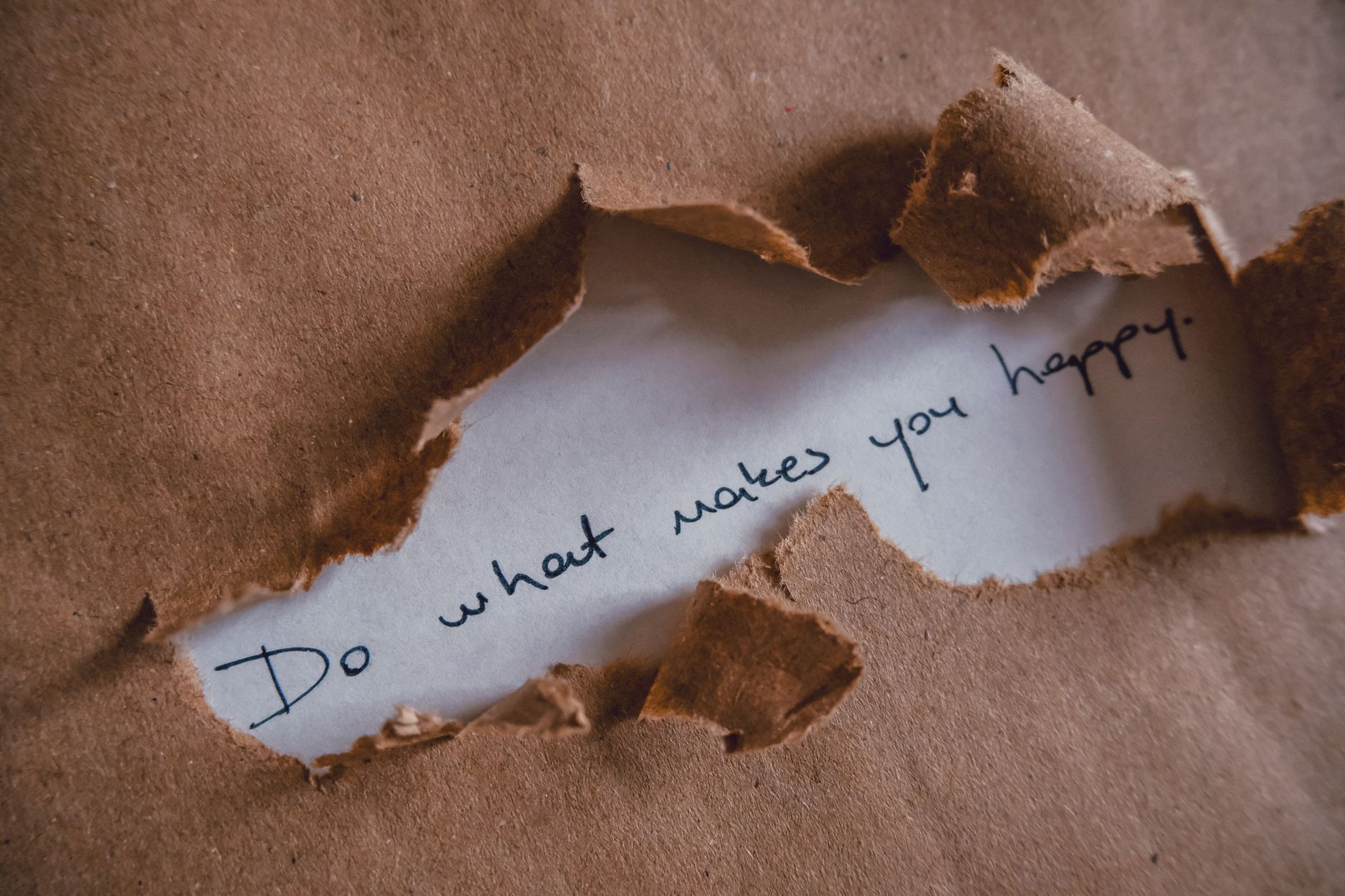
The real tension is cultural. For two decades, beauty routines were positioned as self-care, as taking time for yourself, as small daily luxuries you deserve. Skin fasting reframes all of that as harm. It's self-care through abnegation, wellness through withdrawal. That's a much harder sell emotionally, even if it's easier on your skin and wallet.
- The Routine Backlash Is Coming From Inside the House
- Your Skin Barrier Became the New Gut Microbiome
- Japan's 'Skin Purging' Export Went Viral, Then Evangelical
- The Brands Selling You 'Nothing' for $200
- Dermatologists Are Splitting Into Warring Factions
- The Aesthetic Shift: Imperfection as Actual Status
- The Climate Angle No One's Saying Out Loud
- What Happens When Self-Care Means Self-Denial