Somewhere between "clean girl aesthetic" and clinical detachment, concealer lips happened. The nude gloss—once the emblem of effortless minimalism—has been dethroned by a trend that doesn't just neutralize your natural lip color, it erases it entirely. It's makeup as camouflage, not enhancement.
What's strange isn't that people are doing it. It's that this pallid, almost corpse-like lip has been codified as aspirational. We've crossed into territory where "natural" no longer means what you were born with, but what an algorithm decided looks neutral enough to be universal. It's minimalism's dark turn—less is more, until less becomes nothing at all.
The Death of Lip Dimension
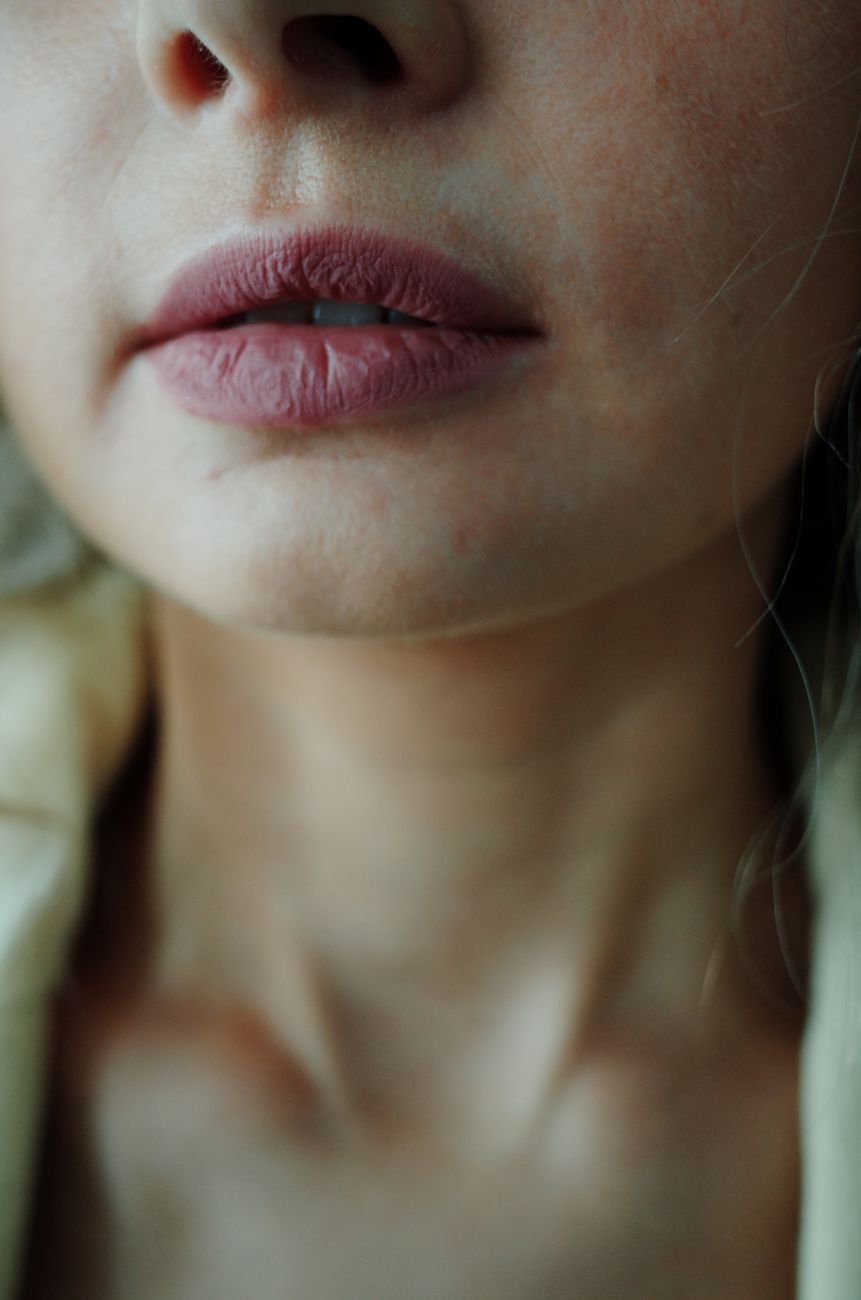
Concealer lips flatten your face in a way that's almost AI-generated—smooth, uniform, devoid of the shadow and variation that make mouths look human. The trend treats lips like a problem area that needs correcting rather than a feature worth emphasizing. Where nude gloss caught light and suggested life, concealer absorbs it, creating a matte void that reads more post-production than post-skincare. It's the beauty equivalent of over-tuning a photo until it stops looking like a person and starts looking like a render.
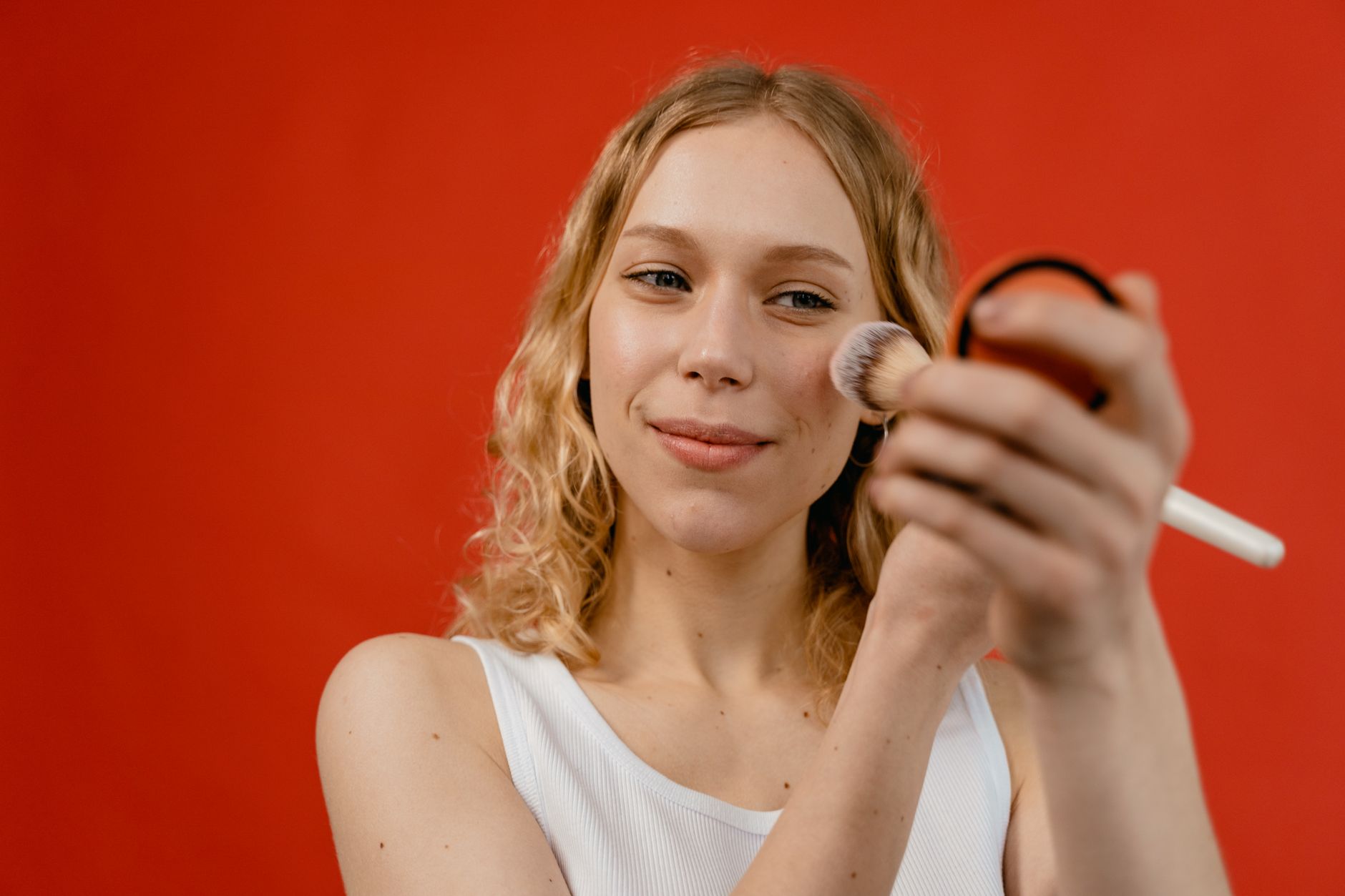
Minimalism as Maximum Effort
The irony is suffocating: achieving this "no-makeup" lip requires more product than a full gloss moment ever did. Lip liner to reshape, concealer to neutralize, powder to set, sometimes another concealer on top. It's a seven-step process to look like you're wearing nothing, which is either performance art or a cry for help. The labor required to appear this effortlessly blank exposes minimalism for what it's become—a aesthetic so controlled it's indistinguishable from anxiety.

TikTok Taught Us to Hate Our Natural Color
This trend didn't emerge from runways or editorial—it metastasized on TikTok, where the algorithm rewards uniformity and punishes anything that registers as "too much." Natural lip pigmentation, especially on deeper skin tones, became something to neutralize rather than work with. The concealer lip is what happens when beauty advice is crowd-sourced from an app that thinks everyone should look like a lightly tinted version of the same person. It's not diversity, it's homogeneity with a beige filter.

The Uncanny Valley Is Now Aspirational
There's a term for when something looks almost human but not quite, and it triggers discomfort: the uncanny valley. Concealer lips live there. They're unsettling precisely because they're so close to natural but missing the micro-details—the gradations of color, the slight flush, the imperfection—that signal aliveness. We've arrived at a place where beauty trends aim for the same eerie perfection as CGI, and somehow we're calling it aspirational. It's not minimalism, it's minimization of the self.
When "Clean" Becomes Sterile
The concealer lip is the logical endpoint of "clean girl" culture taken to its most joyless extreme. What began as a rejection of heavy makeup has curdled into something that feels less like self-expression and more like self-erasure. There's nothing wrong with neutral lips, but this isn't neutral—it's the aesthetic equivalent of a waiting room. Beauty should amplify who you are, not bleach you into compliance with an algorithm's idea of inoffensive. If your makeup makes you look embalmed, it's not a trend, it's a tell.