Walk into any Sephora on a Saturday afternoon and you'll witness something that should make the beauty industry deeply uncomfortable: clusters of 10-year-olds debating the merits of retinol alternatives, swatching $68 serums, and filming haul videos in real-time. These aren't teenagers experimenting with identity through makeup. These are pre-adolescents who've somehow internalized the anxious perfectionism of a 35-year-old with a dermatologist on speed dial.
The «Sephora tweens» phenomenon isn't just about kids wanting fancy skincare. It's about an entire generation that grew up watching beauty influencers treat their faces like science experiments, absorbing messages about «anti-aging» before they've even experienced aging. The result? A cohort of children who know more about hyaluronic acid than multiplication tables, and an industry that's discovered its most enthusiastic—and least critically thinking—customer base yet.
The Influencer Pipeline Starts in Elementary School
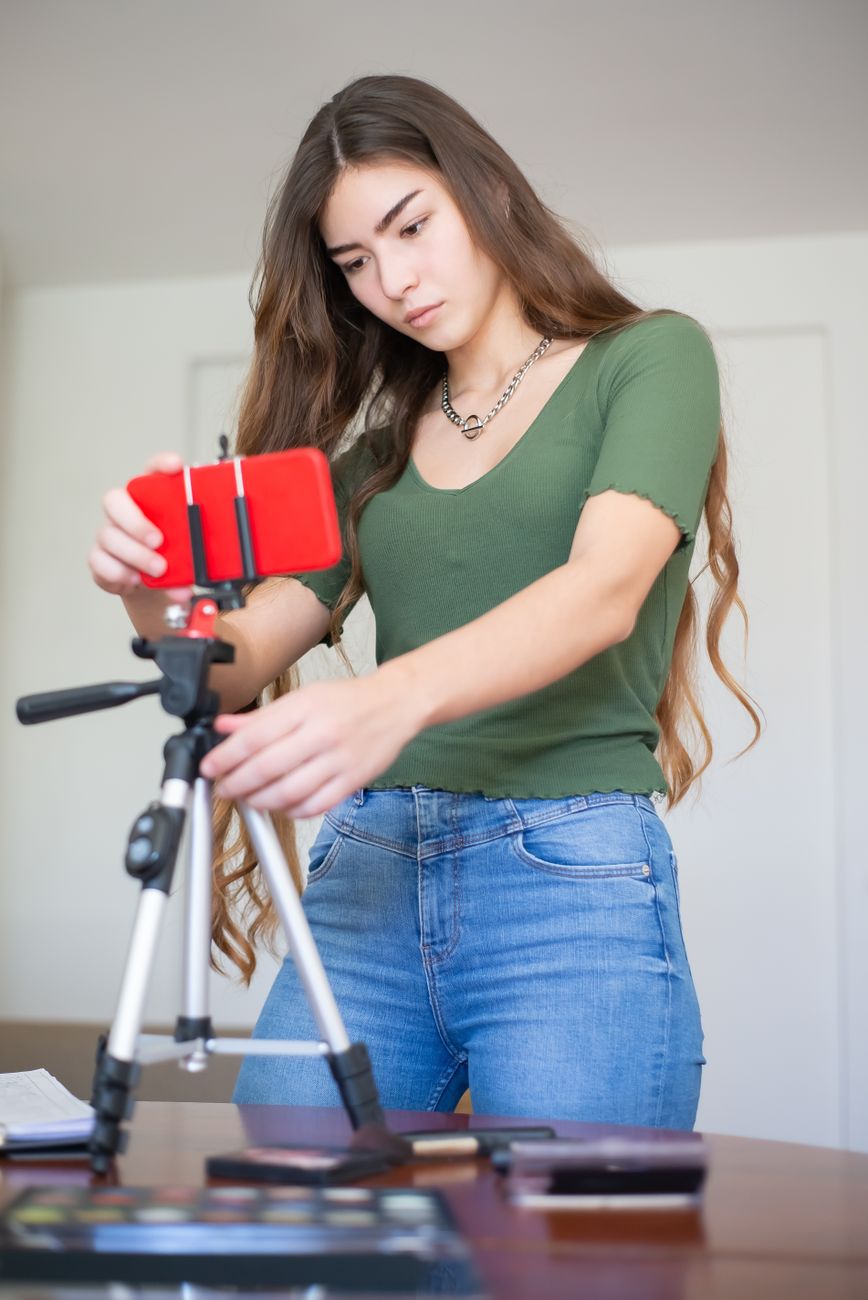
TikTok and YouTube have created a generation that views beauty consumption as content creation. These kids aren't buying products to use them—they're buying them to perform expertise they don't actually possess. The «get ready with me» video has become a childhood rite of passage, replacing dress-up with actual $200 shopping trips. What you're watching isn't innocent play. It's the cultivation of consumerism as identity, and it's happening before these children have developed the cognitive tools to question what they're being sold.
Skincare Became the New Gateway Drug
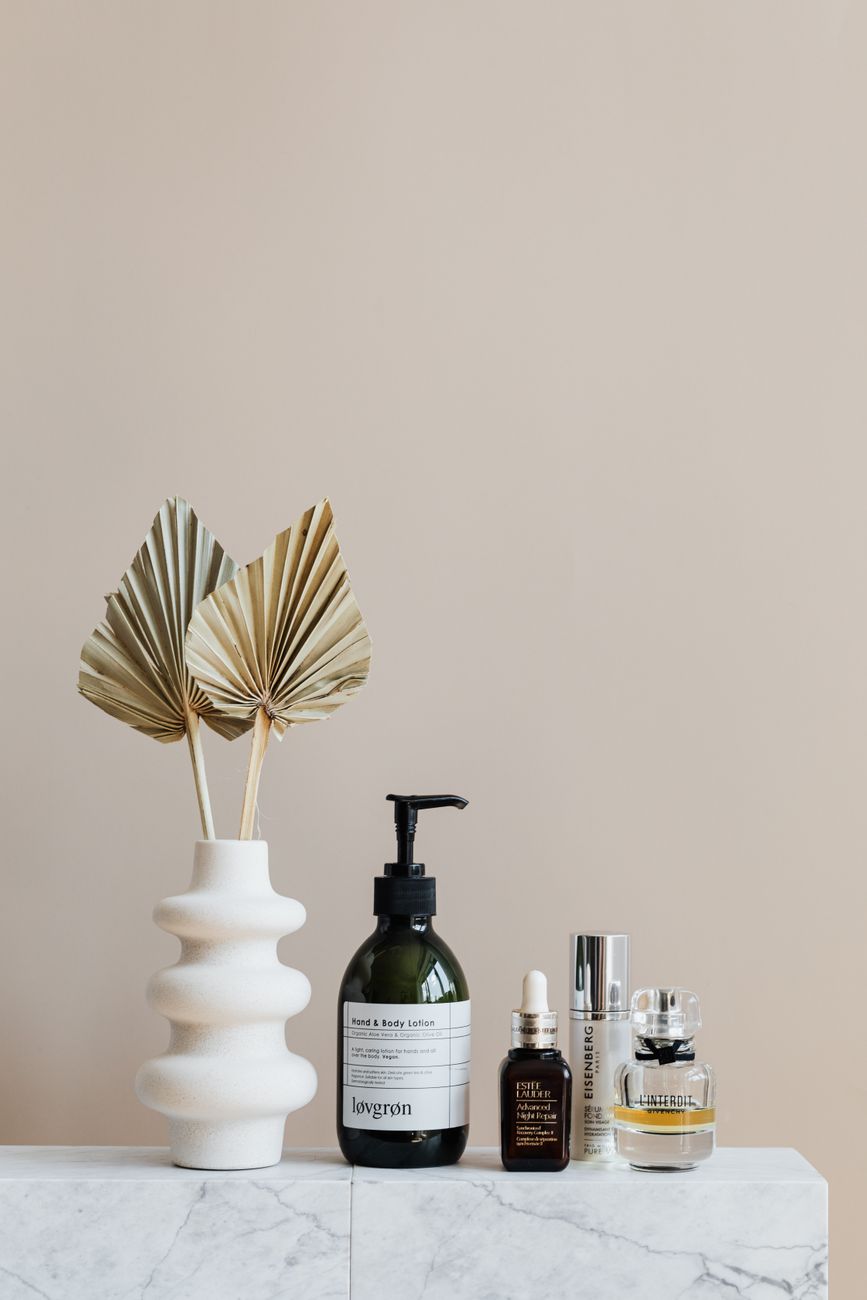
Drunk Elephant, Glow Recipe, Sol de Janeiro—brands that initially positioned themselves as clean, fun alternatives have accidentally become tween status symbols. Parents who'd never let their 11-year-old wear a full face of makeup happily fund $40 cleansers because «skincare is self-care.» But there's nothing therapeutic about a child internalizing the message that her unlined, perfect skin needs a seven-step routine. This isn't wellness. It's anxiety rebranded with millennial pink packaging and sold to people who haven't hit puberty.

The Adult Beauty Editor Cosplay
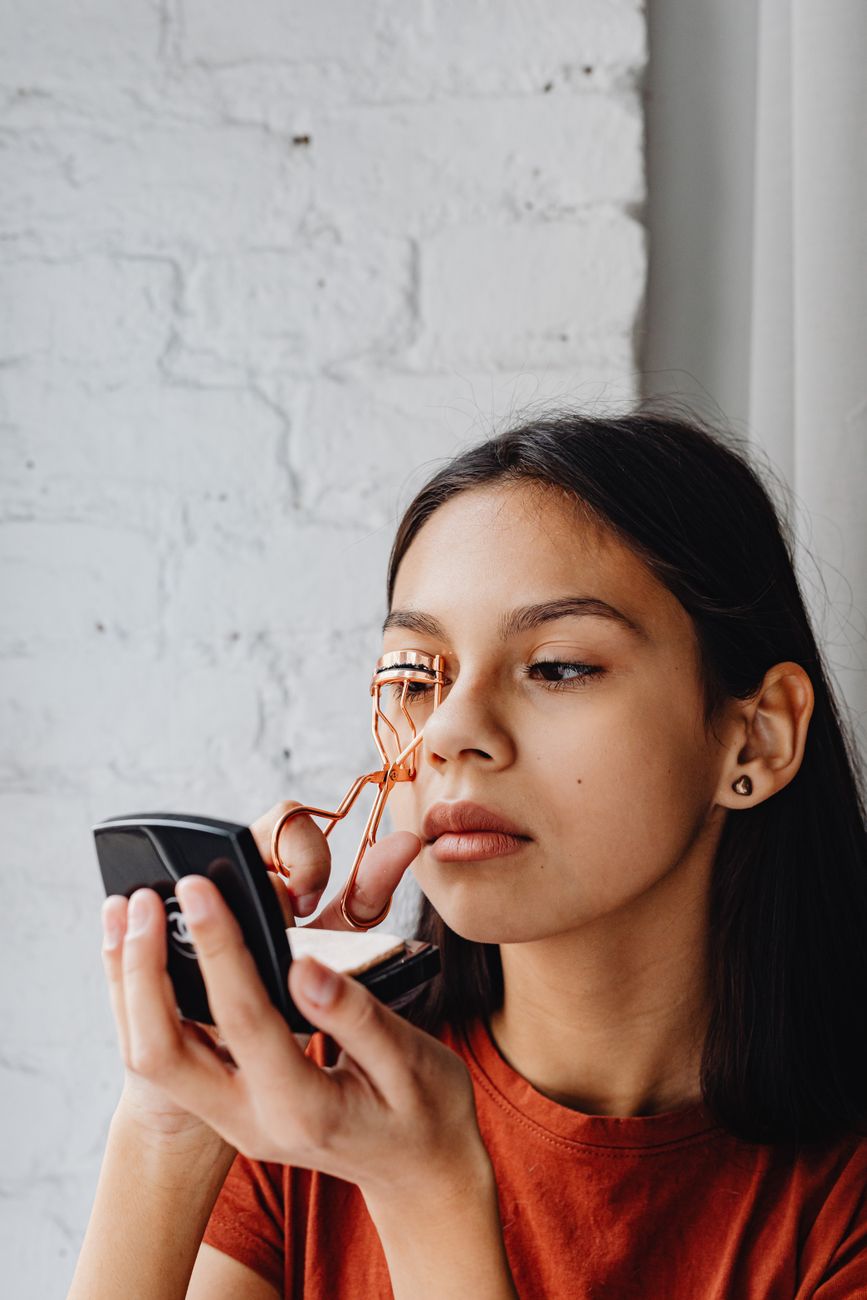
Tweens aren't just buying products—they're adopting the entire aesthetic language of beauty editors and dermatologists. They use terms like «glass skin,» «barrier repair,» and «active ingredients» with the confidence of someone who's earned that vocabulary through actual skin concerns. What's disturbing isn't that they know these words. It's that they've learned to perform expertise as a substitute for the lived experience and critical thinking that should come with it. They're mimicking authority without understanding, collecting products like Pokémon cards while the industry watches, delighted.
When the Customer Can't Consent
Here's what no one wants to say: marketing sophisticated anti-aging products to children who lack the neurological development to resist persuasive messaging is fundamentally predatory. These kids can't yet distinguish between wanting something and being algorithmically manipulated into wanting it. They're being trained to see their faces as perpetual works-in-progress, to measure their worth through consumption, and to believe that visible humanity—pores, texture, the radical audacity of a bare face—is something to be corrected. The beauty industry knows this. They're counting on it.
The Backlash That Won't Change Anything
Dermatologists are sounding alarms. Parents are writing concerned op-eds. Sephora employees are posting anonymous TikToks about being verbally abused by 12-year-olds demanding products that don't belong anywhere near developing skin. And yet: nothing will fundamentally change. The beauty industry has discovered that its most profitable customer isn't the discerning adult with disposable income—it's the child with no purchasing resistance and unlimited parental guilt to exploit. Why would they walk that back? Moral panic makes for great headlines, but it rarely disrupts revenue streams.