Walk into any design-forward home right now and you'll notice something off: the couch faces a blank wall. The bed floats in the middle of the room. The dining table blocks the obvious pathway. It looks wrong because it is wrong—by every convention we've inherited about how furniture should behave.
But that wrongness is precisely the point. Designers are dismantling the tyranny of the TV-centric living room and the perimeter-hugging bedroom, replacing predictable arrangements with layouts that prioritize conversation, light, and a spatial experience that doesn't defer to electronics or resale anxiety. The shift signals something larger: we're finally designing for how we actually live, not how we think we should.

The TV No Longer Dictates the Room
For decades, the television has functioned as the domestic altar, with every sofa, chair, and ottoman genuflecting in its direction. Now, designers are rotating furniture toward windows, fireplaces, or each other—treating screens as incidental rather than central. The logic is simple: when a room is organized around a device, it's serving technology instead of people. This isn't anti-screen posturing; it's a recognition that how we consume media has changed, and our spaces should follow.
Floating Furniture Creates Actual Rooms Within Rooms
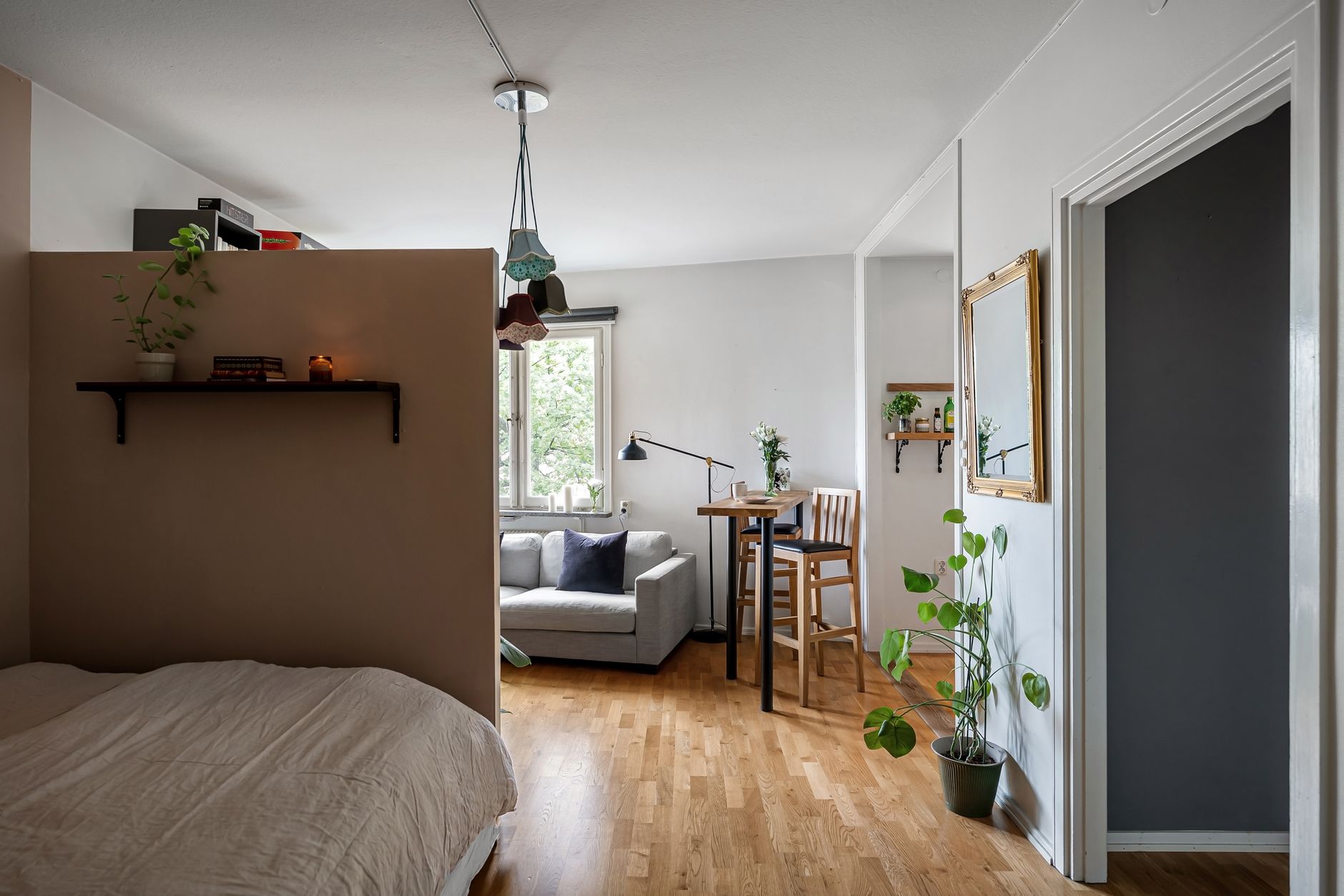
Pulling a sofa or bed away from the wall sounds wasteful in smaller spaces, but the opposite is true. Floating pieces function as soft architecture, carving a studio into distinct zones or giving an open-plan sprawl some badly needed definition. The perimeter space left behind becomes usable—for a console, a reading nook, or simply circulation that doesn't feel like navigating an obstacle course. Designers have known this for years; the rest of us are just catching up.
Symmetry Is Out, Tension Is In
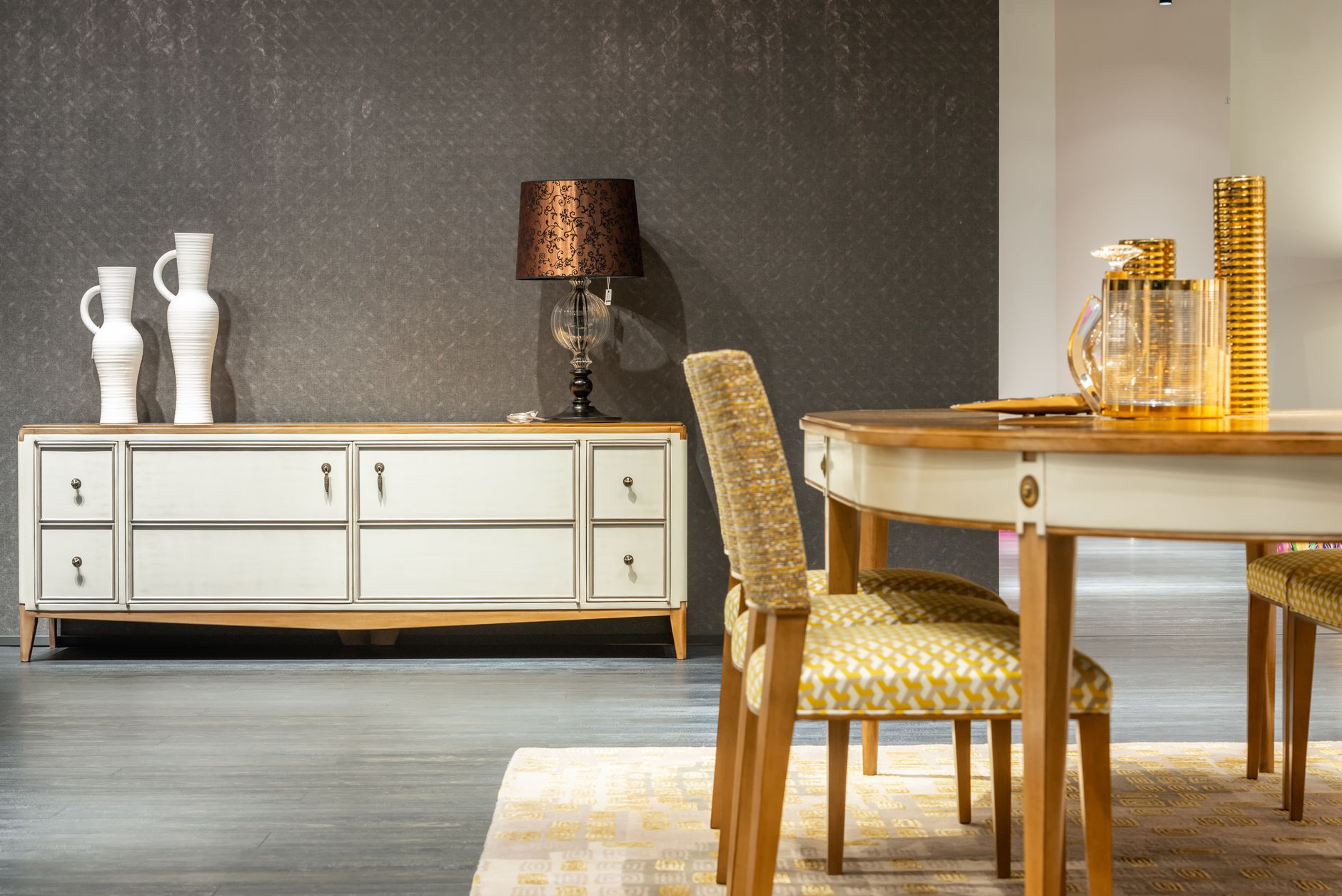
The matchy-matchy flanking lamps and centered artwork are dead. Designers are embracing off-kilter arrangements that create visual friction—a sofa angled into the room, a bed askew from the wall, chairs that don't quite align. This isn't chaos; it's intentional imbalance that makes a space feel considered rather than catalog-ordered. Asymmetry forces you to look around a room instead of absorbing it in a single glance, and that sustained attention is what separates a space you live in from one you just occupy.
Conversation Pits Are Back, Minus the Sunken Part
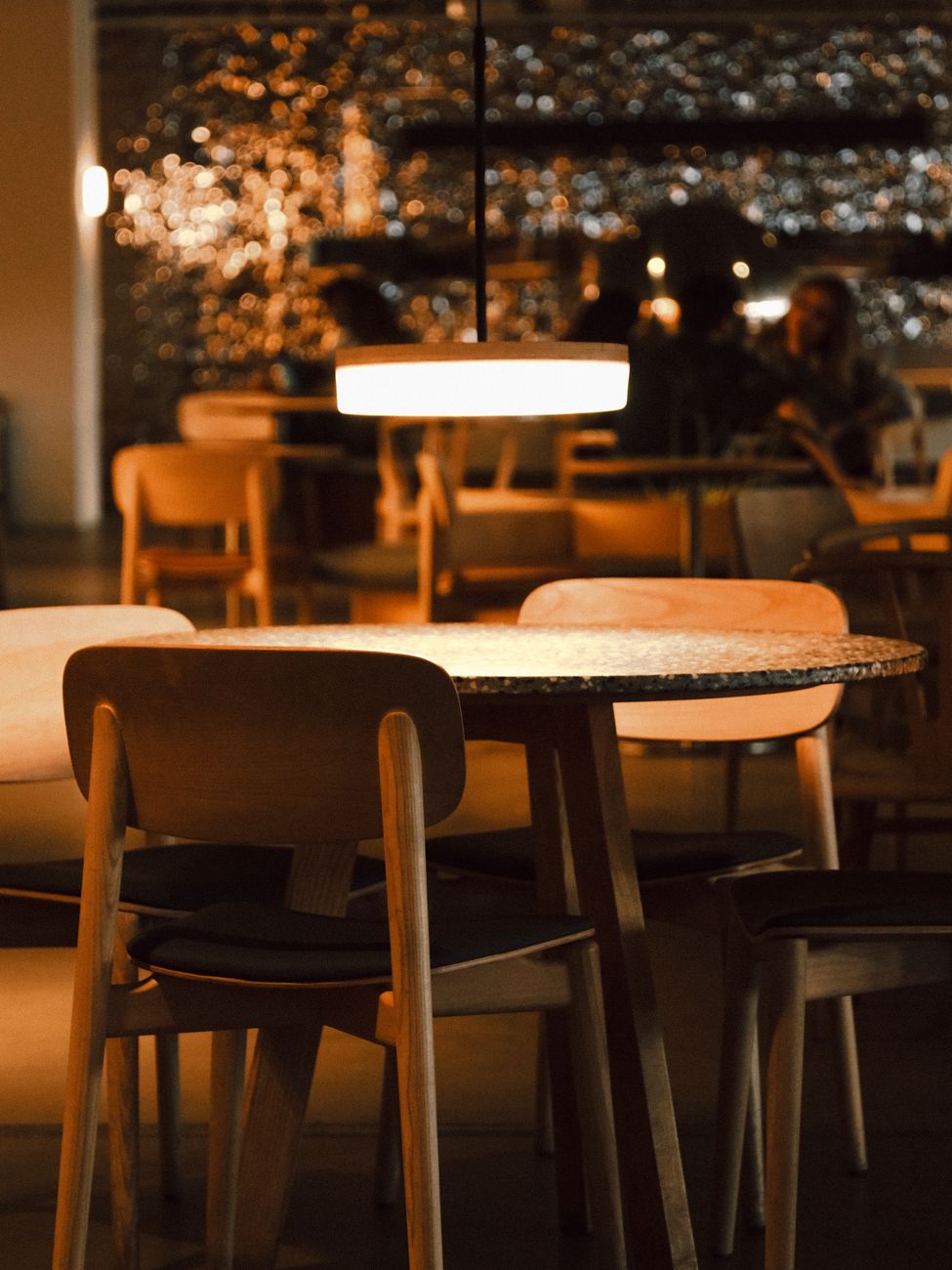
The 1970s conversation pit is being reinterpreted for people who don't want to excavate their floors or trap guests in upholstered wells. Instead, designers are clustering seating in tight, inward-facing arrangements—sofas perpendicular to each other, chairs pulled close, ottomans doing double duty as tables and spare seats. The effect mimics the intimacy of a sunken living room without the architectural commitment, creating pockets of connection in homes where everyone used to face the same direction in silence.
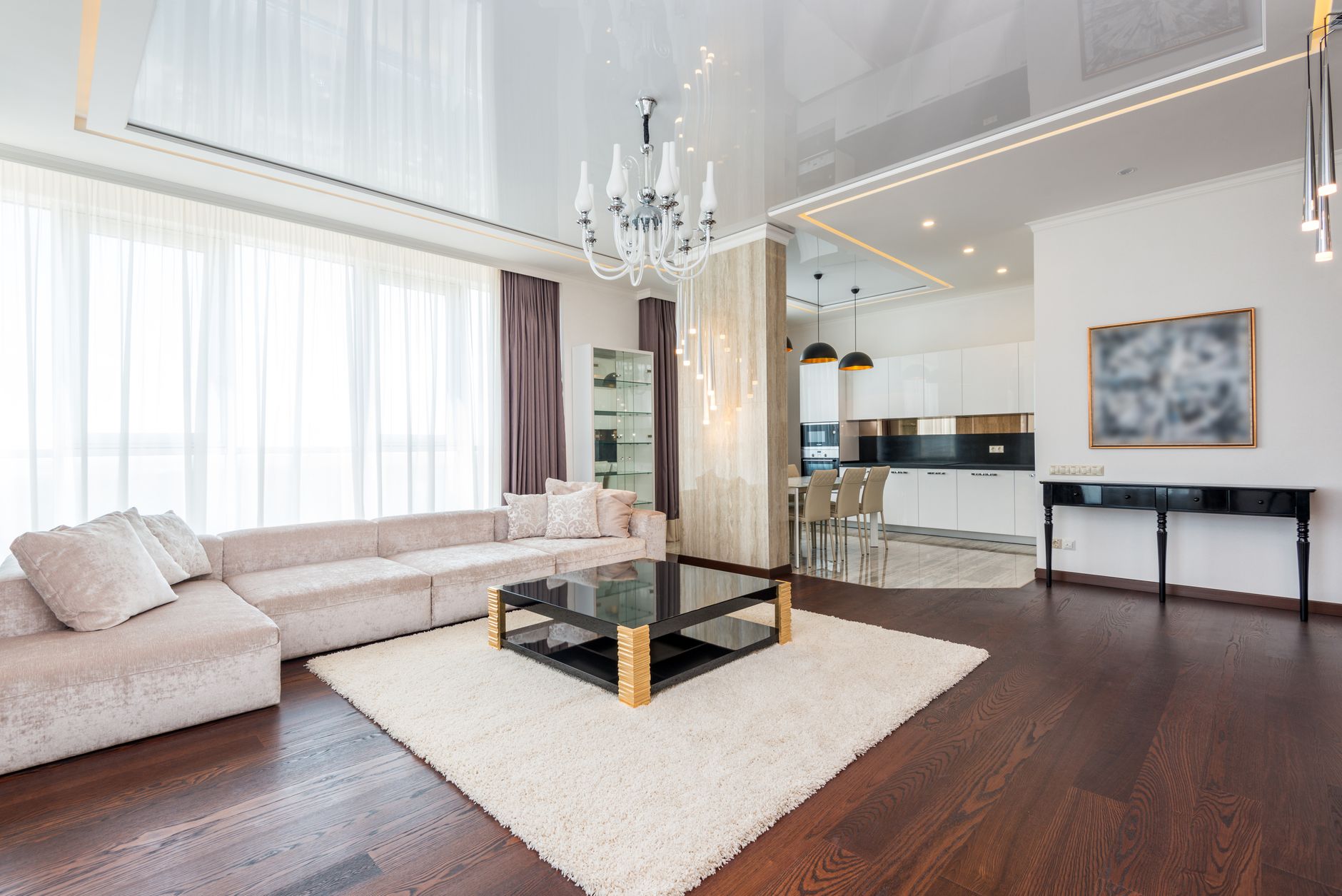
We're Designing for Bodies in Motion, Not Bodies at Rest
The pandemic recalibrated how we move through domestic space, and designers are responding by treating furniture as mutable rather than fixed. Pieces on casters, modular seating that reconfigures, tables that expand and collapse—the goal is furniture that adapts to what you're doing rather than dictating what you can do. This isn't about flexibility for its own sake; it's about acknowledging that rooms serve multiple functions now, and rigidity is incompatible with how we actually live. The wrong-way couch isn't permanent; it's just facing that direction today.