The wall-to-wall carpet your parents ripped out in 2003 is back, but it doesn't remember you and it definitely doesn't want your white wine at the dinner party. What was once the budget-friendly default of suburban homes has been reborn as an ultra-luxe gesture—commissioned, custom-woven, and confined to exactly one room where it makes a statement about having enough money to commit fully to softness.
This isn't about practicality or resale value. It's about hiring artisans to create a wool field that exists nowhere else on earth, then walking on it barefoot while everyone else stands in the doorway wondering if they should take their shoes off. Five things happening in the return of fitted carpet as a flex.

It's Being Treated Like Commissioned Art, Not Floor Covering
The new wall-to-wall isn't ordered from a catalog—it's developed with textile studios over months, involving dye lot approvals and material sourcing conversations that sound like wine tasting notes. Designers are working with heritage mills in Belgium and Nepal to create gradients, bespoke patterns, or textures that reference a client's childhood memory of a specific kind of moss. What used to be an afterthought is now the hero, planned before the furniture, dictating the palette of everything else.
The Single-Room Install Is the New Restraint Flex
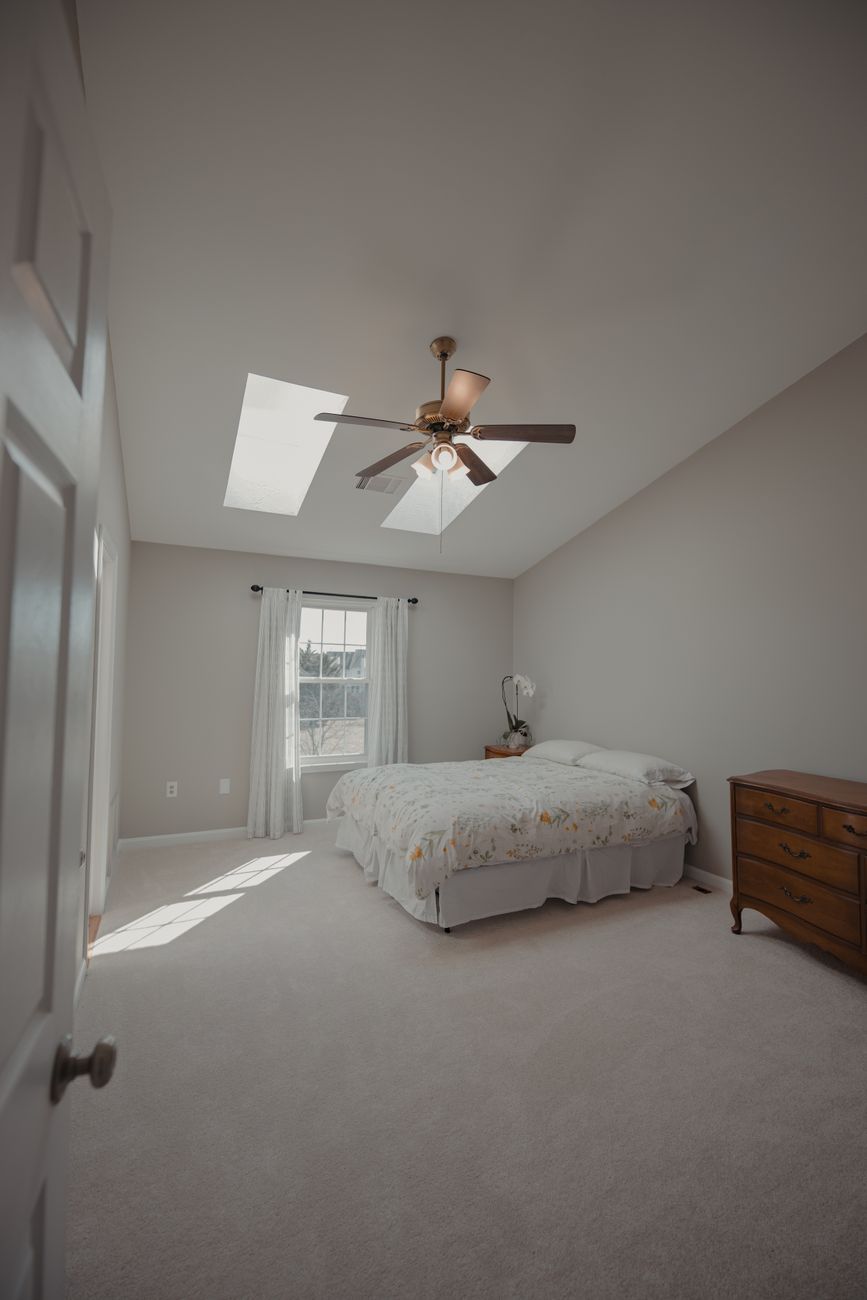
Doing the whole house would be gauche—this is about editorial discipline. The trend is to carpet one room entirely, usually the primary bedroom or a library, and leave the rest in stone or wood to create contrast. It's the same energy as wearing one statement piece and keeping everything else quiet. The restraint is the luxury: proving you can afford to make one room a sensory sanctuary while the rest of your house remains ascetic.
Natural Fibers Are Non-Negotiable, Synthetics Are Social Death
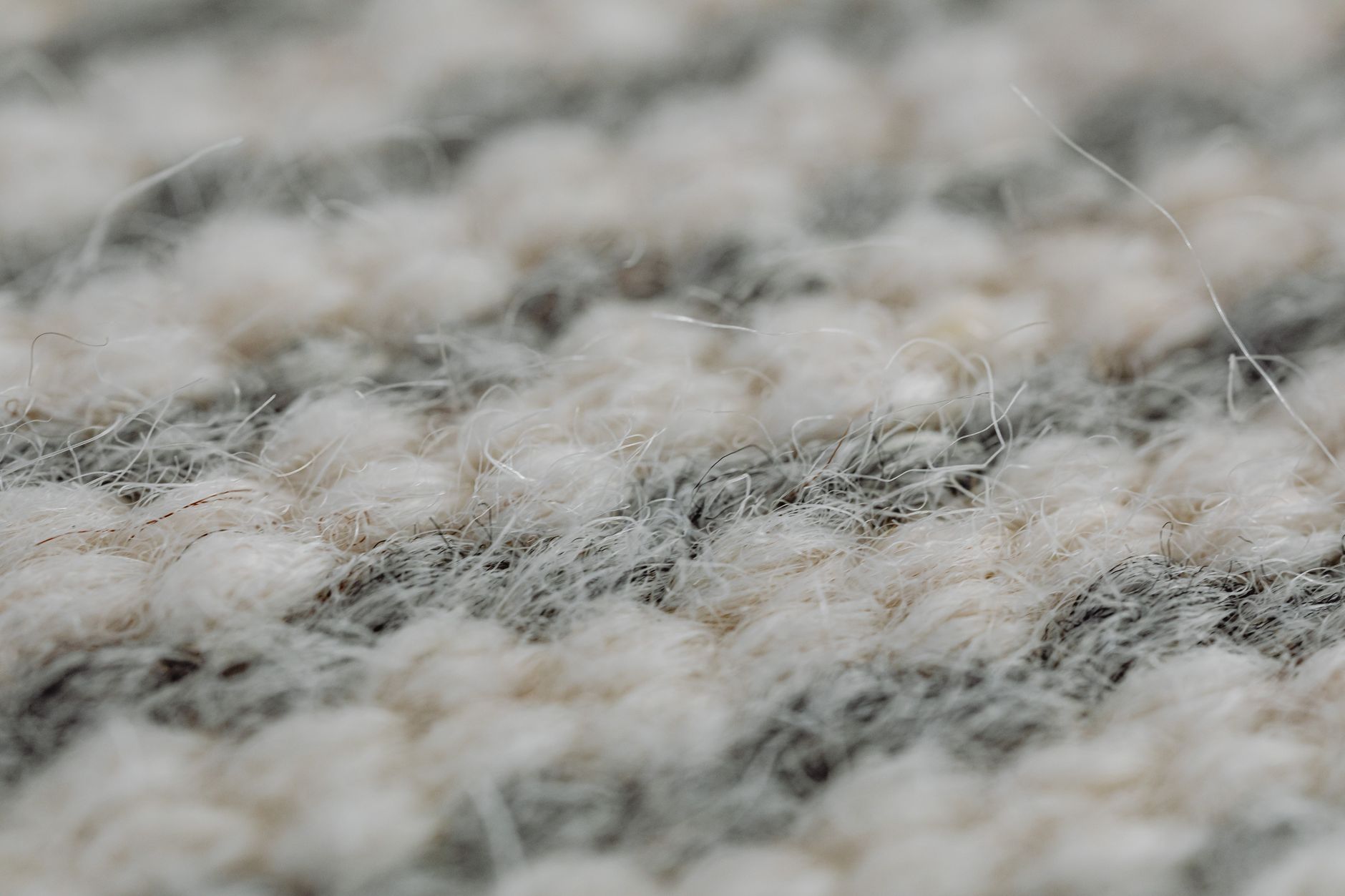
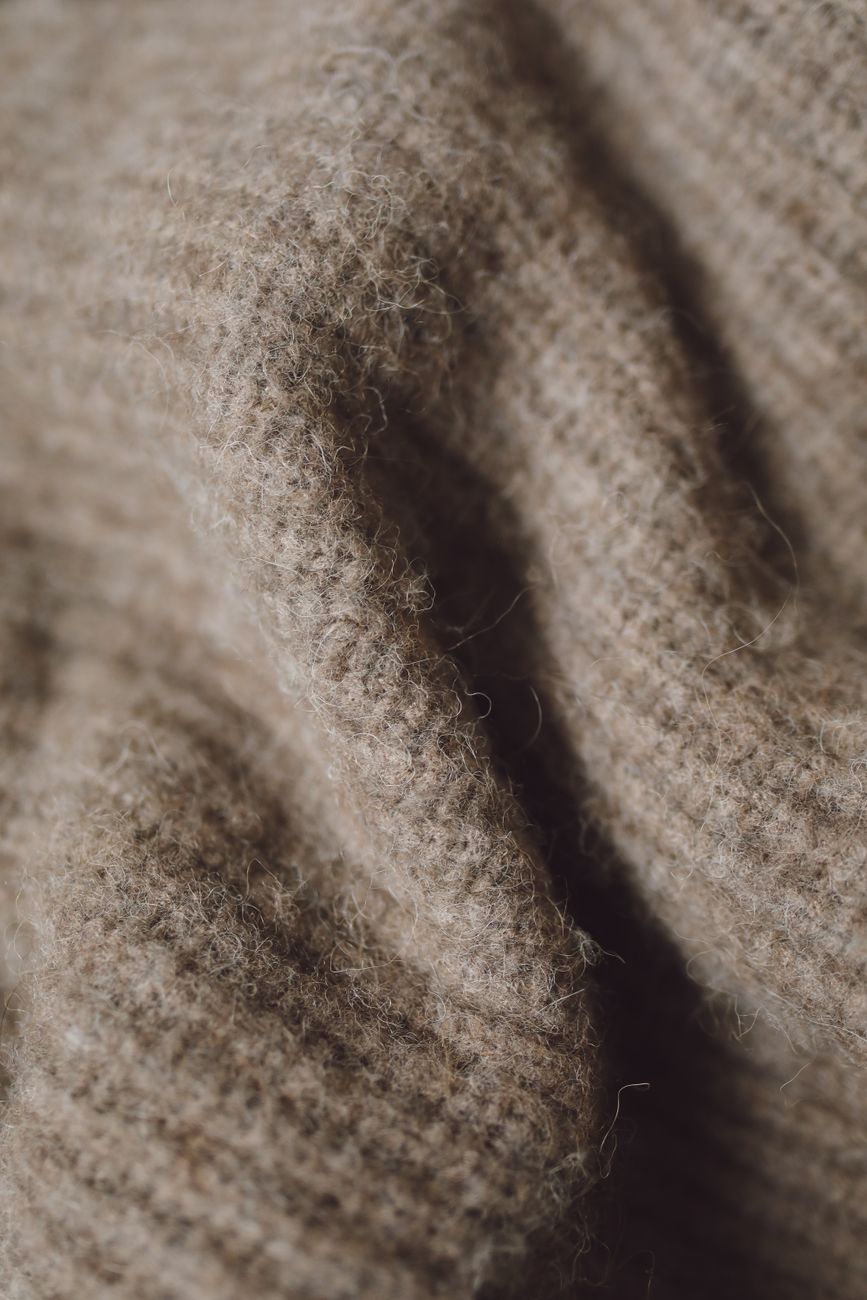
The $40,000 price point exists because anything less than 100% wool, silk, or linen isn't even in the conversation. Designers are specifying New Zealand wool with a specific micron count, hand-knotted silk borders, or alpaca blends that require specialist cleaning teams. Stain resistance and durability have been abandoned in favor of a surface that feels like moral superiority under your feet. If it can survive a toddler, it's not expensive enough.
Maintenance Becomes a Designed-In Ritual
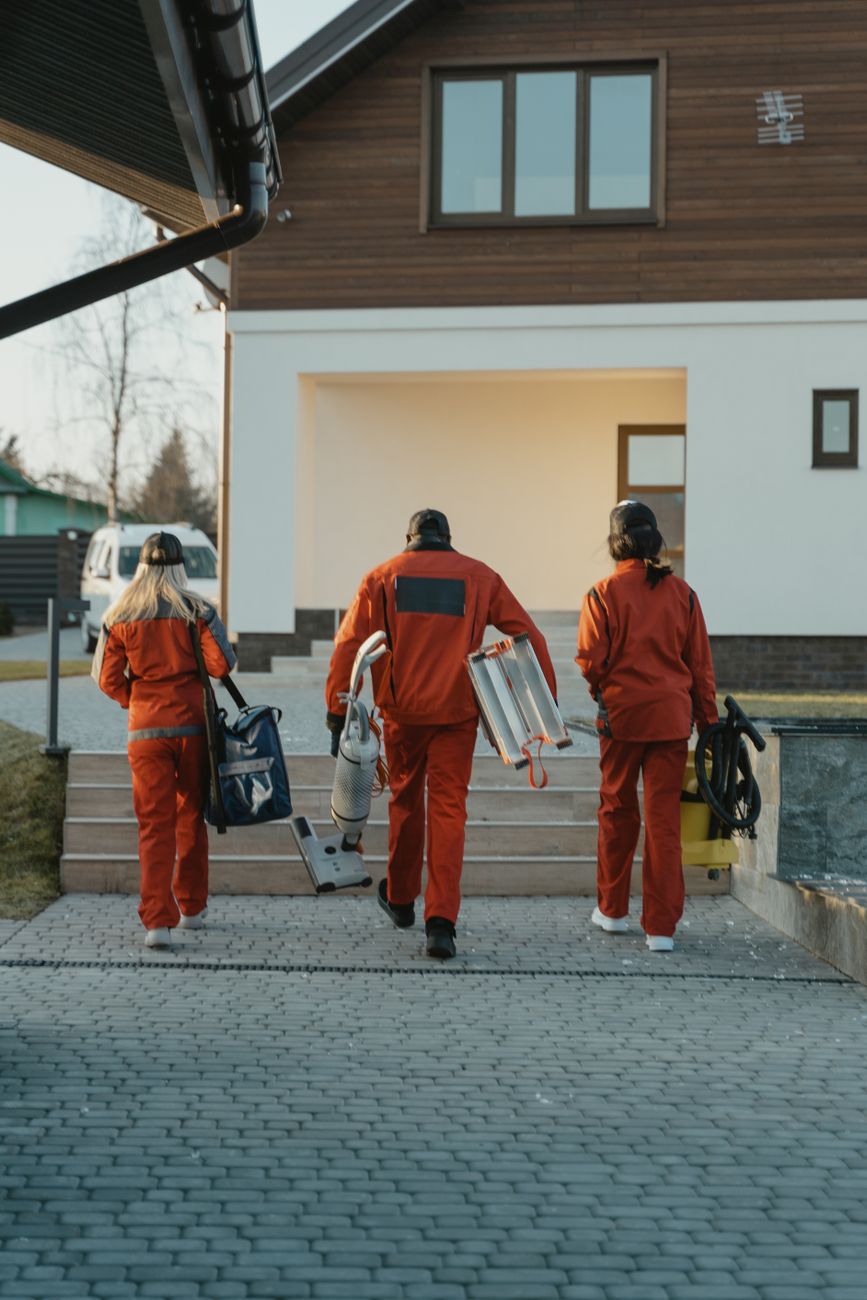
Owning a $40,000 carpet means entering a relationship with a maintenance specialist who visits quarterly, uses tools you don't understand, and sends calendar reminders you don't ignore. The fragility is part of the appeal—it's a living surface that requires care, which in turn requires staff or the kind of calendar margin that signals you're not frantically busy. The carpet becomes a marker of having enough space in your life to tend to something beautiful and impractical.
It's a Reaction to the Cold Minimalism That Dominated the 2010s
After a decade of concrete floors, steel-framed windows, and surfaces you could perform surgery on, wall-to-wall carpet is the pendulum swinging toward warmth as a status symbol. The homes that defined aspiration in the 2010s felt like art galleries; now the desire is for rooms that feel like wombs. Softness, sound absorption, and a surface you want to lie on fully clothed—these aren't practical considerations, they're emotional corrections to interiors that looked better in photos than they felt to live in.