The design world has a new enemy: your outlet. After decades of tolerating white plastic rectangles interrupting pristine walls, architects and interior designers have decided that visible electrical infrastructure is no longer acceptable. What was once a functional necessity has become an aesthetic liability, and the industry is scrambling to make power invisible.
This isn't about cable management anymore. It's about a fundamental shift in how we expect our homes to perform—flawlessly modern, technologically advanced, yet appearing entirely pre-industrial. The contradiction is expensive to resolve, and that's precisely the point.

Flush-mount outlets are the new crown molding
Pop-out and flush-mount electrical systems—once reserved for yacht interiors and hotel ballrooms—are now standard in high-end residential projects. These mechanisms sit completely flush with the wall until needed, then spring forward with a push. Designers are spec'ing them not as luxury add-ons but as baseline requirements, the same way marble countertops became non-negotiable in the 2010s. The message is clear: if your outlets are visible, your renovation is already dated.

Furniture is swallowing your charging needs
The furniture industry has taken the hint and is building power directly into nightstands, sofas, and desks—eliminating the need for wall outlets entirely. Wireless charging pads are now embedded in tabletops as standard features, not upgrades. Brands like Natuzzi and BoConcept are marketing entire collections around "invisible technology," positioning old-fashioned plug-in furniture as the equivalent of a landline. The implication: if you're still reaching for a cord, you're living in the past.
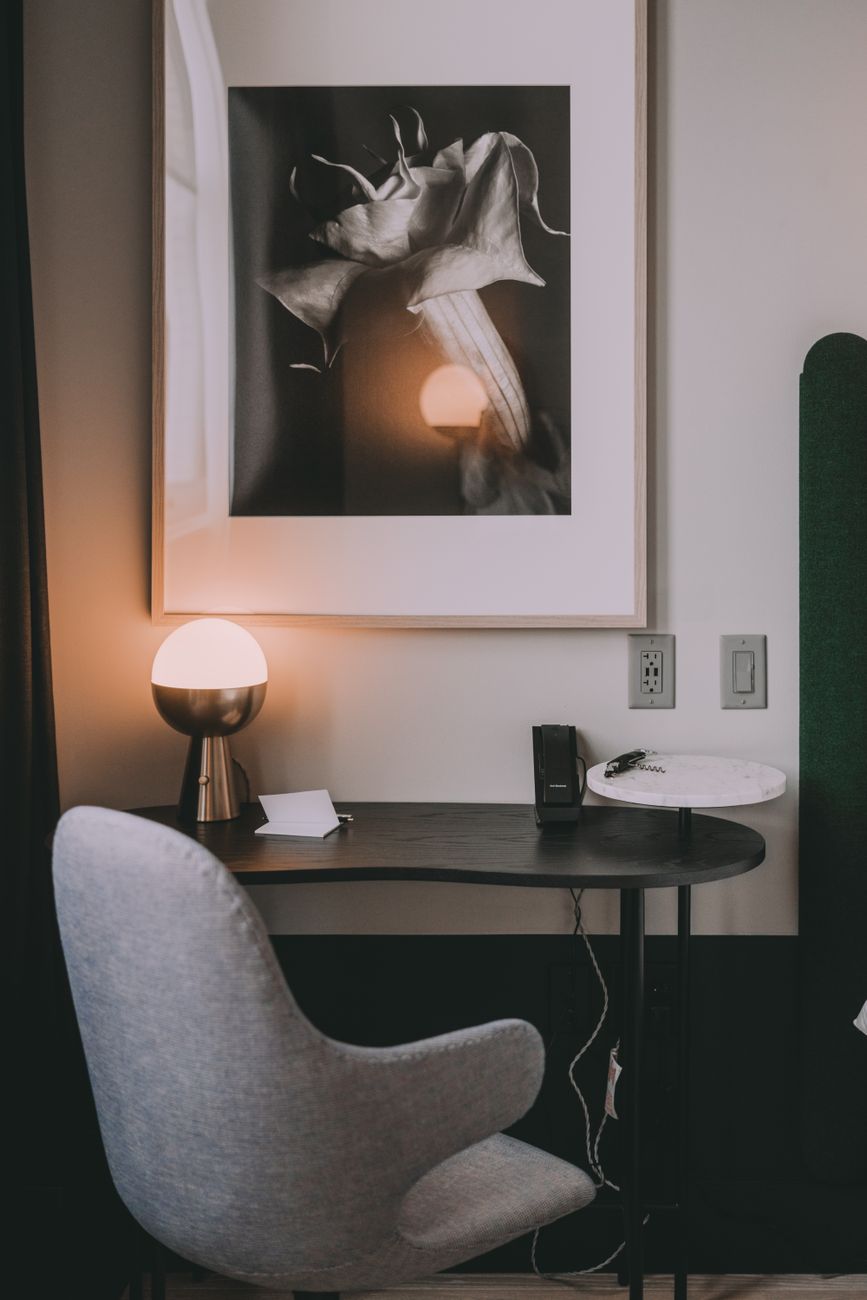
Architects are hiding outlets behind art
Gallery walls have a new purpose beyond displaying your taste. Custom outlet placements are now designed specifically to sit behind frames, mirrors, and floating shelves—anywhere a plug can disappear. Some architects are installing outlets inside cabinetry exclusively, forcing homeowners to charge devices out of sight. It's inconvenient by design, a small price for maintaining visual purity. The subliminal message: daily life should leave no trace.
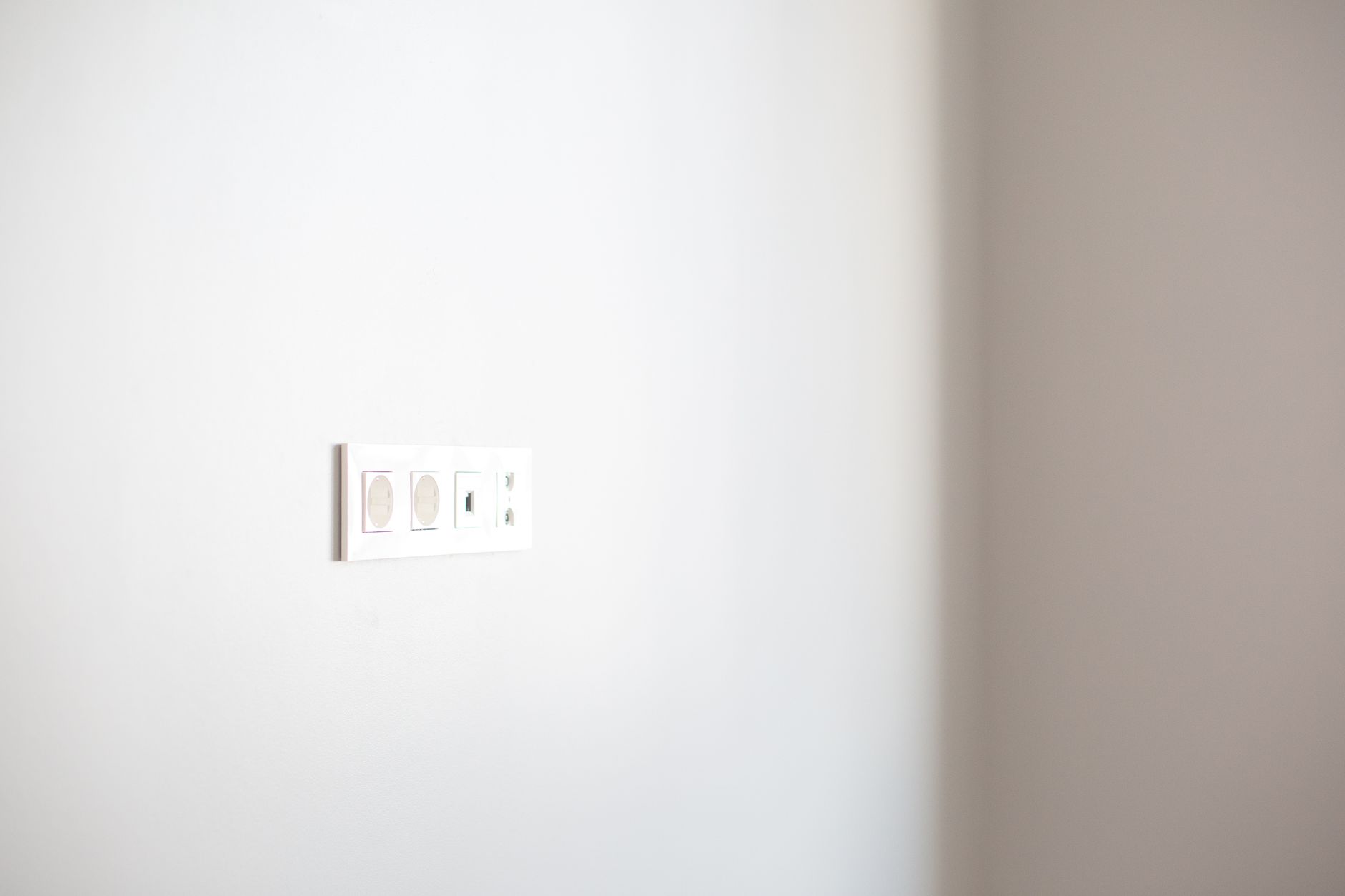
Colored outlets are a luxury market
For those unwilling to go fully invisible, the outlet itself has become an object of design obsession. Companies like Forbes & Lomax and Buster + Punch sell switches and sockets in brass, matte black, and custom powder-coated finishes for hundreds per plate. These aren't trying to disappear—they're announcing that someone cared enough to coordinate every detail down to the electrical infrastructure. It's conspicuous precision, the kind of completionism that signals both budget and neurosis.
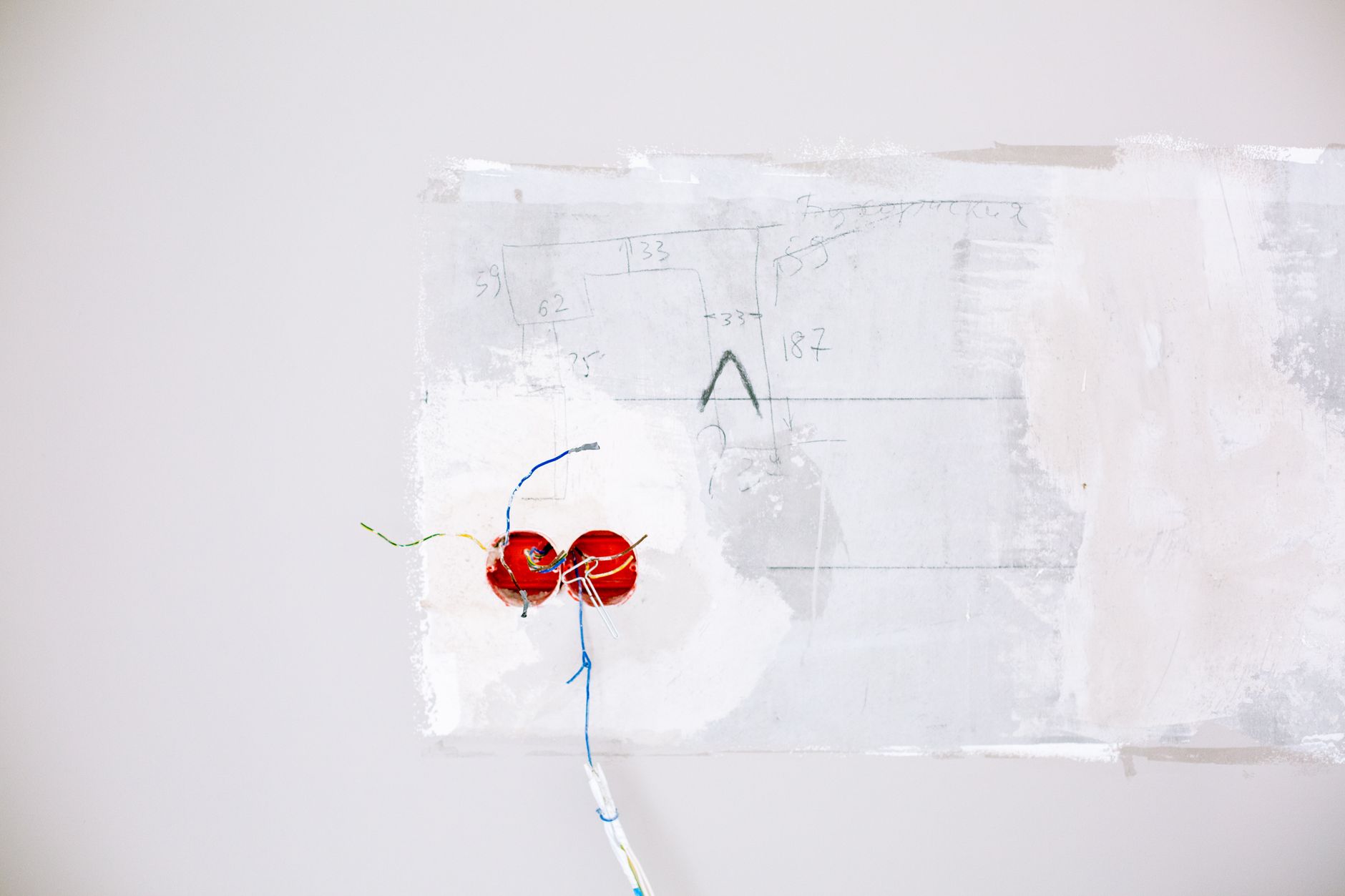
Code requirements are the last holdout
The fantasy of the outlet-free home keeps crashing into reality: building codes mandate a minimum number of receptacles per room, and inspectors don't care about your aesthetic vision. Designers are finding workarounds—floor outlets hidden under rugs, code-minimum placements in closets, creative interpretations of "accessible" power. The result is homes that look perfect in photos but require extension cords the moment you try to vacuum. Function has become the compromise we make for beauty, and no one wants to admit it.