The hallway—once a beige purgatory between rooms—has become architecture's most over-indexed real estate. What used to require a runner rug and hope now demands a lighting consultant, a seating plan, and apparently, recurring expenses.
This isn't about making corridors functional. It's about turning 47 square feet of passage into a statement that announces you understand space as theater. Five things worth noticing.

Seating Where No One Will Actually Sit
Benches, ottomans, and occasionally entire settees now occupy hallways with the confidence of furniture that knows it's decorative. These pieces exist not for utility but as proof you have space to waste. The narrow velvet bench blocking your path to the bedroom isn't a mistake—it's a flex. Bonus points if it's vintage, upholstered in something impractical, and costs what a functional sofa should.
Lighting Schemes That Require Dimmers and Opinions
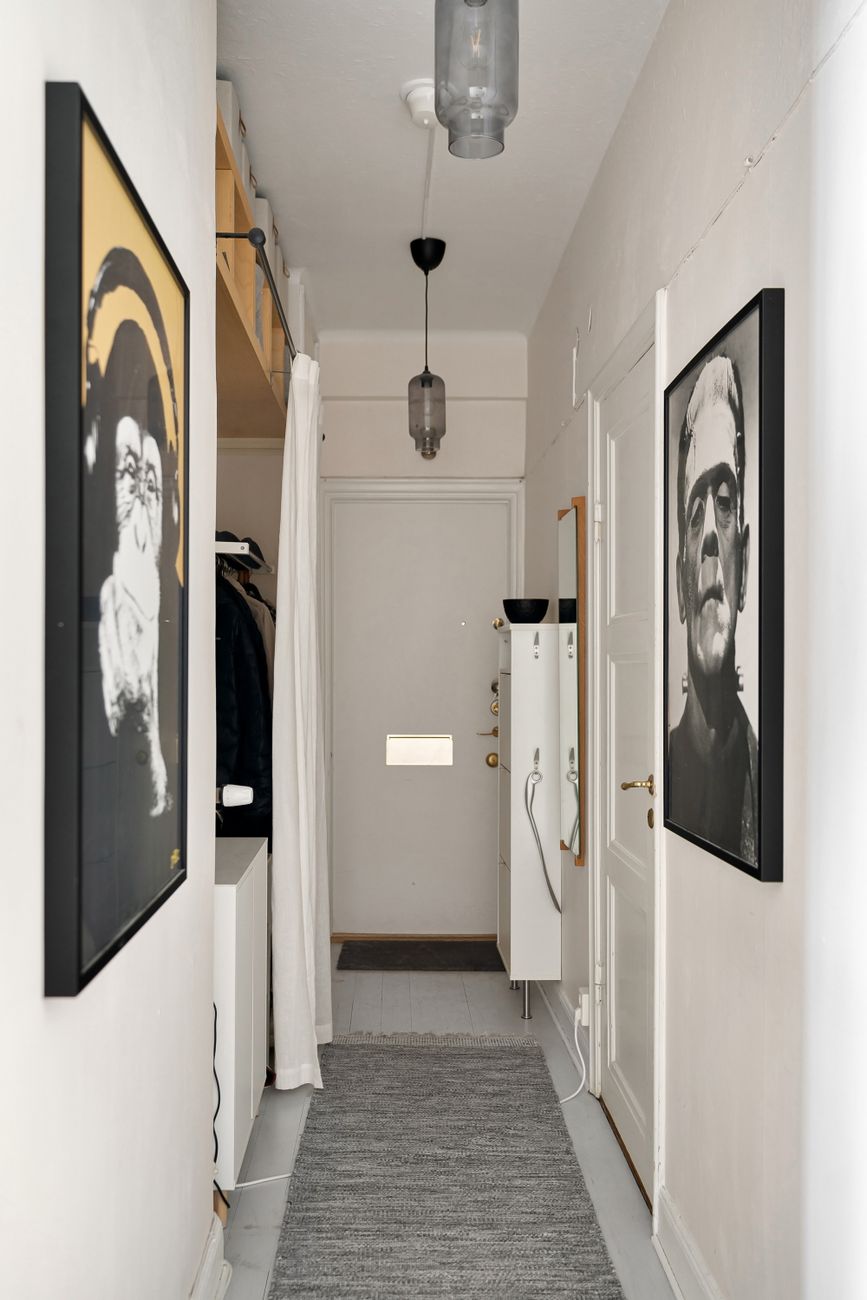
Track lighting is out. Statement pendants, sconces at exact intervals, and LED strips concealed in architectural details are in. Hallways now have lighting plans that involve terms like "ambient layering" and electricians who charge by the philosophical question. The goal is illumination that transforms a passageway into a gallery—because if you're not backlighting your corridor like a Comme des Garçons runway, what's the point of having one.

Monthly Subscriptions for Flowers That Die in Transit
Console tables in hallways now host rotating floral arrangements via monthly subscriptions that cost more than streaming services you actually use. These aren't grocery store bouquets—they're seasonal, sculptural, and selected by someone with a degree in "botanical curation." The flowers last a week. The aesthetic justification lasts forever. It's less about nature and more about signaling that your entryway deserves a line item in the household budget.

Art Galleries for an Audience of Zero
Hallways have become exhibition spaces for art that's too challenging for the living room but too expensive to store. Gallery walls, salon-style hangs, and pieces that require explanations now line corridors seen primarily by you, in the dark, heading to the kitchen. It's curation as performance—the kind where the performance happens whether anyone watches or not. The art isn't there to be looked at. It's there to prove looking happens.

Maintenance Costs That Rival Gym Memberships You Don't Use
Between the flowers, the specialized cleaning for whatever impractical material covers your walls, and the bulbs for those statement fixtures that require ladders and electricians, hallway upkeep has become a recurring expense. We're talking monthly maintenance budgets for spaces you pass through in seconds. It's the logical endpoint of treating every square foot like contested territory. The hallway doesn't just cost more to furnish—it costs more to maintain than your commitment to self-improvement.