There's a Taylor Swift announcement coming. Not the album—an announcement about when she'll announce details about potential tour dates. Frank Ocean's team just posted a cryptic orange square. Beyoncé's website changed fonts. Welcome to 2025, where the build-up has eclipsed the actual release, and we've collectively agreed to treat promotional foreplay as the cultural event itself.
This isn't marketing. It's a fetish. Artists have discovered that anticipation generates more engagement than art, so they've industrialized the tease into a multi-week spectacle of countdowns, cryptic billboards, and Instagram stories that say absolutely nothing. We know we're being played. We refresh anyway.
The announcement announcement industrial complex
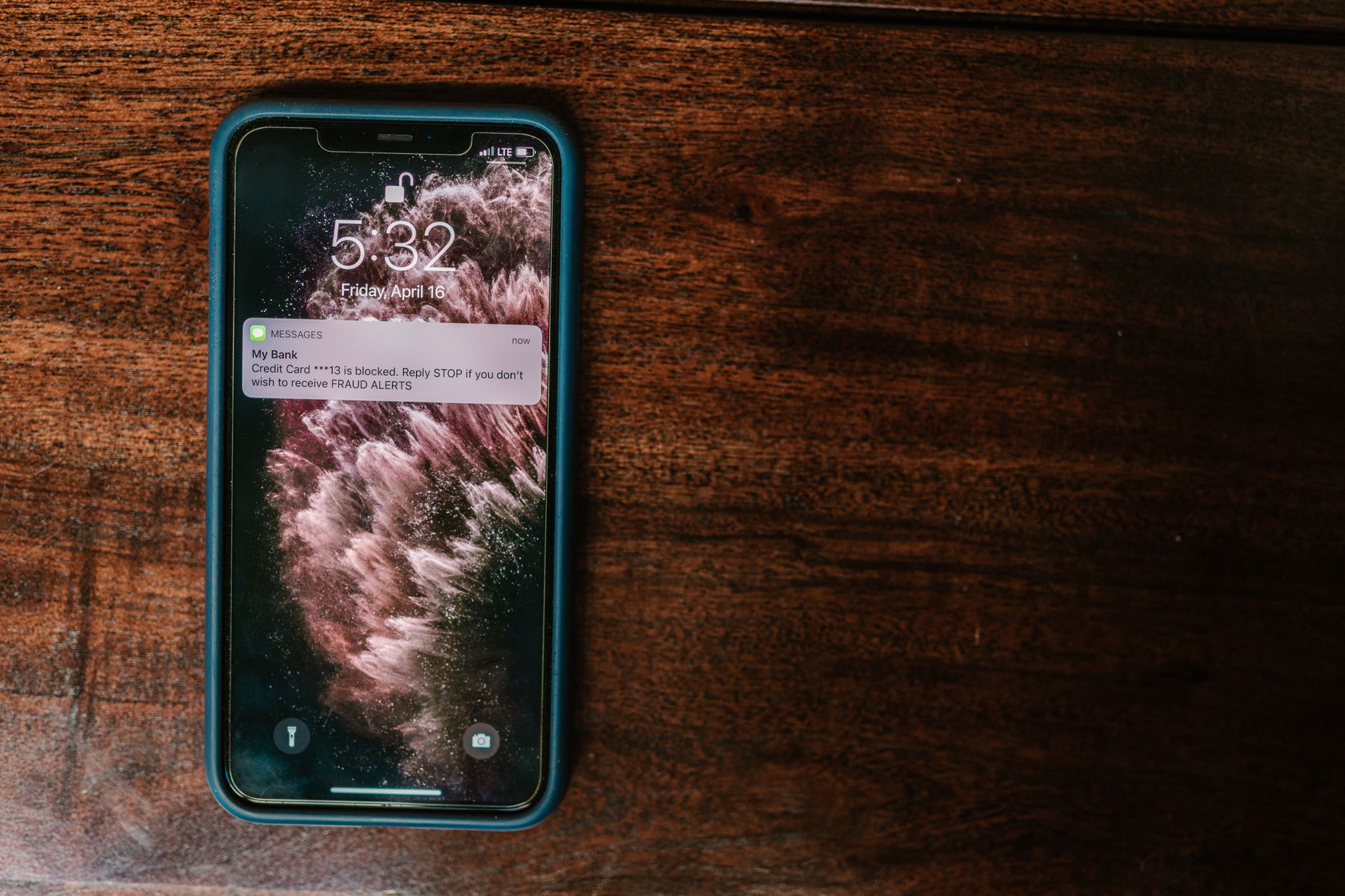
Major artists now routinely announce that they'll be making an announcement, creating a Russian nesting doll of promotional content where each layer generates its own news cycle. Drake teases a teaser for a trailer about an album rollout timeline. The Weeknd updates his profile picture, which Entertainment Weekly covers as breaking news. This meta-promotional strategy transforms one album into six weeks of content, each reveal calibrated for maximum algorithmic engagement while delivering minimum actual information.
Fans have Stockholm syndrome and they're fine with it
The most fascinating part isn't that artists do this—it's that audiences have developed a genuine appetite for the void. Reddit threads dissect the meaning of a blank Instagram story. TikTok detectives zoom into billboard pixels searching for easter eggs. Fans have transformed passive consumption into active mythology-building, turning promotional crumbs into immersive alternate reality games. The speculation has become more satisfying than the reveal, because speculation lets them write their own narrative.
Scarcity theater in the age of infinite content
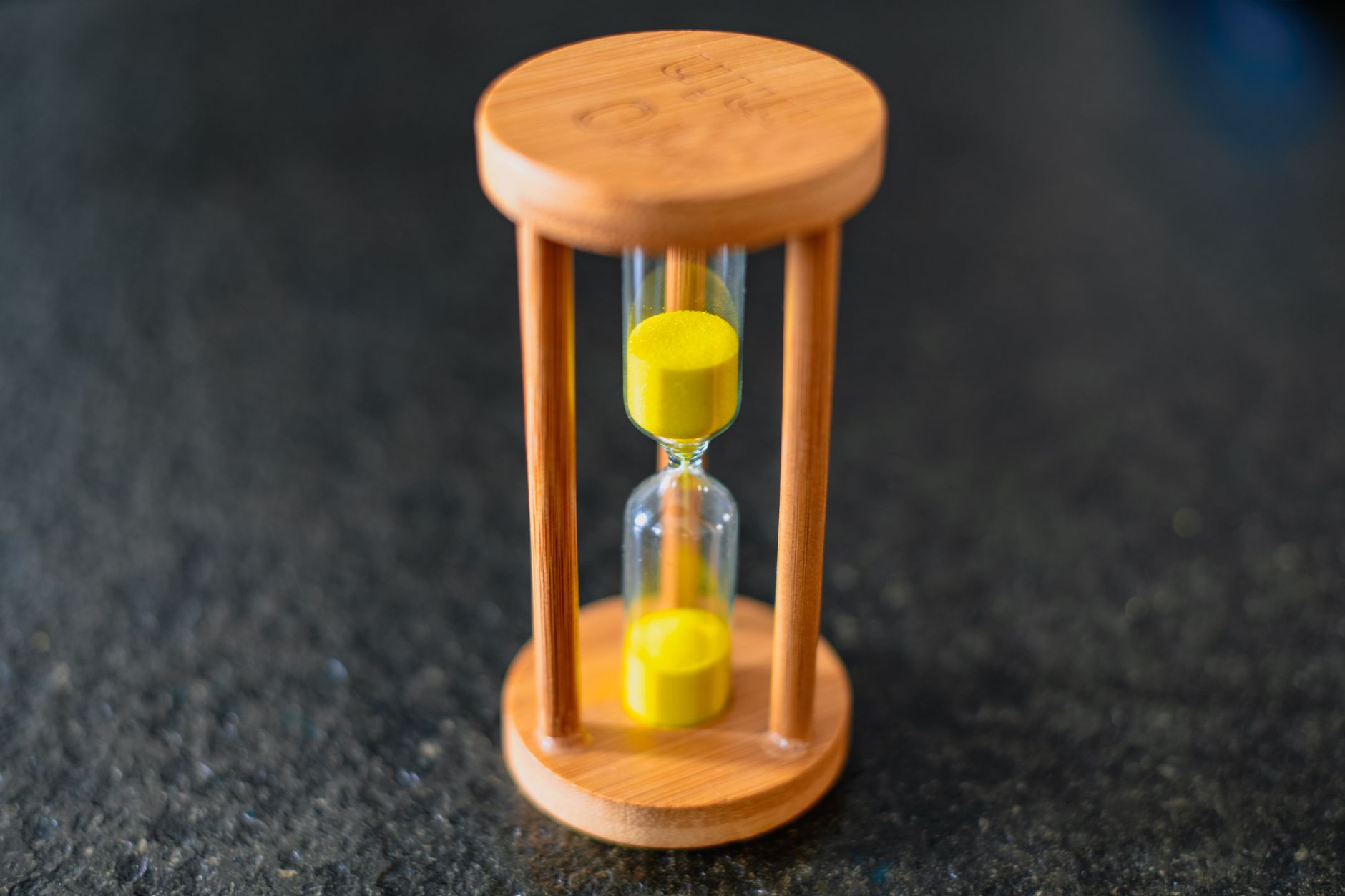
Streaming killed scarcity, so artists are artificially recreating it through manufactured anticipation. When every song ever recorded sits three seconds away, the only valuable commodity is the moment before release—when desire still exists untainted by reality. Countdowns and cryptic teasers restore the Blockbuster-era thrill of waiting for something you can't have yet. It's artificial scarcity for the algorithm age, and it works because we're so drowning in content that even simulated rarity feels like an event.
The music becomes the least interesting part
By the time the actual album drops, it's almost anticlimactic—the discourse has already happened. Beyoncé's Cowboy Carter announcement generated more think pieces than the album itself. Travis Scott's Utopia rollout with its pyramids and listening parties became more culturally significant than half the tracks. The pre-release phase now contains the entire narrative arc: speculation, theory-crafting, parasocial investment, and communal experience. The music is just the credits rolling after the movie's already over.

Everyone's complicit because boredom is worse
We mock it, we see through it, and we participate anyway because the alternative is admitting there's nothing else to do. The countdown fetish thrives not because audiences are stupid, but because manufactured anticipation provides structure in an otherwise formless content void. It gives us something to check, a reason to open the app, a communal experience that asks nothing of us except our attention. We pretend to care because pretending to care about something is better than the alternative: caring about nothing at all.