Powder blush disappeared from makeup bags without fanfare, eulogy, or even a proper goodbye. One day it simply stopped mattering. No dramatic recall, no social media outcry—just collective amnesia as glossy, dewy cheeks became the only acceptable finish.
The cream takeover wasn't gradual. It was swift, decisive, and irreversible. What happened wasn't evolution; it was execution. Powder's matte, separable texture suddenly looked dated against skin that actually reflects light. The market has spoken, and it speaks in balm sticks and squeeze tubes.
Skin Texture Became the Ultimate Status Symbol
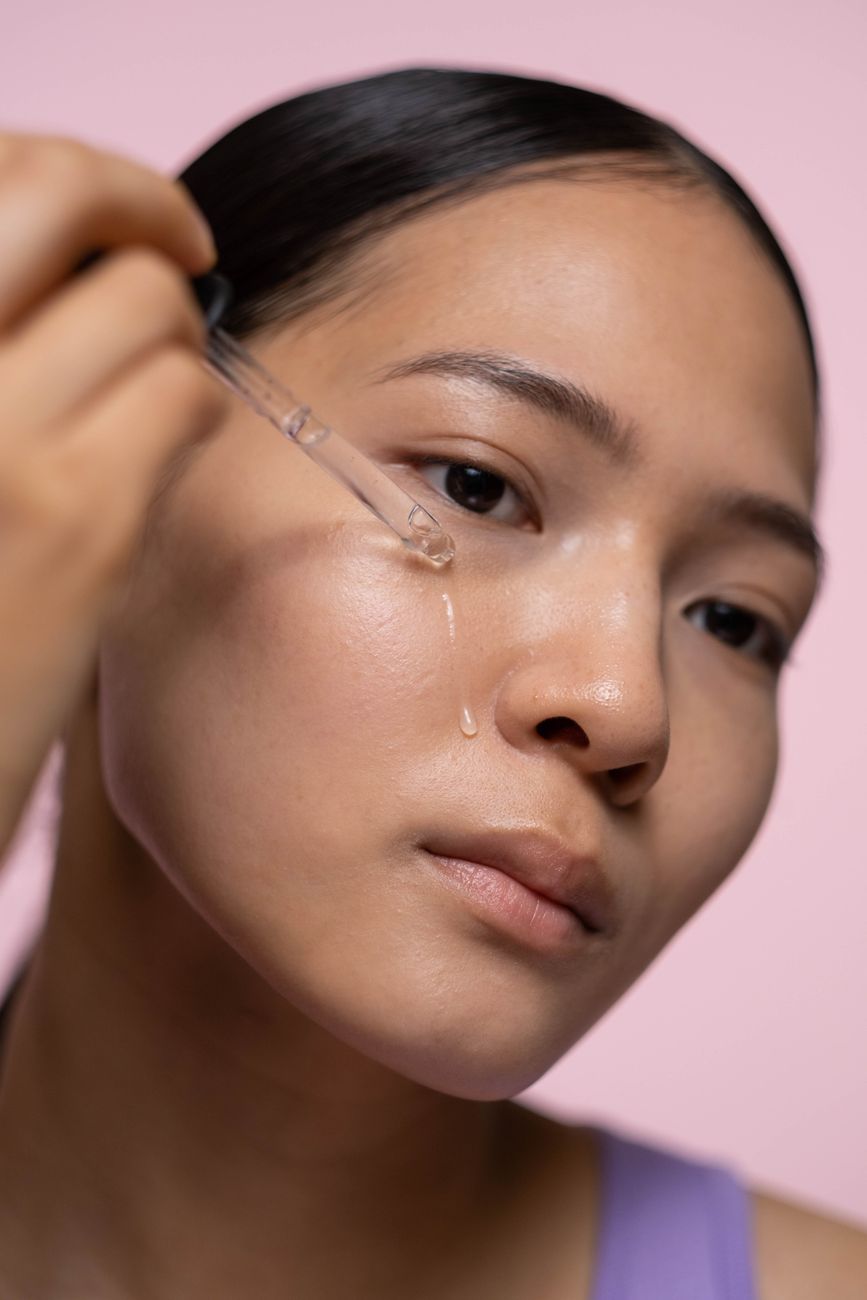
Glass skin, dolphin skin, glazed donut skin—whatever you want to call it, the aesthetic demands luminosity that powder actively destroys. Cream blush melts into skin and amplifies that coveted wet look, while powder sits on top like dust on furniture. The difference isn't subtle. It's the difference between looking expensively maintained and looking like you're trying to hide something.
Influencer Application Techniques Rendered Powder Obsolete
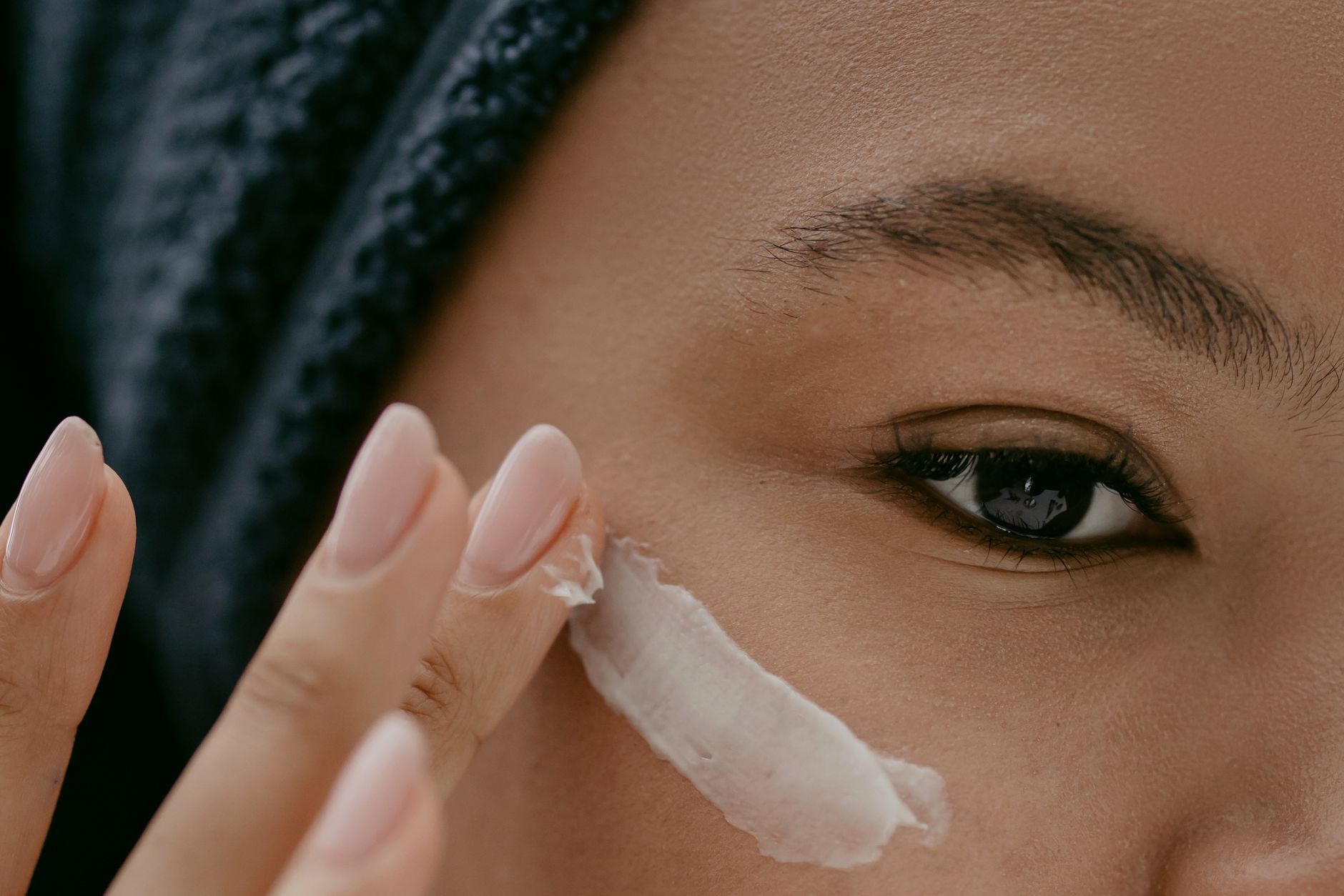
The stipple-and-blend method that dominates beauty content only works with cream. Powder can't be tapped into skin with fingertips, warmed, and diffused until it looks like you're blushing from within. Once millions watched that satisfying application technique, brushes started feeling archaic. The ritual changed, and powder couldn't keep up with the new choreography.

Multitasking Became Non-Negotiable
Cream formulas work on lips, eyes, and cheeks without switching products or tools. They live in handbags, gym bags, and airplane carry-ons without the risk of shattering into twelve irretrievable pieces. Powder offered exactly one function and came with built-in fragility. In an era where efficiency equals intelligence, that single-use vulnerability became indefensible.
The Monochrome Face Demanded Seamlessness
Matching your blush to your lip and lid requires formulas that behave identically across different skin textures. Cream delivers that consistency; powder creates obvious demarcation lines and finish mismatches. The monochrome trend didn't just prefer cream—it required it. Powder couldn't deliver the unified, almost airbrushed effect that makes the look work instead of looking costumey.

Clean Beauty Villainized Powder's Ingredient List
Talc, silica, synthetic dyes—powder blush reads like a chemistry experiment to the ingredient-conscious consumer. Cream formulas lean into oils, butters, and botanical extracts that sound like skincare because they often are. Whether the fear is justified doesn't matter. Perception shaped purchasing, and powder's ingredient deck became a liability no marketing could rehabilitate.
Aging Skin Exposed Powder's Cruelty
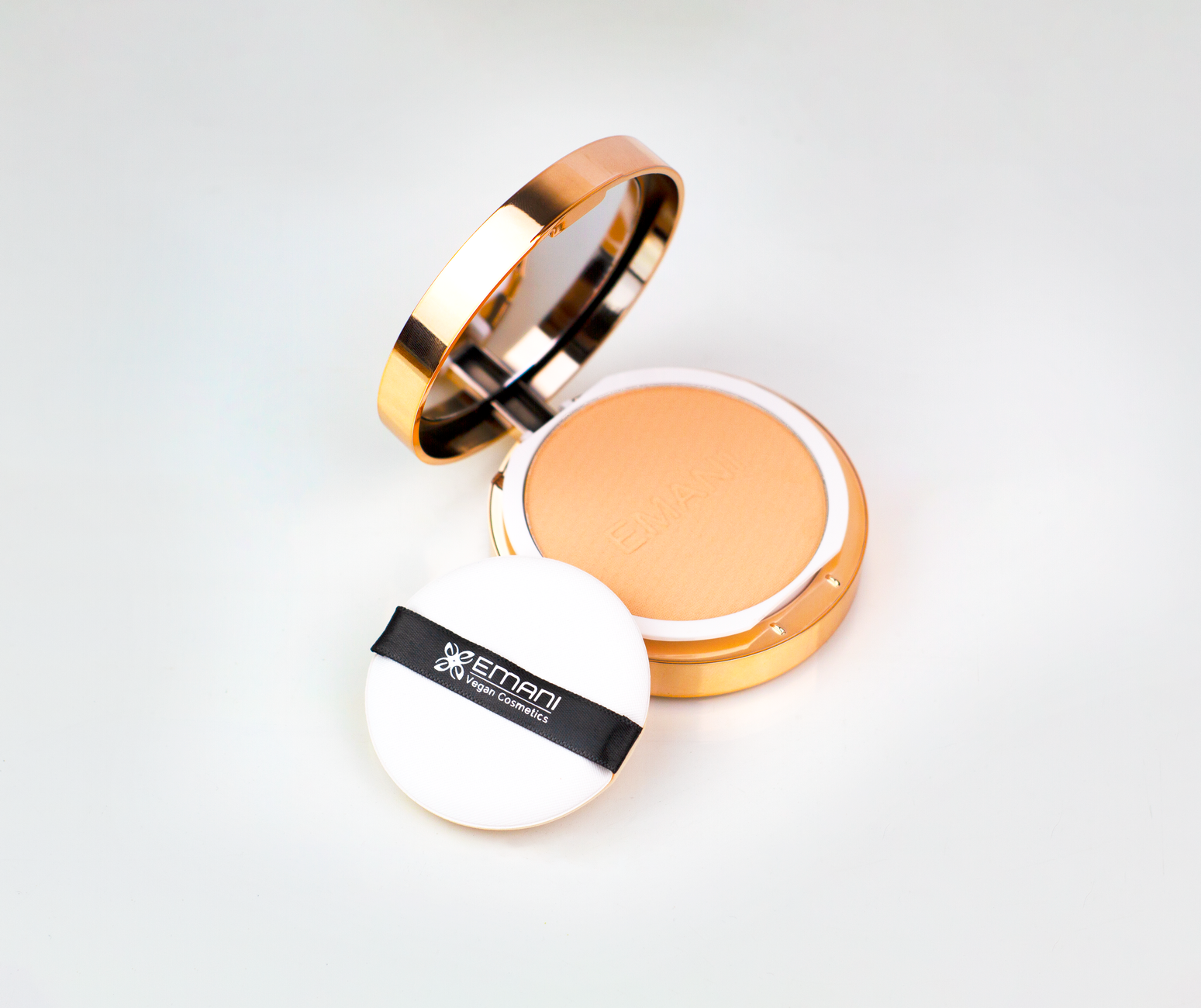
Powder settles into fine lines, emphasizes texture, and somehow makes pores look simultaneously clogged and cavernous. Cream blush blurs, hydrates, and creates the illusion of plumpness. As skincare-first routines extended shelf life for older consumers in the beauty market, formulas that punished aging skin simply stopped selling. Powder became the enemy of the very demographic with disposable income.
Longwear Technology Made Cream Unkillable
Powder's supposed superiority was always longevity—until cream formulas cracked the code on staying power without the flat finish. Modern cream blushes last twelve hours, survive workouts, and don't require touch-ups. Once that last advantage evaporated, powder had nothing left to offer except nostalgia, and nostalgia doesn't move units.

The Pro Artists Defected First
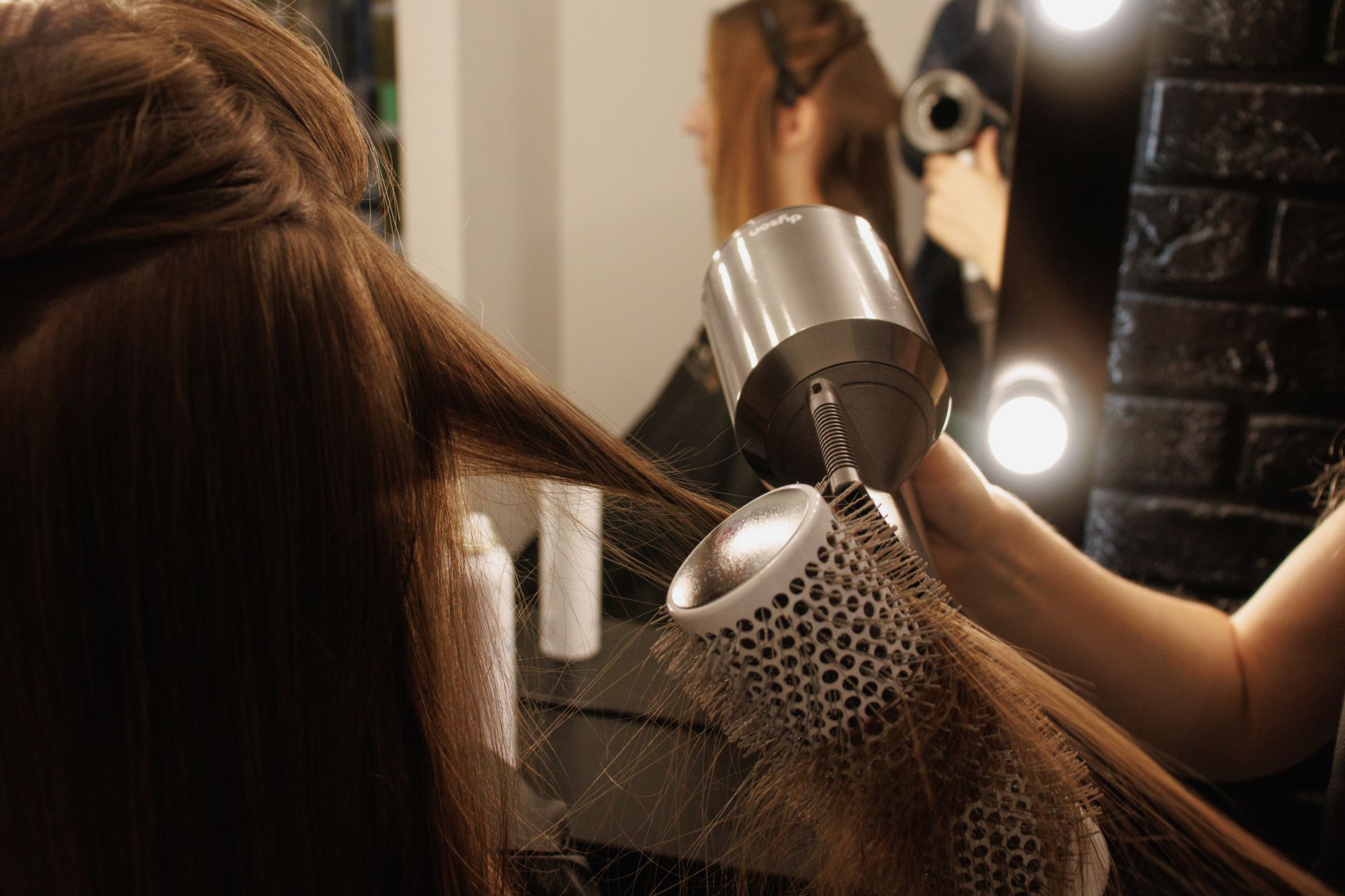
Backstage at fashion weeks, editorial shoots, and red carpets, powder blush vanished years before consumers caught on. Professionals abandoned it because cameras—especially iPhone cameras with aggressive processing—make powder look chalky and dimensional. Cream photographs like skin. Once the trendsetters moved on, mass market followed. Powder never stood a chance against that kind of industry-wide rejection.
- Skin Texture Became the Ultimate Status Symbol
- Influencer Application Techniques Rendered Powder Obsolete
- Multitasking Became Non-Negotiable
- The Monochrome Face Demanded Seamlessness
- Clean Beauty Villainized Powder's Ingredient List
- Aging Skin Exposed Powder's Cruelty
- Longwear Technology Made Cream Unkillable
- The Pro Artists Defected First