The money shot isn't what it used to be. In 2025, the most valuable footage in entertainment isn't the explosion, the kiss, or the reveal—it's the cry. Specifically, the tight close-up of a face collapsing in real time, preferably with a single tear tracking down a cheek in good lighting. These 15-to-30-second clips have become the industry's most recycled currency, cut and recut across trailers, social posts, fan edits, and reaction compilations until the context dissolves and only the raw emotion remains.
What started as authentic vulnerability has calcified into a format. Studios now structure entire marketing campaigns around a single breakdown scene. Streaming platforms A/B test which cry plays best in thumbnails. Actors know their Oscar reel might live or die on whether they can deliver a tear on cue in extreme close-up. The crying face has become both the most intimate and most industrialized moment in visual storytelling—a peculiar late-capitalist development where emotional collapse generates more value the more it circulates.
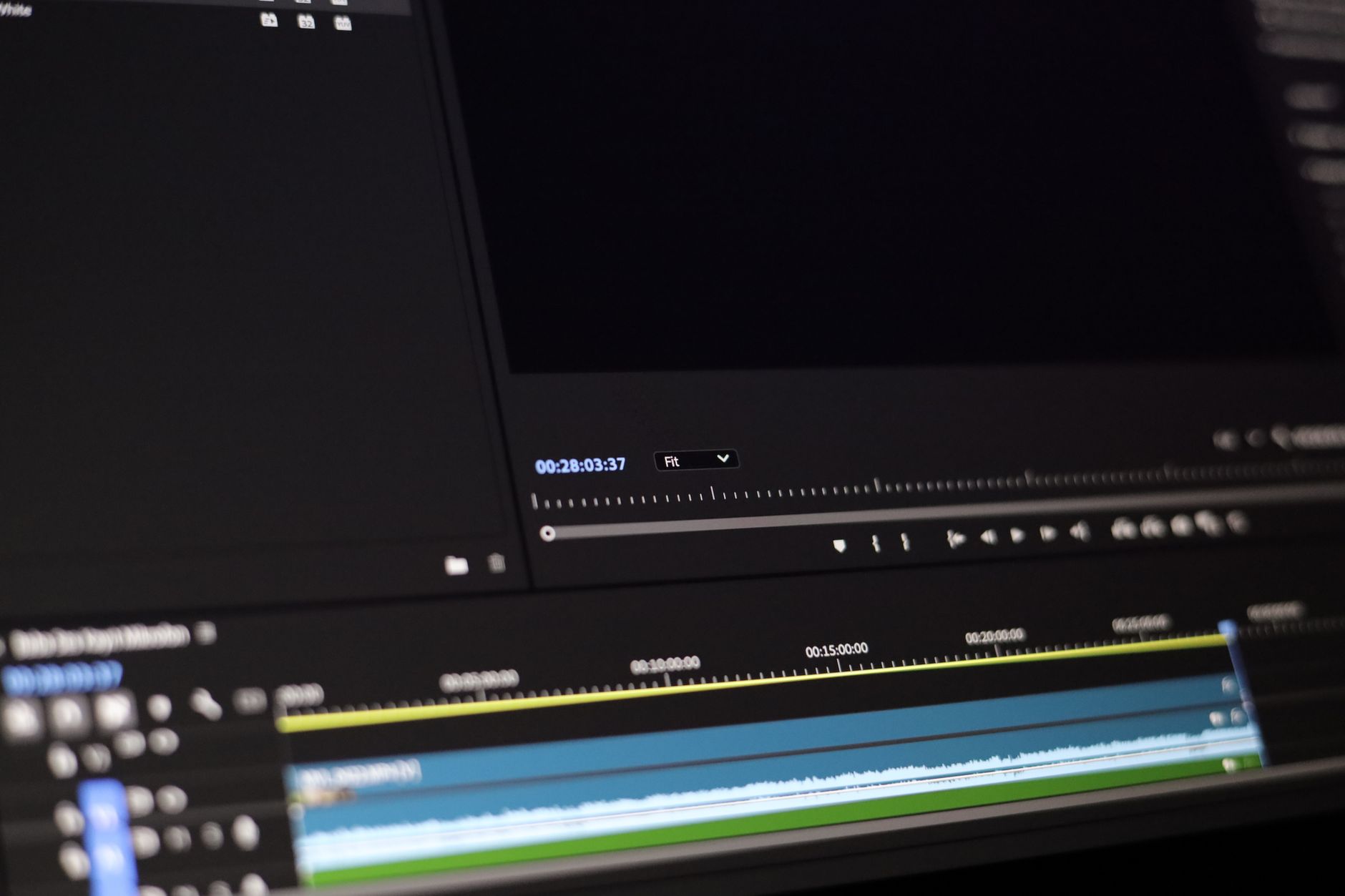
Trailer houses now cut for the cry like editors used to cut for the explosion
Every major trailer now features at least one premium breakdown moment, usually positioned at the emotional climax just before the title card. Marketing teams refer to these internally as "the pull"—the moment designed to stop the scroll, justify the budget, and convince audiences this story will hurt in the way they want. The craft has become so refined that some studios shoot additional crying coverage specifically for marketing, footage that never appears in the actual film. It's vulnerability as infrastructure.

The algorithm has learned that distress outperforms joy by a factor of seven
Platform data tells the brutal truth: crying faces hold attention longer than laughter, triumph, or action. TikTok's recommendation engine prioritizes videos where facial recognition software detects emotional distress in the first three seconds. Instagram confirms that carousel posts featuring tears see 340% higher saves than equivalent happy content. The implication isn't subtle—entertainment companies now engineer crying moments with algorithmic distribution in mind, reverse-engineering emotion from engagement metrics.
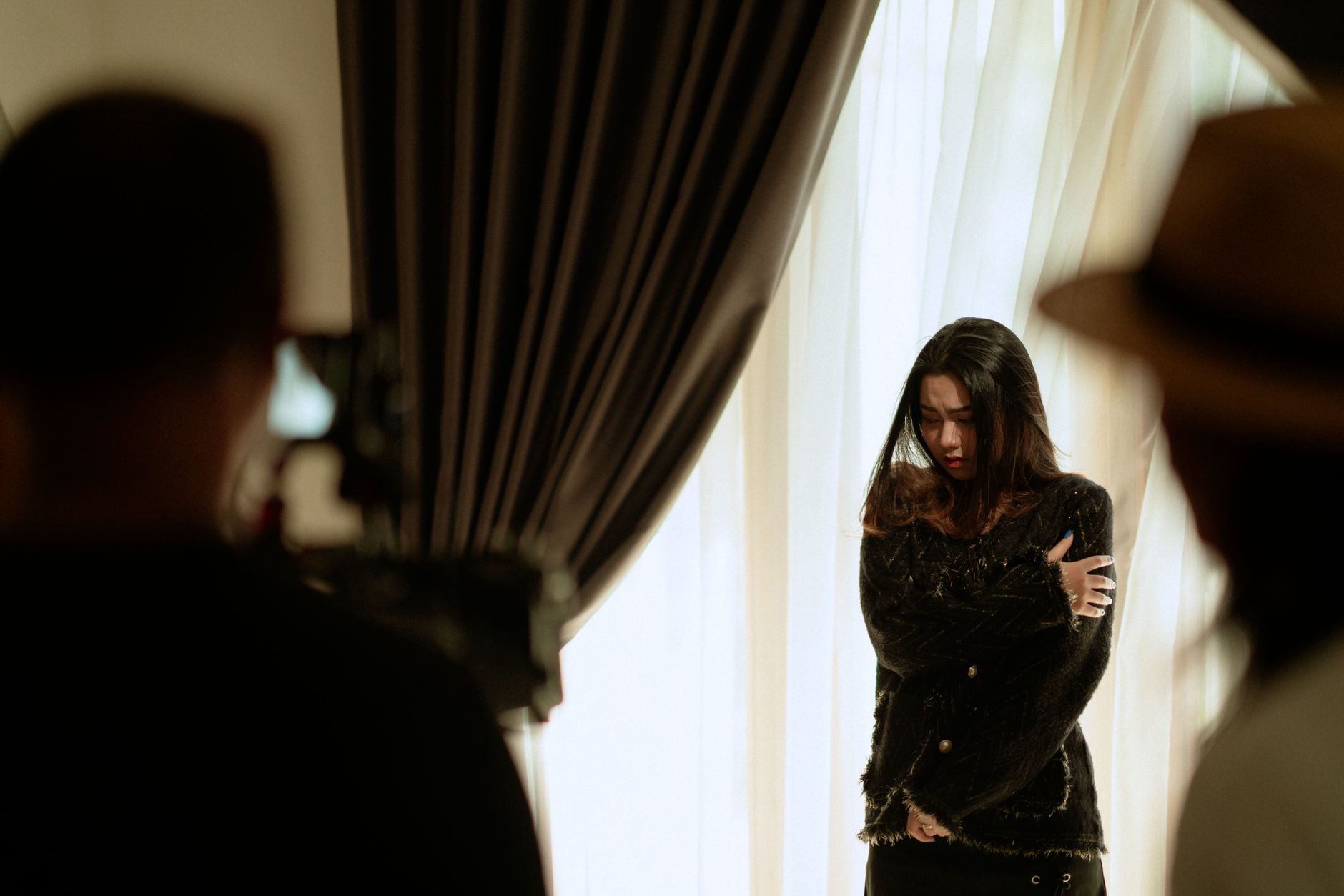
Actors are shooting their own breakdown reels before they're even cast
The self-tape economy has spawned a subgenre: the speculative crying audition. Emerging actors film themselves breaking down to hypothetical scenarios—receiving devastating news, confronting a betrayal, processing grief—and post them as content to build followings and attract casting directors. Some have accumulated millions of views despite never booking the roles. The performance of emotional availability has become its own career track, separate from actual employment. Vulnerability as vertical integration.
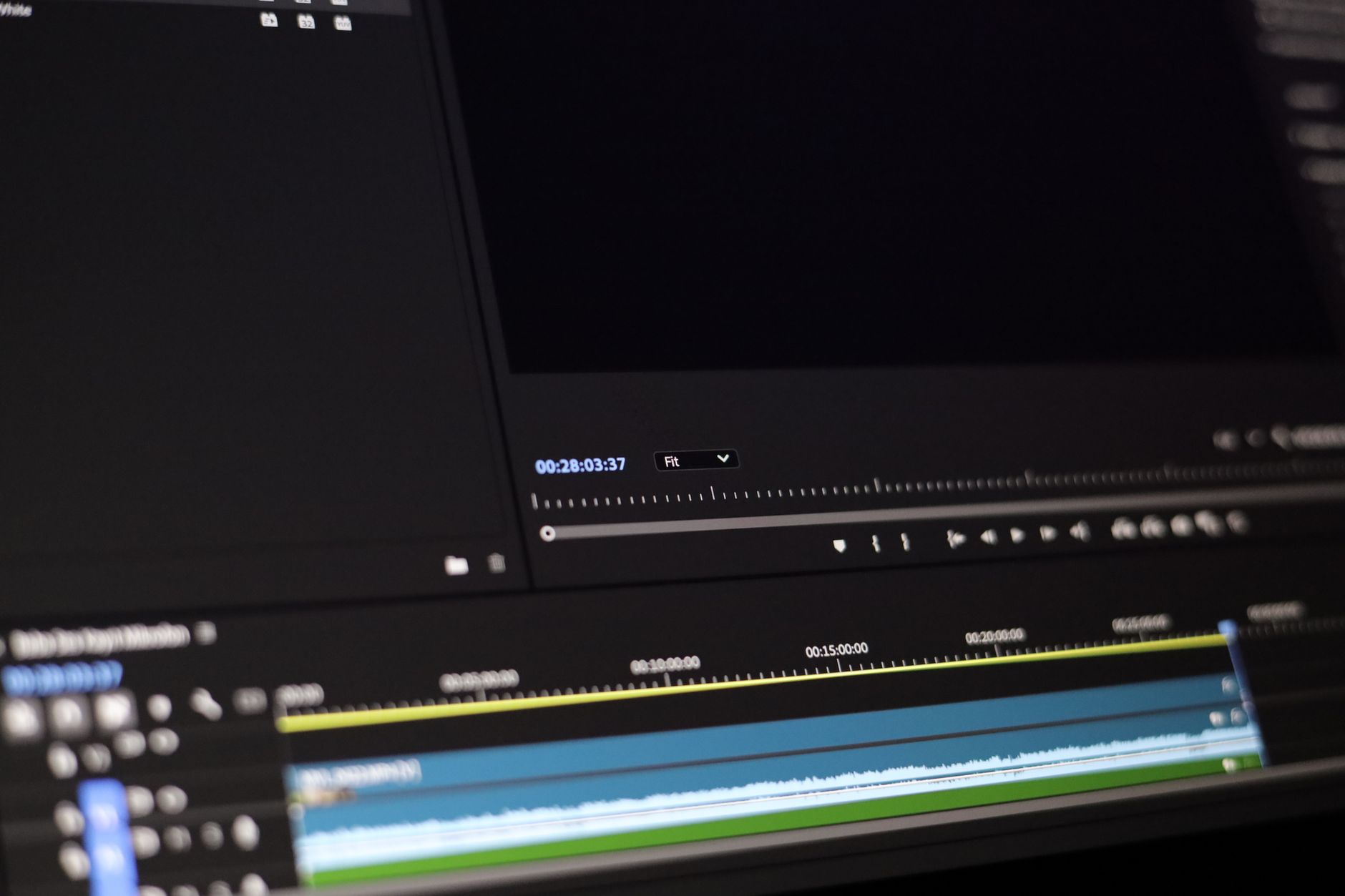
Fan editors treat breakdown footage like sample packs in music production
The same crying close-up can appear in dozens of fan edits across different fandoms, repurposed and recontextualized until it becomes a kind of universal emotional placeholder. Editors trade high-quality breakdown clips like rare vinyl, seeking out the perfect tear or lip quiver to drop into their montages. Some crying moments have been reedited so many times they've developed their own aesthetic genealogy—you can trace which version of a particular sob influenced which subsequent edits. It's the memeification of vulnerability, complete with citation culture.
The backlash is building, but it's not stopping production
Critics have started calling it "trauma porn" and "grief harvesting," pointing out how the endless recycling of breakdown moments trivializes actual emotional experience. Some actors are now including "no crying in marketing" clauses in contracts, refusing to let their most vulnerable performances become promotional widgets. Yet the format persists because it works—those 30 seconds still convert better than anything else. The economic logic is too strong. We've reached the point where objecting to the crying close-up economy feels like objecting to gravity.
- Trailer houses now cut for the cry like editors used to cut for the explosion
- The algorithm has learned that distress outperforms joy by a factor of seven
- Actors are shooting their own breakdown reels before they're even cast
- Fan editors treat breakdown footage like sample packs in music production
- The backlash is building, but it's not stopping production