A $3,000 pile of pillows sounds insane until you realize it's not about pillows anymore. It's about 'systems'—engineered, layered, Instagram-approved arrangements that signal you've ascended beyond HomeGoods. Boutique brands like Hawkins New York, The Citizenry, and quiet Belgian ateliers are selling what they call 'cushion systems': curated sets of varying densities, textiles, and dimensions designed to work together like a capsule wardrobe for your sofa.
This isn't decorating. It's optimization theater. And like everything else the affluent have turned into a competitive sport, it's less about comfort than legibility—proof that you understand nuance, that you've done the research, that your leisure is as intentional as your portfolio.

Self-optimization has colonized the couch
The same cohort that tracks sleep scores and cold-plunges now applies founder discipline to lounging. 'Cushion systems' promise ergonomic support, postural alignment, and material provenance—Belgian linen, Japanese buckwheat hulls, New Zealand wool. It's Goop logic applied to throw pillows: suffering through bad design is for people who haven't unlocked the next level of living.

Curation as class performance
Pre-assembled sets remove the risk of getting it wrong, which used to be part of decorating's charm. But charm requires confidence the aspirational class doesn't have. Buying a 'system' from a brand with intellectual credibility—minimal site design, founder essay about craft, no sale section—outsources taste. You're not just purchasing pillows; you're purchasing the judgment of someone whose judgment has been pre-approved.
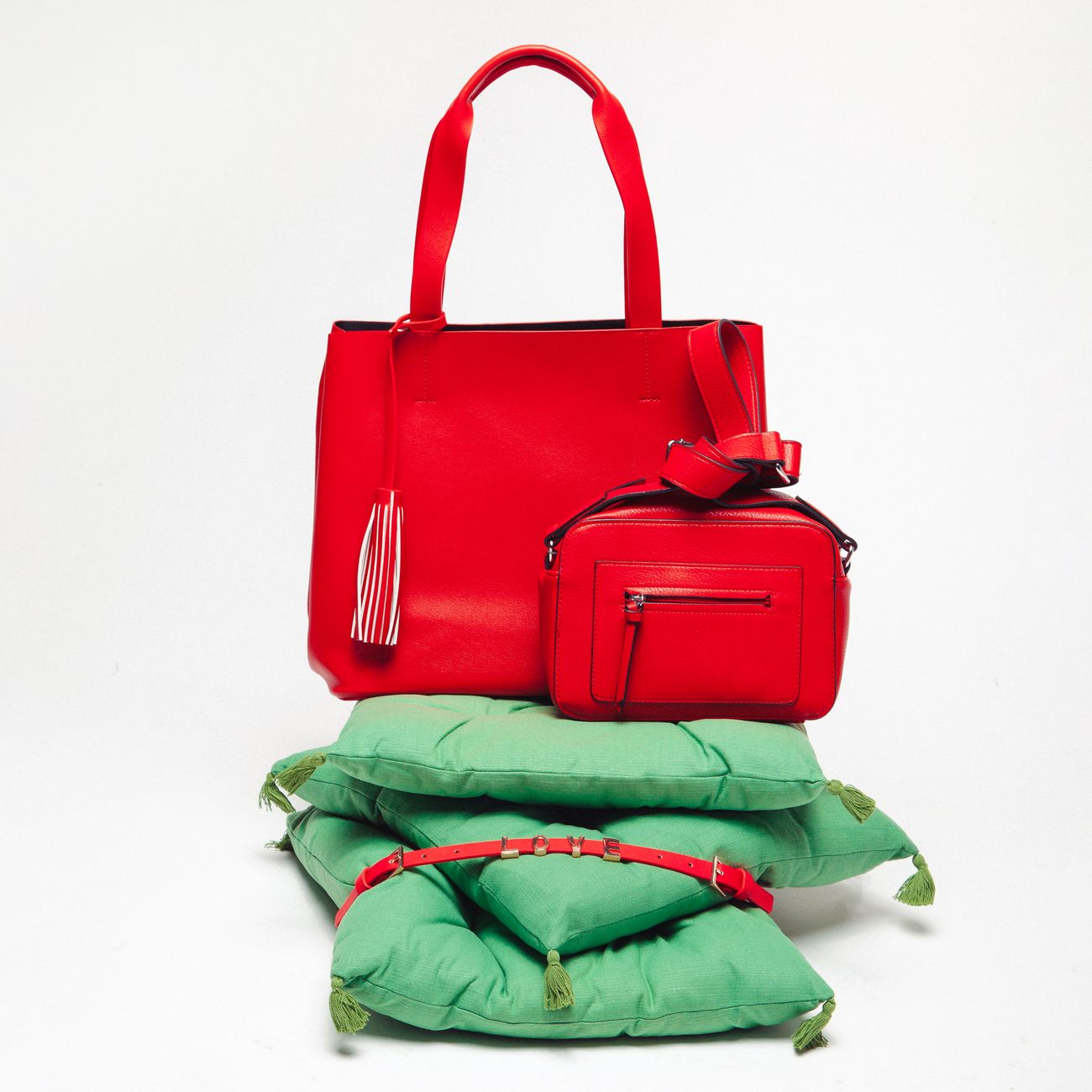
The pillow gap is the new handbag gap
Ten years ago, a Céline bag telegraphed knowledge. Now everyone has the references. Enter cushions: invisible to the uninitiated, obvious to those in the know. The gap between a $29 Zara Home velvet square and a $340 Ferm Living sculptural linen bolster is unbridgeable, and that's the point. Taste has moved indoors where it's harder to fake and easier to photograph.

Throw pillows carried too much emotional labor
For decades, decorative pillows existed as gendered busywork: women bought them, arranged them, removed them nightly, replaced them each morning. 'Cushion systems' reframe this as design philosophy rather than chore. Suddenly it's not about pleasing guests or performing domesticity—it's about a considered approach to spatial composition. The labor hasn't disappeared; it's been rebranded as discernment.
Discomfort as aspiration
The dirty truth about most 'cushion systems': they're beautiful and vaguely hostile. Too firm, too structured, too precious to actually lean against. But that's not a bug. Aspirational interiors have always favored looking right over feeling good—see: sculptural dining chairs, rock-hard modernist sofas, kitchens too pristine to cook in. Comfort is common. Enduring minor physical compromise for aesthetic coherence? That's refinement.