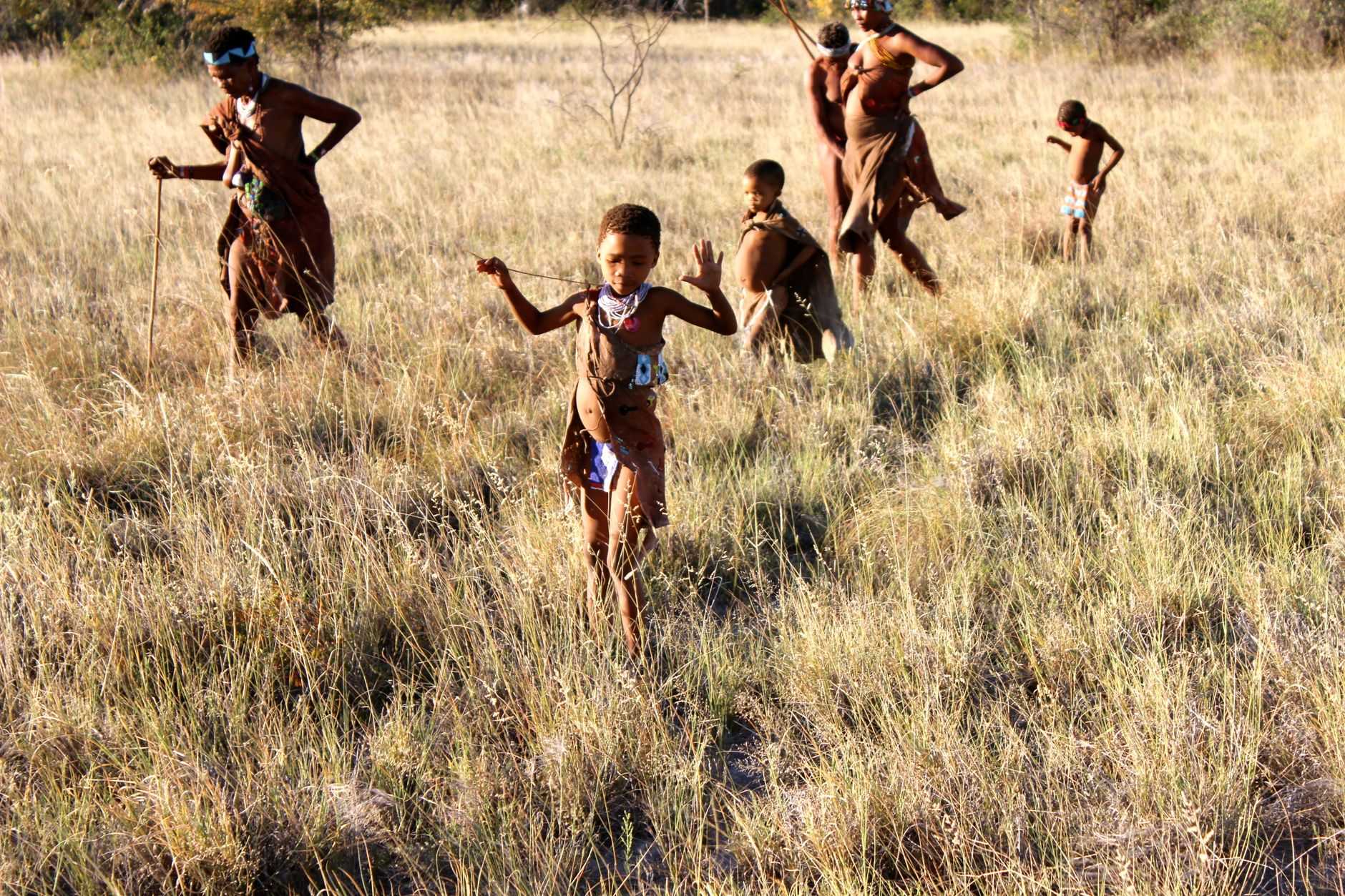
Albania is 'the new Greece.' Portugal is 'the next Italy.' Tulsa—yes, Tulsa—has been called 'the new Austin.' Somewhere, a marketing consultant is pitching a mid-tier ski resort as 'the next Aspen' while another is writing copy about how a random beach town in Central America is 'Tulum before it was discovered.' The destination dupe epidemic has metastasized from lazy travel writing into a full-blown crisis of imagination.
What started as shorthand for editors trying to explain unfamiliar places has devolved into a self-defeating cycle where destinations erase their own identities in pursuit of someone else's clout. The result isn't just annoying—it's a window into how deeply broken our relationship with travel has become. We've stopped seeking places and started chasing patterns. Here's how the rot spread.
Tourism boards have become meme accounts for places
National and regional tourism boards now operate like personal brand consultants desperately pitching their clients for relevance. The strategy is always the same: identify whatever destination is currently trending on Instagram, then position your location as the 'affordable' or 'unspoiled' version. It's destination marketing as algorithmic cosplay. The problem isn't just aesthetic—it's that this approach actively trains travelers to see new places as discount versions of somewhere else rather than as coherent experiences worth understanding on their own terms. When Panama markets itself as 'Central America's Dubai,' everyone involved has already lost.
Travel media has run out of things to say
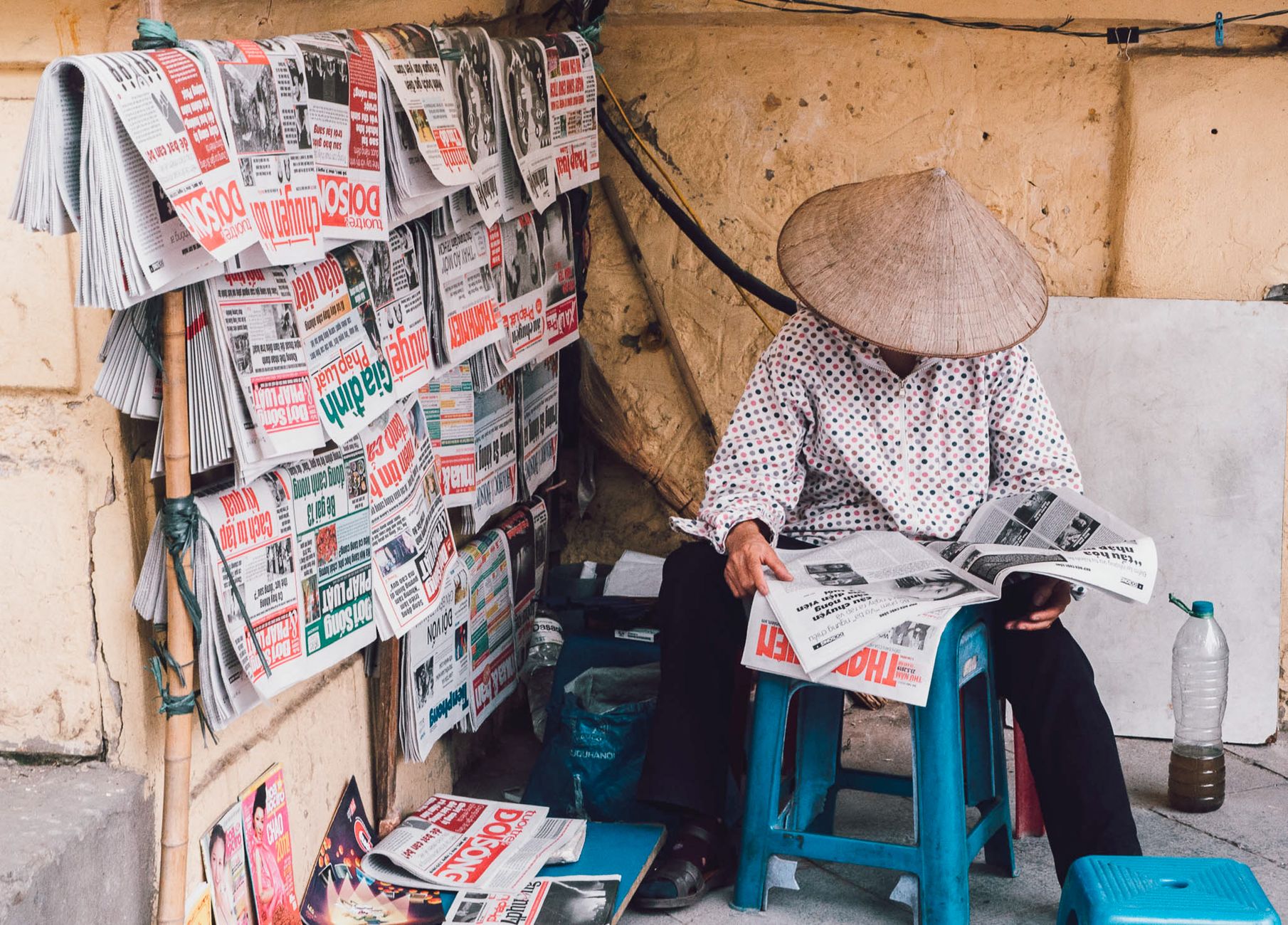
The comparison economy exists because travel journalism has become an SEO content mill churning out the same seventeen articles in endless rotation. 'The New [Insert Destination]' is just Mad Libs for publications that need to feed the algorithm but can't afford to send writers anywhere interesting. It's cheaper to repackage press releases from tourism boards than to commission actual reporting. The result is a self-reinforcing cycle where lazy editors give lazy destinations a template for lazy marketing, all of it designed to capture search traffic from people who were probably just going to book the original destination anyway.
The comparison reveals who the marketing is actually for
When a place calls itself 'the new Tulum,' it's explicitly courting the exact people who ruined the original Tulum—the wellness influencers, the bachelor parties, the digital nomads who drove rents into luxury territory while complaining about authenticity. These comparisons aren't warnings; they're invitations to bring the same extraction patterns to a new location. It's destination marketing as gentrification prospectus. The quiet part isn't even quiet anymore: we're advertising places based on their potential to be exploited in exactly the same way as their predecessors, just with better exchange rates.

Locals watch their towns get rebranded in real time
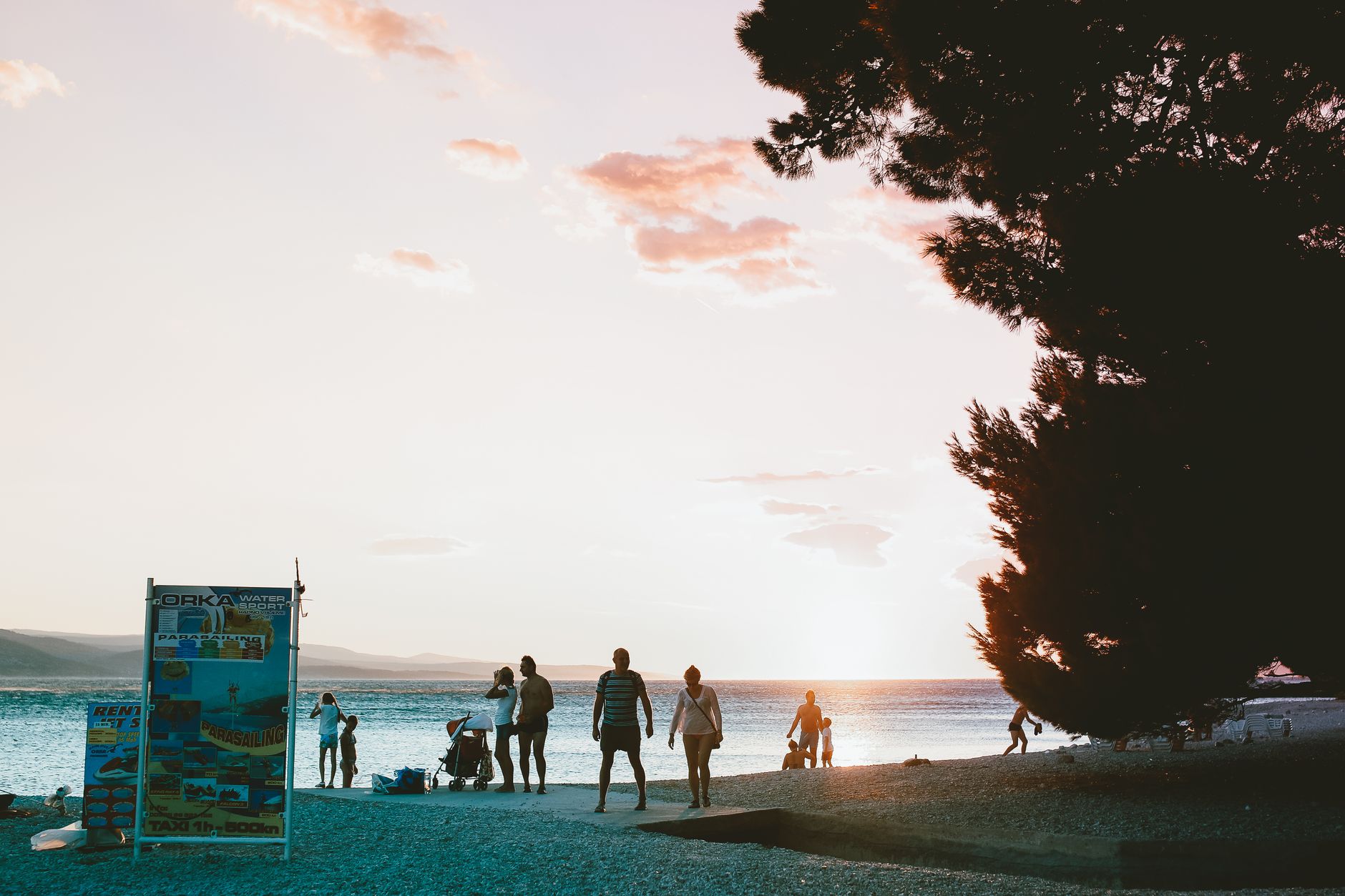
There's something uniquely dystopian about living somewhere that gets marketed as a bargain-bin version of somewhere else entirely. Residents of Albanian coastal towns didn't wake up wanting to be 'the new Greek islands'—they already lived in Albania, which has its own history and context. But once the marketing starts, so does the transformation: prices adjust to match the comparison, infrastructure strains under tourist loads it wasn't built for, and local character gets sanded down to match whatever aesthetic the comparison promises. By the time a place becomes 'the new' anything, it's already on the path to becoming nowhere in particular.

We've forgotten that discovery requires actual curiosity
The dupe framework is fundamentally lazy—it lets travelers feel like explorers while following the exact same patterns as everyone else. Real discovery requires interest in difference, not just cheaper flights to the familiar. When we evaluate destinations based on how closely they approximate somewhere we've already decided is worth visiting, we've built a travel culture that's incapable of genuine encounter. The places being marketed as 'the new' whatever aren't undiscovered; they're just being discovered by people who lack the imagination to travel without a reference point. That's not adventure. That's tourism as cover version.