There used to be a rhythm to global pop culture consumption: Americans watched Thursday, Brits caught up Friday, Australians binged over the weekend, and by Monday everyone was finally on the same page. That cadence is dead.
Streaming platforms and studios now synchronize worldwide releases to the minute, eliminating the spoiler-dodging dance that once defined international fandom. The shift has collapsed regional hype cycles into a single, deafening 48-hour window where everyone watches, reacts, and moves on simultaneously. What we've gained in coordination, we've lost in anticipation.

The spoiler economy collapsed overnight
When HBO dropped House of the Dragon globally at 9pm ET, Australian fans watched at 11am Monday instead of pirating by Sunday night. Studios realized staggered releases weren't creating buzz—they were hemorrhaging viewers to torrents and Twitter spoilers. The old model assumed scarcity built desire, but digital culture proved the opposite: delay breeds piracy, simultaneity breeds legitimacy.

Regional tastemakers lost their translation window
British tabloids used to preview American TV reactions for their Monday morning readers. Japanese critics had a week to contextualize Hollywood releases before local premieres. That cultural mediation layer has vanished. Now everyone's a first responder, and regional critical voices that once shaped local reception are drowned out by the global conversation's sheer velocity. The internet doesn't wait for translation.

Fandoms became flash mobs instead of slow burns
K-pop stans and Marvel disciples perfected the art of coordinated global reactions, turning release moments into synchronized spectacles. But this comes at a cost: cultural artifacts now have the shelf life of a trending topic. Squid Game dominated three weeks globally, then evaporated. The old model let Breaking Bad build across continents over months. Same-day releases reward immediate engagement over sustained cultural embedding.

The economics of hype compressed into opening weekend
Studios now optimize for a single explosive moment rather than sustained rollout momentum. Marketing budgets concentrate on pre-launch and opening 72 hours because that's when global algorithms surface content. Miss that window, and you're archeology. Netflix's data shows 70% of a show's total viewership arrives in week one—a pattern that's trained audiences to binge immediately or risk cultural irrelevance.
Time zones became the last frontier of scarcity
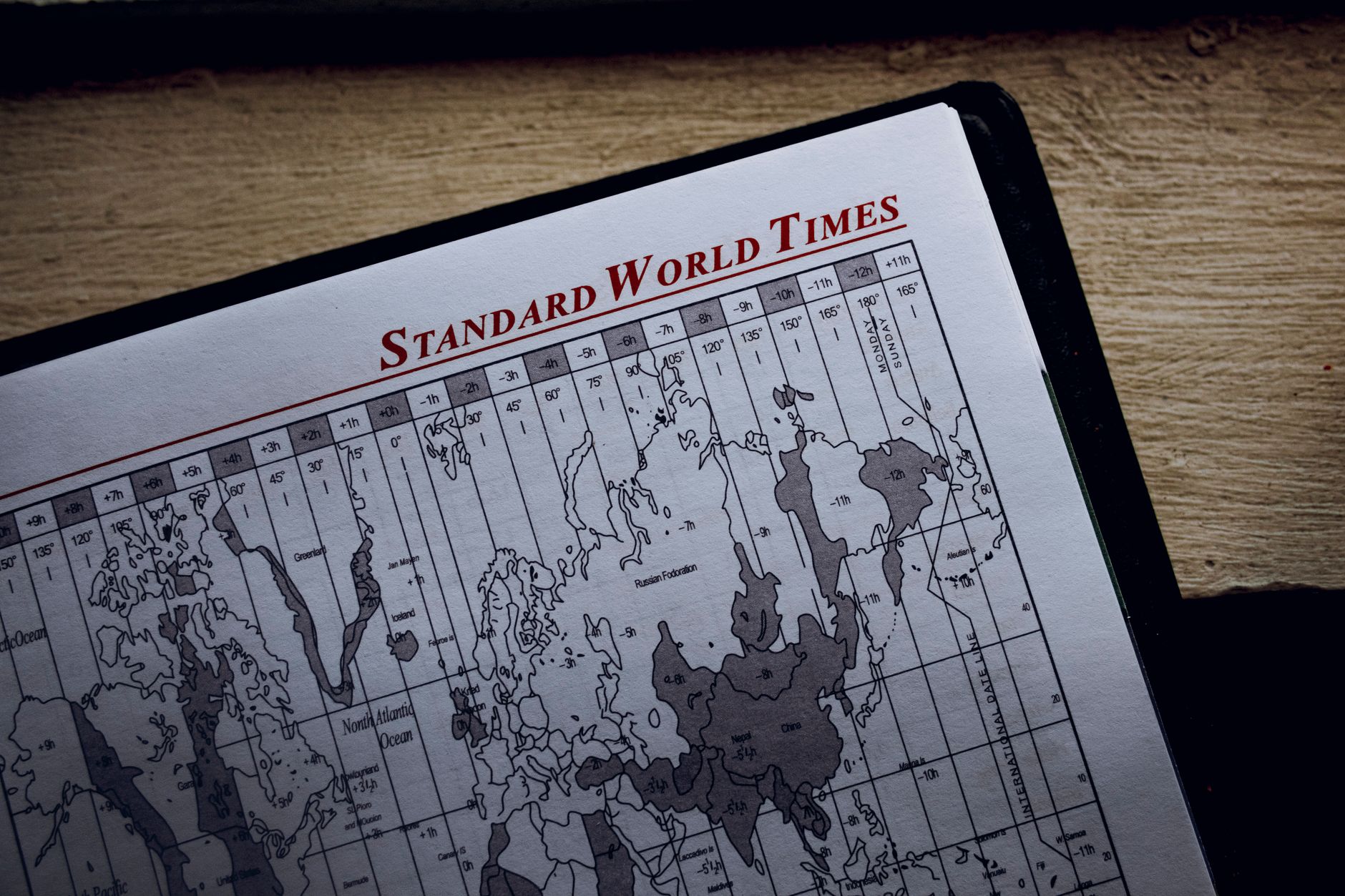
East Coast Americans still get first crack at midnight releases while West Coasters wait until 9pm, and Asians wake up to spoilers in their morning feed. This residual geography creates micro-advantages: New Zealand Lord of the Rings fans watched premieres 18 hours before LA, becoming temporary spoiler kingmakers. It's the only remaining structural delay in an otherwise flattened system—and studios can't fix it without choosing whose midnight matters most.