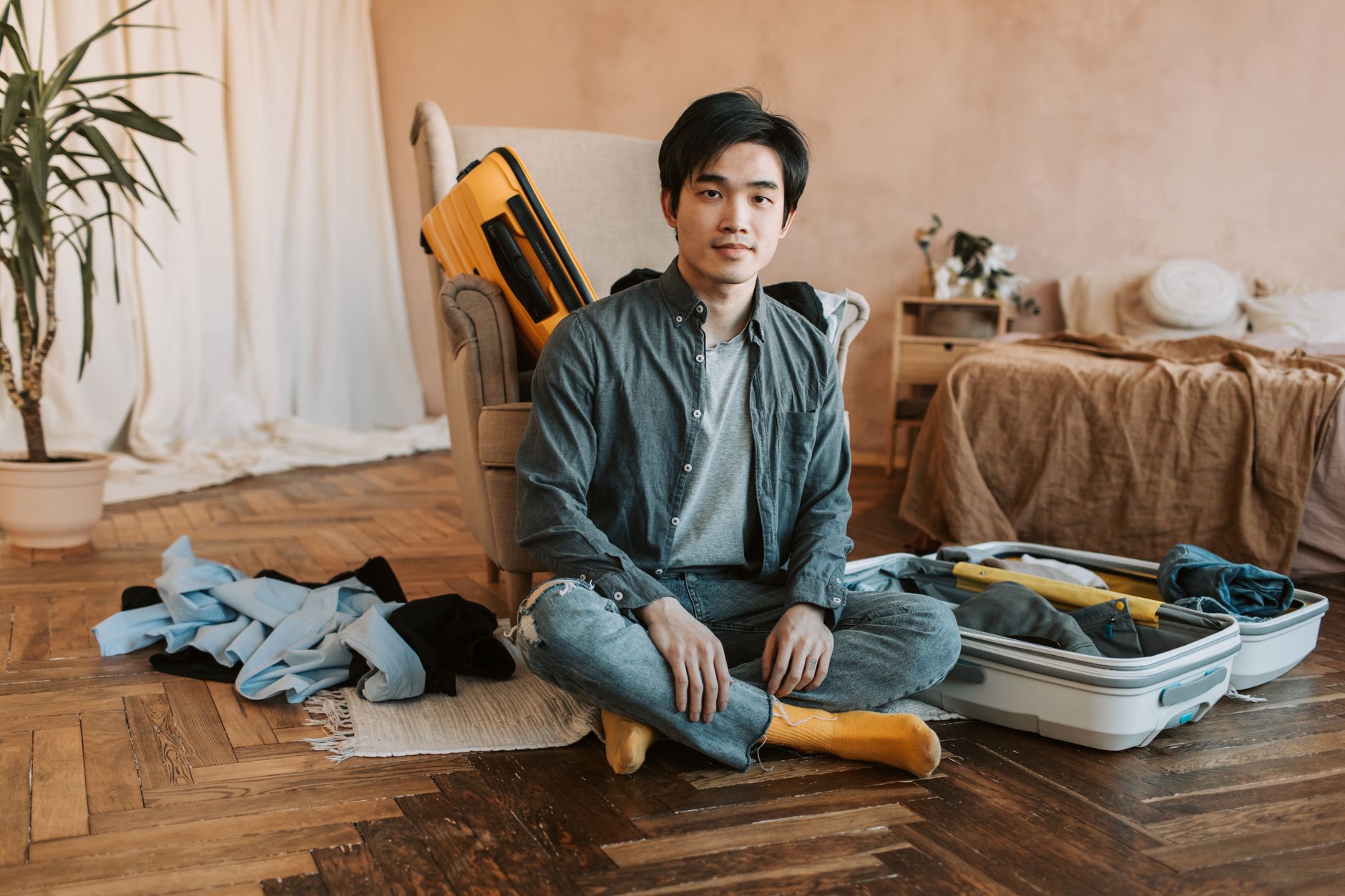
There was a particular thrill to booking a flight on Thursday for a Saturday departure—the reckless luxury of deciding, on impulse, that you needed to be somewhere else. That version of travel is now effectively extinct, killed not by lack of desire but by algorithmic pricing models designed to extract maximum value from urgency.
What we've lost isn't just affordability. It's the entire concept of spontaneity as a viable lifestyle choice. When last-minute bookings cost three times the advance rate, when surge pricing activates the moment you hesitate, when every platform knows you're desperate—freedom itself becomes a premium product. And the implications extend far beyond vacation planning.
Algorithms Now Punish Flexibility
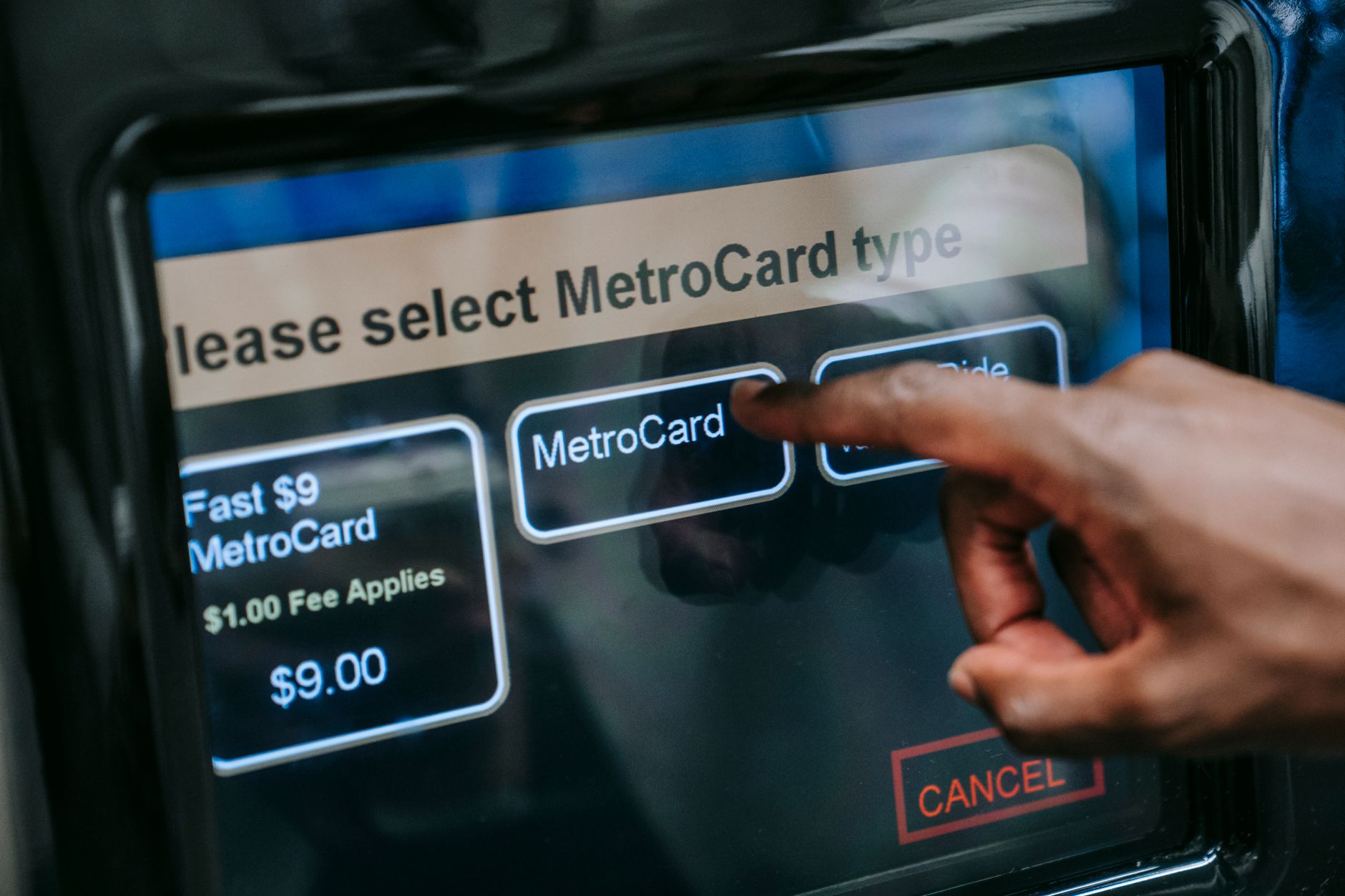
The old travel wisdom—book last-minute for deals on unsold inventory—has inverted completely. Modern revenue management systems interpret short booking windows as desperation, not opportunity. Airlines and hotels have perfected the art of identifying and penalizing urgency, turning what was once a bargain-hunter's strategy into the most expensive way to travel. The shift is profound: spontaneity is now read by machines as weakness.
The 90-Day Booking Window Becomes Mandatory
Competitive pricing now exists almost exclusively in the 60-90 day advance window, creating a new tyranny of planning. The travelers who benefit aren't the organized—they're the privileged, those whose jobs, childcare, and lives are predictable months ahead. Everyone else pays a tax on uncertainty. We've built a travel economy that rewards only those who already have the luxury of control.

Surge Pricing Reads Your Desperation
Browse a flight Monday, see one price. Return Tuesday, it's 40% higher—not because demand increased, but because the algorithm detected your interest. Dynamic pricing doesn't just respond to market conditions; it creates them, manufacturing scarcity and urgency. The system isn't predicting your behavior anymore. It's shaping it, training you to book faster, decide quicker, hesitate never.

The Long Weekend Is Now For the Wealthy
Three-day weekends once democratized short-haul travel, but algorithmic pricing has turned them into premium events. Memorial Day, Labor Day, even random state holidays trigger automatic price surges across all platforms simultaneously. What should be accessible escape valves from routine have become luxury purchases, affordable only to those who least need the break. The weekend getaway has become a class signifier.

Rental Cars and Hotels Coordinate Prices
It's not just flights. Every component of the spontaneous trip now participates in coordinated extraction. Hotels, rental cars, and even restaurant reservation platforms communicate through shared data ecosystems, creating unified price walls around popular destinations during high-demand windows. The entire travel infrastructure has synchronized to eliminate arbitrage, to close escape routes, to ensure you pay peak rates at every touchpoint.

Credit Card Points Mask the Real Cost
The travel rewards economy has become the only viable path to spontaneity—but it's a deeply compromised solution. Points bookings create the illusion of accessible last-minute travel while hiding the actual cost: planned spending, strategic debt management, and the constant mental overhead of optimization. We've replaced simple spontaneity with gamified complexity, then convinced ourselves we're still free.
Remote Work Promised Freedom, Delivered Surveillance
The remote work revolution should have enabled spontaneous relocation, but pricing algorithms adapted faster than workers could capitalize. Platforms now identify digital nomad patterns and adjust accordingly—searching from different cities, one-way tickets, month-long stays. The freedom to work from anywhere collides with systems designed to monetize exactly that freedom. Geography became flexible just as pricing became predatory.
We're Learning to Stop Wanting
The most insidious effect isn't economic—it's psychological. Faced with prohibitive costs, people aren't just traveling less spontaneously; they're training themselves not to want spontaneity at all. The imaginative muscle that asks 'what if I just went?' atrophies when the answer is always a price wall. Algorithmic pricing doesn't just extract money. It reshapes desire itself, narrowing our sense of what's possible until we stop asking the question entirely.
- Algorithms Now Punish Flexibility
- The 90-Day Booking Window Becomes Mandatory
- Surge Pricing Reads Your Desperation
- The Long Weekend Is Now For the Wealthy
- Rental Cars and Hotels Coordinate Prices
- Credit Card Points Mask the Real Cost
- Remote Work Promised Freedom, Delivered Surveillance
- We're Learning to Stop Wanting