There's a specific kind of hell reserved for watching your luggage sit motionless in Frankfurt while you land in Milan. The AirTag was supposed to solve travel anxiety. Instead, it's metastasized into something far more insidious: a constant, low-grade surveillance operation where ignorance was actually bliss.
What began as a clever workaround for airline incompetence has evolved into a compulsion. We're not just tracking bags anymore—we're tracking our capacity to let go of control. And the data suggests we're failing spectacularly.

The phantom vibration of bag movement has replaced turbulence as our primary in-flight stressor
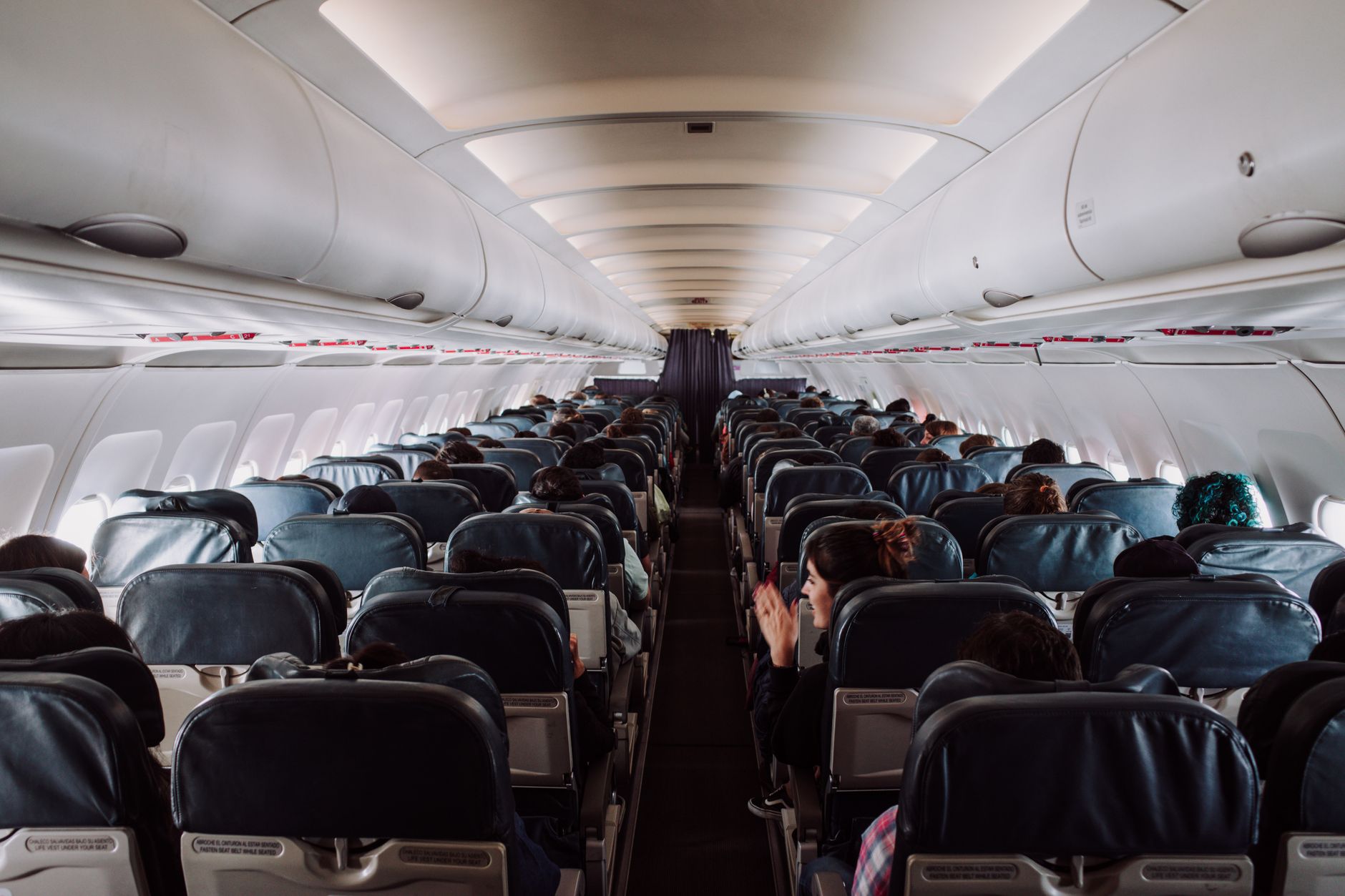
Passengers are now refreshing their Find My app every 90 seconds at cruising altitude, watching for that telltale shift from the departure gate to the aircraft hold. Flight attendants report a marked increase in requests for WiFi passwords before takeoff—not for entertainment, but for real-time luggage monitoring. The irony is delicious: we've traded the anxiety of not knowing for the anxiety of knowing too much.
Airlines are quietly panicking because passengers now have receipts
When your bag says it's in Lisbon but the airline insists it's 'in transit,' someone is lying—and the AirTag doesn't lie. Carriers are scrambling to update internal systems because customer service scripts written for plausible deniability don't work when travelers arrive with timestamped location data. The power dynamic has shifted. Passengers have become amateur investigators, and airlines are realizing their operational theater has been exposed.

A cottage industry of 'AirTag luggage hacks' has emerged, and it's unhinged
TikTok is awash with tutorials on optimal AirTag placement: inside the lining, tucked into toiletry bags, sewn into pockets. Some travelers are deploying multiple trackers per suitcase like they're planning a heist. The subtext is clear—we no longer trust the systems we're paying thousands of dollars to participate in, so we've turned our Rimowa into a mobile surveillance unit.

The worst part isn't losing your bag—it's watching it get lost in slow motion
Previous generations experienced baggage loss as a binary event: it either arrived or it didn't. Now we get to witness the entire odyssey—the inexplicable detour to a city not on our itinerary, the days spent motionless in a warehouse, the slow journey to nowhere. Psychologists are noting a new presentation of travel-related anxiety: hypervigilance triggered not by uncertainty, but by granular, helpless observation. We've given ourselves front-row seats to our own helplessness.

Status anxiety has found a new battleground: who tracks smarter
It's no longer enough to have an AirTag—the discourse has splintered into factions debating Tile versus Samsung SmartTag versus Apple's ecosystem supremacy. Frequent flyers discuss tracker battery life and update frequencies with the intensity previously reserved for airline lounge access. We've transformed a defensive maneuver against institutional failure into another opportunity for consumer one-upmanship.

The family group chat has become a real-time baggage tracking war room
Entire extended families now receive live updates on Aunt Linda's suitcase as it makes an unauthorized tour of Charles de Gaulle. The shared Find My feature means luggage anxiety is no longer a solo experience—it's a participatory spectator sport. What was once a private nightmare of lost belongings has become crowdsourced surveillance, complete with commentary and unsolicited advice from relatives who 'always pack carry-on only.'
We're experiencing FOMO about our own possessions
The AirTag has introduced a peculiar phenomenon: jealousy that your bag is having a more interesting journey than you are. While you're trapped in an airport hotel in Atlanta, your luggage is apparently touring the Icelandic countryside. The absurdity would be funny if it weren't so revealing about our need to control every variable, to deny the reality that travel inherently means surrendering to chaos.

The endgame is that we've turned ourselves into the product
Every AirTag ping is data—mapping not just luggage routes, but travel patterns, airport inefficiencies, and human anxiety responses. We've voluntarily enrolled in a massive surveillance apparatus, trading privacy for the illusion of control. Tech companies now have unprecedented insight into global baggage handling failures, and we've done the research for them, unpaid. The AirTag didn't solve travel anxiety. It monetized it.
- The phantom vibration of bag movement has replaced turbulence as our primary in-flight stressor
- Airlines are quietly panicking because passengers now have receipts
- A cottage industry of 'AirTag luggage hacks' has emerged, and it's unhinged
- The worst part isn't losing your bag—it's watching it get lost in slow motion
- Status anxiety has found a new battleground: who tracks smarter
- The family group chat has become a real-time baggage tracking war room
- We're experiencing FOMO about our own possessions
- The endgame is that we've turned ourselves into the product