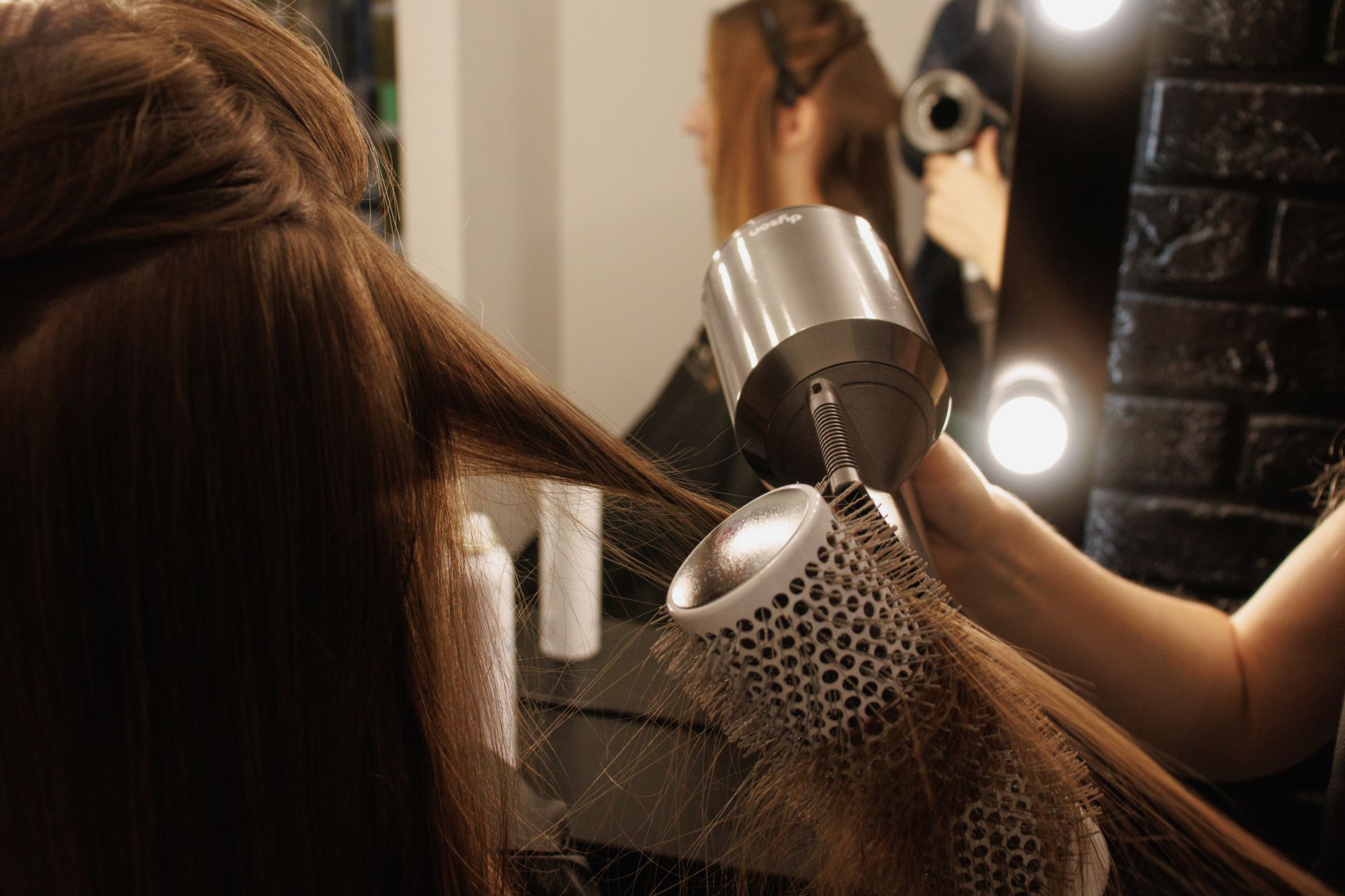
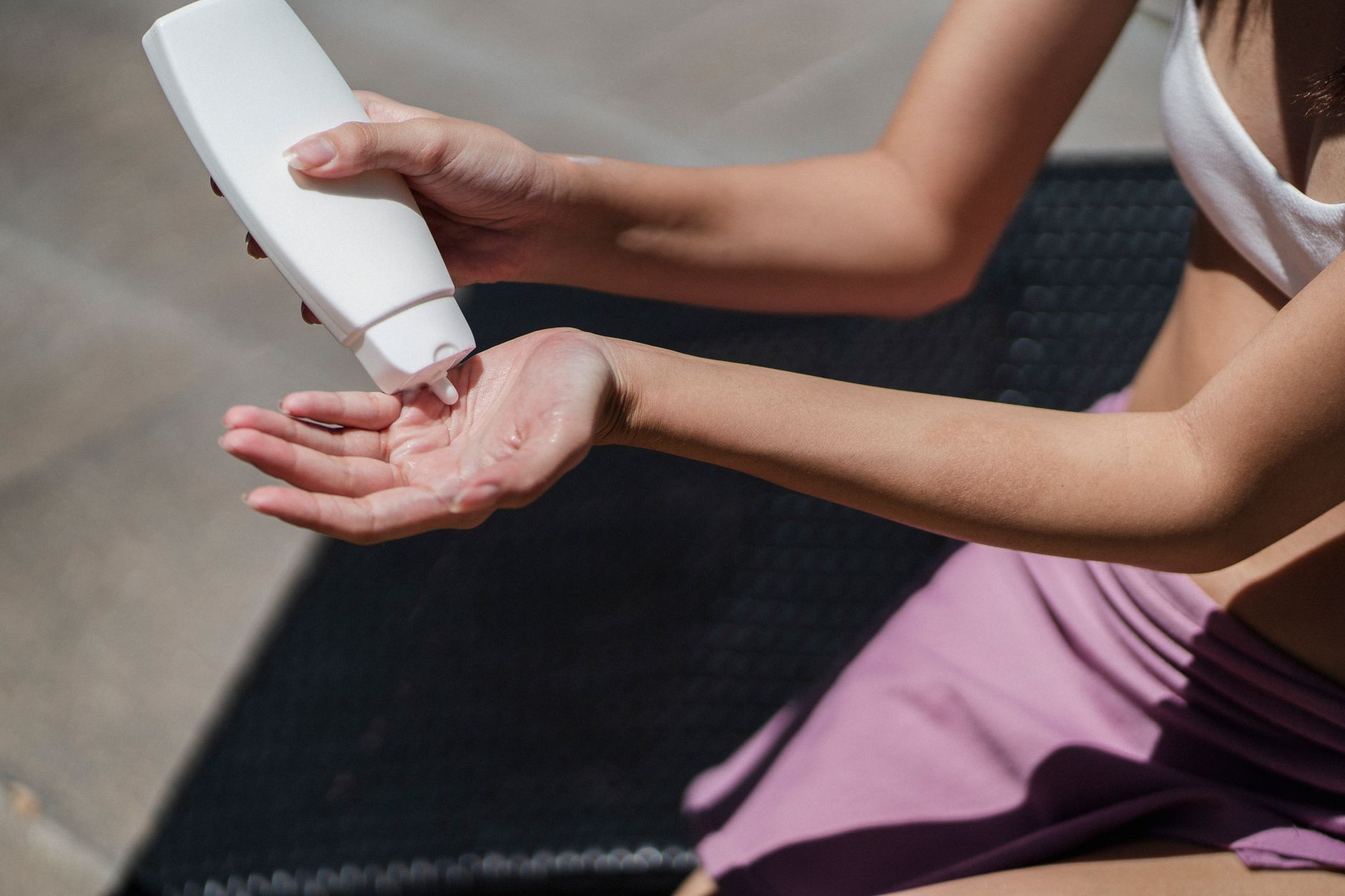
Dermaplaning—the practice of dragging a surgical scalpel across your face to remove peach fuzz and dead skin—has migrated from the aesthetician's table to your bathroom counter. Armed with Amazon razors and a YouTube tutorial watched once at 2am, an entire generation decided they possess the steady hand of a dermatological surgeon. The results range from legitimately glowing to "my foundation won't stop pilling" to "I accidentally shaved off my eyebrow."
The beauty industry loves a good democratization story, but some skills don't translate well to home practice. Brain surgery, for instance. Tax fraud. Apparently, controlled exfoliation with a blade. Yet here we are, a culture convinced that every professional service is just confidence and a ring light away from DIY mastery. Five realities about what happens when surgical precision meets bathroom lighting.
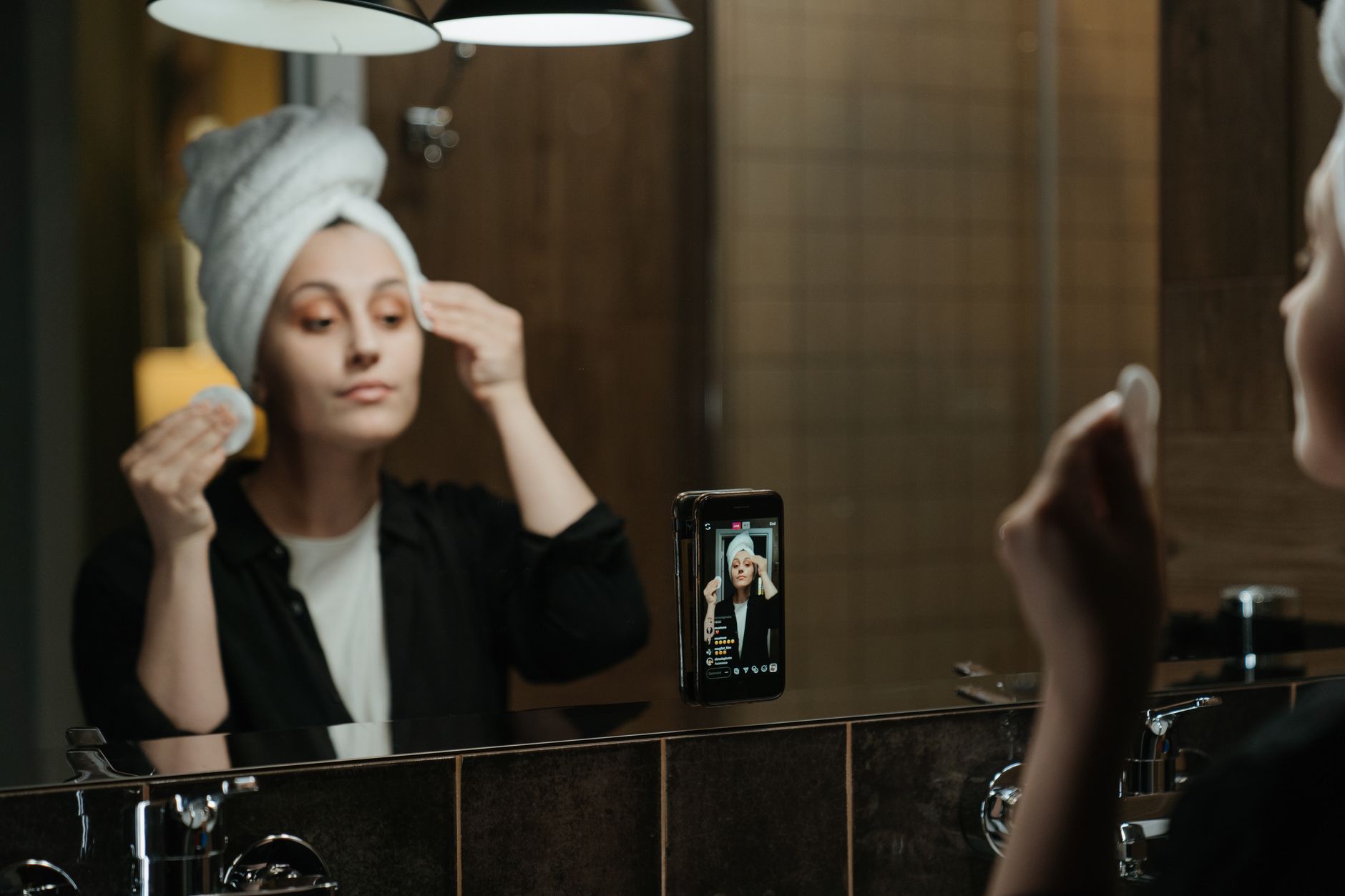
The TikTok Tutorial Complex: When 60 Seconds Replaces Years of Training
Aestheticians spend months learning facial anatomy, blade angles, and pressure control. TikTok creators spend 60 seconds showing you the "after" glow while conveniently editing out the technique that matters. The platform has spawned thousands of dermaplaning videos, each more confident than the last, none mentioning that the wrong angle can create micro-cuts that take weeks to heal. Viewers mistake editing skills for expertise, then wonder why their skin looks like they lost a fight with a cat. The confidence-to-competence ratio has never been more skewed.
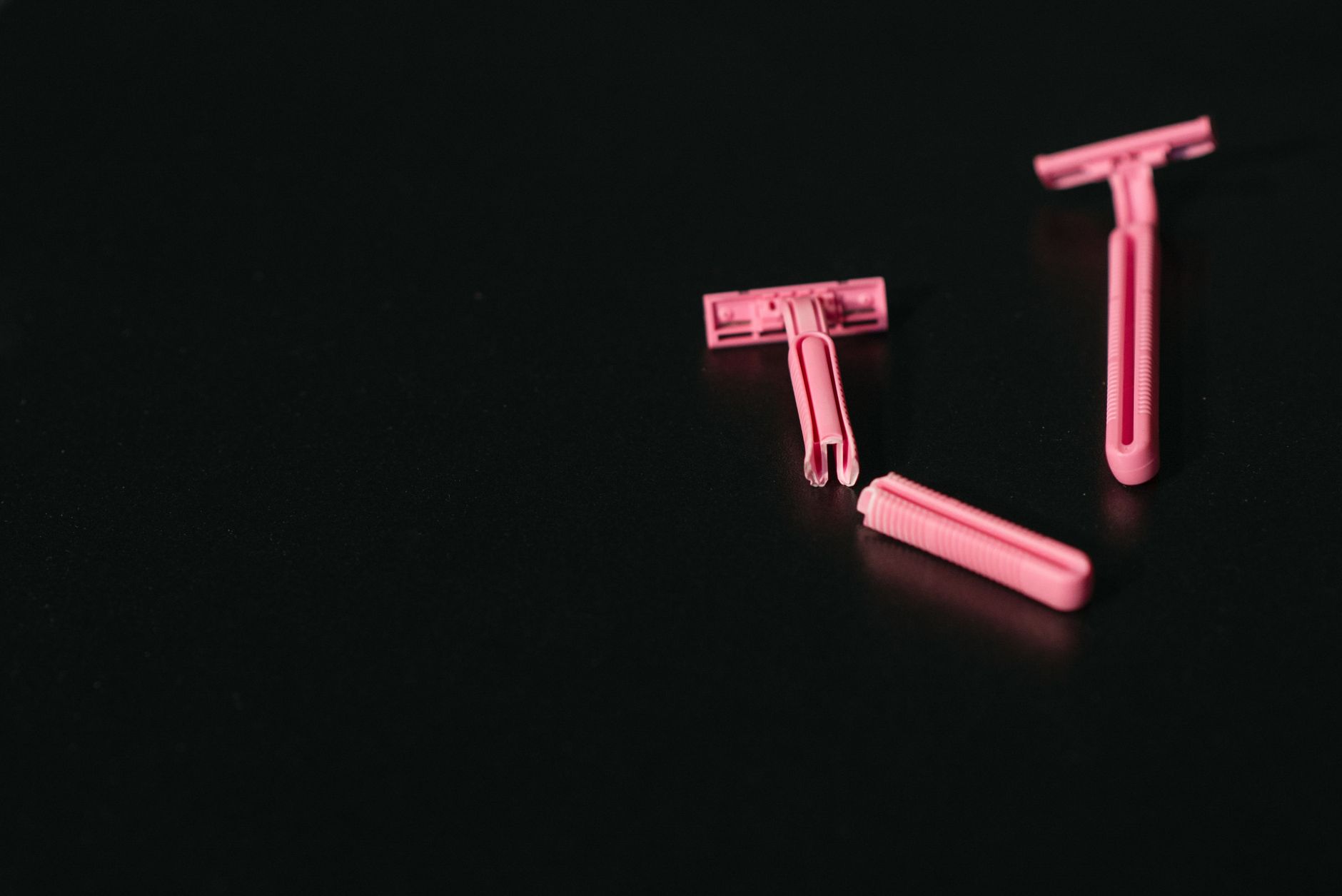
The Tool Quality Chasm: Not All Blades Are Created Equal
Professional dermaplaning uses sterile, single-use surgical scalpels with specific blade angles designed for facial contours. The $8 three-pack on Amazon uses mystery metal that couldn't cut butter. But they're packaged in millennial pink and promise "spa results at home," so thousands of bathrooms now house dull blades being dragged across faces with increasing pressure until something gives—usually skin. The beauty industry has successfully convinced consumers that professional tools are just aesthetic preferences rather than functional necessities. They're not.
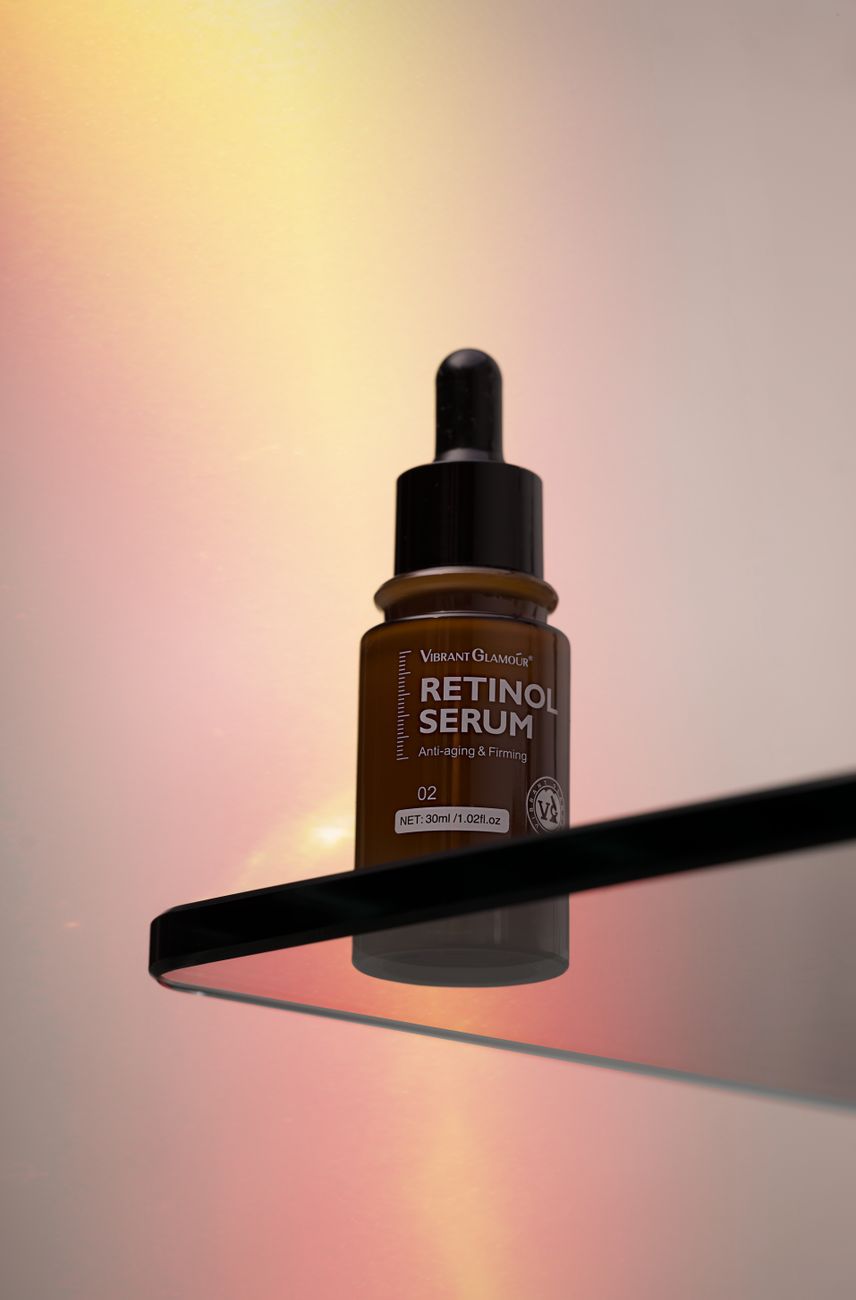
The Active Ingredient Disaster: Retinol Users, Step Away From the Blade
Dermaplaning removes the stratum corneum—your skin's protective barrier—which is precisely why professionals ask about your skincare routine first. Using retinoids, acids, or prescription treatments? Congratulations, your skin is already in a compromised state, and adding blade exfoliation is like renovating a house during an earthquake. The result: inflammation, sensitivity, and the kind of irritation that no amount of moisturizer can fix. Reddit's SkincareAddiction has become a support group for people who learned this lesson the expensive way, one chemical burn at a time.

The Peach Fuzz Mythology: Hair Doesn't Grow Back Thicker, But Regret Does
The internet has spent years debunking the myth that shaving makes hair grow back darker or thicker—it doesn't, because basic biology—yet the concern persists because the stubbly regrowth phase feels different enough to spark panic. What actually happens: your soft vellus hair returns at its normal texture, but now you're hyperaware of it, touching your face constantly, considering another dermaplane, entering an endless cycle of removing something that was fine to begin with. The real issue isn't the hair. It's that you've created a solution for a problem that only exists in ring-lit close-ups.

The Professional Gatekeeping Question: Is This Elitism or Actual Expertise?
When aestheticians say "leave this to professionals," it sounds like industry protectionism until you see the at-home disaster posts. The truth occupies an uncomfortable middle ground: some people genuinely develop the skill for safe at-home dermaplaning, while others create semi-permanent damage before their third attempt. The beauty industry's rush to sell tools without education has left consumers navigating the gap between accessible self-care and procedures that genuinely require expertise. Not everything is gatekeeping. Sometimes the gate exists because there's a cliff on the other side, and nobody's obligated to catch you when confidence exceeds competence.
- The TikTok Tutorial Complex: When 60 Seconds Replaces Years of Training
- The Tool Quality Chasm: Not All Blades Are Created Equal
- The Active Ingredient Disaster: Retinol Users, Step Away From the Blade
- The Peach Fuzz Mythology: Hair Doesn't Grow Back Thicker, But Regret Does
- The Professional Gatekeeping Question: Is This Elitism or Actual Expertise?