Fragrance is having an identity crisis, and solid perfumes are the quiet beneficiaries. The same people who rejected millennial pink and logo bags are now rejecting atomizers, preferring balms and powders that feel more like skincare than seduction.
This isn't about portability or TSA compliance. It's about rejecting the theater of traditional perfume—the cloud, the projection, the announcement of arrival. Solid fragrances offer scent as something intimate rather than broadcast, a shift that mirrors broader cultural movements toward subtlety and self-containment.
Scent as skincare ritual, not accessory
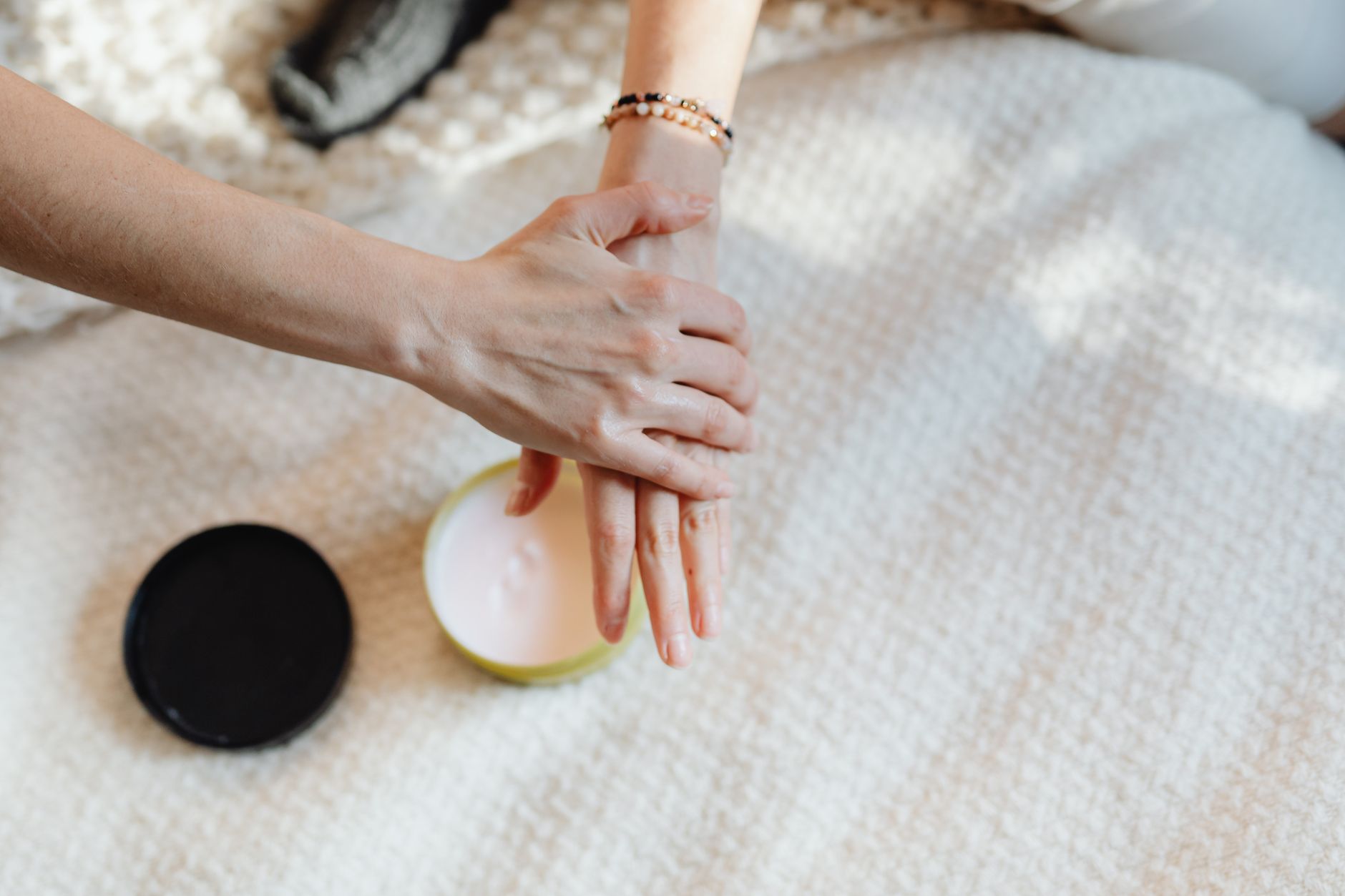
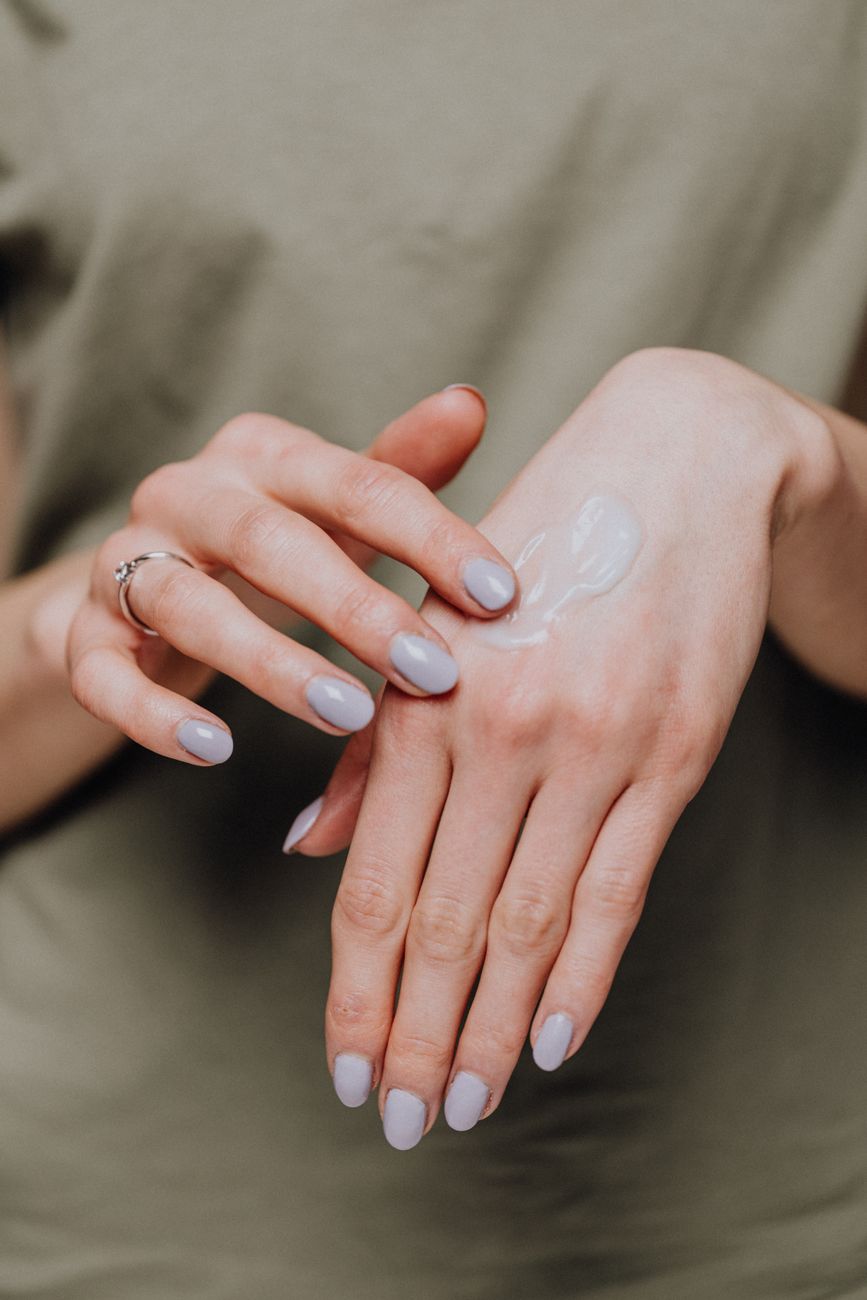
Solid perfumes arrive in tins and compacts that live next to serums, not on vanity trays. The application—warming between fingers, pressing into pulse points—mirrors thepatting and pressing of Korean skincare routines. It's tactile, deliberate, and feels therapeutic rather than decorative. Fragrance becomes part of the self-care stack instead of the getting-dressed performance.
The anti-sillage movement
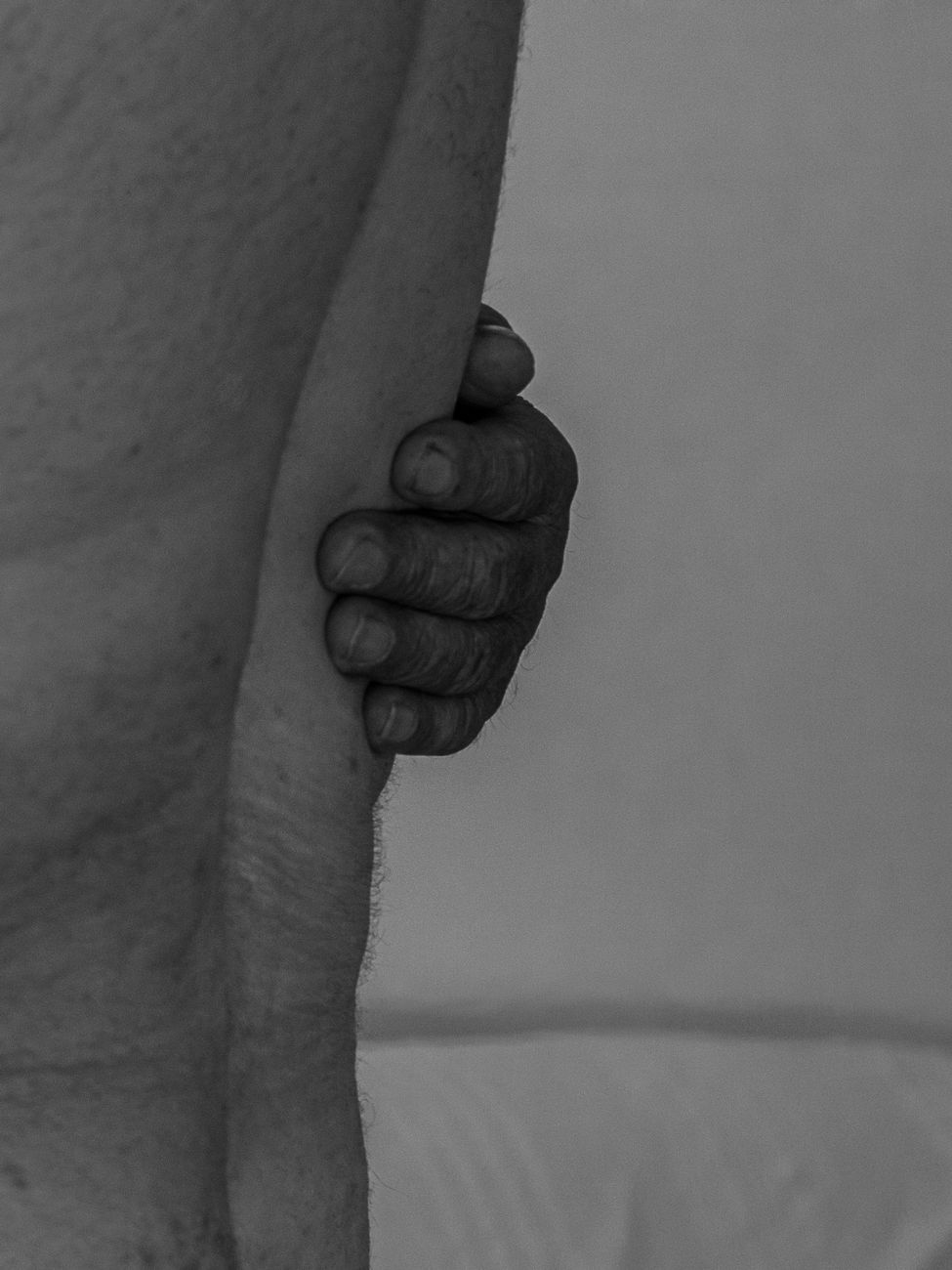
Projection is suddenly gauche. Where previous generations measured perfume success by who could smell you from across a room, solid fragrances offer scent that stays within your immediate orbit. This aligns with a broader cultural shift toward taking up less space—quieter wealth signaling, smaller logos, voices that don't carry. Your fragrance is no one's business but yours and whoever gets close enough.
Powder formats claim the premium position
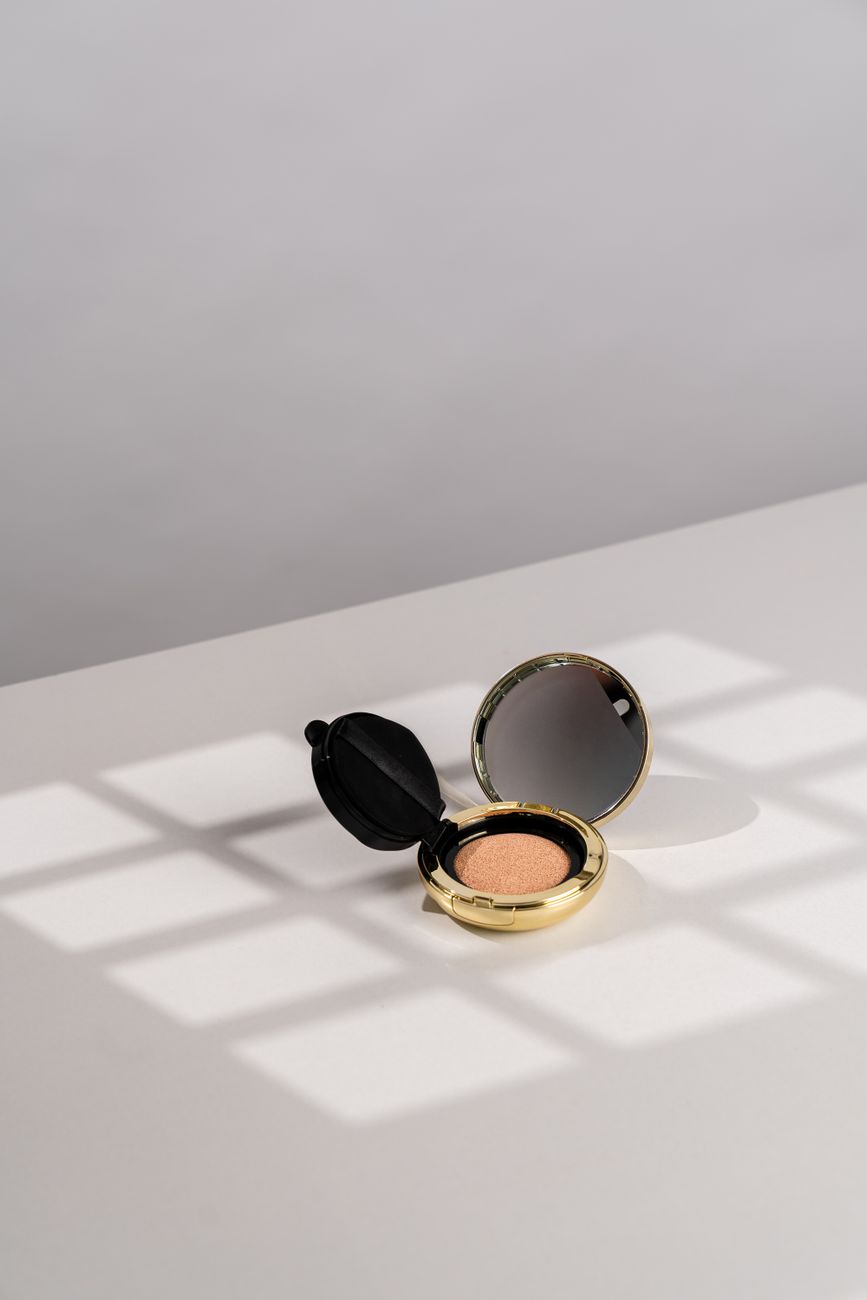
Brands like Diptyque and Aesop are releasing pressed powder perfumes in refillable compacts that feel more precious than any spray bottle. The format suggests rarity and intention—something you apply consciously, not spray thoughtlessly. These aren't teenager's roll-ons; they're $85 objects with the weight and finish of fine jewelry. The higher price point for less product is somehow not a contradiction.

Clean beauty finds its scent solution
Alcohol-free formulas built on beeswax, shea butter, and plant oils let clean beauty consumers finally participate in fragrance without compromise. Solid perfumes sidestep the alcohol debate entirely while offering transparency around ingredients—something nearly impossible with traditional perfume's protected formulas. It's the rare case where the alternative format actually delivers on the values it implies rather than just performing them.

Application becomes a social signal
Pulling out a compact to reapply perfume communicates something different than a midday spray. It reads as considered, almost European in its discretion. The gesture is small enough to do in public without being performative, which paradoxically makes it more noticeable to those paying attention. Like carrying a cloth handkerchief or wearing a mechanical watch, it's a signal that you've thought about the details others automate.