Estonia launched the first digital nomad visa in 2020. Today, over fifty countries offer some version of the scheme—from Malta to Mauritius, Croatia to Costa Rica. The bureaucratic red tape has dissolved. The world, theoretically, is open.
Yet walk through Lisbon's Príncipe Real or Canggu's beachfront cafés and you'll find the same demographic bottleneck: MacBooks, oat lattes, identical Patagonia backpacks. If infrastructure isn't the barrier anymore, something else is. Here's what the great nomad visa proliferation actually reveals about how we move—and why we don't.

Visa availability was never the real friction
The digital nomad discovered what luxury travelers have known forever: paperwork is the easy part. The actual barriers are cultural illegibility, social infrastructure, and the exhausting work of building routine in a new place. A visa gets you in. It doesn't get you a dentist, a running route you trust, or friends who aren't also leaving in six weeks. Lisbon and Bali solved for the latter. Policy can't.

These cities became category-defining products
Canggu and Príncipe Real aren't just places—they're shorthand for an entire lifestyle architecture. They signal values, aesthetics, and social belonging before you even arrive. When fifty countries offer the same visa terms, the differentiator isn't policy; it's brand. These cities have become self-fulfilling ecosystems with plug-and-play friend groups, established coworking hierarchies, and legible status markers. New destinations are starting from zero.

The infrastructure gap is about soft services, not hard ones
Fast wifi and affordable rent are table stakes now—dozens of cities qualify. What concentrates nomads is the presence of English-speaking therapists, vegan restaurants that don't require explanation, and yoga studios that recognize your face. These aren't amenities you can install; they emerge from density. The nomad hubs have them. The newly visa-eligible countries are still building toward critical mass, which requires the very influx they're trying to attract.
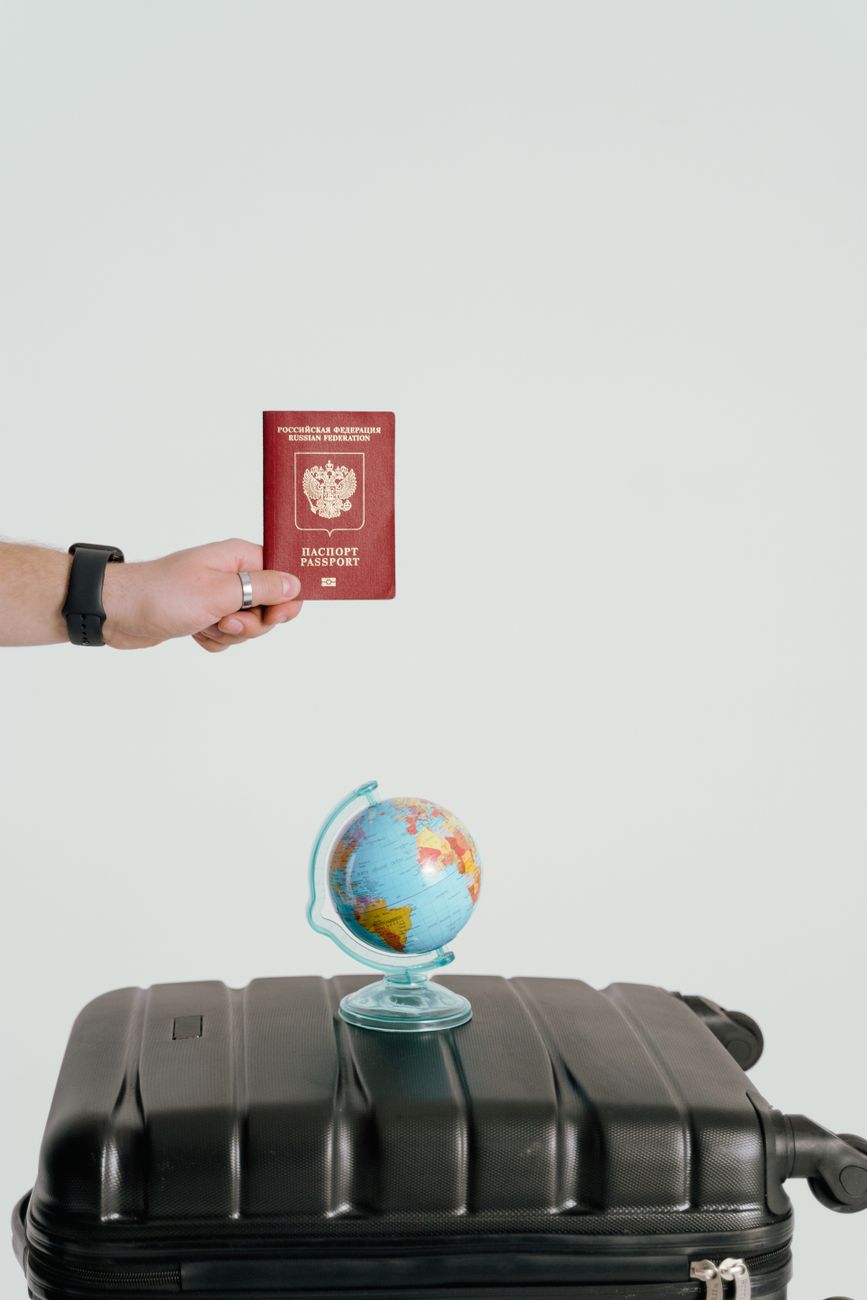
Nomadism turned out to be more performative than practical
The data is clarifying: most digital nomad visa holders stay in one place for the maximum allowed duration, then renew or move to another hub—not探索 the countryside or secondary cities. The fantasy was perpetual motion. The reality is three-to-six-month rotations between the same five cities with good lighting for content. True geographic arbitrage—living in genuinely overlooked places—requires higher risk tolerance than the demo actually possesses.

We're watching lifestyle gentrification in real time
Lisbon and Bali remain crowded because the nomad cohort values density over discovery—they're seeking confirmation, not exploration. This is lifestyle gentrification: the rapid colonization of a place by a specific class that remakes it for their own convenience, pricing out both locals and the next wave of arrivals. More visa options won't change this. The psychology that created the bottleneck isn't about access. It's about wanting to be where everyone already is.