Somewhere between the death of the Orient Express and the rise of €9 Ryanair flights, we forgot that trains could be anything other than utilitarian. But Europe's night trains are staging a comeback that has nothing to do with nostalgia and everything to do with a fundamental shift in how we define premium travel.
The new sleeper services launching across the continent aren't romanticizing the past—they're building something better. Private cabins with hotel-grade linens, breakfast delivered to your door as Alpine villages blur past your window, and the quiet luxury of waking up in a different country without the theater of airport security. This isn't about being eco-conscious or budget-savvy. It's about reclaiming time as the ultimate luxury good.

Austria's ÖBB Nightjet Is Setting the Standard Everyone Else Is Chasing
Austrian Railways didn't just resurrect night trains—they reinvented them. Their new Nightjet fleet features mini-suites with private bathrooms, and the booking patterns tell the real story: business travelers are choosing sleepers over morning flights. When you can board in Zurich at 10 PM and wake up refreshed in Amsterdam, the red-eye becomes obsolete. Airlines noticed, and they're not thrilled.
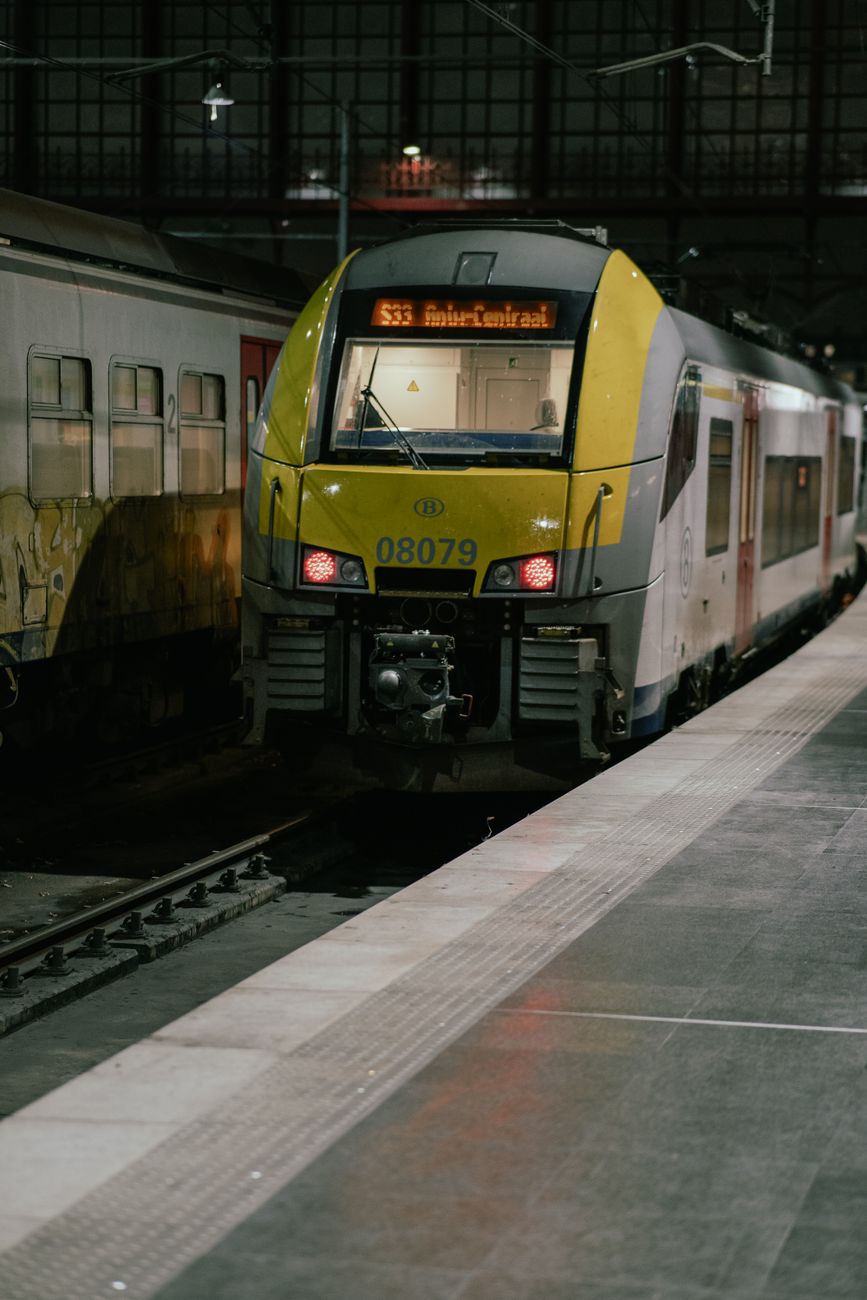
The Paris-to-Everywhere Effect Is Creating New Routes No One Asked For (But Everyone Wants)
France is connecting its capital to Berlin, Vienna, and Venice by overnight train, and demand is outpacing supply. These aren't routes resurrected from dusty archives—they're responding to a generation that views an eight-hour train journey as superior to a two-hour flight bracketed by four hours of airport hell. The real shift? Cities are suddenly measuring distance in sleep cycles, not flight times.
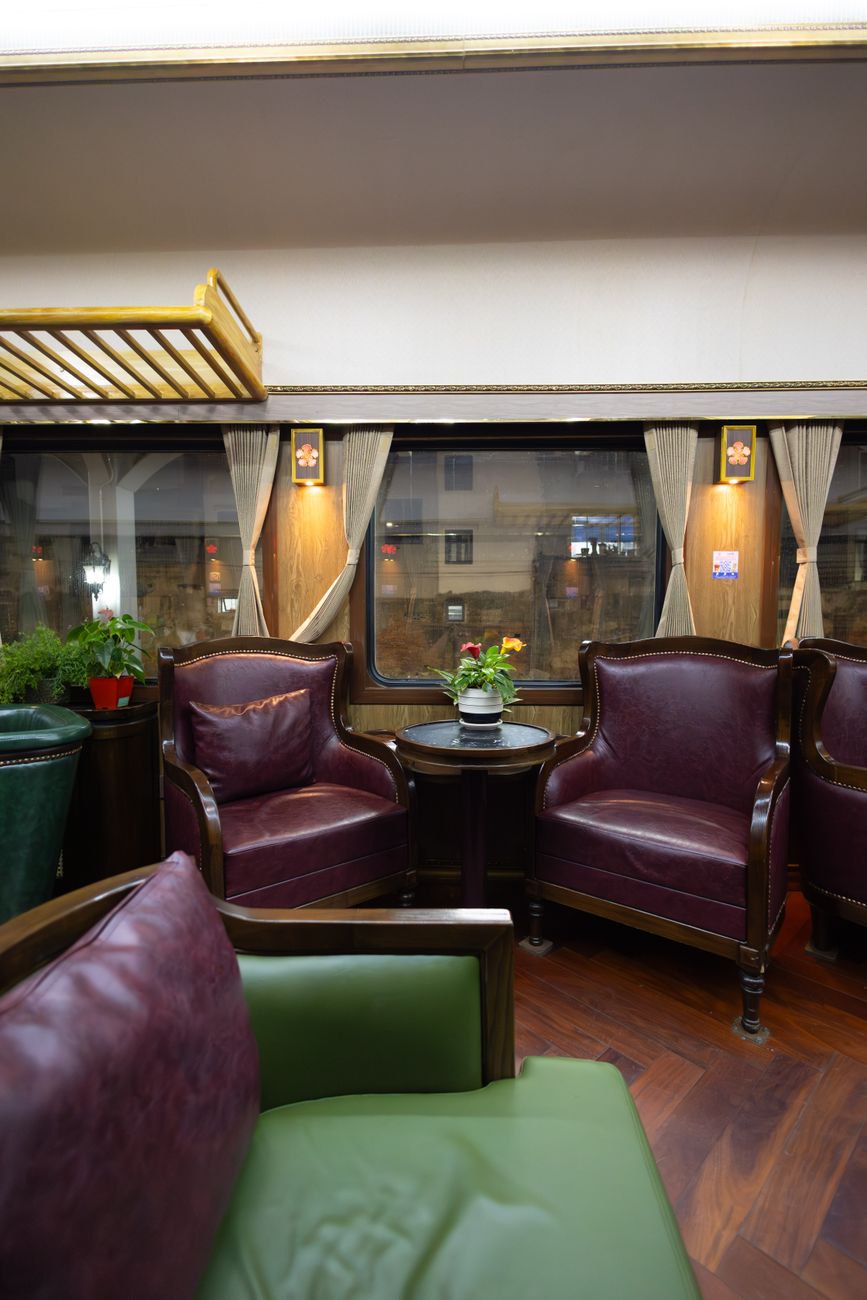
Sleeper Cabins Are Out-Designing Five-Star Hotels
The newest cabins rolling out across Europe feature the kind of design details that win hotel awards—adjustable mood lighting, memory foam mattresses, soundproofing that actually works. Midnight Trains, launching in 2025, hired hotel designers instead of railway engineers. The message is clear: this isn't mass transit with beds bolted on. It's accommodation that happens to move.
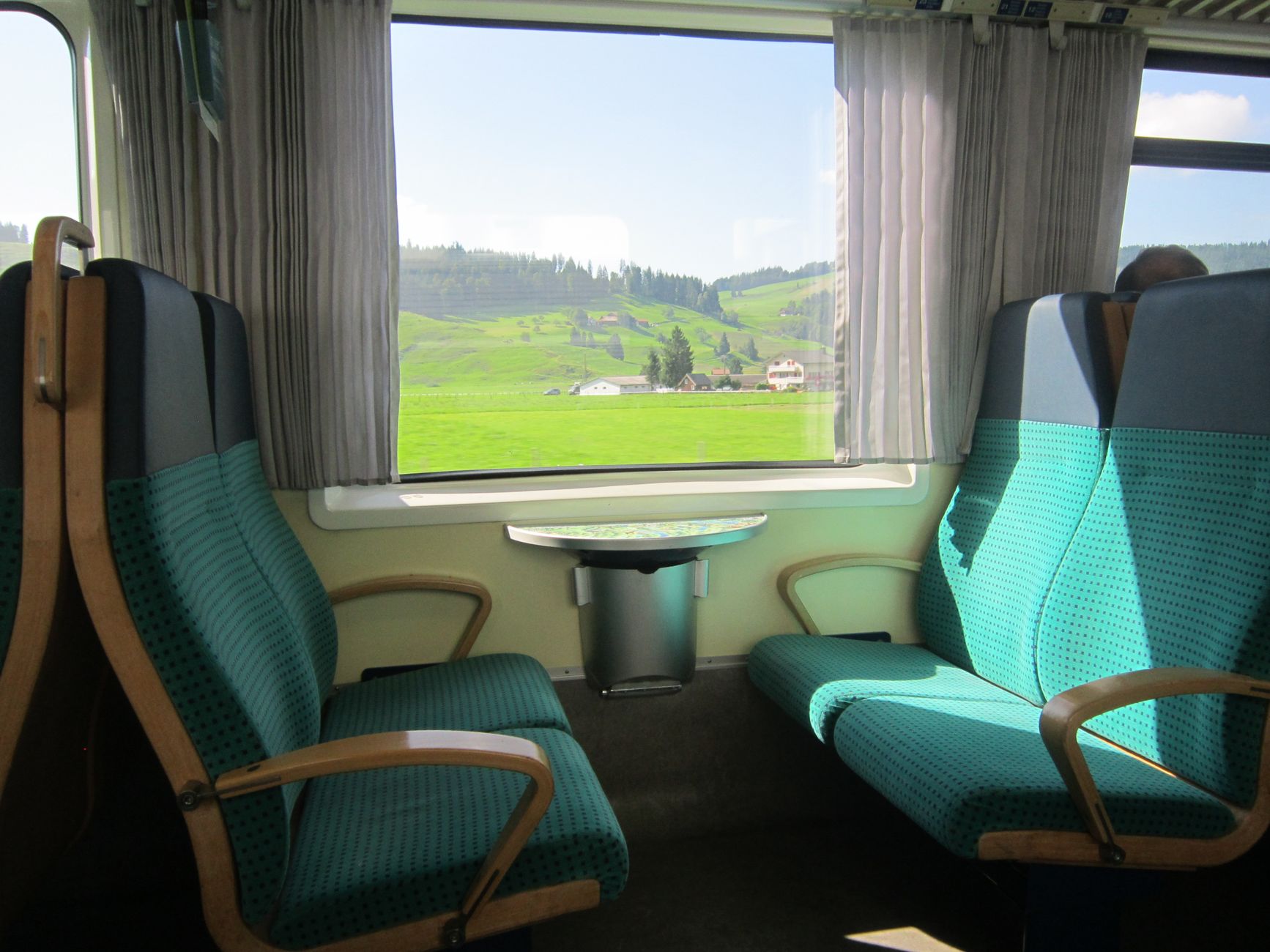
The Sustainability Angle Is Real, But That's Not Why People Are Booking
Night trains emit 90% less CO₂ than flights, and yes, travelers mention this when explaining their choices. But scroll through the social posts and testimonials, and what actually sells the experience is simpler: you board in a city center at a civilized hour, skip the security theater, and arrive without jet lag. The environmental benefit is the rational justification for a decision driven by pure convenience and comfort.
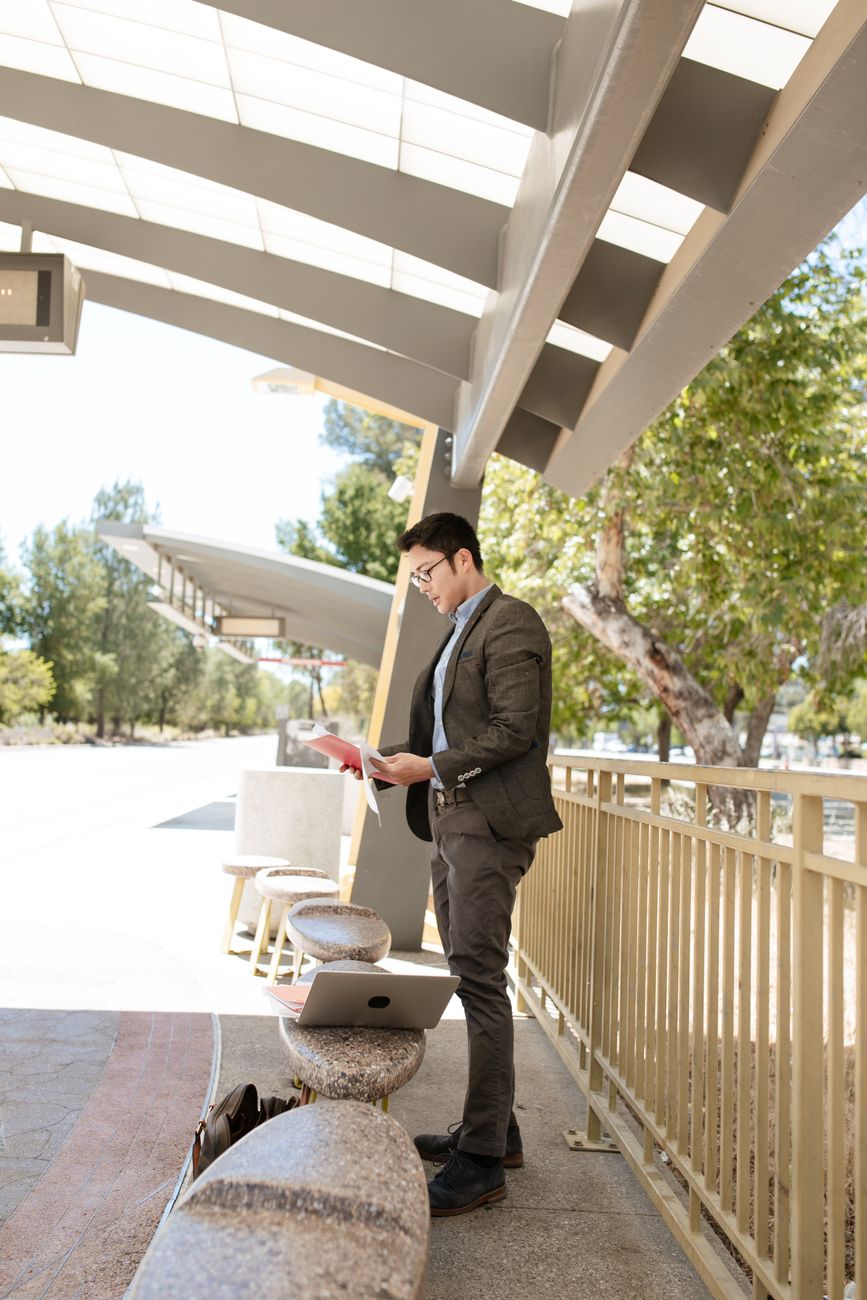
Tech Founders and Consultants Are the Unexpected Early Adopters
The demographic filling premium sleeper cabins isn't backpackers or train enthusiasts—it's the same crowd that used to fly business class. Management consultants are billing clients for overnight trains instead of flights plus hotels. Remote workers are treating cabins as mobile offices with better views. When you can take calls from a moving train and expense it as both transport and accommodation, the math shifts. First class is no longer in the sky.
- Austria's ÖBB Nightjet Is Setting the Standard Everyone Else Is Chasing
- The Paris-to-Everywhere Effect Is Creating New Routes No One Asked For (But Everyone Wants)
- Sleeper Cabins Are Out-Designing Five-Star Hotels
- The Sustainability Angle Is Real, But That's Not Why People Are Booking
- Tech Founders and Consultants Are the Unexpected Early Adopters