The living room was always a lie. That carefully staged sofa arrangement, the coffee table books no one reads, the throw pillows positioned at angles only interior designers find natural—all of it performed for guests who spend maybe forty minutes there before moving to the kitchen anyway. The entryway, meanwhile, does its work in seven seconds.
Those seven seconds now command investment previously reserved for master suites. Custom millwork, statement lighting that costs more than a used car, floors in materials with names you can't pronounce. The shift isn't subtle and it isn't cheap. It's a recalibration of where status lives in a home, driven by delivery culture, hybrid work, and the understanding that intimacy happens elsewhere. Here's what's actually happening.
Console tables are hitting luxury car price points
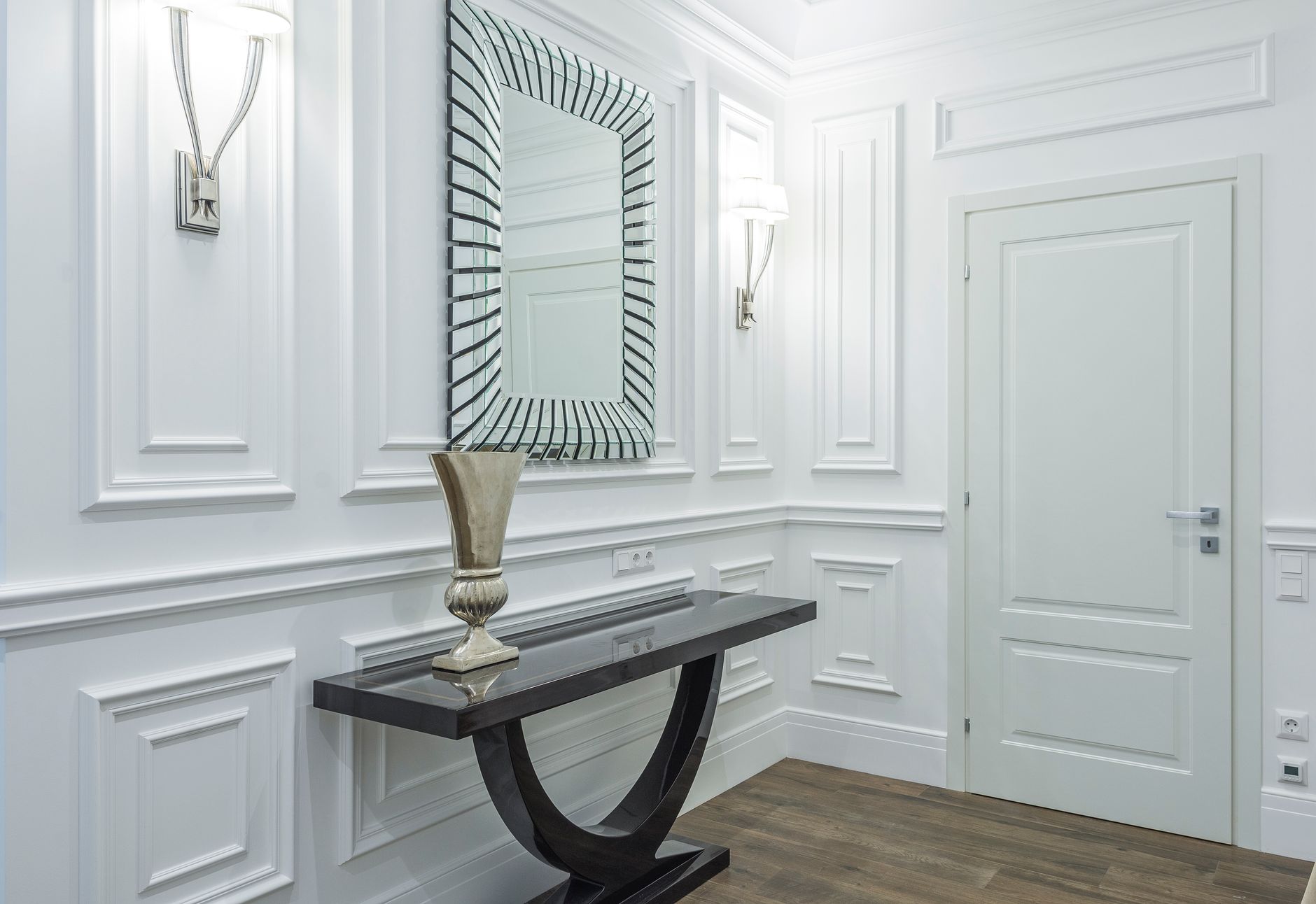
A marble-topped console now routinely costs $8,000 to $15,000, with custom pieces pushing past $30,000. These aren't furniture—they're architectural statements that anchor the entire entry experience. The calculation is simple: guests see this piece every single visit, while that $4,000 sectional in your living room might go months between outside eyes. Interior designers report clients allocating 30% of their furniture budget to a single entryway moment, treating it less like a table and more like the thesis statement of taste.
Lighting budgets have inverted the house hierarchy
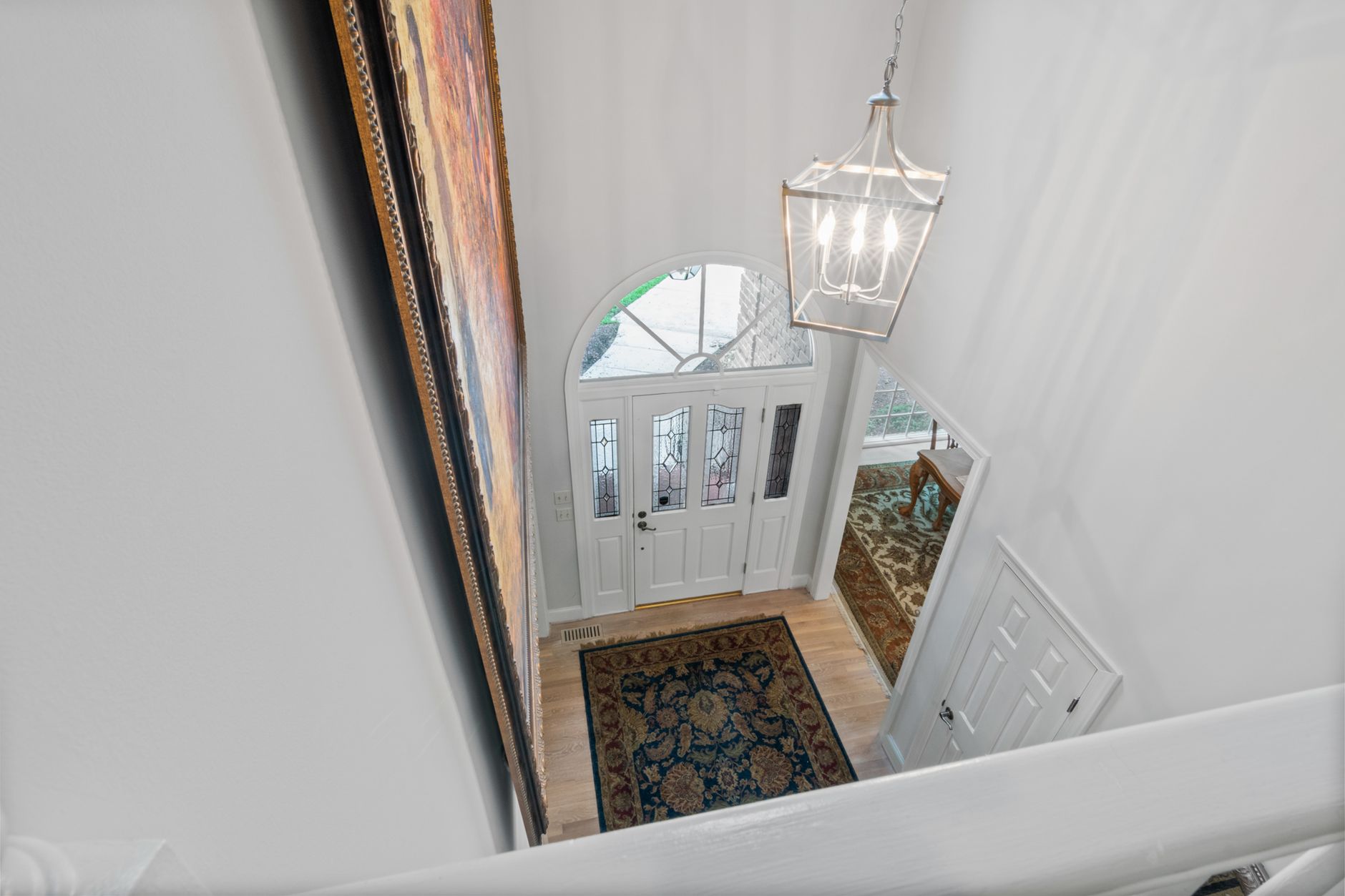
Chandeliers and pendant installations in entryways now average $5,000 to $12,000, often exceeding the combined lighting budget for every other room. The logic tracks: this is the only light fixture every person who enters your home will consciously register. Designers are specifying sculptural pieces that read as art installations—Apparatus, Lindsey Adelman, Roll & Hill—treating the entry as a gallery with a door. Meanwhile, bedroom lighting remains an afterthought with builder-grade fixtures, because who's grading you in there.

Flooring has become the new luxury告示板
Limestone, terrazzo, and custom tile patterns in entryways are running $150 to $400 per square foot—often quadruple what homeowners install in adjacent rooms. The 40-square-foot entry gets museum-quality stone while the 300-square-foot living room makes do with engineered hardwood. It's not irrational. High-traffic durability matters, yes, but the real driver is immediate material perception. Guests register quality underfoot before they've removed their coat. That sensory hit justifies pricing that would seem deranged in a room people actually live in.
Built-in millwork is eating kitchen renovation budgets
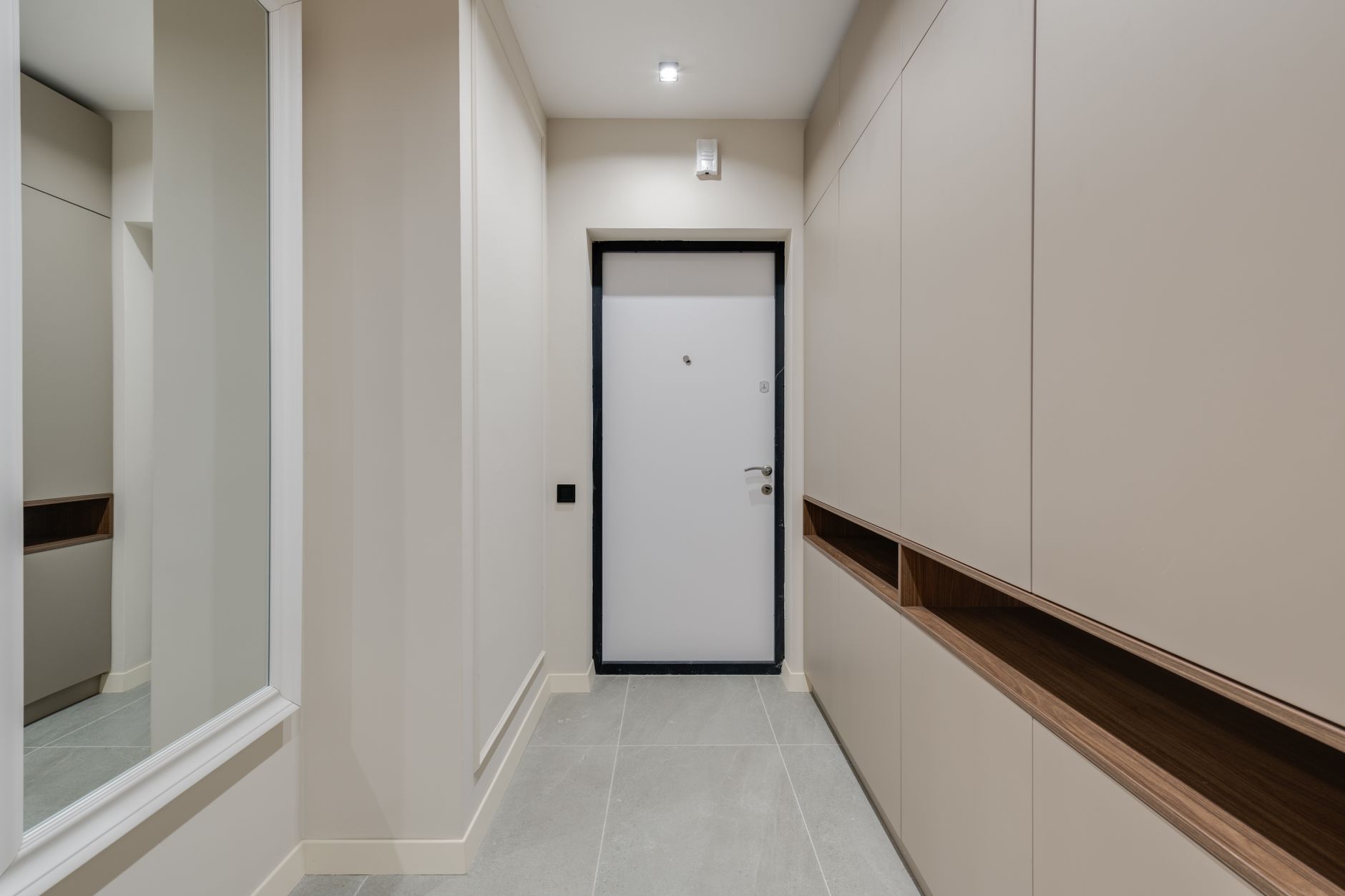
Custom millwork—floor-to-ceiling storage, integrated seating, coat closets disguised as paneled walls—now averages $15,000 to $40,000 in high-end renovations. Contractors report entryway buildouts rivaling kitchen costs, minus the plumbing. The shift makes sense when you consider function: the entry manages the friction of daily life (shoes, bags, keys, the psychological transition between outside and inside). A beautiful entry that actually works delivers value every single day, while a living room mostly delivers a place to feel vaguely guilty about not entertaining more.

Art placement has migrated to the threshold
Collectors are positioning their most significant pieces—five and six-figure works—in entryways rather than living rooms or private spaces. Galleries report this shift explicitly in client consultations: the entry guarantees visibility for every visitor, delivery person, and dinner guest, while living room art only performs for people intimate enough to sit on your sofa. It's treating the home like a public-facing institution with a private back-of-house. The entryway becomes the museum gallery; everything beyond it is staff quarters. Efficient, if a bit mercenary about how we actually use our homes.