Tourism has officially crossed into post-welcome territory. The cities that once competed for your vacation budget are now actively discouraging your presence—or at least making you pay a premium for it. Barcelona banned short-term rentals entirely. Venice started charging day-trippers €5 just to step off the train. Kyoto doubled down on restricting access to its most photographed alleys. This isn't about sustainability theater or token gestures. It's enforcement.
The shift reveals something deeper than local frustration with Instagram hordes. Cities are recalibrating the actual cost of hosting millions of people who don't contribute to the tax base, don't sleep in regulated hotels, and leave behind infrastructure strain without economic return. The romantic notion that travel is inherently good—for you, for them, for global understanding—is dying. What's replacing it is transactional clarity: if you want to exist here, it will cost you.
Entry fees are no longer theoretical
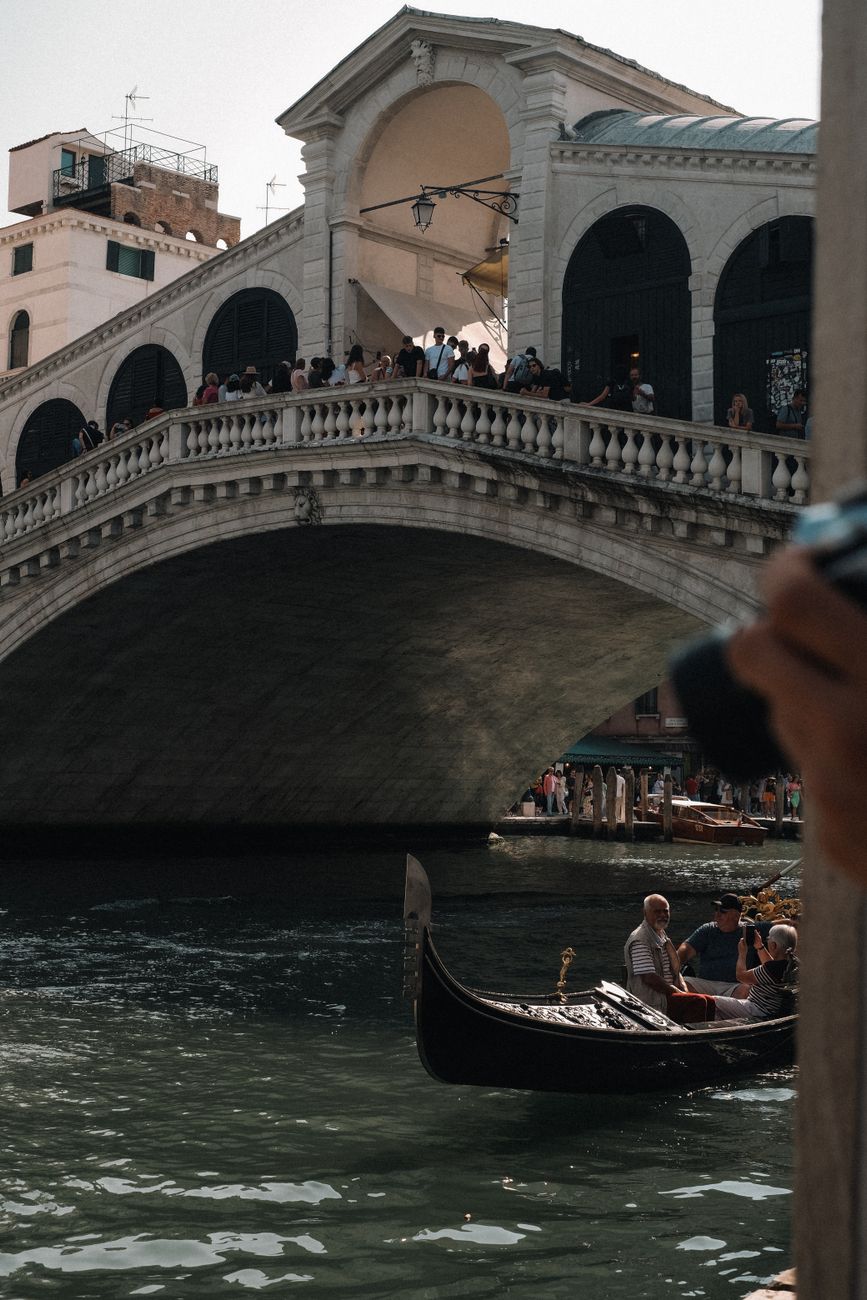
Venice's €5 entry charge for day-trippers became enforceable reality in 2024, complete with QR code checkpoints and actual fines for non-compliance. It's not symbolic anymore—it's revenue collection tied to crowd control algorithms that adjust pricing based on expected visitor volume. Other cities are watching closely. The model works because it doesn't require national legislation, just local will. Expect Athens, Dubrovnik, and Amsterdam to adopt similar systems by 2026, with tiered pricing that makes weekends significantly more expensive than weekdays.

Short-term rental bans are the new normal
Barcelona's decision to eliminate all 10,000+ short-term rental licenses by 2028 isn't an outlier—it's the blueprint. The city calculated that Airbnb-style tourism extracts maximum infrastructure cost while contributing minimum tax revenue compared to hotels. Locals can't compete with rental yields that exceed annual salaries. Other cities are copying the homework: New York's crackdown reduced listings by 80% in months. The platforms built their empires on regulatory grey areas that are rapidly closing. The era of turning every city into your temporary living room is ending.

Cultural sites are going local-only
Kyoto started fining tourists ¥10,000 for entering certain geisha districts, but the real story is the private streets now entirely closed to non-residents. Cultural heritage sites across Japan, Italy, and Greece are implementing reservation systems that prioritize locals and domestic visitors. This isn't soft discouragement—it's hard barriers. The logic is straightforward: if a place exists primarily for community use, why should global tourists have automatic access? The photos you want were never meant for you anyway.

Airlines are the accidental enforcers
Flight prices to overtouristed destinations have quietly separated from normal market logic. Routes to Venice, Santorini, and Iceland now cost 40-60% more than comparable distances elsewhere, not purely from demand but from intentional capacity limits and airport slot restrictions. Cities are leveraging the bottleneck they control: airport landing rights. Fewer flights mean fewer tourists, and airlines become the mechanism without cities needing to say "you're not welcome." It's rationing by price, and it's effective because it happens before you even book.
The tourism-industrial complex is reversing
Municipal tourism boards—the entities literally created to attract visitors—are now tasked with repelling them. Amsterdam's "Stay Away" campaign told British stag parties not to come. Iceland ran ads discouraging summer visits. The institutional reversal is remarkable: decades of infrastructure built around visitor growth is being dismantled or repurposed. Tourist information offices are closing. Marketing budgets are being redirected to anti-tourism messaging. The economic model that made tourism untouchable is breaking down as cities realize the math never actually worked for residents.