Walk into any bathroom with decent lighting and you'll find the archaeological evidence: eyebrow pens, still capped, pushed to the back of drawers beneath a layer of forgotten lip liners. The beauty industry spent years convincing us that perfect brows required architectural precision—microblading, HD brow pens, stencils that promised symmetry. Then soap happened.
Not new soap. The same rectangular bar your grandmother used, now repositioned as the ultimate brow tool. What started as a makeup artist hack became a mass deflection, and the speed of adoption says more about our shifting relationship with "natural" beauty than any manifesto could. Soap brows aren't easier. They're a different performance entirely.
Lamination Became the New Filled-In
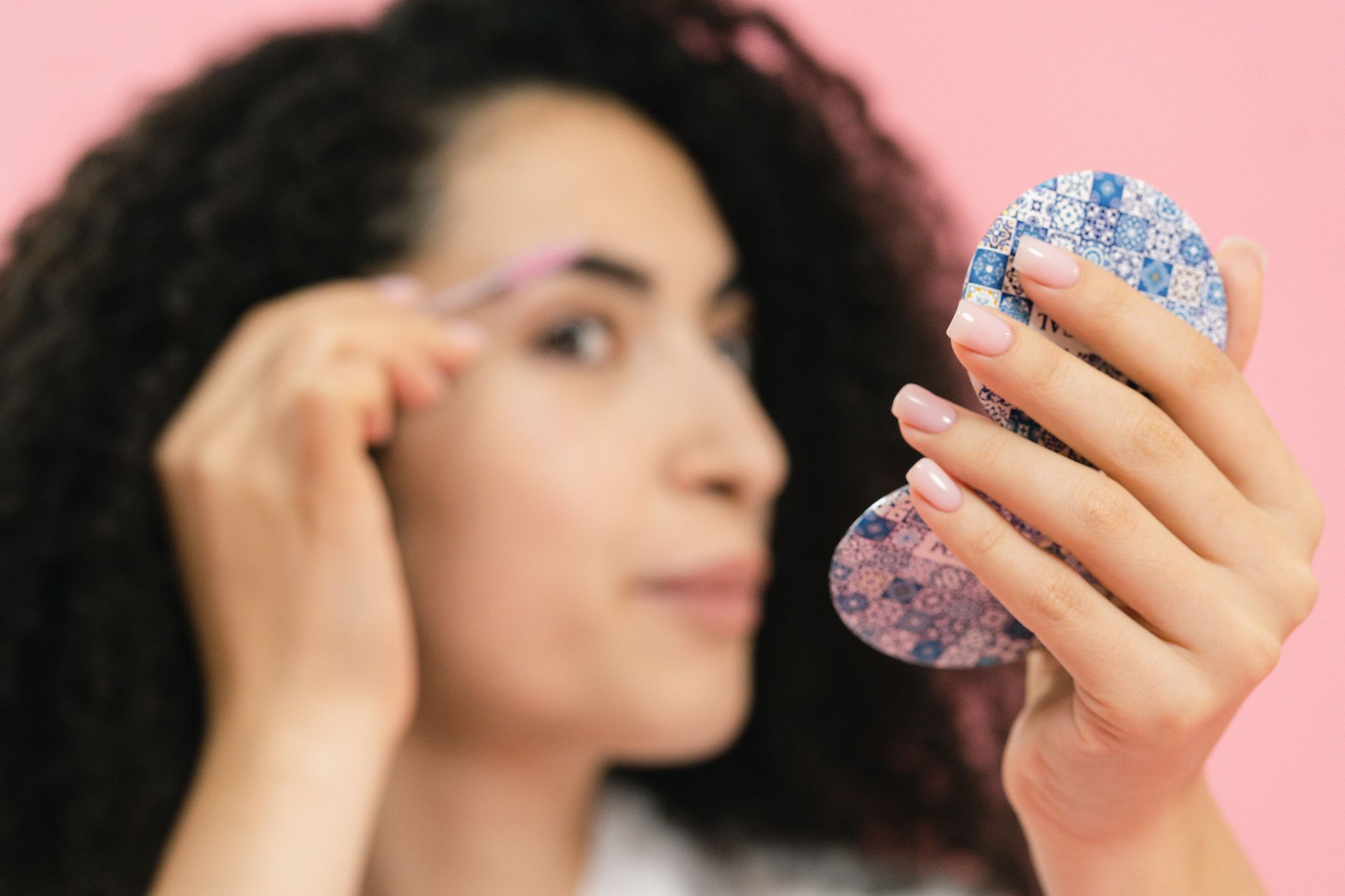
The soap brow technique—wetting a spoolie, running it over bar soap, brushing brows upward into frozen submission—delivers what HD pens never could: texture that looks unmanipulated even as it's entirely manipulated. Where pens gave you strokes, soap gives you the appearance of naturally abundant hair. The irony is that achieving this "I woke up like this" look requires more effort than drawing them on ever did, but we've collectively agreed to pretend it doesn't.
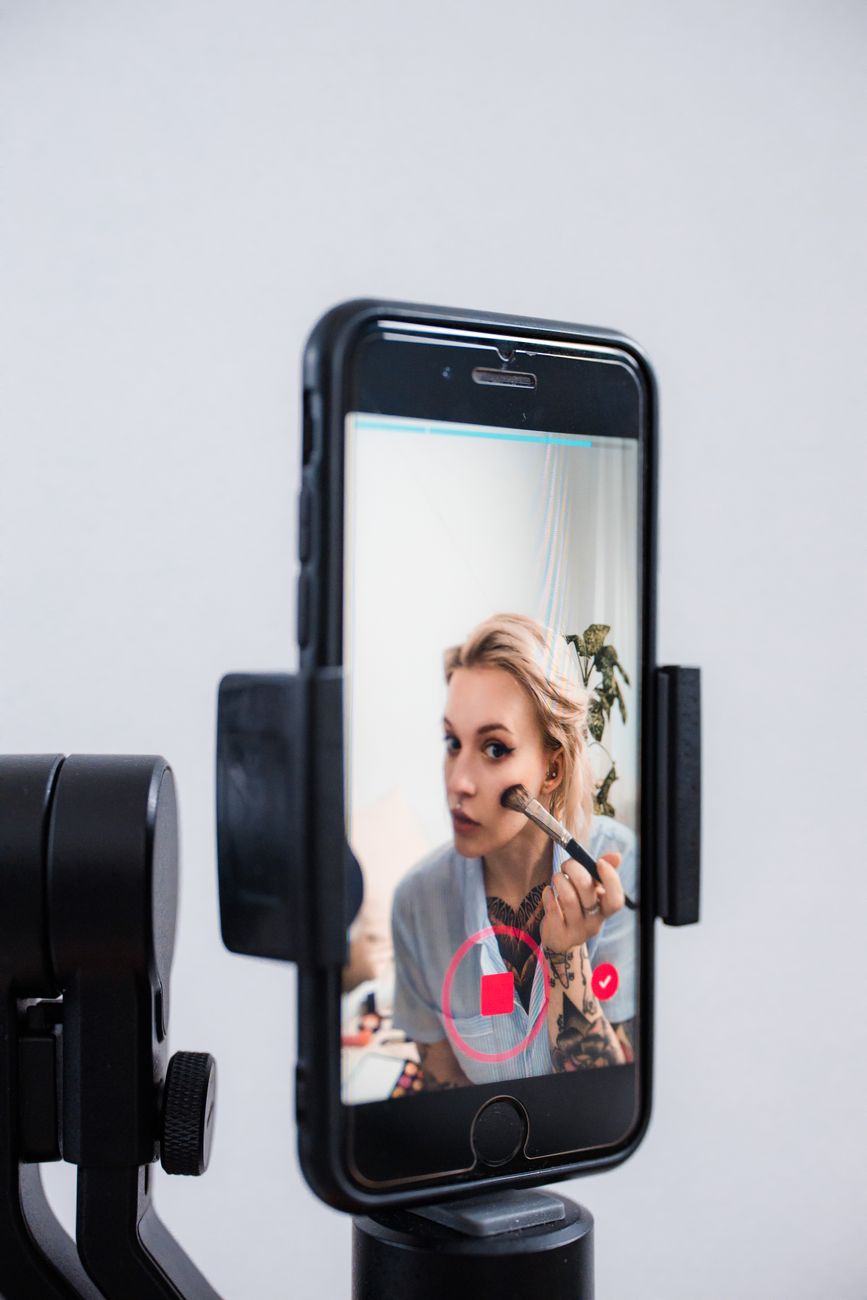
TikTok Killed the Makeup Counter Tutorial
Brow pens belonged to the era of beauty counter education—sales associates demonstrating feathering techniques under fluorescent lights. Soap brows exploded on TikTok, where 15-second videos showed the method without the purchase. No $28 pen required, no colour-matching consultation, just raid your shower. The democratization wasn't about access to better products; it was about bypassing the products entirely. When the tool costs nothing, the technique becomes the commodity.
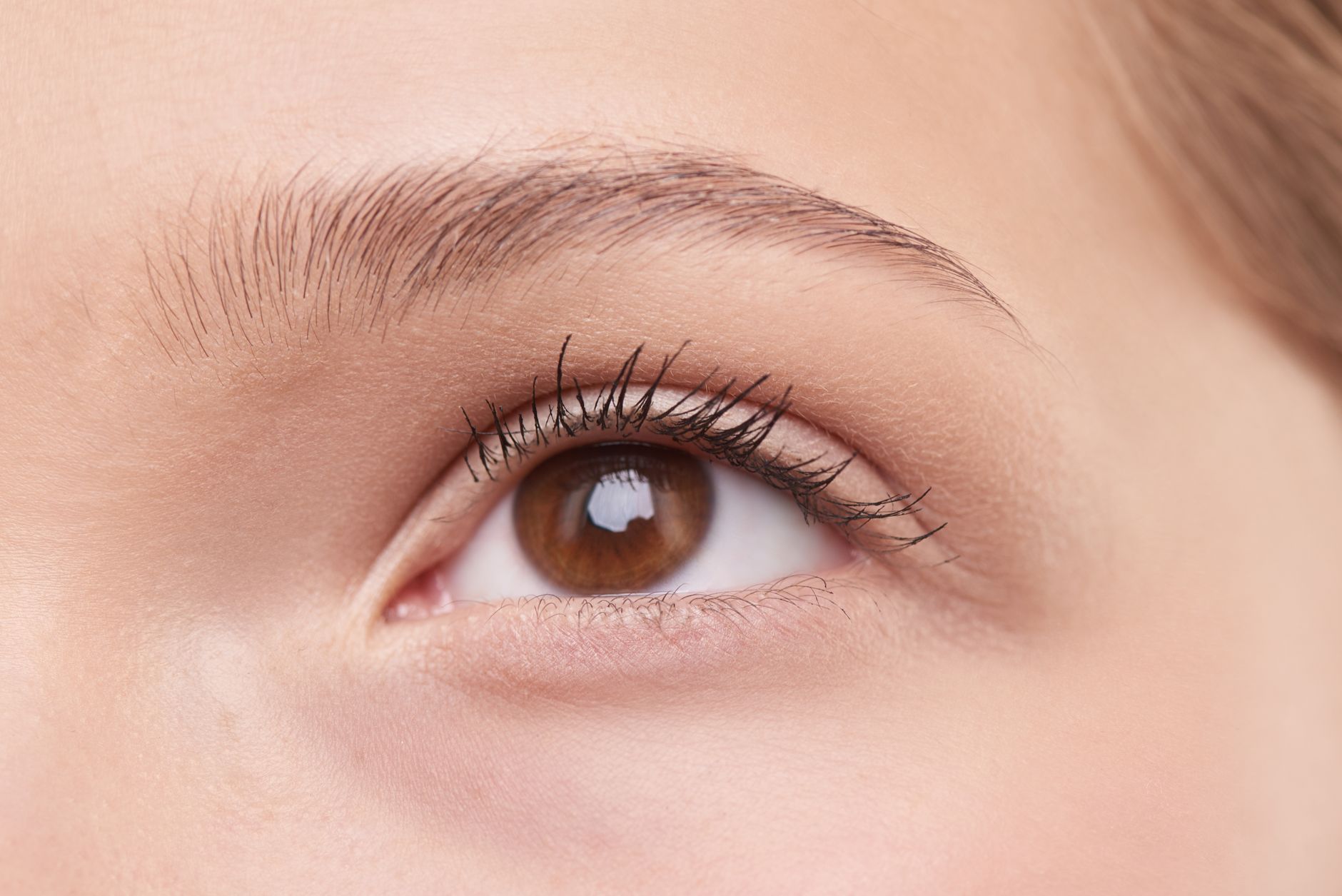
Imperfection Became the Flex
Soap brows trend wilder, thicker, less controlled—and that's the appeal. The millennial obsession with precision (remember Instagram brows sharp enough to cut glass?) has curdled into something that looks labored. Gen Z inherited the backlash without the original sin, demanding brows that suggest abundance rather than intervention. Soap delivers that specific kind of messy that reads as genetic luck rather than product buildup, even when it's the latter.
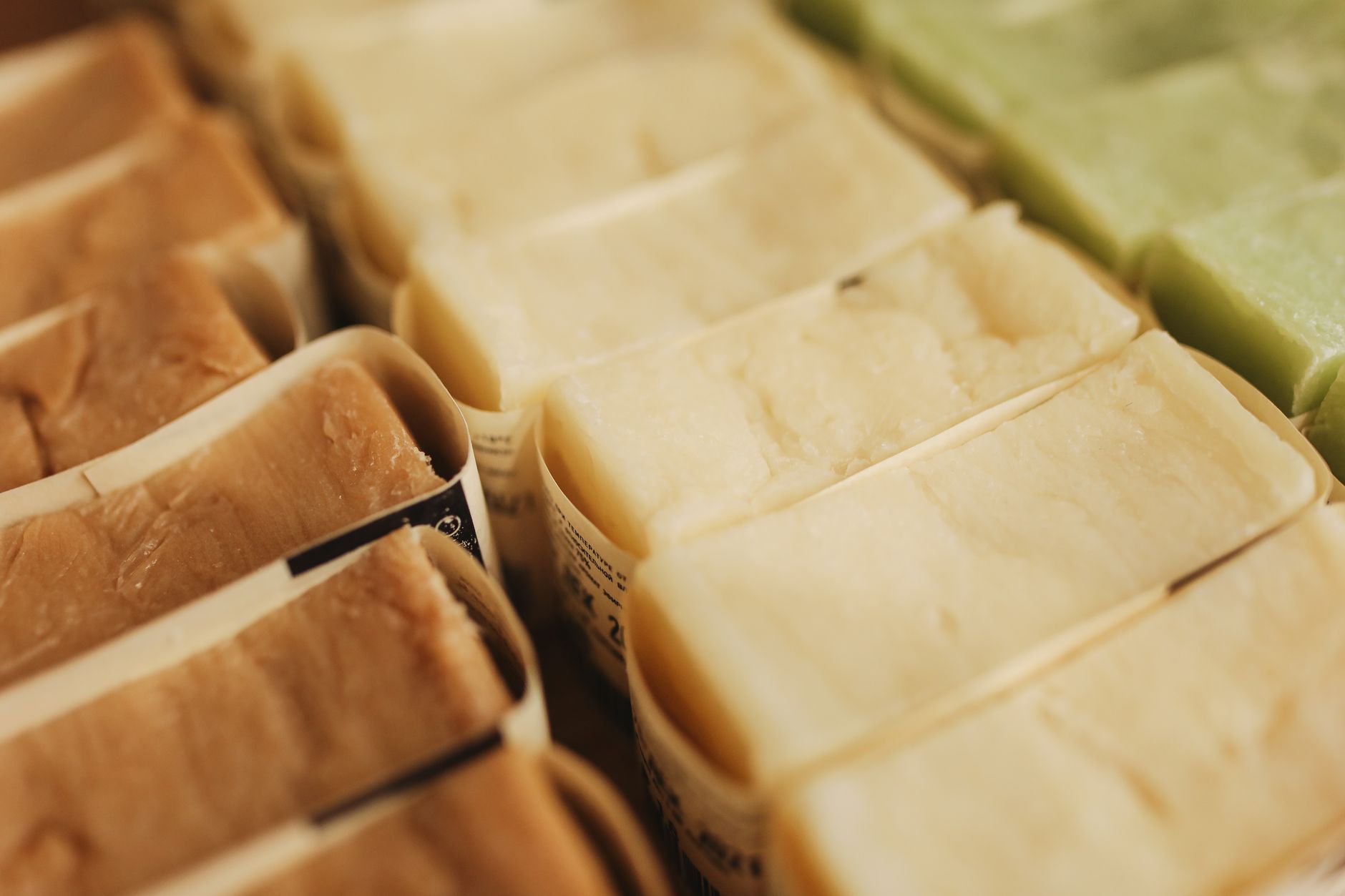
The Ingredient Panic Accelerated the Shift
As "clean beauty" rhetoric intensified, eyebrow pens—with their polymers, preservatives, and proprietary formulas—became suspect. Soap, especially the artisanal bars with five ingredients you can pronounce, offered an exit from the anxiety spiral. Never mind that you're still putting a cleansing agent designed to strip oil onto your face for eight hours. The perception of simplicity matters more than the chemistry, and soap's centuries-old existence provides borrowed credibility that no amount of dermatologist testing can match.
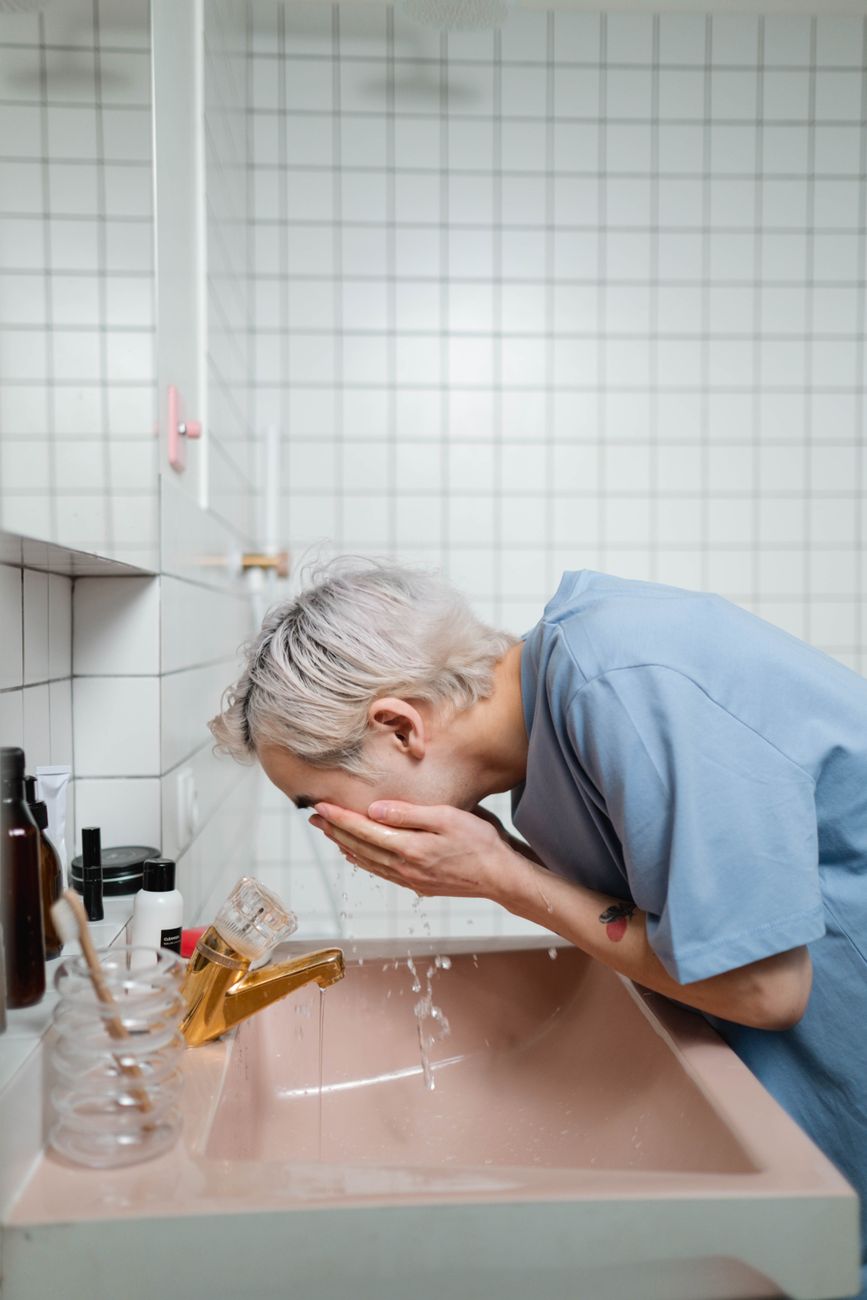
Permanence Lost Its Appeal
Brow pens promised staying power—smudge-proof, waterproof, requires-an-oil-cleanser-proof. Soap brows wash off with water, which suddenly became a feature rather than a flaw. In an era of constant self-documentation and aesthetic pivots, permanence feels like commitment we're not willing to make. Soap lets you perform a different version of yourself by evening, no makeup remover required. The extinction of the brow pen isn't about better technology. It's about preferring the option to disappear.