Foundation mixing used to be what you did when your shade got discontinued or the lighting in Sephora lied to you. Now it's a whole personality—complete with dedicated palettes, Instagram carousels, and the kind of evangelical fervor previously reserved for sourdough starters.
What started as pragmatic problem-solving morphed into competitive sport. The humble act of adjusting undertones became proof of sophistication, commitment, discernment. Somewhere between "close enough" and "bespoke blend," an entire generation decided that buying one bottle like a civilian was admitting defeat.
The Seven-Bottle Flex Replaced the French Girl Aesthetic
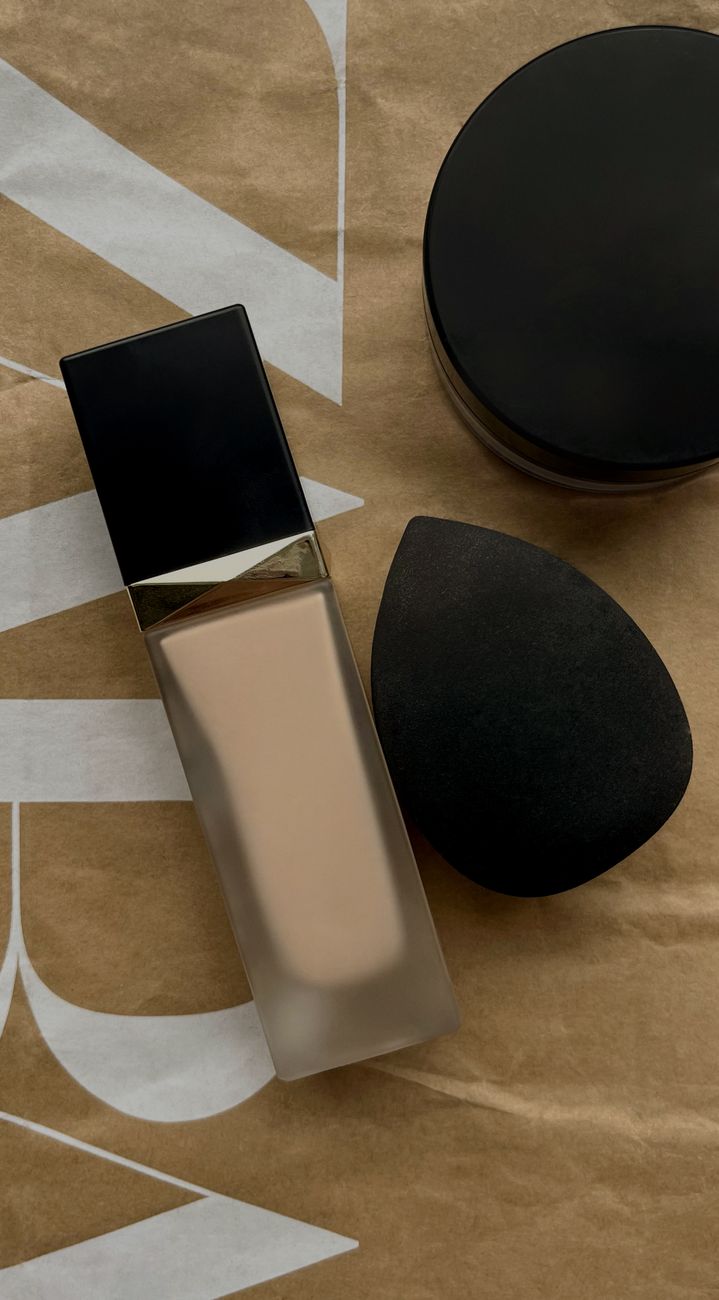
Owning one perfect foundation reads as lazy now, apparently. The new status symbol is a lineup that requires spreadsheets—different formulas for different zones, seasons, moods. It's conspicuous consumption dressed up as expertise, turning vanities into apothecaries. The subtext isn't "I found my match." It's "I'm more committed to this than you are."

TikTok Tutorials Made Three-Minute Routines Thirty-Minute Performances
Foundation mixing videos follow a specific liturgy: the thoughtful squirt, the palette-mixing ritual, the earnest explanation of undertone theory that sounds like wine tasting. These aren't tutorials. They're theater. The goal isn't efficiency—it's demonstrating you care enough to complicate what used to be simple, performing labor as proof of authenticity.
Brands Capitalized by Selling Incomplete Solutions
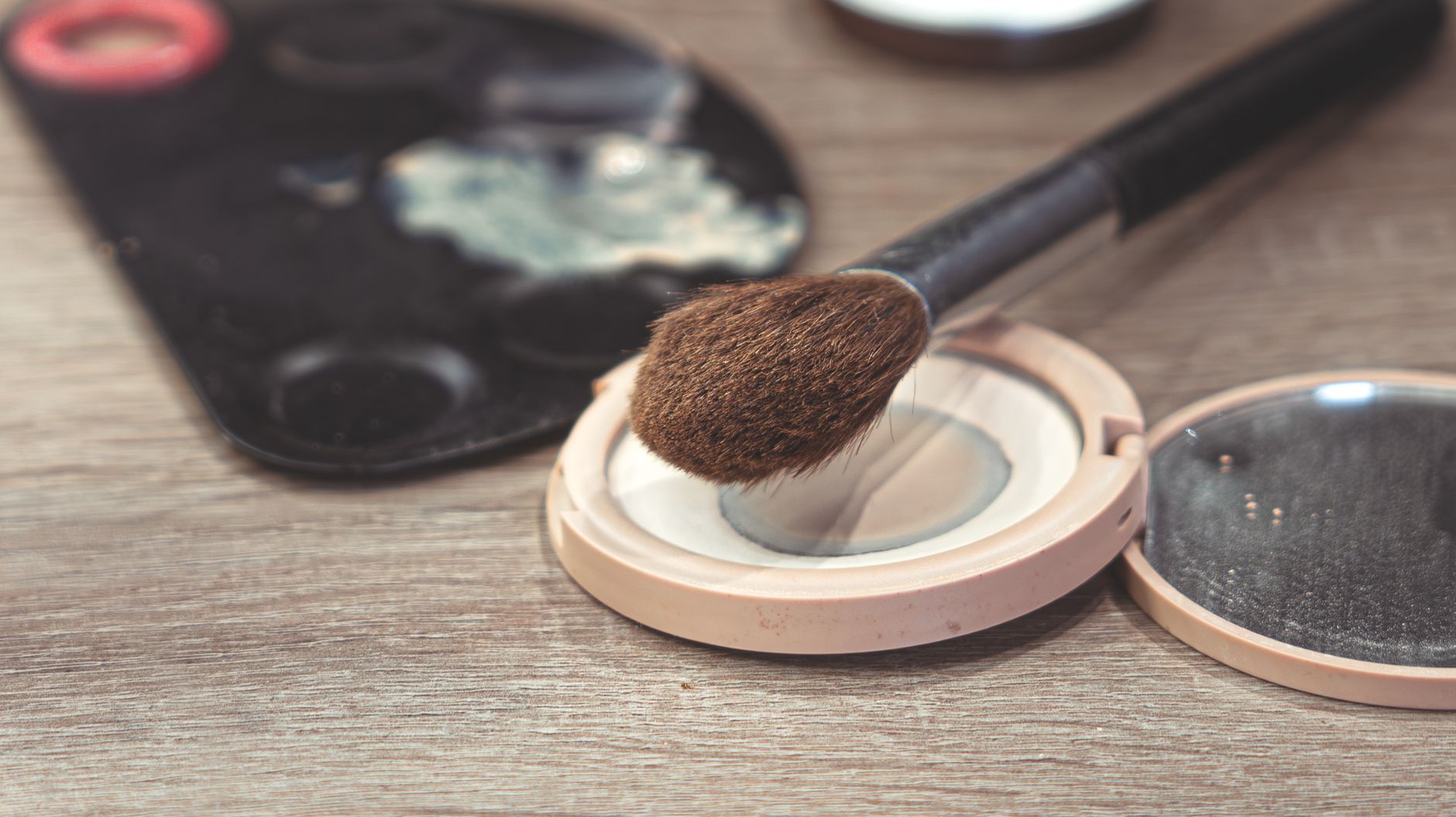
The beauty industry saw an opening and sprinted through it. Mixer drops, adjusting pigments, dedicated blending palettes—an entire economy built on the premise that their foundations don't work alone. They're not selling products anymore. They're selling the permission structure to make mixing feel necessary rather than optional, reframing incompleteness as opportunity.
It Became Gatekeeping Disguised as Helpfulness
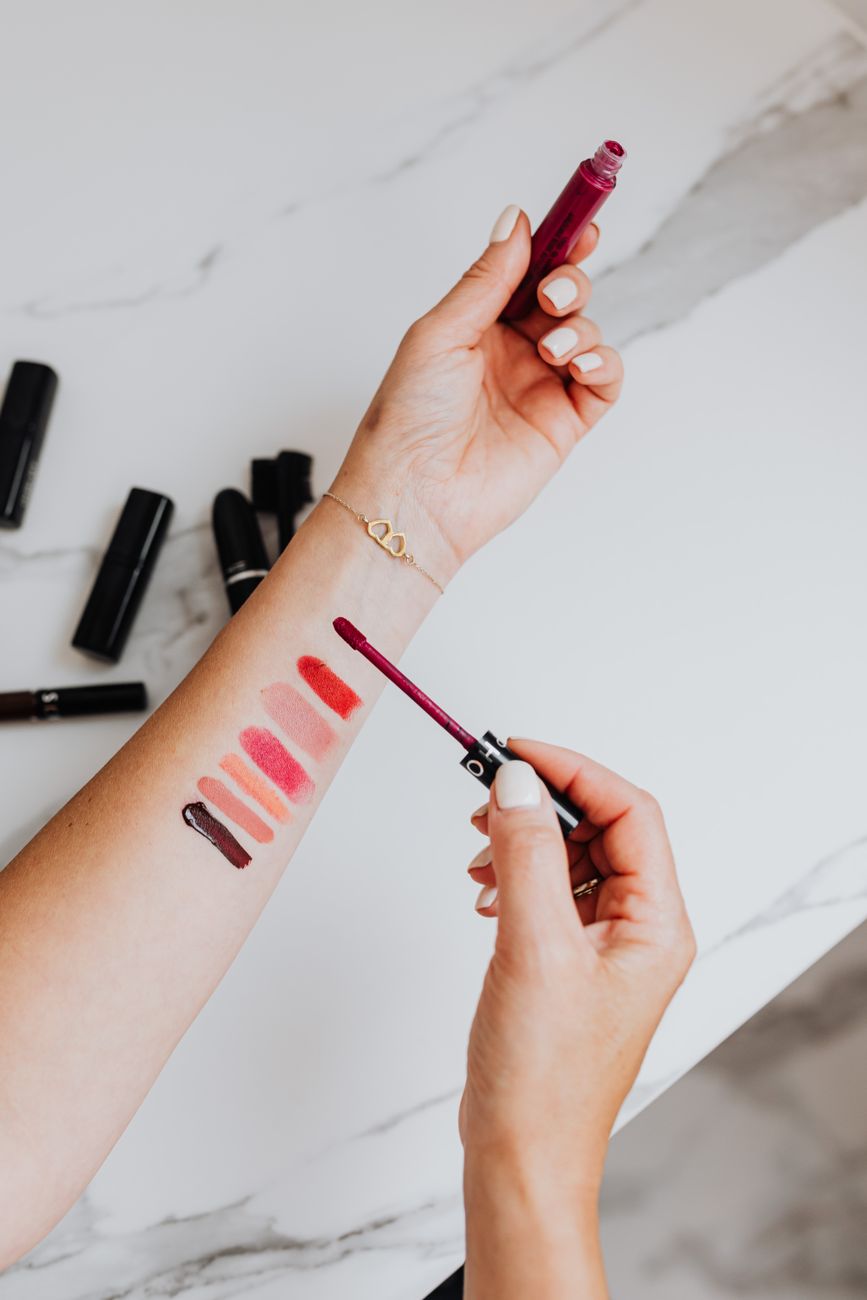
"You're probably mixing wrong" became the new "you're wearing the wrong shade." Foundation mixing communities developed hierarchies, insider language, rules about what you can combine without "compromising the formula." Helping people find their color turned into correcting them, building expertise moats around what used to be instinctive. Complexity as currency, again.
The Backlash Arrived Dressed as Minimalism
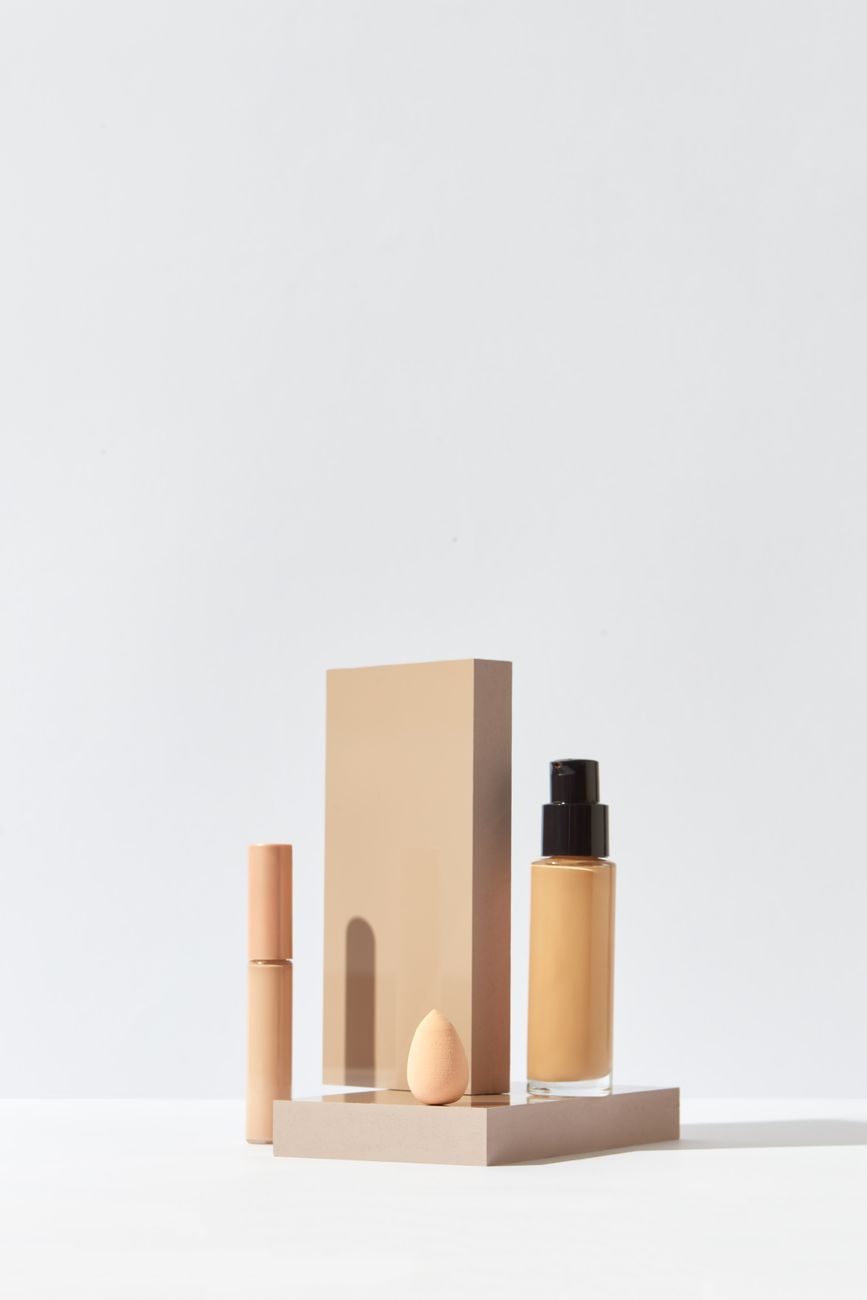
Now the pendulum swings toward pointed simplicity—the "I just use one bottle" confession delivered with quiet superiority. Anti-mixing becomes its own performance, rejecting the performance by performing rejection. Either way, foundation application remains a public statement about who you are, what you value, how much effort you're willing to display. The medium changed. The message didn't.